Rash on Chest: Causes, Symptoms, and Effective Treatments
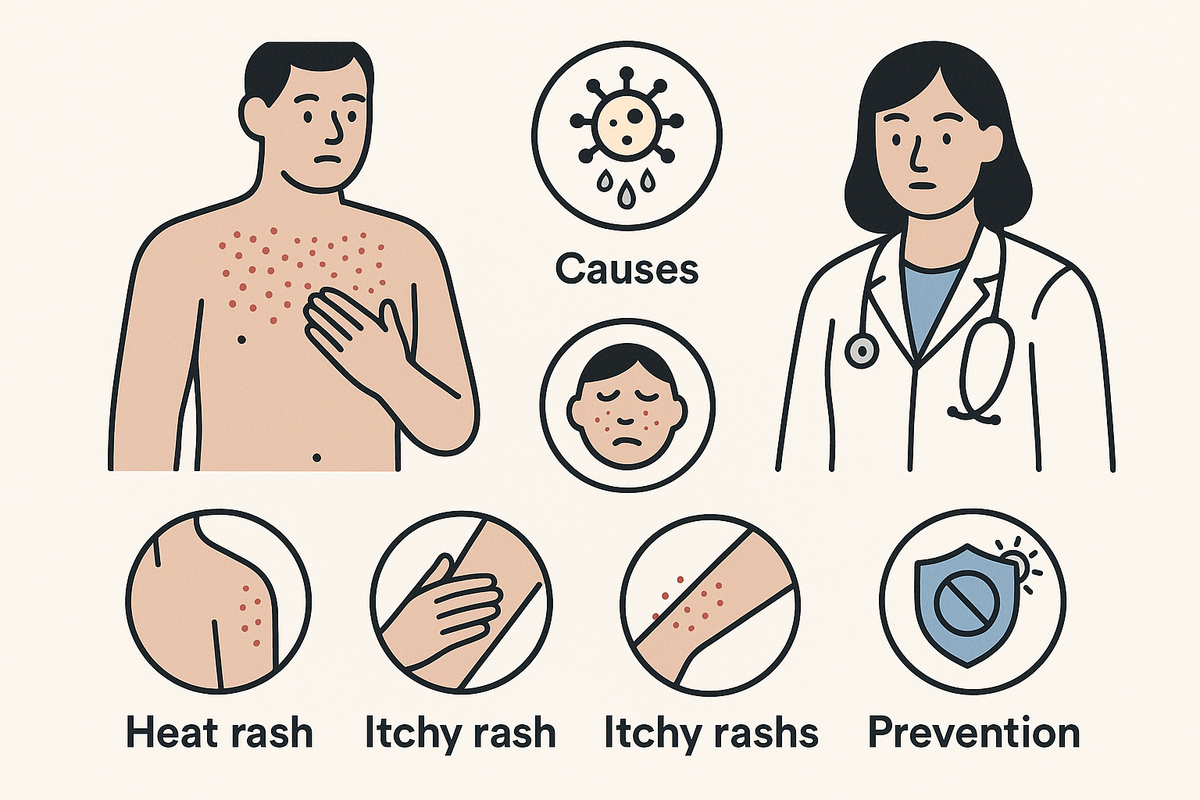
Learn about rash on chest, including causes, symptoms, treatments, and when to see a doctor. Understand heat rash, itchy rashes, and prevention tips.

Estimated reading time: 13 min
Key Takeaways
- A rash on the chest can have many causes, from allergies and heat to infections and medical conditions.
- Symptoms, patterns, and associated discomfort can help suggest the type of rash and whether medical attention is needed.
- Home remedies and over-the-counter treatments may help some mild rashes, but severe or spreading rashes require a doctor’s evaluation.
- Prevention focuses on gentle skincare, avoiding triggers, and managing moisture.
- Children and adults can experience chest rashes differently; proper diagnosis is important for both.
Table of Contents
- Section 1: Understanding Rash on Chest – Common Causes
- Section 2: Recognizing Rash Patterns and Symptoms
- Section 3: Distinguishing Specific Chest Rash Conditions
- Section 4: Home Remedies and Over-the-Counter Treatments
- Section 5: When to Seek Medical Attention
- Section 6: Prevention Strategies for Chest Rashes
- Conclusion
- FAQ
Section 1: Understanding Rash on Chest – Common Causes
Allergens and Irritants
A rash on the chest often develops from skin’s exposure to allergens or irritants. Common culprits include:
- Soaps, detergents, or perfumes: Fragrances and harsh chemicals can irritate sensitive chest skin, causing redness, itchiness, or even peeling. Some people may notice a rash within hours of contact, while others develop symptoms after repeated exposures. Dyes in laundry detergents can also be problematic.
- Metals: Jewelry made of nickel or other metals around the neck and chest may trigger allergic contact dermatitis. Even clasps or fasteners on bras and necklaces can be sources.
- Fabrics: Synthetic materials (like polyester or nylon) or rough clothing can chafe skin, especially when combined with sweat or humidity. Tight bras or athletic wear are common triggers for rashes under and between breasts in women.
- Personal care products: Sunscreens, lotions, and topical ointments sometimes contain preservatives or fragrances that provoke reactions on the chest, a relatively sensitive area.
Heat and Sweat
Heat rash on chest (miliaria) is common, especially in hot, humid weather or after exercise. Sweat ducts can become blocked, leading to tiny red bumps, itching, and discomfort. Children, athletes, and those who sweat excessively may be at higher risk. The rash often appears as:
- Small, pinhead-sized red spots or clear bumps.
- Clusters of bumps in areas with tight clothing or skin folds, such as between breasts, under the chest, or along the bra line.
- Prickly or stinging sensation that worsens with continued sweating.
Common situations that trigger heat rash include sleeping under heavy blankets, intense workouts, or working outdoors in the summer.
Infections
Both viral and bacterial infections can cause a red rash on chest. Recognizing infectious rashes is important because some spread rapidly or require specific treatment.
- Viral: Chickenpox (varicella) often starts with a fever, then small, fluid-filled blisters on the chest and back. Shingles (herpes zoster) can cause a painful, band-like rash on one side of the chest, usually in older adults or those with weakened immunity. Viral exanthems (widespread rashes triggered by viruses such as measles or enteroviruses) may also involve the chest.
- Bacterial: Cellulitis, a deep skin infection, may start as a red, warm, tender area that spreads quickly. Impetigo, more common in children, produces honey-colored crusts and can affect the chest if bacteria enter through minor cuts or insect bites.
- Fungal: Yeast (Candida) thrives in warm, moist areas such as under or between breasts. The rash is usually red, sometimes with satellite pustules (small white bumps) and mild scaling. People with diabetes or on antibiotics may be at higher risk.
Recognizing the signs of infection—such as pus, swelling, or severe pain—is important, since these rashes may require prescription medications.
Drug Reactions
Some medications can cause a drug rash, often starting as red, itchy spots on the torso. Antibiotics (such as penicillins or sulfa drugs), anticonvulsants, and certain blood pressure medications are among those that can cause this. The rash may be accompanied by fever or joint pain, and can progress to more severe reactions such as Stevens-Johnson syndrome (rare but serious). For more information on drug-induced rashes and how to identify them, see Drug Rash: Causes, Symptoms, and How to Identify It.
It’s important to note if a new rash appears within days to weeks of starting a new medication, and to inform your healthcare provider promptly.
Section 2: Recognizing Rash Patterns and Symptoms
Visual Identification: Color, Pattern, and Texture
Identifying a rash on the chest starts with carefully examining its appearance. Consider these features:
- Color: Most chest rashes are red or pink, but they may turn purple, brown, or even pale in the healing phase. In people with darker skin, rashes may appear more as dark brown or purple rather than red.
- Pattern: Some rashes appear as linear streaks (from scratching or contact with plants like poison ivy), round or oval patches (as in pityriasis rosea), or clustered bumps (as in heat rash). Others might form rings (tinea corporis or ringworm).
- Texture: Rashes may be flat (macular), raised (papular), scaly or rough (as in eczema), or have fluid-filled blisters or pustules (as in chickenpox or impetigo). Some chronic conditions, like eczema or psoriasis, can cause thickened, leathery plaques.
- Borders: Well-defined borders are common in allergic contact dermatitis (like a rash that matches a necklace), while more diffuse edges may occur with infections or eczema.
Associated Symptoms
Besides color and shape, note if you experience:
- Itching: Very common, especially with eczema, heat rash, or allergic reactions. Persistent scratching can worsen skin damage or cause secondary infection.
- Burning or pain: Can signal infection (such as shingles or cellulitis) or more severe inflammation. Pain out of proportion to appearance can be a warning sign.
- Discomfort between breasts or under folds: Moisture and friction worsen these areas, promoting fungal overgrowth or intertrigo. This can lead to soreness, odor, and sometimes skin breakdown.
- Swelling: May indicate an allergic response (angioedema) or infection. Swelling that progresses rapidly, especially with shortness of breath or facial involvement, should be treated as an emergency.
- Systemic symptoms: Fever, chills, fatigue, or body aches may suggest a viral or bacterial cause.
Photographing Your Rash
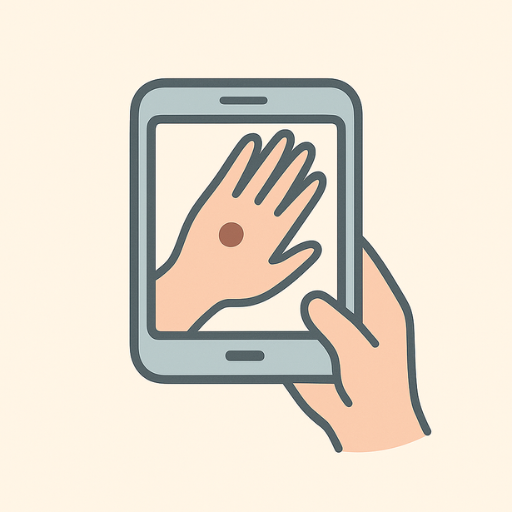
Catching the changing appearance of a chest rash is helpful for tracking its progress and sharing information with your healthcare provider. Tools like Rash Detector allow you to upload photos for instant, AI-driven analysis and guidance. Here’s what a sample report might look like:
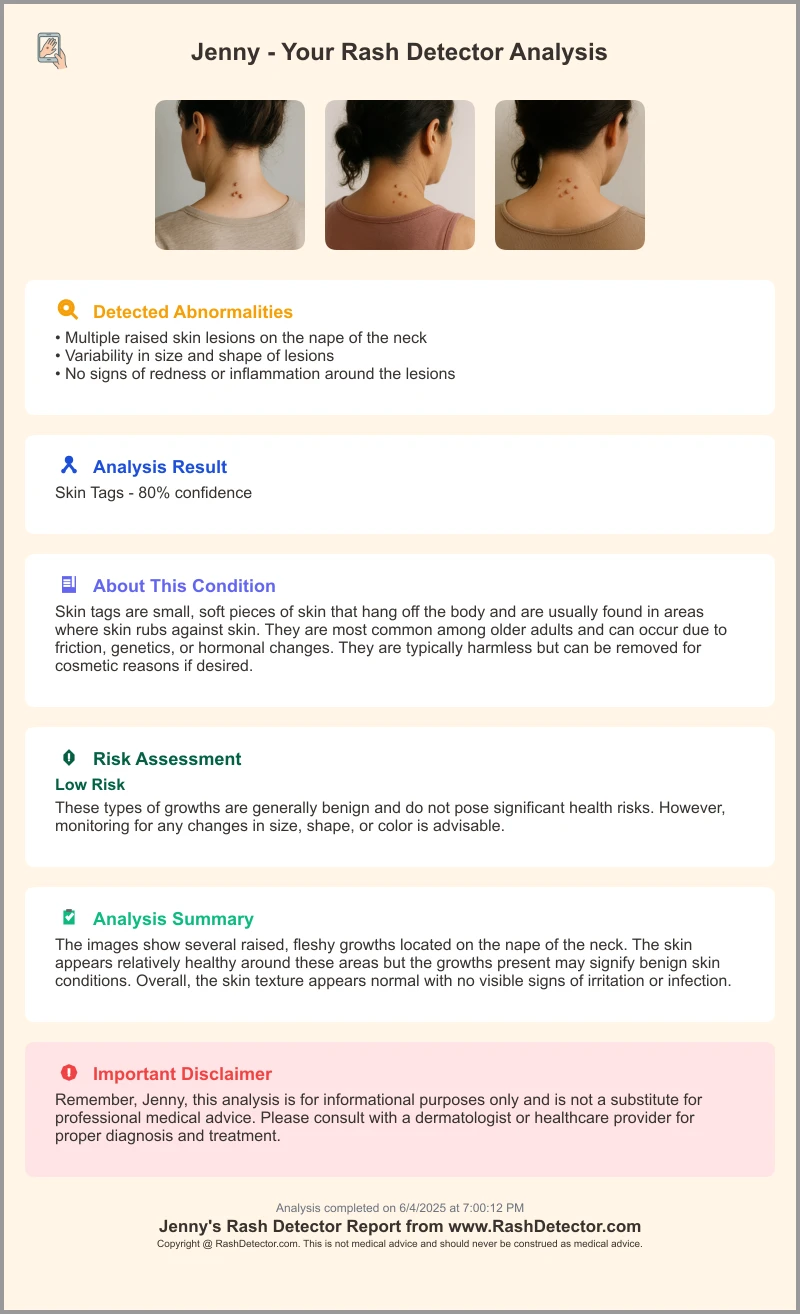
When photographing your rash for documentation or telemedicine consultations, follow these tips:
- Use natural light if possible; avoid colored lighting that can distort the appearance.
- Take pictures from several angles and distances—close up for detail, further away to show the area of distribution.
- Repeat daily if the rash is changing or spreading.
This record can be helpful for tracking improvement or progression, and for sharing with your healthcare provider if needed.
Section 3: Distinguishing Specific Chest Rash Conditions
Pityriasis Rosea (Christmas Tree Rash)
This distinctive rash often starts with a single large, oval “herald patch” on the chest, followed by smaller, scaly patches that spread in a Christmas tree pattern along the lines of the ribs. Pityriasis rosea is most common in young adults and typically resolves on its own within several weeks. The cause is not fully understood but is thought to be viral in origin.
- Symptoms: Pink or tan oval patches, mild to moderate itching (worse with heat or sweating).
- Location: Often begins on the chest, then spreads to the back, abdomen, and sometimes upper arms or thighs.
- Other features: Occasionally, a mild sore throat or fatigue may occur at the start. The rash is generally not considered contagious.
Eczema (Atopic Dermatitis)
Eczema can cause dry, itchy, inflamed patches on the chest, especially in people with a history of allergies, asthma, or hay fever. Flare-ups may be seasonal or triggered by stress, sweating, harsh soaps, or cold weather.
- Appearance: Redness, scaling, thickened skin (lichenification) in chronic cases.
- Itch: Often severe, leading to scratching and sometimes open sores or secondary infection.
- Triggers: Stress, hot showers, certain fabrics, or sudden weather changes.
- In children: Eczema may appear as crusty patches on the chest, cheeks, or limbs.
Contact Dermatitis
This is a red, itchy rash resulting from direct skin contact with an allergen or irritant. It may appear as a well-defined area matching the shape of the triggering object (such as a necklace, bra, or adhesive tape). There are two main types:
- Allergic contact dermatitis: Triggered by substances like nickel, fragrances, preservatives, or latex. Reactions may take 24–72 hours to appear after exposure.
- Irritant contact dermatitis: Results from repeated friction, sweat, or chemical exposure (like soaps or cleaning agents). The rash often appears more quickly and is usually less itchy but more painful or burning.
- Symptoms: Itchy rash, sometimes with blisters, oozing, or crusting. Severe reactions can cause swelling.
- Management: Avoidance of triggers, gentle skin care, topical steroids for relief. Recovery is usually quick if exposure is stopped.
Other Notable Conditions
- Heat rash on chest: Tiny red bumps, prickly or stinging sensation, worsens with sweat or tight clothing. More common in infants, athletes, and those living in hot climates. Learn prevention tips in How to Prevent Heat Rash: Practical Tips for Every Season.
- Fungal infections (intertrigo): Red, sometimes scaly rash between breasts or under the chest, often with a sour odor and white, soggy edges. Risk factors include obesity, diabetes, excessive sweating, and wearing tight bras. Skin breakdown can lead to secondary bacterial infections.
- Hives (urticaria): Raised, itchy welts that appear suddenly, often in response to allergies, medications, or heat. Hives may migrate across the chest and resolve within 24 hours, but new ones may appear elsewhere.
- Serious conditions: Rarely, a persistent or rapidly changing rash could signal inflammatory breast cancer (characterized by redness, swelling, and skin thickening) or vasculitis (blood vessel inflammation causing purple spots or bruising). These require prompt medical attention and further evaluation.
- Psoriasis: Can involve the chest as well, presenting as thick, silvery scales on red plaques. Psoriasis is a chronic autoimmune condition that may also affect elbows, knees, and scalp.
Because many rashes can appear similar, proper diagnosis by a healthcare provider or dermatologist is sometimes necessary, especially for unusual, severe, or persistent rashes.
Section 4: Home Remedies and Over-the-Counter Treatments
General At-Home Care
For mild cases, self-care may bring relief from a rash on the chest. These steps are generally considered safe for non-severe, non-infectious rashes:
- Keep the area clean and dry: Gently wash with mild, fragrance-free soap and lukewarm (not hot) water. Avoid scrubbing the rash, and pat dry with a soft towel—don’t rub.
- Avoid known triggers: Switch to hypoallergenic skin products and wear loose, breathable clothing made from natural fibers (like cotton). Launder clothes with fragrance-free, dye-free detergents.
- Minimize sweating: Stay cool, use fans or air conditioning, and change out of sweaty clothes promptly. Shower after exercise or outdoor activity.
Soothing Itch and Redness
- Cool compresses: Apply a clean, damp washcloth or ice pack (wrapped in a towel) for 10–15 minutes at a time to help calm inflammation and itching. Repeat as needed throughout the day.
- Oatmeal baths: Add colloidal oatmeal to a lukewarm bath to ease discomfort from itchy rash on chest. This is sometimes helpful for eczema, chickenpox, or allergic rashes.
- Moisturizers: Use fragrance-free, gentle creams or ointments (such as petroleum jelly or ceramide-based moisturizers) after bathing to lock in moisture and prevent dryness. Apply at least twice daily.
- Avoid scratching: Keeping nails trimmed and wearing loose clothing can help reduce trauma from scratching. Consider cotton gloves for children at night.
Using Over-the-Counter Products
- Hydrocortisone cream (1%): May help reduce itching and inflammation. Apply a thin layer to the affected area 1–2 times daily, but use no longer than 1–2 weeks unless advised by a doctor, as overuse can thin the skin.
- Antifungal creams: For rashes suspected to be fungal (red, scaly, itchy, especially between skin folds), topical antifungal agents like clotrimazole or miconazole may be used for 2–4 weeks. Keep the area dry and avoid occlusive clothing during treatment.
- Antihistamines: Non-drowsy options (like loratadine or cetirizine) can help with allergic itch during the day, while diphenhydramine (Benadryl) may be useful at night for sleep. Always follow package instructions.
- Barrier creams and powders: Zinc oxide ointment or talc-free powders can help prevent chafing and moisture in skin folds, especially under the breasts.
For more detailed product recommendations and how to choose, read Best Anti Itch Cream: Top Picks and How to Choose. If your rash is related to medications, see Skin Rash Treatment: Effective Solutions and Smart Tools for tailored guidance.
Important: If you notice blisters, open sores, spreading redness, or if symptoms don’t improve within a few days, consult a healthcare professional before trying new treatments. Avoid using strong topical steroids or home remedies not recommended for your skin type or age group.
Section 5: When to Seek Medical Attention
Red Flags and Urgent Symptoms
While many chest rashes are mild, certain signs require prompt evaluation by a healthcare professional or dermatologist:
- Fever or chills accompany the rash (may indicate infection or a more serious underlying illness).
- Rapidly spreading redness or swelling, which can signal cellulitis or an allergic reaction.
- Blistering, open sores, or crusting, especially if painful or oozing pus.
- Severe pain, burning, or tenderness—pain that feels out of proportion to the rash’s appearance may be a warning sign.
- Shortness of breath, swelling of the face or tongue (possible sign of anaphylaxis or severe allergy).
- Purple spots or bruising with no clear cause, which may indicate vasculitis or a bleeding disorder.
- Rash appearing suddenly after starting a new medication or food.
Persistent or Recurring Rashes
- Rashes lasting more than two weeks without improvement, even with home care.
- Recurring itchy rash on chest despite avoidance of known triggers or consistent use of over-the-counter treatments.
- Signs of infection: pus, foul odor, skin warmth, or increased tenderness.
- Rashes with systemic symptoms like weight loss, night sweats, or unexplained fatigue.
Special Considerations
- Infants and children: Chest rashes can progress quickly and may be signs of viral illnesses, allergies, or infections. Consult a pediatrician for any rapidly spreading or persistent rash, especially if accompanied by fever, poor feeding, or lethargy.
- Breast changes: A new rash between breasts or on the breast with dimpling, swelling, thickening, or nipple changes should be evaluated to rule out underlying disease (such as inflammatory breast cancer or mastitis).
- Immunocompromised individuals: People with weakened immune systems (due to cancer, HIV, or medications) are at higher risk for severe infections and should seek care promptly for any new or unusual skin changes.
If you’re unsure about your symptoms or the rash’s cause, use Rash Detector as an initial guide, but always follow up with a healthcare provider for diagnosis and treatment. This article is for general information only and is not a substitute for professional medical advice. For diagnosis and treatment, especially for severe, spreading, painful, or persistent symptoms, see a doctor or dermatologist.
Section 6: Prevention Strategies for Chest Rashes
Gentle Skincare Habits
- Use fragrance-free soaps and moisturizers to minimize irritation. Look for labels such as “hypoallergenic” or “for sensitive skin.”
- Avoid scrubbing or harsh exfoliants on chest skin, as these can damage the skin barrier and increase sensitivity to irritants or allergens.
- Pat skin dry after bathing, focusing on folds and under breasts, to prevent moisture buildup and fungal growth.
- Moisturize daily, especially after showers, to maintain a healthy skin barrier and reduce dryness that can lead to itching or eczema.
Managing Moisture and Heat
- Wear loose, light clothing, especially in hot weather, to allow sweat to evaporate and help prevent overheating.
- Change out of sweaty clothes promptly after exercise or outdoor activity. Sports bras and synthetic fabrics can trap sweat—opt for moisture-wicking, breathable materials.
- Use powder (talc-free) or moisture-wicking fabrics to help prevent friction and sweat buildup, particularly for those prone to rash between breasts or under the chest. Cornstarch-based powders can also help, but avoid if there’s already a fungal rash.
- Shower after sweating heavily, and dry all skin folds thoroughly before dressing.
Avoiding Triggers
- Test new skin products on a small area before full use to check for delayed allergic reactions (patch testing).
- Be cautious with jewelry and new fabrics on sensitive skin; opt for nickel-free metals and soft, natural fibers.
- Keep track of any recent medication changes, as drug reactions can present with a rash on the chest and back. For more, see Rash from Medication: Causes, Symptoms & Next Steps.
- Avoid sharing towels, clothing, or personal care products, especially if someone in your household has a contagious skin condition.
Regular Self-Exams
Performing regular skin self-exams can help catch changes early and monitor for new or unusual rashes. For a step-by-step guide, visit How to Do a Skin Self Exam at Home: A Step-by-Step Guide. Tips include:
- Check your chest, under breasts, and all skin folds monthly for new rashes, spots, or color changes.
- Use a mirror or ask a partner to help inspect hard-to-see areas.
- Document any changes with photographs for comparison.
If you notice a persistent or changing rash, consult a healthcare provider for evaluation.
Conclusion
A rash on the chest can be unsettling, but understanding the possible causes, symptoms, and treatments can help you take the right steps. Whether it’s an itchy rash on chest from eczema, a heat rash between breasts, or a red rash on chest due to an allergic reaction, many cases improve with gentle care and avoidance of triggers. However, always seek prompt medical attention for severe, spreading, painful, or persistent rashes—especially those with fever, swelling, or systemic symptoms. For instant analysis and peace of mind, try uploading your rash photos to Rash Detector and get AI-powered guidance. Your skin’s health is worth it!
Remember: This article provides general educational information and is not a substitute for professional medical advice. For diagnosis and treatment, especially for severe or persistent symptoms, consult a doctor or dermatologist.
FAQ
Q: What causes a rash on the chest and how do I treat it?
A: Chest rashes can result from allergies, irritants, heat, infections, or drug reactions. Treatment depends on the cause, but often includes gentle cleansing, moisture control, and over-the-counter creams. See a healthcare provider for severe or persistent rashes.
Q: Is a chest rash always a sign of something serious?
A: No, many chest rashes are mild and resolve with home care. However, rashes that are painful, spreading, accompanied by fever, or not improving should be evaluated by a doctor.
Q: What does pityriasis rosea look like on the chest?
A: Pityriasis rosea usually starts as a single oval “herald patch” on the chest, followed by multiple smaller, scaly patches in a Christmas tree pattern. It’s often pink or tan and mildly itchy.
Q: When should I see a doctor for a rash on my chest?
A: Seek medical attention if the rash is rapidly spreading, blistering, extremely painful, accompanied by fever, or if you notice swelling of the face/tongue or purple spots. Also, see a doctor if it persists more than two weeks or recurs frequently.
Q: Can stress cause a rash on the chest?
A: Yes, stress can trigger or worsen certain rashes such as eczema or hives, leading to an itchy rash on chest. Managing stress and practicing gentle skincare may help reduce flares.
Q: What are the symptoms of contact dermatitis on the chest?
A: Contact dermatitis typically causes redness, itching, and sometimes blistering in areas that touched an allergen or irritant. The rash may be sharply defined, matching the shape of the triggering item (like a necklace or bra).