Rash Identifier: How to Quickly Identify Skin Rashes
Learn how a rash identifier helps you analyze skin rashes instantly. Discover top tools, tips, and expert guidance for fast, accurate skin rash detection.
Estimated reading time: 7 min
Key Takeaways
- Rash identifier tools can quickly analyze skin rashes for possible causes.
- AI-powered apps like Rash Detector offer instant, personalized guidance.
- Uploading clear images enhances accuracy in rash identification.
- Knowing when to seek professional care is essential for your health.
Table of Contents
- Section 1: What Is a Rash Identifier?
- Section 2: How Rash Identifier Apps Work
- Section 3: Benefits and Limitations
- Section 4: Getting the Most Accurate Results
- Section 5: When to Seek Professional Help
- Conclusion
- FAQ
Section 1: What Is a Rash Identifier?
Understanding Rash Identifier Tools
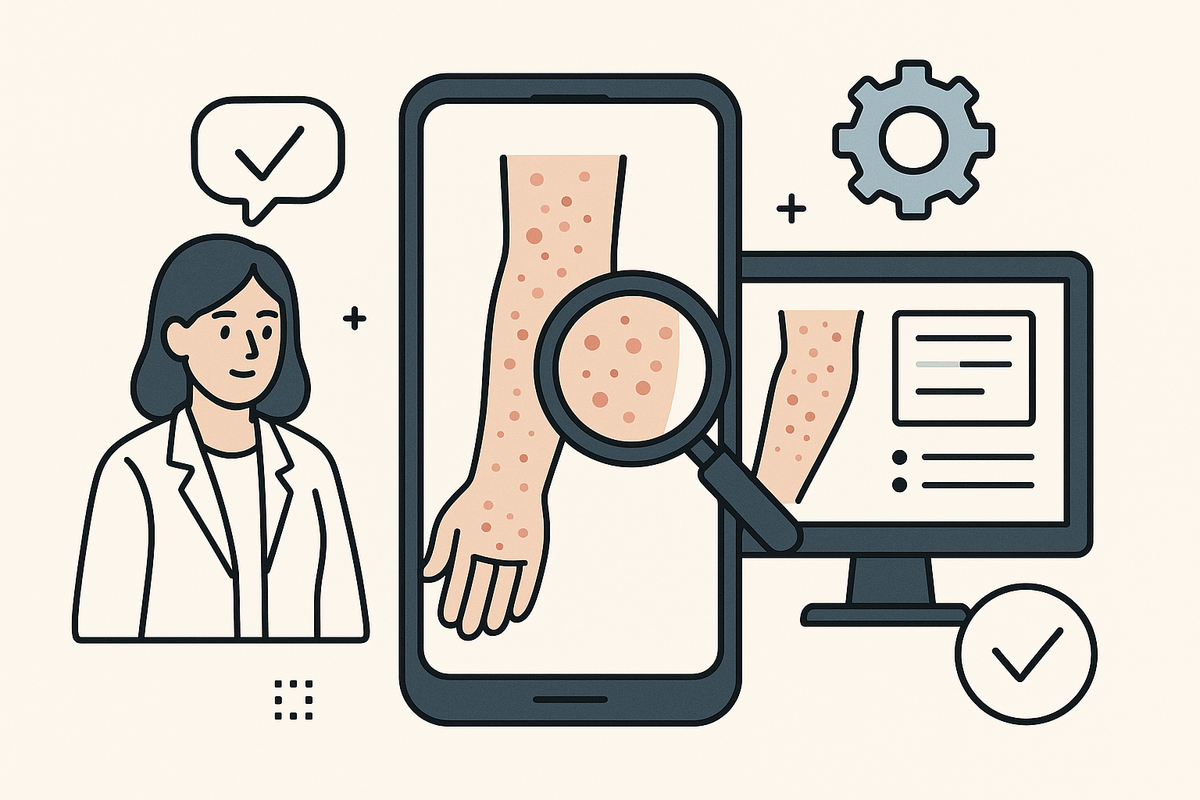
A rash identifier is a digital tool or app designed to help users analyze and identify skin rashes using technology—often artificial intelligence (AI). By uploading clear images of a skin condition, users receive instant feedback on possible causes and next steps.
- AI and machine learning help recognize patterns in skin rash images.
- Most rash identifiers focus on common skin issues: eczema, hives, drug rashes, and allergic reactions.
- They offer guidance but are not a substitute for medical advice.
Why People Use Rash Identifiers
Many users turn to rash identifier apps for:
- Fast, on-demand insights into unexplained rashes.
- Privacy and convenience—no waiting rooms or appointments.
- Initial recommendations before seeing a healthcare provider.
Section 2: How Rash Identifier Apps Work
The Image Analysis Process
Most modern rash identifier tools use a simple workflow:
- Snap 2–3 high-quality photos of the affected skin area.
- Upload images to the app—such as Rash Detector.
- The AI compares your photos with a database of skin conditions.
- Within seconds, you receive a preliminary report with possible causes and recommended actions.
Key Features of Rash Detector
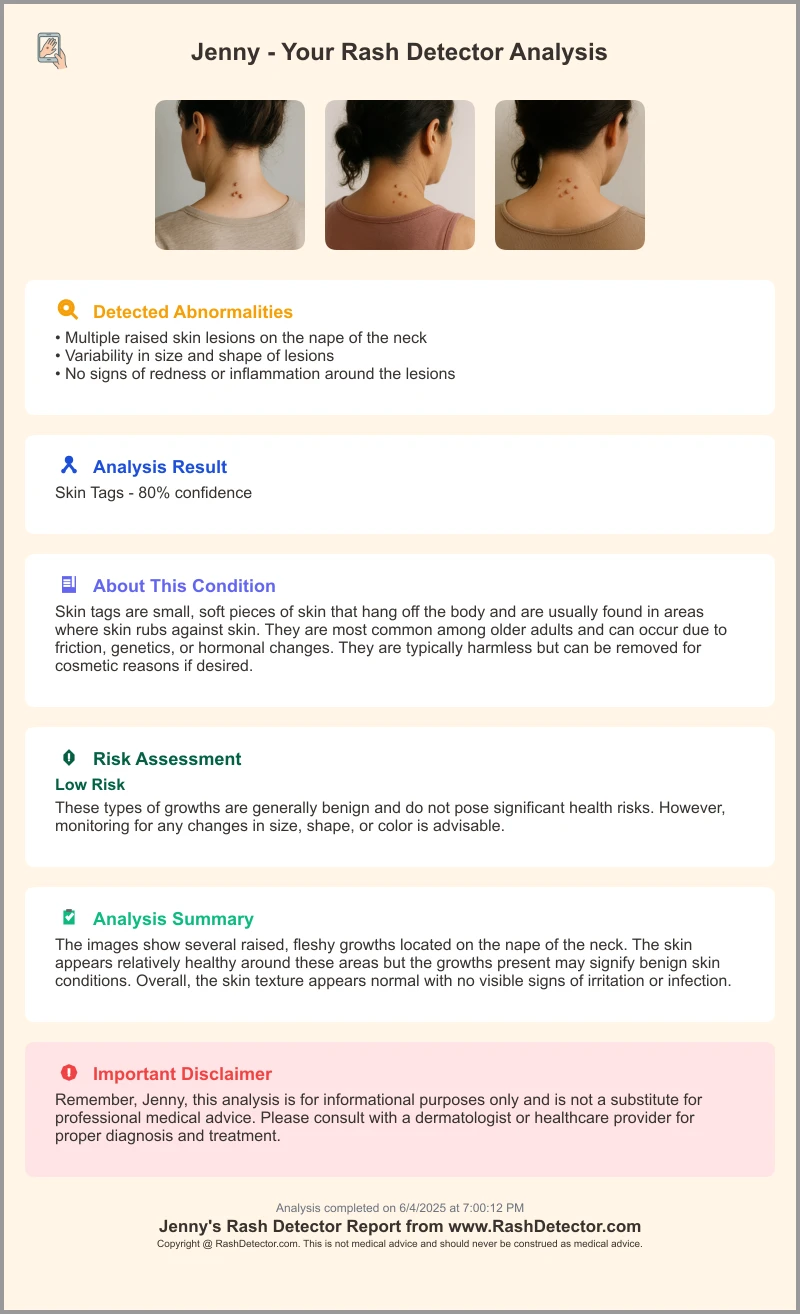
Rash Detector stands out by letting you upload three images to enhance accuracy. Its instant analysis is powered by advanced AI trained on thousands of real skin cases. The results highlight likely conditions, urgency, and practical next steps.
Related Resources
If you're curious about specific rash types, check out our guide on how to identify a drug rash for detailed symptom checklists and examples. This can help you compare your findings from any rash identifier app.
Section 3: Benefits and Limitations
Advantages of Using a Rash Identifier
- Speed: Get preliminary answers in seconds, not days.
- Accessibility: No need for immediate appointments or waiting in clinics.
- Empowerment: Understand your skin symptoms and take informed action.
Limitations to Consider
- Not a diagnosis: Rash identifiers provide guidance, not medical diagnoses.
- Image quality matters: Blurry or poorly lit photos can reduce accuracy.
- Complex cases: Some rashes need lab tests or in-person exams for a definitive answer.
When a Rash Identifier Is Most Useful
- For common, non-emergency skin issues like mild allergic reactions or minor irritations.
- As a supplemental tool before consulting a healthcare professional.
- For tracking rash changes over time with photo documentation.
Section 4: Getting the Most Accurate Results
Best Practices for Rash Identifier Apps
- Ensure good lighting and focus when taking photos.
- Upload images from multiple angles if possible.
- Use clean skin—avoid makeup, lotions, or bandages during photography.
Tips for Consistent Analysis
- Track your rash’s evolution by uploading new images over a few days.
- Take notes on symptoms like itching, pain, or spreading—many apps let you add this info.
- Combine digital reports with professional medical advice for comprehensive care.
Explore Further
If you're seeking relief while identifying your rash, our post on top anti-itch creams can help you manage discomfort as you use a rash identifier app.
Section 5: When to Seek Professional Help
Recognizing Urgent Symptoms
- Rapid rash spread, blistering, or severe swelling.
- Difficulty breathing, fever, or signs of infection.
- Rashes linked to new medications—see our guide on rashes from medication for more on this.
The Role of Dermatologists
While a rash identifier offers valuable initial insights, only a healthcare professional can provide a full diagnosis and treatment plan. Use digital analysis as a first step, but don’t delay seeking medical care for concerning symptoms.
Conclusion
Rash identifier technology empowers users to take charge of their skin health. AI-powered apps like Rash Detector deliver instant analysis by comparing your rash images with a robust medical database. While these tools provide valuable guidance, always consult a healthcare professional for persistent or severe symptoms. Try Rash Detector today to get fast answers and peace of mind—right from your phone.
FAQ
Q: How accurate are rash identifier apps?
A: Accuracy depends on image quality and the app’s database. Apps like Rash Detector use advanced AI for reliable preliminary analysis, but they don’t replace professional diagnosis.
Q: Can rash identifier apps detect all skin conditions?
A: No app can identify every skin issue, especially rare or complex diseases. They work best for common rashes and should be used as a supportive tool.
Q: Are my photos and data safe with rash identifier apps?
A: Leading apps prioritize user privacy and secure your data. Always review privacy policies before uploading sensitive images.