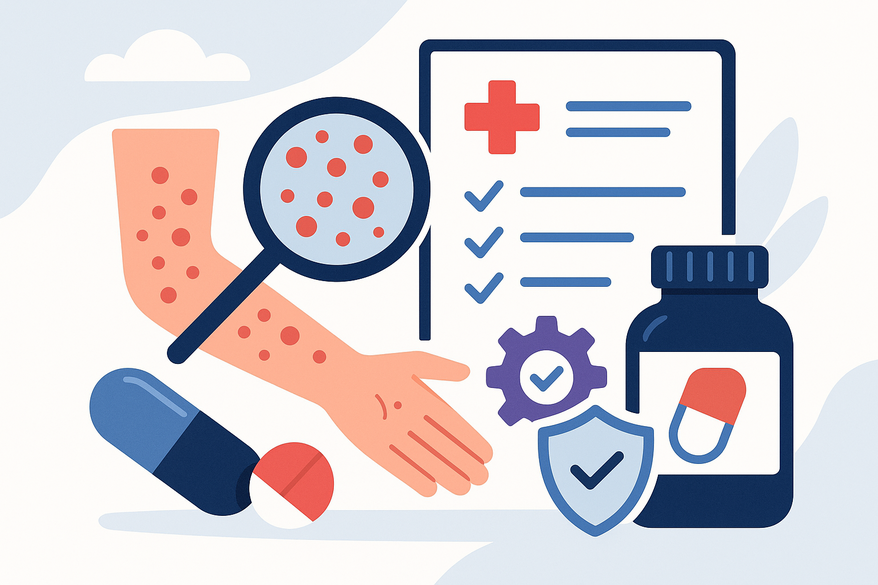
Medication Rash Treatment: Identify, Manage, and Prevent Drug-Induced Rashes
Learn how to identify, manage, and prevent medication-induced rashes effectively with our comprehensive treatment guide. Early intervention is key.
Estimated reading time: 8 minutes
Key Takeaways
- Medication-induced rashes are skin reactions from prescription, OTC, or supplement drugs.
- Early recognition and proper management prevent mild itching from becoming life-threatening.
- Diagnosis involves a detailed medication review, rash assessment, and ruling out other causes.
- Treatment ranges from OTC antihistamines for mild cases to emergency interventions for severe reactions.
- Preventive strategies and ongoing monitoring reduce the risk of recurrence.
Table of Contents
- Defining Medication-Induced Rashes
- Recognizing Signs and Symptoms
- Diagnostic Process for Medication-Induced Rashes
- Light Touch: AI-Powered Assessment
- Medication Rash Treatment Options
- Managing and Monitoring the Condition
- When to Seek Professional Help
- Conclusion & Call to Action
- FAQ
Defining Medication-Induced Rashes
A medication-induced rash (also called a drug rash or drug eruption) is any skin reaction from prescription drugs, over-the-counter medicines, or supplements. Understanding these reactions helps you know when to seek care. For a deep dive, check out our post on Identifying and Managing Drug-Induced Rash Symptoms.
Mechanisms of Drug Rashes
- Allergic reactions – an immune overreaction to a drug triggers redness, hives, or swelling.
- Non-allergic or toxic reactions – direct irritation or dose-related toxicity causes rash without immune involvement.
Common Types of Medication-Induced Rashes
- Morbilliform rash: flat or slightly raised red spots that merge, usually starting on the trunk.
- Hives (urticaria): raised itchy welts that appear and vanish quickly; may signal anaphylaxis.
- Fixed drug eruption: dark red or purple patch that recurs at the same site each time the drug is taken.
- Severe cutaneous adverse reactions (SCARs):
– Stevens–Johnson syndrome (SJS) / Toxic epidermal necrolysis (TEN): blistering, peeling skin, mucosal sores.
– DRESS (Drug Rash with Eosinophilia and Systemic Symptoms): widespread rash plus fever, swollen lymph nodes, organ involvement.
Frequently Implicated Medications
- Antibiotics (penicillins, sulfa drugs)
- Anti-seizure medications (phenytoin, carbamazepine)
- Non-steroidal anti-inflammatory drugs (ibuprofen, naproxen)
Recognizing Signs and Symptoms
Early recognition of medication-induced rash signs can save lives. Watch for:
- Red, pink, or purple spots, bumps, or patches
- Intense itching or burning
- Hives that appear and disappear
- Peeling, scaling, or dry cracked skin
- Swelling of face, lips, or eyes
- Fever, chills, or joint aches
Seek urgent care if you have warning signs like blistering, mucosal involvement, fever, or breathing difficulty.
Diagnostic Process for Medication-Induced Rashes
- Detailed Medication Review – List all prescription, OTC, herbal, and supplement products with start dates.
- Rash Assessment – Note morphology (flat spots, hives, target lesions) and distribution.
- Rule Out Other Causes – Infections, contact dermatitis, autoimmune or other skin disorders.
- Drug Withdrawal Trial – Stop suspected drugs under medical guidance and monitor for improvement.
- Additional Testing – Skin biopsy for severe cases; allergy testing for confirmation.
Consult a healthcare professional for any new rash during medication use. If warning signs appear, go to urgent care or the ER.
Light Touch: AI-Powered Assessment
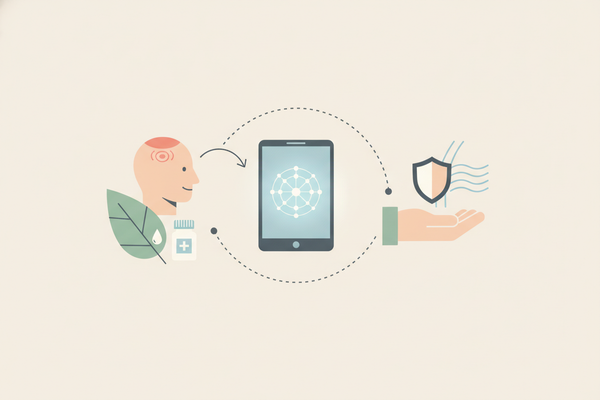
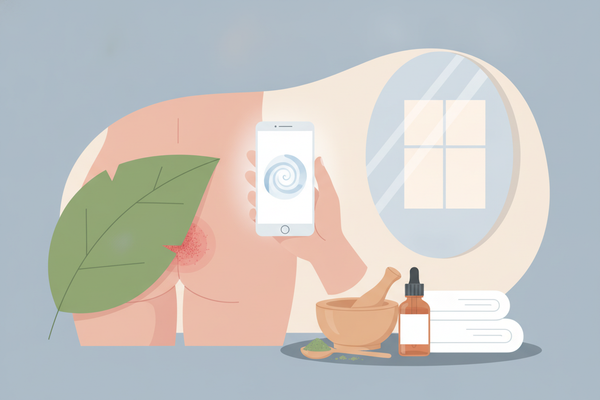
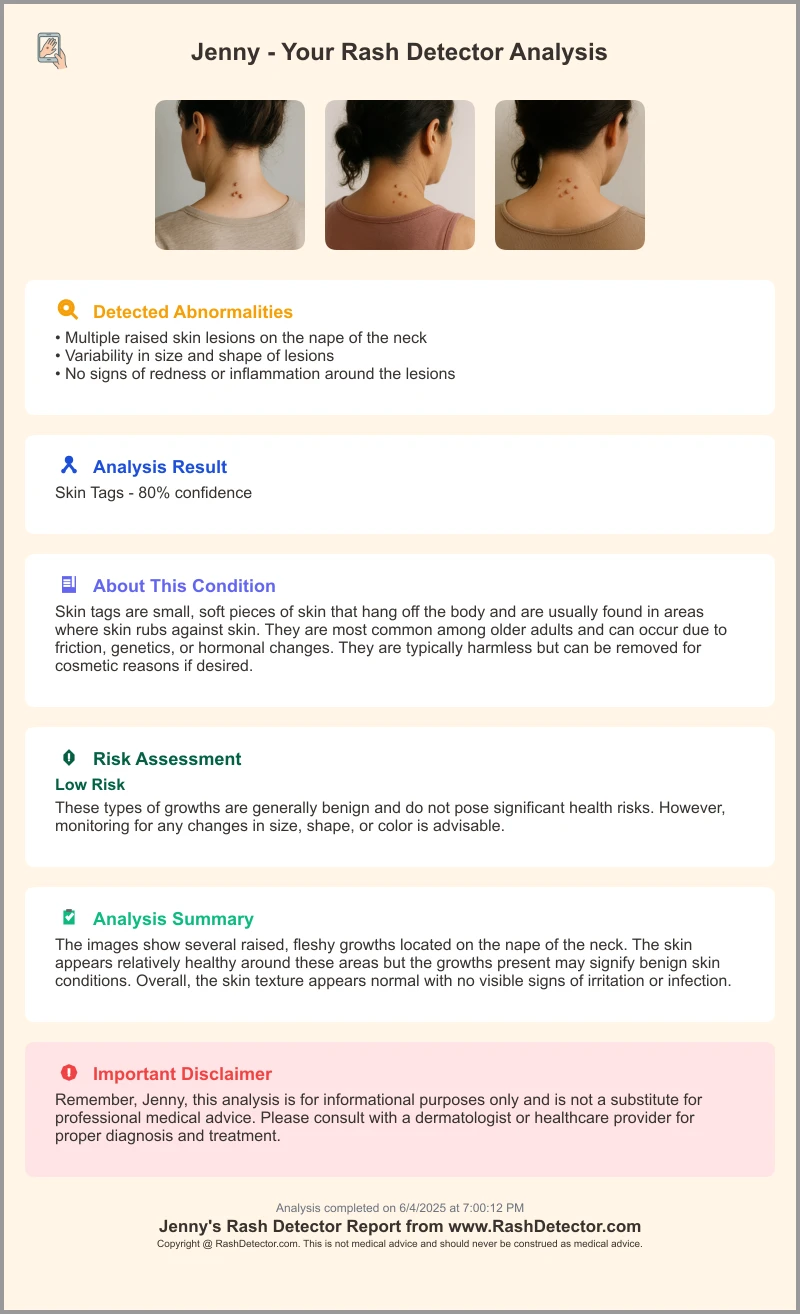
With the Rash Detector app, you can upload photos and receive an instant, AI-driven analysis summarized in a detailed sample report.
Medication Rash Treatment Options
Choosing the right treatment depends on severity and type of reaction. For more on managing complex drug allergy cases, see our guide on Managing Drug Allergy Rash.
- Discontinue the Offending Drug – Never stop critical medications without clinician approval; replace with unrelated alternatives when possible.
- OTC Treatments for Mild Reactions
– Oral antihistamines (diphenhydramine, cetirizine, loratadine)
– Topical hydrocortisone 1% cream
– Fragrance-free moisturizers, cool compresses - Prescription Therapies for Moderate/Severe Rashes
– Stronger corticosteroid creams/ointments
– Scheduled or higher-dose oral antihistamines
– Systemic corticosteroids for extensive involvement - Emergency Treatments for Anaphylaxis and SCARs
– Epinephrine injection
– IV antihistamines and corticosteroids
– ICU care for SJS/TEN - Lifestyle & Home Measures
– Loose, breathable clothing; cool baths; gentle cleansers
– Avoid scratching to reduce infection risk - Preventive Strategies
– Permanently avoid the culprit drug and cross-reactive medications
– Record allergies in medical records and wear a medical alert bracelet
Managing and Monitoring the Condition
- Daily Self-Monitoring – Track rash size, spread, and symptoms.
- Adherence to Treatment – Complete the full course; never stop systemic steroids abruptly.
- Follow-Up Visits – Confirm resolution and adjust medications as needed.
- Update Personal Allergy List – Share updates with all healthcare providers.
- Reassessment if Needed – Consult a specialist for persistent or worsening rash.
When to Seek Professional Help
Emergency red flags include breathing difficulty, facial swelling, blistering, and high fever. Seek same-day care for new or severe rashes without emergency signs. Prepare for your appointment with a timeline of medications, rash photos, and a full list of supplements.
Conclusion & Call to Action
Most medication-induced rashes improve once the triggering drug is stopped and treated with antihistamines, corticosteroids, and supportive skin care. Severe reactions require urgent medical attention. Early identification, careful monitoring, and appropriate treatment help prevent complications and protect your health.
ウィッグの候補を比べる場合は、毛質、耐熱性、長さ、セットのしやすさを同じ基準で確認しましょう。具体的な候補を確認する場合は、空崎ヒナ コスプレウィッグから関連する商品や情報を比較できます。本番前に着用して撮影し、照明による色の見え方を確認しておくと安心です。
If you notice a rash while on any medication, contact your healthcare provider promptly. Seek emergency care for warning signs, and consider leveraging AI tools like the Skin Rash App for preliminary assessments.
FAQ
- How quickly do medication rashes appear?
Symptoms can develop within hours to days after starting a new drug; some reactions may take weeks. - What’s the difference between allergic and toxic drug reactions?
Allergic reactions involve the immune system (e.g., hives), while toxic reactions result from direct irritation or overdose. - Can I prevent drug rashes?
Avoid known allergens, review cross-reactivity, and inform providers of all allergies before starting a new medication. - When should I see a doctor?
Consult a healthcare professional for any new rash during medication use, especially if accompanied by fever or swelling. - Are there long-term skin changes after severe reactions?
Severe reactions like SJS/TEN can leave scarring or pigmentation changes; early treatment reduces long-term effects.