Medication Rash Treatment: Recognize, Treat, and Prevent
Learn how to recognize, treat, and prevent medication-induced rashes with effective strategies for safe drug use and symptom relief.

Estimated reading time: 6 minutes
Key Takeaways
- Wide spectrum: Drug-induced rashes can range from mild itching to life-threatening conditions like SJS/TEN or anaphylaxis.
- Early action: Prompt identification and discontinuation of the offending drug reduce complications.
- Common culprits: Antibiotics, anticonvulsants, NSAIDs, allopurinol, and psychotropics often trigger reactions.
- Diagnostic tools: Detailed history, rash diaries, photos, blood tests, and patch testing aid accurate diagnosis.
- Tiered treatment: From antihistamines and topical steroids for mild cases to systemic immunomodulators or burn‐unit care for severe reactions.
- Prevention: Maintain thorough documentation, communicate allergies, and introduce new medications cautiously.
Table of Contents
- Introduction
- Understanding Medication-Induced Rashes
- Recognizing Symptoms and Diagnosis
- Treatment Options
- Managing and Preventing Future Rashes
- Conclusion
Introduction
Medication rash treatment is a critical topic because drug-induced skin reactions range from mild itching to life-threatening emergencies such as Stevens–Johnson syndrome (SJS) or anaphylaxis. Early understanding helps you act quickly and safely. This guide will help you identify, manage, and prevent medication-induced rashes with clear explanations, actionable tips, and real-world examples. By the end, you’ll know how to spot warning signs, choose effective therapies, and communicate with healthcare providers for safer medication use. For the full guide, see Medication Rash Treatment Guide.
Understanding Medication-Induced Rashes
Define medication-induced rashes
A medication-induced rash is a skin reaction resulting from a drug’s side effect, allergic response, or increased sunlight sensitivity. It can be:
- Allergic (immune-mediated hypersensitivity)
- Non-allergic side effect
- Photosensitivity reaction
Timing of onset
- Immediate reactions: minutes after a dose
- Delayed reactions: days to weeks after starting therapy
- Antibiotics (penicillins, sulfonamides)
- Anticonvulsants (carbamazepine, lamotrigine)
- NSAIDs (ibuprofen, naproxen)
- Allopurinol and certain psychotropics
- History of drug allergies
- Genetic markers (e.g., HLA-B*1502 increases risk with some anticonvulsants)
- Concurrent infections or multiple medications (polypharmacy)
Recognizing Symptoms and Diagnosis
Common rash presentations
- Morbilliform (measles-like) pink or red spots on the trunk and limbs
- Hives (urticaria): itchy, raised welts that migrate
- Pruritus, burning, or stinging sensations
- Angioedema: swelling of lips, eyelids, or skin
- Dry, scaly, or peeling patches
- Blistering or sloughing skin
- Target or “bull’s-eye” lesions on palms, soles, or mucous membranes
- Systemic symptoms: fever, joint pain, malaise, difficulty breathing
Diagnostic approach
- Detailed clinical history: timeline, drug exposures, pattern of spread
- Rash diary and photographs (see how to track rash progress)
- Blood tests and organ panels when severe systemic signs arise
- Allergy or patch testing in select cases to confirm triggers
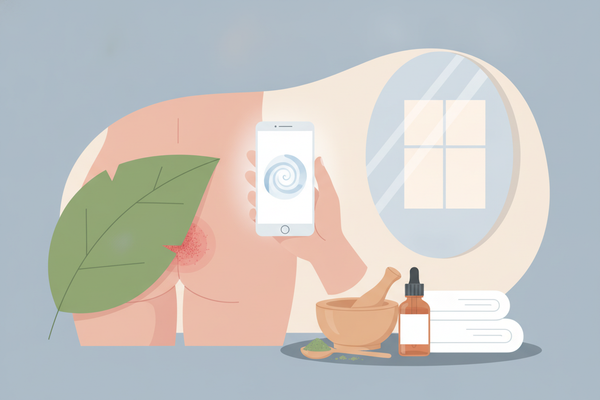
- Use a time-stamped image tool like the Rash Detector app for consistent photo documentation and instant analysis.
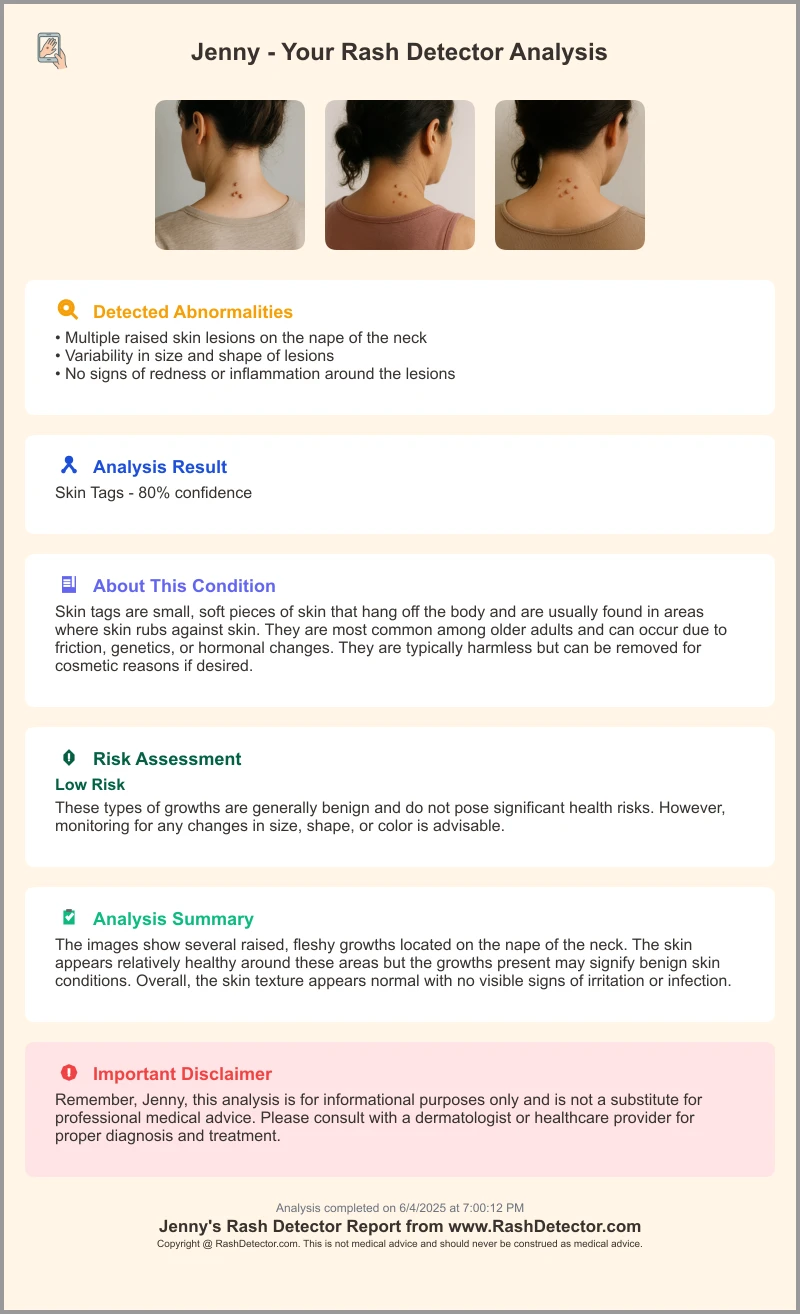
For more on identifying drug-related rashes, see identifying drug-induced rash symptoms.
Treatment Options
Core strategy
1. Discontinue offending drug under medical supervision
2. Relieve symptoms (itch, inflammation)
3. Escalate care for severe reactions
4. Prevent recurrence through documentation and communication
Conventional medical treatments
1. Drug discontinuation – primary intervention; rash often subsides once the medication stops
2. Mild to moderate rash care – oral antihistamines (cetirizine, diphenhydramine), topical corticosteroids (1% hydrocortisone), emollients and moisturizers
3. Severe reactions – systemic corticosteroids (oral or IV), immunomodulators (cyclosporine, IVIG), epinephrine for anaphylaxis, hospital/burn-unit care for SJS/TEN
Home remedies and supportive care (mild cases only)
通販で候補を探すときは、商品仕様、セット内容、発送予定日を確認しておくと安心です。サイズやセット内容を確認する場合は、五条悟 コスプレから候補を探せます。商品が届いたら内容を早めに確認し、必要な調整や追加準備を本番前に済ませましょう。
- Cool compresses or showers
- Fragrance-free cleansers and moisturizers
- Loose, breathable clothing
- Nail care to prevent scratching
- Avoid hot showers, harsh soaps, or abrasive scrubs
- Emergency: breathing difficulty, facial swelling, blistering, high fever
- Urgent: new rash days after starting a drug, persistent rash >1–2 weeks, severe itching
Managing and Preventing Future Rashes
Managing the current reaction
- Adhere to your prescribed treatment plan
- Attend follow-up visits to monitor resolution and catch delayed issues
- Specialists may check liver, kidney, and blood function for severe cases
- Maintain an up-to-date medication list with start/stop dates
- Record details of past drug rashes (drug name, reaction type, severity)
- Use a rash diary for new medications: onset, appearance, location, symptoms
- Begin new drugs at the lowest effective dose; monitor closely for 2–4 weeks
- Document drug allergies and reactions in medical, pharmacy, and personal records
- Ask providers about cross-reactivity within the same drug class
- Ensure all healthcare team members see your allergy history before prescribing
Conclusion
Effective medication rash treatment hinges on prompt recognition, safe discontinuation of the offending drug, and appropriate symptom relief, with rapid escalation for severe or life-threatening reactions. Prevention relies on careful documentation, communication, and, when indicated, allergy or patch testing to inform future prescribing. Always seek professional medical advice for personalized diagnosis and management rather than relying solely on home remedies.
FAQ
- What should I do if I develop a rash after taking a medication?
Stop the suspected drug if safe, contact your healthcare provider immediately, and document the rash’s appearance and timing. - How are drug-induced rashes diagnosed?
Diagnosis relies on clinical history, rash diaries, photographs, blood tests, and, in select cases, patch or allergy testing. - Can I prevent medication-induced rashes?
Maintain clear records of past reactions, share allergy information with all providers, and introduce new medications at low doses with close monitoring. - When should I seek emergency care for a rash?
If you experience blistering, mucous membrane involvement, systemic symptoms (fever, joint pain), breathing difficulties, or facial swelling, seek emergency care immediately.