Medication Rash Treatment: A Guide to Managing Drug-Induced Reactions
Discover how to identify and manage medication-induced rashes effectively to prevent progression to severe conditions. Learn key symptoms and treatment options.
Estimated reading time: 10 minutes
Key Takeaways
- Early recognition of medication-induced rashes is vital to prevent complications.
- Professional diagnosis ensures accurate identification and safe management.
- Discontinuing or substituting the offending drug under medical guidance is a core principle.
- Home care strategies can soothe mild cases, but red-flag symptoms demand urgent care.
- Documenting reactions and preventive measures reduce future risks.
Table of Contents
- Understanding Medication-Induced Rashes
- Identifying the Signs & Symptoms
- Steps for Diagnosis
- Medication Rash Treatment Options
- Home Care & Self-Management Strategies
- When to Seek Immediate Medical Attention
- Preventive Measures & Patient Education
- Conclusion & Additional Resources
- FAQ
Understanding Medication-Induced Rashes
Medication rash treatment revolves around recognizing adverse skin reactions triggered by drugs, which can stem from allergic immune responses, non-allergic hypersensitivity, direct toxicity, or photosensitivity. Common culprits include:
- Antibiotics (penicillins, sulfonamides)
- Anticonvulsants (phenytoin, carbamazepine)
- NSAIDs
- Chemotherapy and targeted therapies
Major rash types:
- Morbilliform (maculopapular): red spots that merge, often on the trunk.
- Urticaria (hives): migratory, itchy welts.
- Fixed drug eruption: round, dark patches at the same site upon re-exposure.
- Photosensitive rash: blisters/redness on sun-exposed areas.
- Vesicles/bullae and severe cases like Stevens–Johnson syndrome.
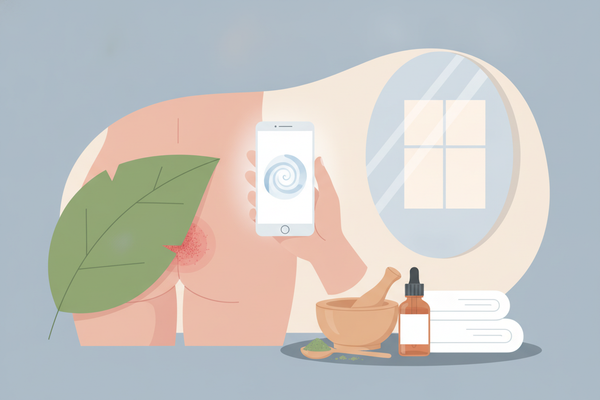
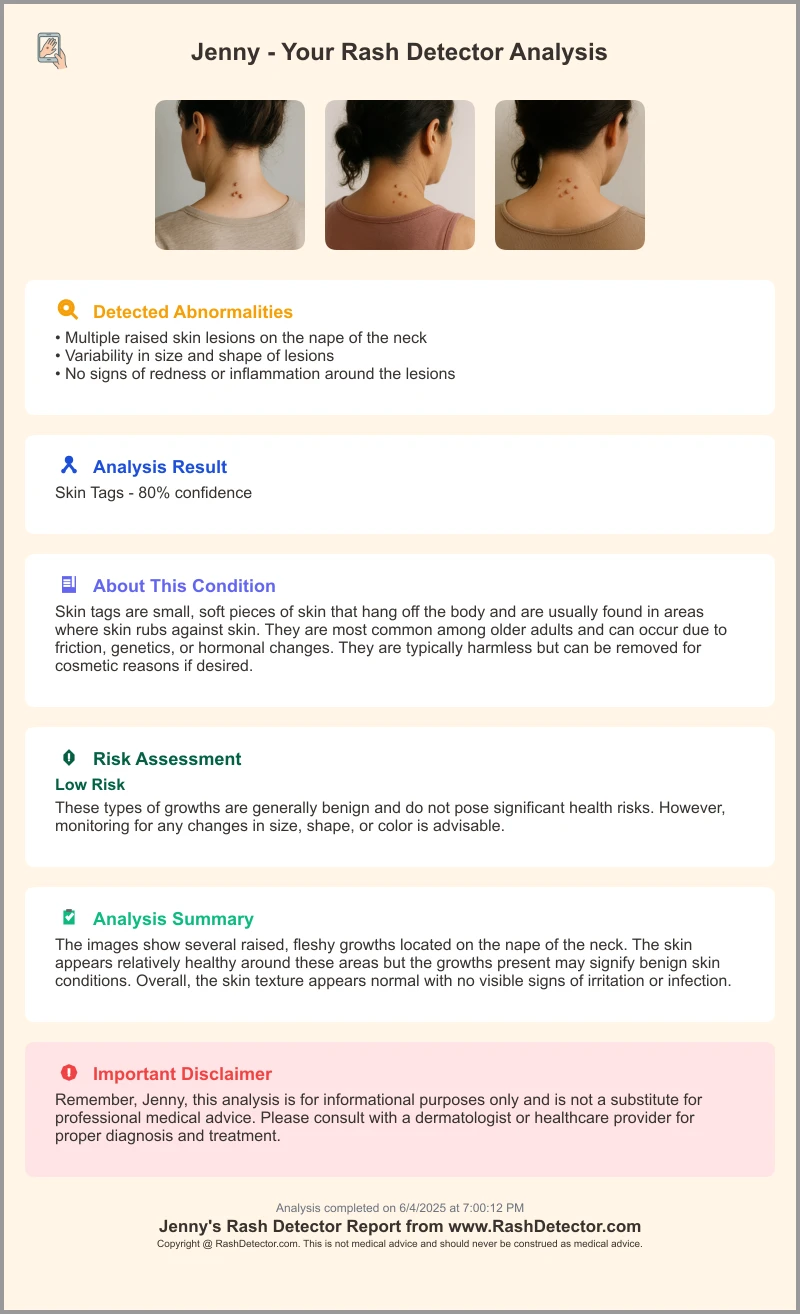
For a visual example, try the Skin Analysis App Rash Detector:
Identifying the Signs & Symptoms
Identifying medication rashes involves spotting skin and systemic cues:
- Skin: red/pink spots or patches, itching, burning, blisters.
- Systemic: fever, swollen lymph nodes, joint aches, mucosal sores.
Onset timelines:
- First exposure: 5–14 days post-start.
- Re-exposure: hours to days.
- Delayed: weeks later, common with certain antibiotics or anticonvulsants.
**Red-flag symptoms** demanding urgent care:
- Blistering/peeling skin
- Facial or throat swelling
- Difficulty breathing
- High fever with rash
- Mucosal involvement
Learn more at Identifying and Managing Drug-Induced Rash Symptoms.
Steps for Diagnosis
Diagnosing medication rashes is a multidisciplinary effort:
- Physical exam by primary care or dermatologist
- Medication review including OTCs and supplements
- Blood tests (CBC, liver/kidney panels, inflammatory markers)
- Allergy testing (skin prick, patch testing, drug challenges)
- Skin biopsy if the reaction is unclear or severe
Expert tip: Use structured intake forms to record medication timelines and rash chronology for accurate culprit identification.
Medication Rash Treatment Options
Rash treatment options focus on four pillars:
- Discontinue or substitute the offending drug
- Relieve symptoms (itch, pain, inflammation)
- Monitor for systemic involvement
- Provide supportive care
**OTC treatments** (with clinician approval):
- Oral antihistamines (cetirizine, diphenhydramine)
- Topical corticosteroids (hydrocortisone 1%)
- Fragrance-free moisturizers
- Colloidal oatmeal baths — see Oatmeal Bath for Rash
- Cool compresses
**Prescription treatments**:
- Potent topical steroids (triamcinolone 0.1%)
- Systemic corticosteroids (oral prednisone taper)
- Non-sedating antihistamines
- Immunomodulators (cyclosporine) under specialist care
- Epinephrine for anaphylaxis
For a comprehensive overview of how to identify and manage these reactions, see our complete guide to identifying, managing, and preventing drug-induced rashes.
Safety reminder: Never abruptly stop critical drugs (steroids, anticoagulants) without medical advice.
Home Care & Self-Management Strategies
Home care for medication rash includes:
- Cool showers and compresses
- Oatmeal baths for soothing relief
- Hypoallergenic, fragrance-free moisturizers
- Loose cotton clothing and short nails to minimize scratching
- Gentle, pH-balanced cleansers
Avoid: re-taking the suspected drug, new cosmetics, and excessive sun exposure.
Criteria for safe home management:
- Mild, localized rash without systemic symptoms
- Healthcare professional approval
- Stable or improving symptoms post-discontinuation
When to Seek Immediate Medical Attention
Emergency medication rash warning signs:
- Breathing difficulty or throat tightness
- Rapidly spreading blisters or peeling
- High fever with rash
- Mucosal sores or anaphylaxis signs
Secondary infection cues include pus, red streaks, or escalating pain and fever.
Preventive Measures & Patient Education
Preventing medication rashes involves:
- Informing providers of past drug reactions
- Checking cross-reactivity before new prescriptions
- Starting new drugs at low doses with close monitoring
- Allergy testing or supervised challenges when needed
Maintain a medication diary, update allergy documentation, and consider medical ID jewelry for severe allergies.
Conclusion & Additional Resources
Key takeaways:
- Early recognition is key to preventing severe outcomes.
- Accurate diagnosis guides effective treatment plans.
- Home care can suffice for mild cases; urgent care is crucial for red-flag symptoms.
- Preventive strategies reduce future risks.
For more details on how to identify, manage, and prevent drug-induced skin reactions, see our identify, manage, and prevent drug-induced reactions.
コスプレ衣装を選ぶ際は、サイズ表、素材、付属品、発送予定日を確認すると比較しやすくなります。サイズやセット内容を確認する場合は、妖精 コスプレ 衣装 レディースから候補を探せます。注文前に使用日と発送予定を照らし合わせ、試着や調整に使える時間も確保しておくと安心です。
Further reading on medication rash treatment:
- American Academy of Dermatology (AAD)
- American Academy of Allergy, Asthma & Immunology (AAAAI)
- National Institutes of Health – MedlinePlus Drug Rash Info
FAQ
- How quickly should a drug-induced rash appear?
Typically 5–14 days after the first exposure, but re-exposure can trigger it within hours. - Can I treat a medication rash at home?
Yes, if it’s mild, localized, and you have no red-flag symptoms—always get approval from a healthcare professional. For a step-by-step approach, see our complete guide to drug-induced rash management. - When is a medication rash life-threatening?
Symptoms like blistering, peeling skin, facial swelling, breathing difficulty, or high fever signal urgent care needs.