Medication Rash Treatment: How to Identify and Manage Medication-Induced Rashes
Learn how to identify and manage medication rashes effectively. Discover key symptoms, treatment plans, and preventive measures to avoid future reactions.

Estimated reading time: 8 minutes
Key Takeaways
- Medication rashes are immune or non-immune skin reactions that can range from mild to life-threatening.
- Early recognition and discontinuation of the offending drug are essential to prevent severe complications like SJS/TEN.
- Diagnosis relies on a thorough medication history, physical exam, and sometimes biopsy or allergy testing.
- Management includes stopping the culprit drug, symptomatic therapy, and close monitoring for high-risk patients.
- Clear documentation and patient education reduce the risk of future drug-induced rashes.
Table of Contents
- Introduction
- Recognizing Medication-Induced Rash
- Causes and Risk Factors for Drug Hypersensitivity
- Diagnosing Drug Eruption and Drug-Induced Rash
- Comprehensive Drug Rash Management
- Preventing Drug Rashes and Future Reactions
- When to Seek Medical Advice for Drug Allergy
- Conclusion
- FAQ
Introduction
A medication rash is an immune‐mediated or non-immune reaction to a drug, presenting as redness, bumps, hives, blisters, or peeling skin. While early rash signs often prompt patients to stop medications, they can also warn of severe reactions like Stevens–Johnson syndrome or toxic epidermal necrolysis. Prompt treatment lowers the risk of complications and helps you recover faster.
Recognizing Medication-Induced Rash
- Common Signs and Symptoms:
- Widespread macules (red or pink spots) and papules (small bumps) on the trunk or limbs
- Itchy hives (urticaria) and intense pruritus
- Blisters, peeling skin, or mucosal involvement in severe cases
- Systemic signs: fever, malaise, facial swelling, and swollen lymph nodes
- Drug Rash vs. Other Rashes:
- Temporal link: appears days to weeks after new medicine or dose change
- Symmetric eruption: similar pattern on both sides of the body
- Improvement upon discontinuation of the suspected drug
- Importance of Early Recognition: Early diagnosis and management can prevent progression to anaphylaxis or severe cutaneous adverse reactions (SCARs).
Causes and Risk Factors for Drug Hypersensitivity
- Immune Mechanisms: Type I (immediate) to Type IV (delayed) hypersensitivity, including SJS and TEN.
- Non-Allergic Mechanisms: Direct histamine release, photosensitivity, and toxic injury from drug metabolites.
- High-Risk Drug Classes: Antibiotics, anticonvulsants, NSAIDs, allopurinol, and chemotherapy agents.
- Patient Risk Factors: Prior drug allergy, atopic history, polypharmacy, concurrent viral infections, autoimmune conditions, and genetic predispositions.
Diagnosing Drug Eruption and Drug-Induced Rash
A clear diagnosis is the first step in effective treatment:
- Medication History: Document all prescription, OTC, herbal, and supplement use, including start/stop dates and dose changes.
- Physical Exam: Note rash morphology (morbilliform, urticarial, bullous), distribution, mucosal lesions, and systemic signs.
- Diagnostic Tools: Skin biopsy for differentiation, selective allergy testing, or graded drug challenges under specialist care.
- For more details on symptoms, see identifying drug-induced rash symptoms.
- For an extra layer of insight, consider using Rash Detector, an AI skin analysis app.
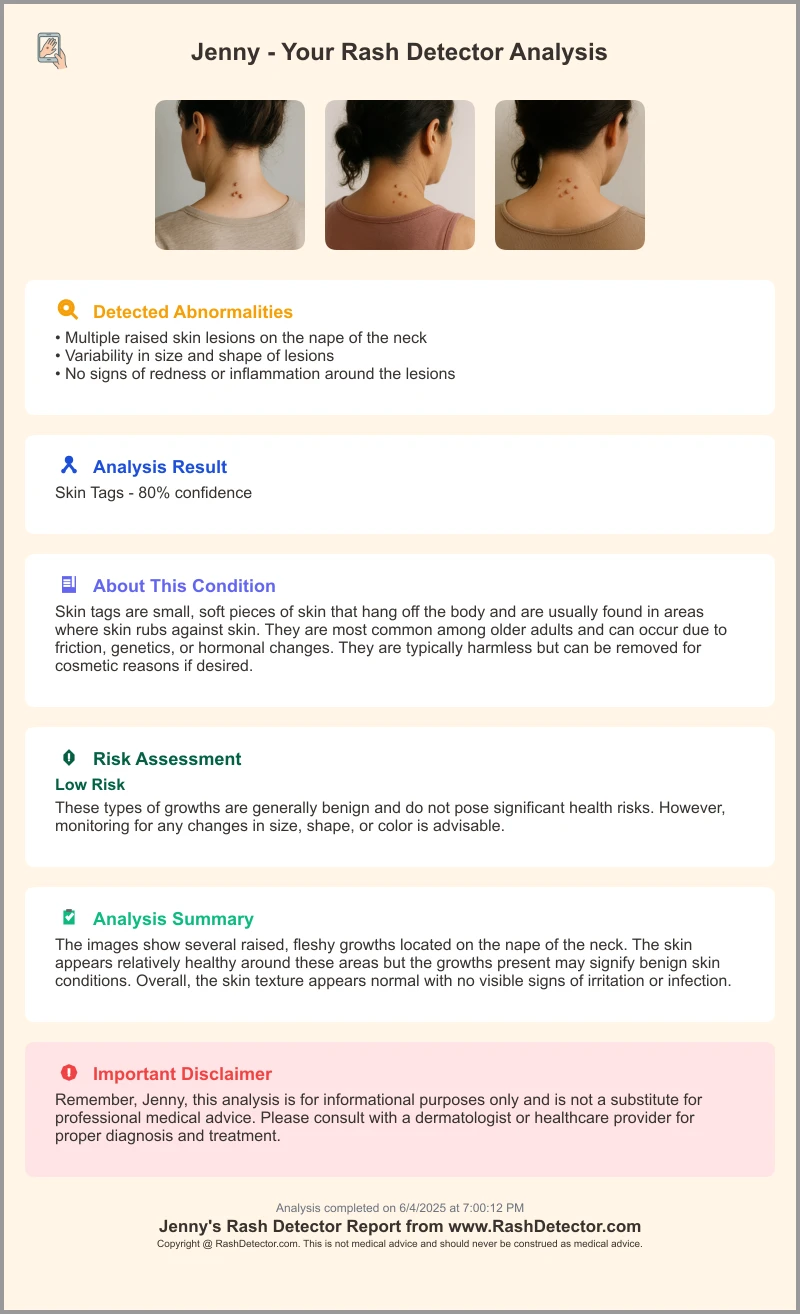
Timelines matter: Drugs introduced just before rash onset are prime suspects, and improvement after stopping confirms the diagnosis.
Comprehensive Drug Rash Management
- 1. Discontinue the Offending Medication: Stop the culprit drug under medical supervision and switch to safer alternatives if needed.
- 2. Symptomatic Therapy:
- Oral antihistamines for itching and hives
- Topical corticosteroids to reduce inflammation
- Bland emollients, cool compresses, and gentle cleansers
- For OTC options, check best anti-itch cream solutions.
- 3. Severe Reactions: Systemic corticosteroids for SJS/TEN or DRESS, epinephrine and IV fluids for anaphylaxis, and hospitalization when necessary.
- 4. Supportive Measures: Fragrance-free moisturizers, cool baths, loose clothing, and sun protection.
Preventing Drug Rashes and Future Reactions
- Recovery Care: Continue antihistamines and topical steroids, maintain skin hydration, avoid scratching, and follow up until resolution.
- Prevention Strategies: Document allergies, wear medical alert bracelets, inform all providers, avoid re-exposure, and consider genetic testing for high-risk drugs.
- For a deeper dive, see managing drug allergy rash.
When to Seek Medical Advice for Drug Allergy
- Emergency Signs: Difficulty breathing, facial swelling, sudden dizziness, rapidly spreading rash, large-area blistering, or high fever.
- Urgent Signs: Any new or worsening rash while on medication, persistent itching, or uncertainty about continuing a drug.
- Tip: Do not stop vital medications on your own unless the reaction is life-threatening.
Conclusion
Early identification, safe discontinuation of the culprit drug, and appropriate symptomatic therapy are the cornerstones of effective medication rash treatment. By recognizing signs of drug-induced rashes, documenting allergies thoroughly, and collaborating with healthcare professionals, you can prevent serious complications and protect your overall health.
FAQ
- What is a medication rash?
- A skin reaction to a drug that can range from mild redness or hives to severe conditions like SJS/TEN.
- How can I tell if a rash is due to a medication?
- Look for timing (rash days to weeks after starting a drug), symmetry, and improvement after stopping the medication.
- What should I do if I develop a drug rash?
- Contact your healthcare provider immediately, stop the suspected drug under supervision, and follow recommended treatments.
- When is a drug rash an emergency?
- If you experience difficulty breathing, facial swelling, rapid blistering, or high fever, seek emergency care.
- Can medication rashes be prevented?
- Yes—by documenting drug allergies, informing all healthcare providers, avoiding known culprits, and considering genetic testing for high-risk therapies.