Medication Rash Treatment: A Comprehensive Guide to Identification and Management
Learn about medication rash treatment: identification, management, symptoms, and expert tips to prevent severe reactions. Clear and safe strategies included.
8 min read
Key Takeaways
- Medication-induced rashes affect 5–15% of patients.
- Early identification and discontinuation of the offending drug are critical.
- Treatments range from topical steroids to systemic therapies for severe cases.
- Preventive measures include cautious medication management and monitoring.
- Quick action can avert progression to serious reactions like Stevens-Johnson syndrome.
Table of Contents
- Introduction
- Understanding Medication-Induced Rashes
- Identification of a Medication Rash
- Approaches to Medication Rash Treatment
- Preventative Strategies
- Case Studies and Expert Recommendations
- Conclusion
- Additional Resources
Section I: Introduction to Medication Rash Treatment
Medication-induced rash, or drug eruption, is a skin reaction ranging from mild redness to severe blistering or life-threatening conditions. Effective management starts with stopping the culprit drug and alleviating symptoms under medical supervision.
- 5–15% of people taking medications develop rashes
- Most rashes clear once the drug is stopped
- Early recognition prevents serious risks like Stevens-Johnson syndrome
Safe management relies on:
- Quick identification
- Prompt drug discontinuation
- Symptom control and monitoring
Section II: Understanding Medication-Induced Rashes
Definition and Causes
A drug rash is an adverse skin reaction to a medicine. Common causes include:
- Allergic immunologic reactions (≈95% of cases)
- Non-allergic toxic side effects
- Photosensitivity (sun-triggered reactions)
Johns Hopkins classification divides these into:
- Allergic (immune-driven)
- Direct side effect (toxin buildup)
- Sun-induced reactions
Frequent culprits include antibiotics (penicillins, sulfa drugs), NSAIDs, antiseizure medications, and certain OTC supplements.
Section III: Identification of a Medication Rash
Signs and Symptoms
Watch for:
- Redness or discoloration of the skin
- Flat or raised bumps (papules)
- Blisters or weeping areas
- Peeling skin
- Intense itching or burning
- Swelling around the rash
- Fever or chills
For an in-depth look at drug-induced rash presentations and triggers, see identifying drug-induced rash symptoms.
Diagnostic Aids
- Review full medication history (prescription, OTC, supplements)
- Patch testing for delayed allergy
- Skin biopsy if diagnosis remains unclear
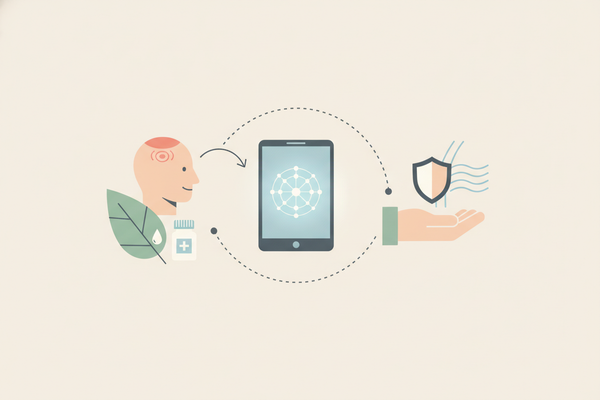
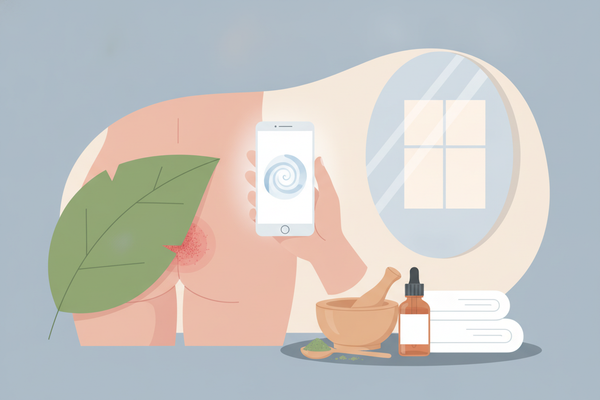
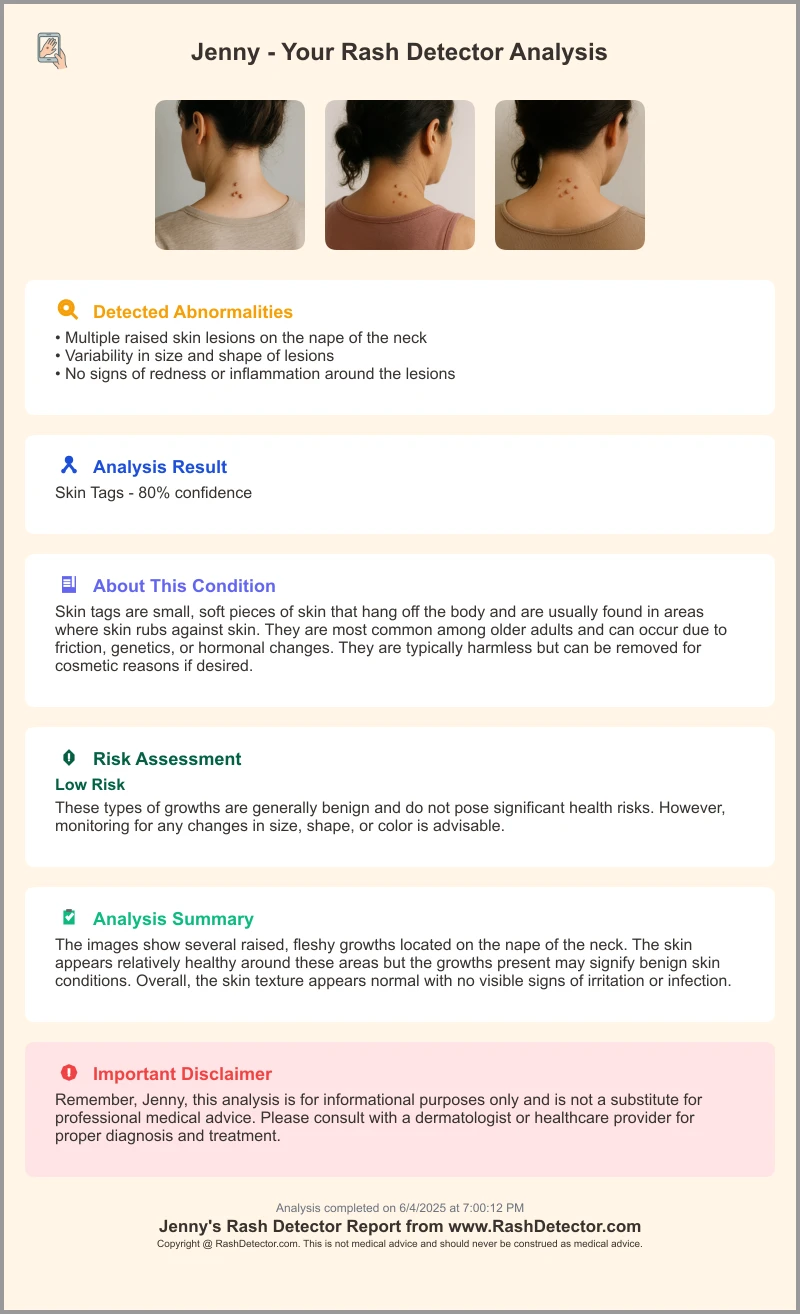
Many patients supplement clinical evaluation with AI-based analysis. Below is a sample from a Rash Detector report:
Distinguishing from Other Skin Conditions
Compare timing and features: drug rashes follow new medications, eczema appears chronically in skin folds, psoriasis shows silvery scales, and infections often present with heat and pus.
Section IV: Approaches to Medication Rash Treatment
General Strategy
- Discontinue or replace the suspected drug under medical advice
- Provide symptom relief
- Prevent complications like infection or scarring
Most mild rashes resolve within 1–2 weeks after stopping the drug.
Topical Treatments
- Low- to medium-potency corticosteroid creams (e.g., 1% hydrocortisone)
- Apply a thin layer twice daily for up to seven days
Antihistamines
- Oral H1-blockers (diphenhydramine 25–50 mg every six hours)
- Second-generation options (cetirizine, loratadine) for less drowsiness
Systemic Therapies for Severe Cases
- Short-course oral corticosteroids (prednisone 0.5–1 mg/kg/day)
- Immunosuppressants in ICU or burn units for toxic epidermal necrolysis (TEN)
- Hospitalization for Stevens-Johnson syndrome (SJS/TEN)
Section V: Preventative Strategies
Medication Management Tips
- Introduce new medications one at a time
- Use the lowest effective dose
- Maintain and share a current allergy list with all providers
Monitoring and Early Intervention
Keep a daily skin journal and photograph any rash onset. For guidance on tracking progress pictures, use a structured approach.
Section VI: Case Studies and Expert Recommendations
Case Study: A patient on amoxicillin developed an itchy maculopapular rash on day 7. The antibiotic was stopped, and treatment with diphenhydramine every six hours plus hydrocortisone cream led to clearance by day 14.
“Early recognition is key; stop the drug and seek evaluation.” — Dermatology Seattle
Section VII: Conclusion
Effective medication rash management hinges on prompt identification, discontinuation of the offending drug, and targeted symptom relief. Early action can prevent escalation to severe reactions like Stevens-Johnson syndrome. If you notice a new rash while on medication, stop the drug if safe, observe changes closely, and contact your healthcare provider immediately.
Section VIII: Additional Resources
- Johns Hopkins Medicine: Drug Rashes
- GoodRx: Drug Rashes
- Merck Manuals: Drug Rashes
- AI Rash Detector App overview
For real-time AI analysis of your rash, try Rash Detector, an intuitive skin analysis app.
FAQ
What should I do if I notice a rash after starting a new medication?
Stop the medication if it’s safe, monitor your symptoms, and contact your healthcare provider for evaluation and guidance.
How do doctors diagnose a medication-induced rash?
They review your full medication history, may perform patch tests or skin biopsies, and assess clinical features to confirm the diagnosis.
Can I prevent drug rashes from occurring?
Yes. Introduce new medications one at a time, use the lowest effective dose, and keep an updated allergy list shared with all your healthcare providers.