Medication Rash Treatment: A Comprehensive Guide to Identification & Management
Learn effective medication rash treatment methods to prevent severe reactions. Discover identification techniques and management strategies. Ensure safety.

Estimated reading time: 7 minutes
Key Takeaways
- Medication-induced rashes may present as hives, redness, itching, or blisters and can escalate to severe reactions like Stevens-Johnson syndrome.
- Early recognition and detailed documentation of rash onset and medication timeline are essential for accurate diagnosis.
- First-line actions include discontinuing the offending drug and applying self-care measures such as cool compresses and oatmeal baths.
- Treatment varies from OTC antihistamines and topical steroids for mild cases to prescription corticosteroids or emergency interventions for severe cases.
- Seek prompt medical attention for red-flag signs (e.g., anaphylaxis, widespread blistering, mucosal involvement).
- Prevention involves allergy testing, skin-care routines, and clear communication with healthcare providers.
Table of Contents
- Understanding Medication Rashes
- Identifying a Medication Rash
- Treatment Options
- When to Seek Professional Medical Advice
- Prevention and Long-Term Management
- Conclusion
Understanding Medication Rashes
Definition
Medication-induced rashes are hypersensitivity reactions in which the skin reacts to a drug, presenting as red, itchy patches, hives, or scaly areas. These cutaneous reactions can range from mild urticaria to severe exfoliative dermatitis.
Common Signs and Symptoms
- Urticaria (raised welts or hives)
- Pruritus (intense itching)
- Erythema (skin redness)
- Blistering or peeling in severe cases
Drug Classes That Commonly Cause Rashes
- Antibiotics: Penicillins, sulfonamides
- Anticonvulsants: Phenytoin, carbamazepine
- Corticosteroids: Systemic steroids may trigger acneiform eruptions or exfoliative dermatitis
Risk Factors
- Personal or family history of drug allergies
- Polypharmacy (taking multiple drugs simultaneously)
- Age extremes: children and elderly have higher susceptibility
Allergic vs. Non-Allergic Reactions
- Allergic (IgE-mediated): Immediate hives, angioedema
- Non-allergic: Acneiform eruptions from steroids or phototoxic reactions
In clinical practice, patients with penicillin allergies often present within hours, while anticonvulsant-related eruptions may appear after one to two weeks.
Identifying a Medication Rash
Step-by-Step Recognition
- Correlate Rash Onset with Medication Timeline
- Immediate: Minutes to hours after dose; hives or angioedema
- Delayed: 4–14 days post-medication; morbilliform eruption (source: Becker ENT & Allergy)
- Observe Rash Characteristics
- Location: Trunk, limbs, face
- Spread Pattern: Localized vs. generalized
- Itch Intensity: Scale 1–10
- Check for Systemic Signs
- Fever, lymphadenopathy, malaise (source: Divine Dermatology)
Practical Monitoring Tips
- Keep a symptom diary: Note date/time of each dose and rash appearance
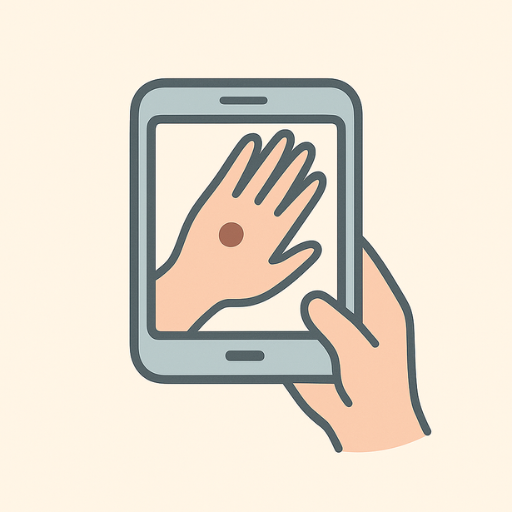
- Photograph daily, using consistent lighting and background
- Record medication name, dose, start date, and any changes
For deeper insight into differentiating drug-related rash patterns, see the linked resource.
| Date | Medication | Onset Time | Symptoms | Severity (1–10) |
|---|---|---|---|---|
| 2024-07-01 | Amoxicillin 500mg | 2 hours | Hives on trunk | 6 |
| 2024-07-02 | Amoxicillin | 30 minutes | Spread to arms | 8 |
Bring this documentation to your consult for faster, more accurate evaluation.
Treatment Options
First-Line Action
Immediately discontinue the suspected medication; most rashes resolve within days to two weeks (source: Johns Hopkins Medicine). For detailed management guidelines, refer to the linked resource.
Self-Care Measures for Mild Cases
- Cool compresses: 15 minutes, 2–3 times per day
- Oatmeal baths: Use colloidal oatmeal for 15 minutes to soothe itching
- Scratch avoidance: Keep nails trimmed; wear cotton gloves at night
Over-the-Counter Remedies
- Oral antihistamines:
- Diphenhydramine 25–50 mg every 6 hours
- Cetirizine 10 mg once daily
- Topical hydrocortisone 1% cream: Apply a thin layer twice daily
Prescription Treatments by Severity
Moderate Cases: Triamcinolone 0.1% cream twice daily; oral prednisone taper 1–2 mg/kg/day over 5–10 days
Severe/Systemic Reactions (DRESS, Stevens-Johnson Syndrome): Epinephrine 0.3–0.5 mg IM for anaphylaxis; IV methylprednisolone 1 mg/kg/day; hospitalization with supportive wound care and possible cyclosporine (source: IU Health)
| Severity | Treatment | Dose/Duration |
|---|---|---|
| Mild | OTC antihistamines, cool compresses | Up to 2 weeks |
| Moderate | Prescription corticosteroids, OTC meds | 5–10 day taper |
| Severe/Systemic | Epinephrine, IV steroids, hospitalization | As directed by protocol |
A 65-year-old patient on sulfa drugs developed widespread erythema. After drug withdrawal and a short course of prednisone, the rash resolved within 10 days.
When to Seek Professional Medical Advice
Red-Flag Signs
- Difficulty breathing, wheezing, throat tightness (anaphylaxis)
- Facial or oral swelling, lip or tongue swelling
- Widespread blistering or peeling; mucosal involvement
- High fever (>38.5 °C), hypotension, organ dysfunction (source: Merck Manuals, IU Health)
Diagnostic Process
- Medical history & drug timeline review
- Physical examination; skin biopsy if diagnosis uncertain
- Laboratory tests: CBC (eosinophilia), liver function tests, renal panel (source: NYU Langone Health)
Key Consultation Questions
- “How can you confirm this rash is drug-related?”
- “Which diagnostic tests will you perform?”
- “What treatment plan and drug alternatives do you suggest?”
- “How can I prevent future reactions?” (source: Becker ENT & Allergy)
Bring your symptom diary and photos to the appointment. Clear documentation speeds up diagnosis and targeted treatment.
Prevention and Long-Term Management
Pre-Treatment Strategies
- Obtain thorough allergy history, including family reactions
- Wear medical alert bracelet or carry an allergy card
- Use graded dose escalation or desensitization for critical drugs (source: Harvard Health)
Ongoing Skincare
- Fragrance-free moisturizers to restore the skin barrier
- Gentle, soap-free cleansers to avoid irritation
- Loose, breathable cotton clothing to reduce friction
- Regular colloidal oatmeal baths or calamine lotion for itch control
Monitoring & Follow-Up
- Track symptom resolution weekly; photograph any lingering changes
- Schedule follow-up visit in 1–2 weeks
- Refer to allergist for patch or prick testing if the trigger remains unclear (source: Johns Hopkins Medicine)
Patients who follow up for allergy testing often avoid repeat exposures and minimize emergency visits.
Conclusion
This guide outlined steps for effective medication rash treatment:
- Identify symptoms and document medication timelines.
- Discontinue the offending drug promptly.
- Apply self-care measures and OTC antihistamines or topical steroids.
- Escalate to prescription corticosteroids or emergency interventions for severe cases.
- Seek professional care for red-flag signs and follow diagnostic protocols.
Prevention and long-term management involve allergy testing, skin care routines, and clear communication with healthcare providers. Prompt, tailored treatment protects against complications and ensures a safe recovery. Contact your healthcare provider to develop a safe and effective medication rash treatment strategy.
FAQ
What are the early signs of a medication-induced rash?
Early signs include red, itchy patches or hives appearing shortly after starting a new medication. Documenting timing and appearance can aid diagnosis.
How soon should I see a doctor for a medication rash?
Seek immediate medical attention if you experience breathing difficulty, widespread blistering, mucosal involvement, or systemic symptoms like fever. For persistent mild rashes, consult within 1–2 days.
Can I treat mild medication rashes at home?
Yes. Manage mild rashes with cool compresses, oatmeal baths, OTC antihistamines, and 1% hydrocortisone cream. Avoid scratching to prevent secondary infection.
通販で候補を探すときは、商品仕様、セット内容、発送予定日を確認しておくと安心です。複数の候補を比較する際は、ウマ娘 コスプレで仕様の違いを確認できます。商品が届いたら内容を早めに確認し、必要な調整や追加準備を本番前に済ませましょう。
How do healthcare providers confirm a rash is drug-related?
Providers review your medication timeline, perform a physical exam, and may order blood tests or a skin biopsy to confirm the cause.
Can future drug rashes be prevented?
Prevention includes documenting known drug allergies, wearing medical alert accessories, undergoing desensitization if needed, and pursuing allergy testing.