Hydrocortisone for Rash: Uses, Safety, and Best OTC Options
Learn how to use hydrocortisone for rash relief, which rashes it treats, safety tips, alternatives, and when to see a doctor. Discover the best OTC options.

Estimated reading time: 13 min
Key Takeaways
- Hydrocortisone is a common over-the-counter (OTC) cream for reducing rash inflammation and itch.
- It can help with eczema, contact dermatitis, bug bites, poison ivy, and heat rash—but is not suitable for every rash type.
- Proper application and awareness of side effects are important for safe and effective use.
- Alternatives like antihistamine creams, colloidal oatmeal, or pramoxine may be better for certain rashes.
- See a doctor for severe, spreading, or persistent rashes, or if you’re unsure about the cause.
Table of Contents
- Section 1: What Is Hydrocortisone and How Does It Work?
- Section 2: Rash Types Hydrocortisone Can Help
- Section 3: OTC Hydrocortisone Creams, Strengths, and Formulations
- Section 4: How to Use Hydrocortisone for Rash Relief
- Section 5: Safety, Side Effects, and When Not to Use Hydrocortisone
- Section 6: Hydrocortisone vs Antihistamine and Other Itch Relief Options
- Section 7: Choosing the Best OTC Rash Treatment
- Section 8: When to See a Doctor and Using Rash Detector
- Conclusion
- FAQ
Section 1: What Is Hydrocortisone and How Does It Work?
Understanding Hydrocortisone
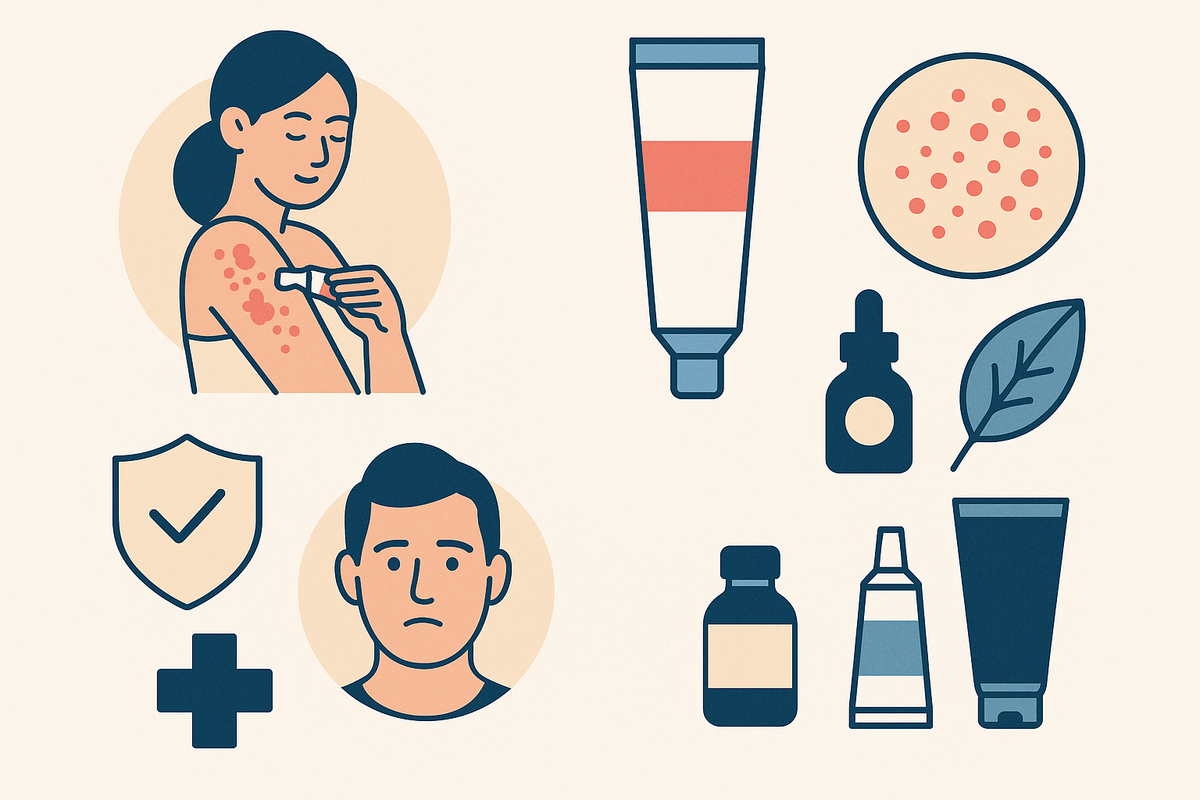
Hydrocortisone is a mild corticosteroid medication that’s widely available in over-the-counter creams, ointments, and lotions. Its primary role is to reduce inflammation and calm the immune system’s skin response, making it a common option for itchy or irritated rashes.
- Form: Cream, ointment, lotion, and sometimes gel
- Strength: Most non-prescription versions are 0.5% or 1% hydrocortisone
How Does Hydrocortisone Work for Rash?
When applied to the skin, hydrocortisone reduces the action of inflammatory chemicals. This may help:
- Decrease redness and swelling
- Relieve itching
- Calm irritated or inflamed skin areas
Hydrocortisone acts locally, meaning it works at the site of application with minimal absorption into the bloodstream when used as directed.
Why Is It a Popular Rash Remedy?
Because of its anti-inflammatory and anti-itch properties, hydrocortisone is often used for a variety of rashes that are not caused by infections. The cream is easy to find at pharmacies and may provide relief within hours to a couple of days for many mild skin conditions.
Section 2: Rash Types Hydrocortisone Can Help
Common Rashes That Respond to Hydrocortisone
Not all rashes are the same. Hydrocortisone is best for rashes with inflammation and itching, especially when caused by allergic or irritant triggers. Some of the most common conditions include:
- Eczema (Atopic Dermatitis): Often flares up as dry, itchy patches—hydrocortisone can decrease flare severity.
- Contact Dermatitis: Red, inflamed skin after touching allergens (like nickel, soaps, or plants)—hydrocortisone helps calm the reaction.
- Poison Ivy, Poison Oak, Poison Sumac: May relieve itching and inflammation from plant-induced rashes.
- Bug Bites: May soothe swelling and itching from mosquito, flea, or other insect bites.
- Heat Rash (Miliaria): Mild cases may benefit from a short course, though cooling and drying are also important (find more tips here).
- Psoriasis (Mild): May help reduce scaling and redness in small, affected areas.
When Hydrocortisone Is Not the Right Choice
Certain rashes do not improve—and can even worsen—with hydrocortisone use. These include:
- Fungal Infections: Athlete’s foot or ringworm can get worse.
- Bacterial Infections: Impetigo or infected eczema need antibiotics.
- Viral Rashes: Chickenpox or herpes require different care.
- Diaper Rash: Unless directed by a clinician, topical steroids are usually avoided for infants.
If you’re unsure about the cause of your rash, consider using Rash Detector to analyze your skin and get personalized guidance. Always consult a healthcare professional for persistent, spreading, or severe rashes.
Special Note on Drug Rashes
Drug-induced rashes are complex and may not always respond to hydrocortisone. For more, see our guide on drug rash causes and identification.
Section 3: OTC Hydrocortisone Creams, Strengths, and Formulations
Understanding OTC Strengths
In the United States, most OTC hydrocortisone creams are available in 0.5% or 1% strengths. Both are considered low-potency steroids, suitable for self-care of minor rashes. Higher strengths (2.5% and up) require a prescription and are reserved for more severe cases.
- 0.5%: Gentle enough for sensitive skin and children (but avoid in infants unless directed)
- 1%: Standard for adult use on most body areas
Cream, Ointment, or Lotion?
- Creams: Most popular; balanced moisture and absorption; suitable for most rashes.
- Ointments: Greasier, more moisturizing; best for very dry, thick, or scaly rashes.
- Lotions: Lightweight; good for larger or hairy areas.
- Anti-itch Formulas: Some OTC products combine hydrocortisone with menthol or pramoxine for extra itch relief.
For a guide to other anti-itch options, check out our post on the best anti-itch creams.
Popular Retail Brands
Look for trusted names like Cortizone-10, Aveeno 1% Hydrocortisone, or generic store brands. Always check the active ingredient list and avoid extra fragrances or additives if you have sensitive skin.
Section 4: How to Use Hydrocortisone for Rash Relief
Step-by-Step Application
- Wash hands and gently cleanse the rash area with mild soap and lukewarm water.
- Pat dry—do not rub, which can further irritate skin.
- Apply a thin layer of hydrocortisone cream (about a pea-sized amount for a palm-sized area).
- Rub in gently until absorbed.
- Wash hands again after application (unless treating your hands).
How Often and How Long?
- Most OTC products recommend 1-2 applications per day, depending on severity and location.
- Use for up to 7 days for most rashes. If symptoms do not improve or worsen, stop use and consult a healthcare provider.
Overuse increases the risk of side effects, so more is not better.
Special Considerations
- Face: Use sparingly and for short periods; facial skin is more sensitive.
- Children: Do not use on children under 2 years old unless directed by a doctor.
- Diaper Area: Avoid unless instructed by a clinician; occlusion increases absorption and risk of side effects.
Never apply hydrocortisone to open wounds, broken skin, or infected areas.
Section 5: Safety, Side Effects, and When Not to Use Hydrocortisone
Common Side Effects
While hydrocortisone is generally considered safe when used as directed, you may experience:
- Mild burning or stinging at application site (often temporary)
- Skin dryness or irritation
- Redness or mild color changes
These side effects are usually mild and fade with continued use or after stopping the cream.
Signs to Stop and Seek Medical Advice
- Rash worsens or spreads
- Severe burning, blistering, or oozing
- Signs of infection (pus, yellow crust, fever)
- Skin thinning or stretch marks with prolonged use
Hydrocortisone is not a cure-all. If your rash is severe, painful, or persists beyond a week, consult a doctor or dermatologist.
When Not to Use Hydrocortisone
- On fungal, bacterial, or viral rashes (unless prescribed as part of a combination treatment)
- On diaper rashes unless directed by a healthcare professional
- On the face for more than a few days
- On open wounds or mucous membranes
Always follow package instructions and use the lowest effective dose for the shortest time needed.
Section 6: Hydrocortisone vs Antihistamine and Other Itch Relief Options
Hydrocortisone vs Benadryl and Antihistamines
Many people wonder about hydrocortisone for rash compared to an antihistamine for rash (like Benadryl cream or oral diphenhydramine). Here’s how they differ:
- Hydrocortisone: Reduces inflammation and immune skin reaction; often used for allergic or inflammatory rashes.
- Topical Antihistamines (e.g., Benadryl Cream): Block histamine receptors to decrease itch, but may cause skin allergy with repeated use. Not ideal for long-term application. Hydrocortisone vs Benadryl: Hydrocortisone is often preferred for many non-infected, inflamed rashes.
- Oral Antihistamines: May help if rash is widespread or you have hives, but don’t treat skin inflammation directly.
Other Popular OTC Itch Relief Ingredients
- Pramoxine: A topical anesthetic for itch; often found in combination creams.
- Menthol or Camphor: Provide a cooling effect but may irritate sensitive skin.
- Colloidal Oatmeal: Soothes dry, itchy skin—often used for eczema or poison ivy.
Choosing the Right Option
For many inflamed, itchy rashes, hydrocortisone is a commonly used OTC remedy. Reserve topical antihistamines for small areas and short-term use. For details on product selection, visit our best anti-itch cream guide.
Section 7: Choosing the Best OTC Rash Treatment
Assessing Your Rash
- Look for clues: Is it red and itchy? Raised or flat? Blistered? Scaly?
- Identify likely triggers: New soaps, plants, insect bites, medications, or environmental changes.
- Consider your health: Are you immunocompromised, pregnant, or caring for a child?
Factors When Selecting a Product
- Location: Face and folds need gentler or lower-strength products.
- Skin Type: Sensitive skin? Opt for fragrance-free, hypoallergenic creams.
- Formulation: Cream for most; ointment for thick, dry patches; lotion for larger/hairy areas.
- Ingredients: Avoid unnecessary additives if you have allergies.
When Hydrocortisone Isn’t Enough
If your rash does not respond to OTC hydrocortisone within 7 days, see a healthcare provider. Some rashes, such as those from medications, may require special care. For more, read our detailed guide to treating drug-induced rashes.
Section 8: When to See a Doctor and Using Rash Detector
Red Flags: When a Rash Needs Medical Attention
- Rash is rapidly spreading or blistering
- Associated with fever, swelling, or pain
- Shows signs of infection (pus, warmth, red streaks)
- Occurs in infants or immunocompromised individuals
- Does not improve after 7 days of hydrocortisone
Never try to self-diagnose a severe or unusual rash. Delaying care for infected or allergic rashes can be dangerous. For a deeper dive into warning signs and next steps, see our post on skin rash treatment and smart tools.
How Rash Detector Can Help
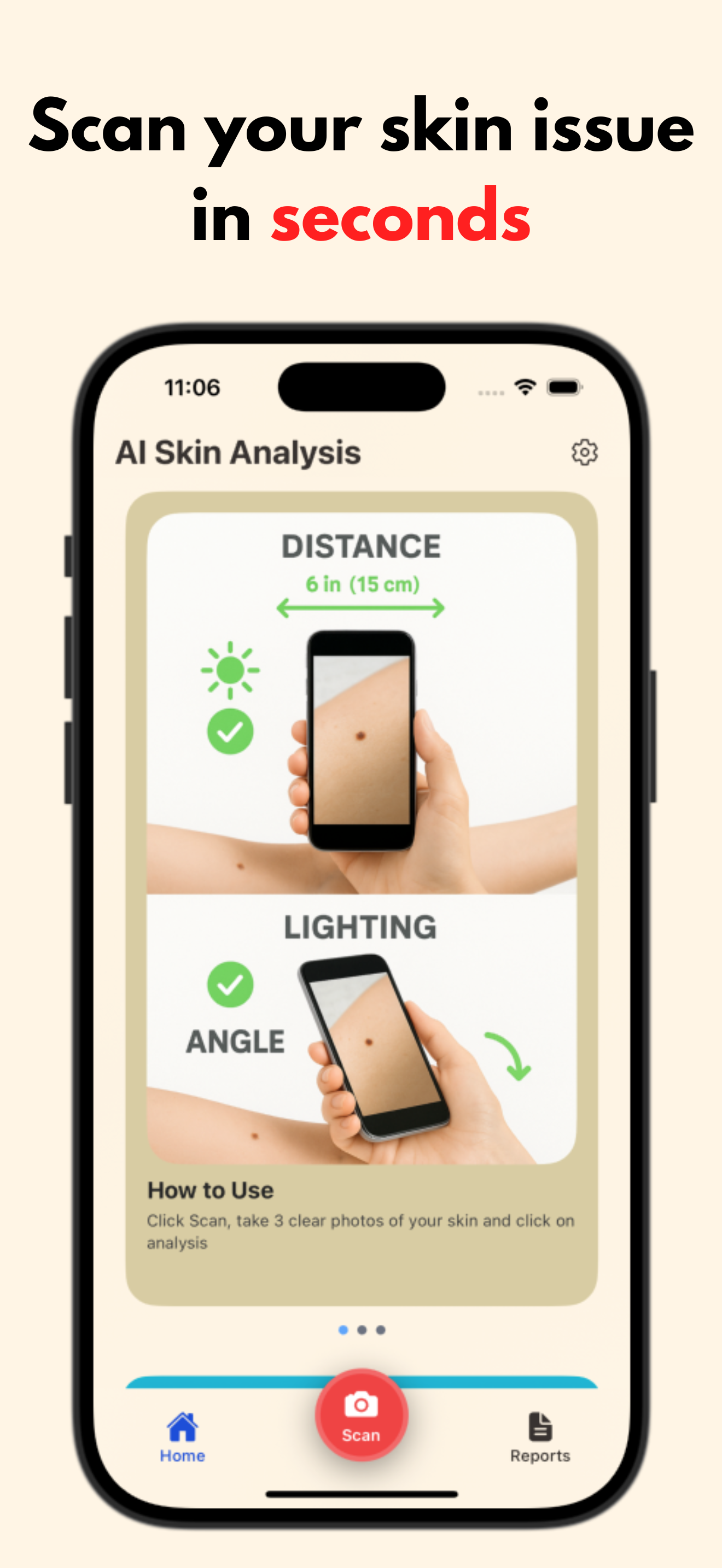
If you’re unsure about your rash or want guidance before seeing a provider, the Rash Detector app lets you upload 3 images of your rash to get instant analysis and possible causes. While it’s not a substitute for medical advice, it can help you better understand your skin and prepare for a doctor visit.
Note: This article is for informational purposes only. Always consult a healthcare professional for diagnosis and treatment, especially when symptoms are persistent, severe, or worsening.
Conclusion
Hydrocortisone cream is a commonly used option for treating mild, itchy rashes caused by inflammation or allergic reactions. It may be helpful for eczema, contact dermatitis, bug bites, and poison ivy but should be used with care, especially on the face, diaper area, or for children. Always follow the package instructions, limit use to 7 days unless otherwise directed, and watch for side effects like skin thinning or irritation. For rashes that are persistent, spreading, or uncertain, consult a doctor—using tools like Rash Detector can provide helpful insights and guide your next steps. Remember, not all rashes are created equal, and the best otc for rash depends on the cause, location, and your individual health needs.
FAQ
Q: What kind of rash can hydrocortisone cream treat?
A: Hydrocortisone may be helpful for many mild, itchy, or inflamed rashes including eczema, contact dermatitis, poison ivy, bug bites, and mild heat rash. It’s not appropriate for fungal, bacterial, or viral rashes, or for diaper rash unless directed by a healthcare provider.
Q: How long does hydrocortisone take to work on a rash?
A: Relief from itching or redness may begin within a few hours, but visible improvement can take 1-3 days. If your rash is not better after 7 days, stop using the cream and consult a doctor.
Q: Can I use hydrocortisone cream on eczema or poison ivy?
A: Hydrocortisone is frequently used for eczema flares and poison ivy rashes to reduce itching and inflammation. Always follow package directions and limit use to 1-2 times daily for up to 7 days unless your doctor says otherwise.
Q: Is hydrocortisone safe for diaper rash or on the face?
A: Hydrocortisone should be avoided on diaper rashes and the face unless specifically directed by a healthcare provider. These areas are more sensitive and absorb more medication, increasing the risk of side effects.
Q: What are the side effects of hydrocortisone cream?
A: Common side effects include mild burning, stinging, dryness, or redness. Prolonged or excessive use can cause skin thinning or color changes. Stop use and seek medical advice if severe irritation or infection develops.
Q: Should I use hydrocortisone cream or an antihistamine cream for itchy rash?
A: For many inflamed, itchy rashes, hydrocortisone is often preferred. Antihistamine creams (like Benadryl) may be used for short-term relief on small areas but can cause skin allergies with repeated use. For widespread or allergic rashes, oral antihistamines may help, but always consult with your healthcare provider for the best approach.