How to Monitor Skin Changes at Home: A Practical Guide
Learn how to monitor skin changes at home with simple steps, smart tools, and expert tips. Spot issues early with Rash Detector. Stay on top of your skin health.
Estimated reading time: 7 min
Key Takeaways
- Learn to monitor skin changes at home for early detection of issues
- Documenting symptoms and using technology like Rash Detector can help
- Track patterns to recognize when professional help is needed
- Simple routines make skin monitoring easy and effective
Table of Contents
- Section 1: Why Monitor Skin Changes at Home?
- Section 2: Creating a Skin Monitoring Routine
- Section 3: Tools and Apps for Skin Tracking
- Section 4: When to Seek Professional Help
- Conclusion
- FAQ
Section 1: Why Monitor Skin Changes at Home?
The Importance of Early Detection
Knowing how to monitor skin changes at home can help you catch potential issues—like rashes, allergic reactions, or infections—before they become serious. Early identification often leads to easier, more effective treatment.
- Skin health impacts overall well-being
- Changes in color, texture, or sensation can indicate underlying conditions
- Frequent self-checks enable quick response to new or worsening symptoms
Common Conditions to Watch For
Monitoring your skin at home helps you spot signs of:
- Allergic reactions (drug rash, medication allergy rash)
- Heat rashes, eczema, psoriasis
- Unusual moles or new growths
For example, if you notice a persistent rash after starting medication, you might want to read about rashes from medication: causes, symptoms & next steps.
Section 2: Creating a Skin Monitoring Routine
Establishing a Schedule
Consistency is key when learning how to monitor skin changes at home. Set a regular schedule—weekly or biweekly is often sufficient for most people.
- Pick a time with good lighting, such as morning or midday
- Use a mirror to check hard-to-see areas
- Involve a partner or friend for help, if comfortable
What to Look For
During your checks, pay attention to:
- New spots or moles
- Changes in existing moles (size, color, border)
- Redness, swelling, or texture changes
- Persistent itching or pain
Documenting Your Observations
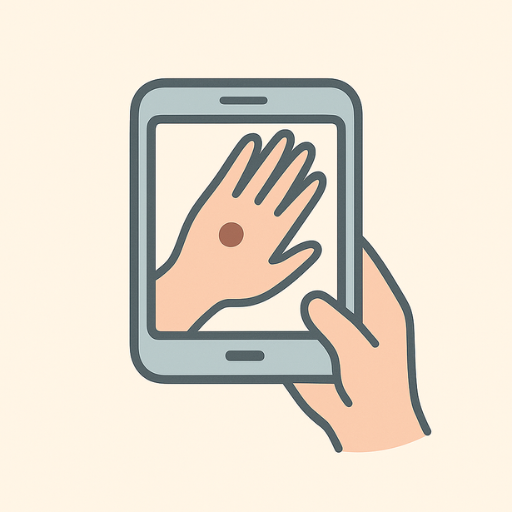
Take notes or photos to compare over time. This practice helps you and healthcare professionals track progression.
- Use your phone to snap clear, dated images
- Keep a journal or app log of symptoms (itching, burning, etc.)
- Note any new products, medications, or exposures
Section 3: Tools and Apps for Skin Tracking
Leveraging Modern Technology
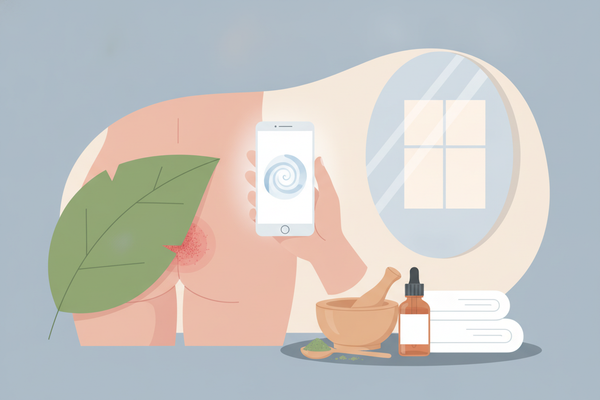
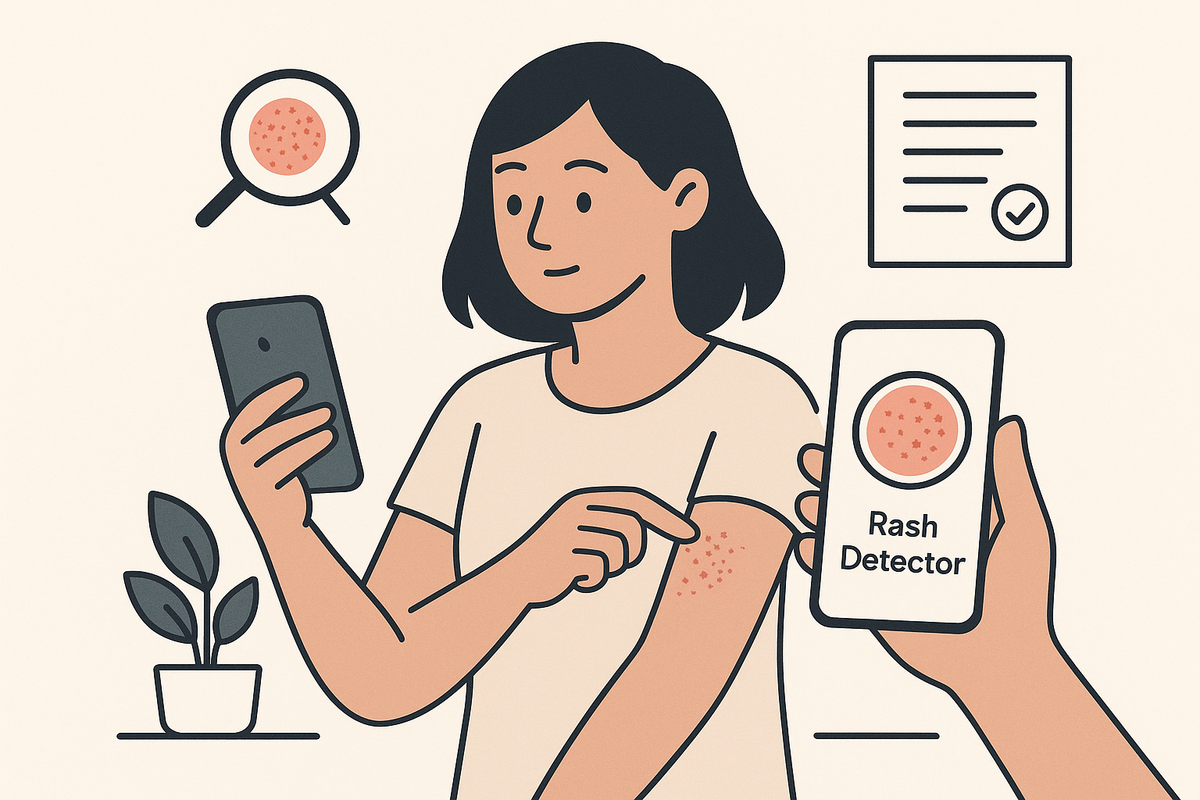
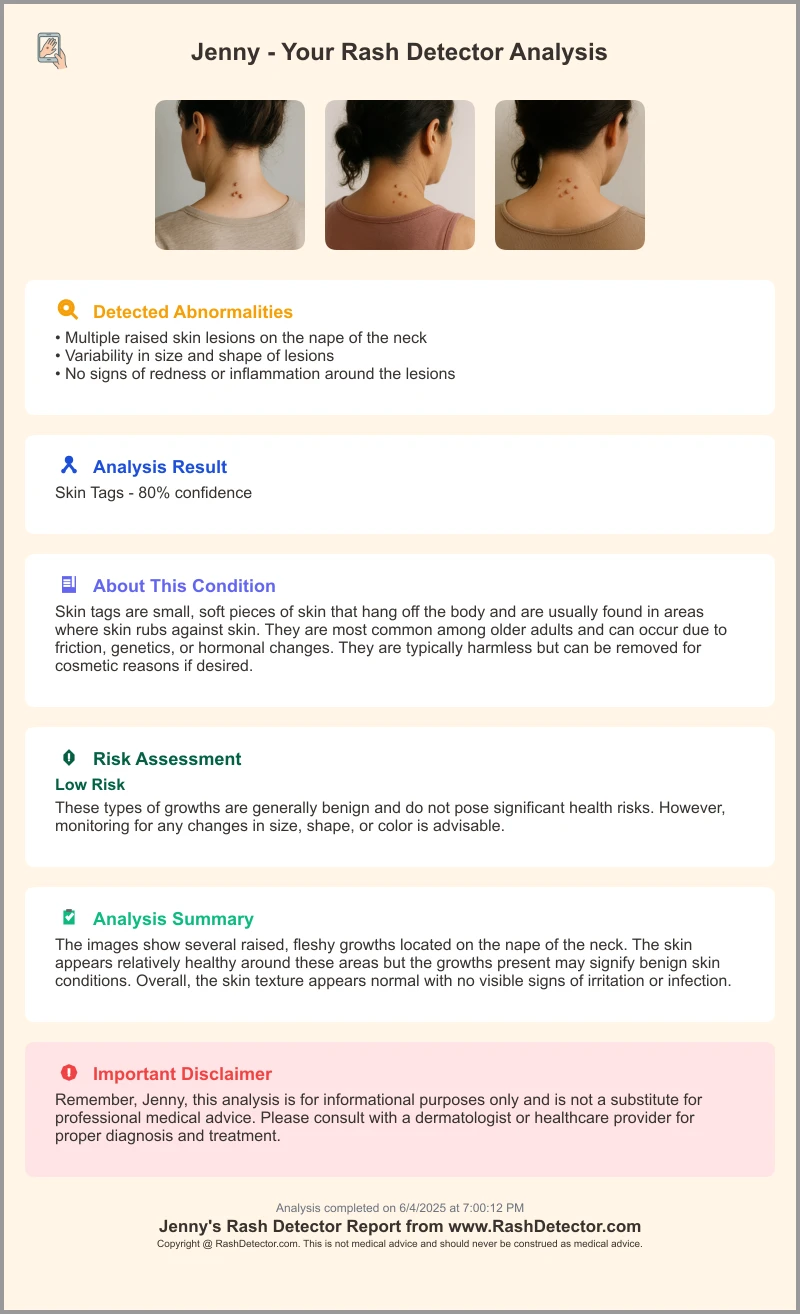
Apps and digital tools make tracking skin changes easier and more reliable. Rash Detector, for instance, lets you upload three images of your rash or skin issue and get instant analysis using AI. This approach provides guidance and possible causes, helping you understand what your skin might be telling you.
Benefits of Using Rash Detector
- Instant analysis: Receive feedback in seconds
- Photo tracking: Compare images over time for changes
- Guidance: Suggestions on next steps and when to seek help
To try Rash Detector, visit Rash Detector.
Other Helpful Tools
- Skin mapping apps for mole tracking
- Notes and reminders apps for regular checks
- Basic camera apps for photo documentation
Section 4: When to Seek Professional Help
Warning Signs
While home monitoring is valuable, certain symptoms require prompt medical attention:
- Rapidly spreading rash or swelling
- High fever with rash
- Blistering, open sores, or signs of infection
- Shortness of breath or difficulty swallowing
If you experience these, consult a healthcare provider immediately.
Partnering with Professionals
Bring your documented notes and images to appointments. This information can help dermatologists or general practitioners make more accurate diagnoses and treatment plans.
If your rash is medication-related, see our guide on drug rash treatment: effective solutions for skin reactions for practical steps.
Conclusion
Knowing how to monitor skin changes at home empowers you to catch problems early, support your health, and communicate effectively with professionals. Use simple routines, document findings, and take advantage of technology like Rash Detector for added insights. Consistent monitoring helps you stay proactive about your skin health.
FAQ
Q: How often should I check my skin for changes?
A: Most experts recommend checking your skin once a month, but weekly or biweekly is ideal if you have a history of skin issues.
Q: Can I rely solely on apps like Rash Detector for diagnosis?
A: Rash Detector offers guidance and possible causes but should not replace professional medical evaluation when symptoms are severe or worsening.
Q: What’s the best way to photograph skin changes?
A: Take photos in natural light with a neutral background. Include a reference object (like a coin) for scale, and keep the area clean and dry.
Q: Are there specific signs I should never ignore?
A: Yes—rapidly spreading rashes, severe pain, fever, or difficulty breathing require urgent medical attention.
撮影に使うウィッグは、照明による色の見え方と顔まわりのシルエットも考えて選びましょう。条件に合う選択肢を探す際は、ディルック コスプレウィッグを手掛かりに内容を確認できます。セットするときは耐熱温度を守り、目立たない部分から少量ずつ試しましょう。