How to Handle Persistent Worsening Rashes: Expert Tips & Care
Learn how to handle persistent worsening rashes with expert advice on causes, home care, warning signs, and when to see a doctor.


Estimated reading time: 20 min
Key Takeaways
- Persistent or worsening rashes require careful monitoring and sometimes medical evaluation to prevent complications.
- Common causes include allergies, infections, chronic skin conditions, irritants, and sometimes systemic diseases.
- Home care basics focus on gentle cleansing, moisturizing, avoiding triggers, and maintaining overall skin barrier health.
- Itch relief can be achieved with appropriate topical treatments, oral medications, natural remedies, and behavioral modifications.
- Seek medical help promptly if rashes spread, become painful, show signs of infection, or are accompanied by systemic symptoms.
Table of Contents
- Section 1: Understanding Persistent and Worsening Rashes
- Section 2: Common Causes of Chronic or Recurrent Rashes
- Section 3: Home Care Basics for Managing Persistent Rashes
- Section 4: Effective Itch Relief Strategies
- Section 5: Identifying Triggers and Avoiding Irritants
- Section 6: Warning Signs That Require Medical Evaluation
- Section 7: How Clinicians Diagnose and Treat Persistent Rashes
Section 1: Understanding Persistent and Worsening Rashes
What Defines a Persistent or Worsening Rash?
A rash is generally considered persistent when it lasts longer than two weeks without significant improvement, or if it gradually worsens despite home care efforts. Worsening may include an increase in size, spread to new areas of the body, intensification of symptoms such as itchiness or pain, or development of new features like blistering, oozing, scaling, or crusting. For example, a rash that starts as a small patch but expands over days or weeks to cover large areas, or one that initially causes mild itch but progresses to severe burning pain, would be concerning.
Recognizing persistence and worsening is key to timely care. While many rashes resolve on their own within days or weeks, persistent or worsening rashes may signal underlying problems such as chronic skin diseases, infections, or allergic reactions that may require medical evaluation and treatment.
Why Monitoring Your Rash Matters
Careful observation and documentation of changes in your rash’s size, color, texture, and associated symptoms can help distinguish between harmless irritation and potentially serious conditions. Monitoring can assist in identifying patterns, assessing response to treatments, and deciding when to seek professional help.
For instance, noting whether the rash becomes more inflamed, develops pus, or spreads rapidly can provide important clues. Taking regular photographs under consistent lighting and angles is a practical way to document progression. Tools like the Rash Detector app may enable users to track changes over time and share data with healthcare providers.
When to Consider Yourself at Risk
- Rapid spread beyond original location: A rash expanding quickly over hours to days, especially if spreading in streaks or irregular patterns, may indicate infection or systemic involvement.
- Persistent or increasing itch or pain: Intensifying discomfort despite home care suggests that the underlying cause may not be controlled.
- Signs of infection: Presence of pus, yellow crusting, warmth, swelling, or red streaks extending from the rash are red flags.
- Accompanying systemic symptoms: Fever, chills, fatigue, swollen lymph nodes, or joint pain alongside the rash could indicate a systemic disease or severe infection.
Being alert to these signs allows timely medical evaluation, which is important to prevent complications.
Section 2: Common Causes of Chronic or Recurrent Rashes
Allergic and Irritant Contact Dermatitis
Contact dermatitis is a frequent cause of persistent or recurrent rashes, triggered by direct skin exposure to allergens or irritants.
- Allergic contact dermatitis: This is an immune-mediated reaction occurring after sensitization to substances such as nickel (commonly found in jewelry), fragrances in cosmetics and detergents, preservatives like methylisothiazolinone, or plants such as poison ivy. The rash often appears hours to days after exposure and may present as red, itchy, scaly patches or blisters localized to the contact area. If exposure continues or recurs, the rash may become chronic.
- Irritant contact dermatitis: This results from direct chemical or physical damage to the skin barrier by harsh soaps, detergents, solvents, or prolonged moisture (e.g., sweating, occlusive gloves). Unlike allergic dermatitis, it can occur on first exposure and typically causes dry, cracked, and inflamed skin. Persistent exposure may lead to chronic irritation and rash.
Both types can coexist, complicating diagnosis and treatment. Identification and avoidance of offending agents are important for resolution.
Chronic Skin Conditions
Several chronic dermatologic diseases manifest as persistent rashes:
- Eczema (Atopic Dermatitis): Characterized by dry, itchy, inflamed skin often affecting flexural areas (inside elbows, behind knees). It tends to wax and wane, triggered by environmental factors, allergens, or stress. Management typically requires moisturizing, anti-inflammatory treatments, and trigger avoidance.
- Psoriasis: An autoimmune condition causing sharply demarcated, thick, silvery-scaled plaques, commonly on elbows, knees, scalp, and lower back. It may be associated with joint pain (psoriatic arthritis) and often requires specific therapies including topical steroids, vitamin D analogs, phototherapy, and systemic agents.
- Seborrheic Dermatitis: Presents as red, greasy, scaly patches on scalp, face, and chest due to abnormal reaction to yeast on skin. It can be chronic with intermittent flare-ups, managed with antifungal shampoos and topical steroids.
These conditions often require medical diagnosis and tailored treatment plans beyond simple home remedies.
Infections and Infestations
Persistent or worsening rashes may be caused by infectious agents:
- Fungal infections: Dermatophyte infections like ringworm (tinea corporis) cause annular (ring-shaped), scaly, itchy rashes that may slowly enlarge. Yeast infections (e.g., candidiasis) cause red, moist, sometimes satellite lesions in skin folds.
- Bacterial infections: Impetigo, caused by Staphylococcus or Streptococcus bacteria, manifests as honey-colored crusts and can spread rapidly. Cellulitis presents as an expanding red, warm, tender area, often with systemic symptoms.
- Infestations: Scabies, caused by mite infestation, leads to intense nighttime itching and characteristic burrows often in web spaces of fingers, wrists, and groin. It can persist if untreated.
Accurate diagnosis and appropriate antimicrobial or antiparasitic treatment are important for resolution.
Drug Reactions and Other Causes
Adverse reactions to medications may result in persistent or worsening rashes, ranging from mild maculopapular eruptions to severe hypersensitivity syndromes. Common culprits include antibiotics, anticonvulsants, and nonsteroidal anti-inflammatory drugs (NSAIDs). The rash may appear days to weeks after starting a new drug and can worsen with continued use.
Other less common causes of persistent rashes include autoimmune diseases like lupus erythematosus, vasculitic disorders, and heat rash (miliaria) that occurs in hot, humid conditions due to blocked sweat ducts.
For detailed insights on medication-related rashes, see our posts on Drug Rash Treatment and Rash from Medication.
Section 3: Home Care Basics for Managing Persistent Rashes
Gentle Cleansing and Moisturizing
Proper skin care is foundational in managing persistent rashes and maintaining skin barrier integrity:
- Use mild, fragrance-free, and dye-free cleansers formulated for sensitive skin. Avoid antibacterial or deodorant soaps that can disrupt skin flora.
- Wash affected areas gently with lukewarm water twice daily. Hot water can strip natural oils and worsen dryness.
- Avoid vigorous scrubbing or use of abrasive washcloths to prevent mechanical irritation.
- After cleansing, pat skin dry with a soft towel instead of rubbing.
- Apply generous amounts of hypoallergenic, occlusive moisturizers immediately after drying to lock in moisture. Ingredients such as ceramides, glycerin, petrolatum, or dimethicone are beneficial.
- Reapply moisturizers multiple times daily, especially after hand washing or bathing, to maintain hydration.
Avoiding Friction and Irritants
Reducing mechanical and chemical irritation helps prevent rash exacerbation:
- Wear loose-fitting, breathable clothing made from natural fibers like cotton to reduce sweating and friction.
- Avoid synthetic fabrics or wool that may irritate sensitive skin.
- Identify and eliminate new skincare products, detergents, or household chemicals that coincide with rash onset or worsening.
- Use mild, fragrance-free laundry detergents and rinse clothes thoroughly to remove residues.
- Minimize exposure to environmental irritants such as smoke, harsh weather, or pollution.
Maintaining Skin Health
- Trim nails regularly: Short nails reduce skin damage from scratching, which can perpetuate rash and increase infection risk.
- Cool compresses: Applying a cool, damp cloth for 15-20 minutes multiple times daily can soothe inflammation and reduce itch.
- Hydration: Maintain adequate fluid intake to support skin health.
- Temperature control: Avoid overheating, which can exacerbate sweating and rash formation.
- Stress management: Psychological stress can worsen chronic skin conditions; relaxation techniques may help.
Consistency and patience are key, as improvement may take several weeks with diligent home care.
Section 4: Effective Itch Relief Strategies
Topical Treatments
Over-the-counter (OTC) options can provide effective itch relief for mild to moderate rashes:
- Hydrocortisone creams (1%): These mild corticosteroids reduce skin inflammation and itch. Apply a thin layer 1-2 times daily for up to 7 days. Prolonged or excessive use can cause skin thinning or worsening, so follow label instructions carefully.
- Calamine lotion: Has soothing and antipruritic properties useful for certain rashes like poison ivy.
- Topical antihistamines: May provide temporary relief but can sometimes cause sensitization; use cautiously.
For more options, explore our Best Anti Itch Cream: Top Picks and How to Choose guide for personalized recommendations based on rash type and skin sensitivity.
Oral Antihistamines
Antihistamines may help reduce histamine-mediated itch, particularly in allergic rashes:
- Non-drowsy options: Cetirizine, loratadine, and fexofenadine provide daytime relief without sedation. Usual doses vary but often are 10 mg once daily for cetirizine and loratadine.
- Sedating antihistamines: Diphenhydramine or hydroxyzine may be taken at night to improve sleep disturbed by itch. Caution is advised due to drowsiness and potential anticholinergic side effects.
- Consult a healthcare provider before starting antihistamines, particularly for children, pregnant women, or individuals with chronic illnesses.
Natural and Home Remedies
- Oatmeal baths: Colloidal oatmeal products added to lukewarm bathwater may soothe irritated skin, decrease inflammation, and reduce itching. Soaking for 15-20 minutes several times a week can be beneficial.
- Cool compresses: Applying cold, wet cloths for 15-20 minutes intermittently may help calm inflamed skin and relieve itch.
- Avoid scratching: Scratching damages skin, worsens inflammation, and increases infection risk. Techniques such as keeping hands busy, wearing gloves at night, or applying distraction methods can help.
- Humidifiers: Using a humidifier in dry environments may prevent skin dryness that exacerbates itch.
Combining medications with gentle home remedies often provides the best symptom control.
Section 5: Identifying Triggers and Avoiding Irritants
Keeping a Rash Diary
Systematic tracking of daily activities and exposures can be invaluable for identifying factors that trigger or worsen rashes. A detailed diary may include:
- New or changed skincare and household products
- Foods eaten, particularly those known for allergenic potential (e.g., nuts, shellfish, dairy)
- Environmental exposures such as pollen, pets, or chemicals
- Clothing materials and laundry detergents used
- Stress levels, sleep quality, and other lifestyle factors
- Rash appearance, symptoms, and severity ratings
Reviewing this diary periodically can reveal patterns that might not be obvious. For example, rash flare-ups coinciding with new soap use or exposure to a particular environment.
Common Culprits to Watch For
- New soaps, detergents, lotions, or cosmetics containing fragrances, preservatives, or dyes
- Unfamiliar fabrics such as wool or synthetic blends and clothing dyes
- Foods known to cause allergies (common allergens include peanuts, tree nuts, shellfish, eggs, milk, soy, and wheat)
- Environmental factors like heat, humidity, pollen, dust mites, or pet dander
- Occupational exposures to chemicals, latex, or solvents
Elimination and Reintroduction
Once potential triggers are identified, an elimination approach can help confirm causation:
- Temporarily remove suspected products or avoid exposures for at least 2-4 weeks.
- Observe for improvement or resolution of rash symptoms.
- Reintroduce one factor at a time while monitoring for recurrence or worsening of rash.
- Maintain documentation of reactions to guide future avoidance.
Using AI tools like the Rash Detector app may assist by analyzing rash images and correlating changes with potential triggers, providing users and clinicians with data-driven insights for better management.
Section 6: Warning Signs That Require Medical Evaluation
When to Stop Self-Treatment
Although many mild rashes improve with home care, there are situations when professional medical evaluation is necessary:
- If the rash persists beyond 2-3 weeks without significant improvement.
- If the rash worsens despite adherence to recommended home treatments.
- If the rash spreads rapidly to new or large areas.
- If new symptoms develop such as fever, chills, severe pain, or swelling.
- If the rash is associated with systemic symptoms like fatigue, joint pain, or swollen lymph nodes.
- If you are immunocompromised or have underlying chronic illnesses.
Prompt evaluation helps avoid complications such as infections, scarring, or systemic involvement.
Signs of Infection or Complications
- Red streaks extending from the rash: This may indicate lymphangitis, a spreading bacterial infection requiring urgent treatment.
- Yellow or green crusting or discharge: Suggests bacterial infection such as impetigo.
- Swelling and warmth around the rash: Indicates inflammation or cellulitis.
- Severe pain or blistering: Could reflect severe inflammatory or infectious processes.
Additional Red Flags
Systemic symptoms accompanying rash, such as persistent fatigue, unexplained weight loss, joint swelling, or swollen lymph nodes, may signify systemic autoimmune diseases or malignancies. These require comprehensive evaluation.
Section 7: How Clinicians Diagnose and Treat Persistent Rashes
Comprehensive History and Physical Exam
Healthcare providers start with a detailed history encompassing:
- Timing and progression of rash onset
- Associated symptoms like itch, pain, or systemic signs
- Recent exposures to new products, environments, or medications
- Past medical and family history of skin or systemic diseases
- Previous treatments and responses
Physical examination focuses on rash morphology (e.g., macules, papules, plaques, vesicles), distribution pattern (localized vs generalized), and secondary features (scaling, crusting, ulceration). This clinical picture helps narrow differential diagnosis and guides further testing.
Diagnostic Tests and Referrals
Additional investigations may be needed for definitive diagnosis:
- Skin scrapings: Microscopic examination and culture to detect fungal or scabies infestation.
- Patch testing: To identify allergens in suspected allergic contact dermatitis.
- Skin biopsy: Histopathological analysis helps diagnose inflammatory, infectious, or neoplastic causes.
- Blood tests: To evaluate for systemic inflammation, autoimmune markers, or infections.
- Referrals: Dermatology specialists for complex or refractory cases; allergists for suspected allergic etiologies.
Treatment Beyond OTC Care
- Prescription topical steroids: Higher potency corticosteroids or calcineurin inhibitors (e.g., tacrolimus, pimecrolimus) reduce inflammation safely with medical supervision.
- Antifungal medications: Topical or oral agents such as terbinafine, itraconazole, or fluconazole for fungal infections.
- Antibiotics: Topical or systemic antibiotics like mupirocin or cephalexin for bacterial infections.
- Systemic therapies: Immunosuppressants (methotrexate, cyclosporine), biologics (adalimumab, ustekinumab), or phototherapy may be required for autoimmune or severe chronic conditions.
- Targeted interventions: Such as allergen avoidance plans, treatment of infestations, or discontinuation of offending drugs.
Early diagnosis and tailored treatment optimize outcomes, reduce symptom burden, and help prevent complications.
Conclusion
Handling persistent and worsening rashes demands a comprehensive approach combining vigilant home care, trigger identification and avoidance, and prompt medical evaluation when needed. Understanding common causes—ranging from contact dermatitis and chronic skin diseases to infections and drug reactions—is essential for effective management. Employing effective itch relief methods, including appropriate topical and oral medications complemented by natural remedies, may enhance comfort and healing.
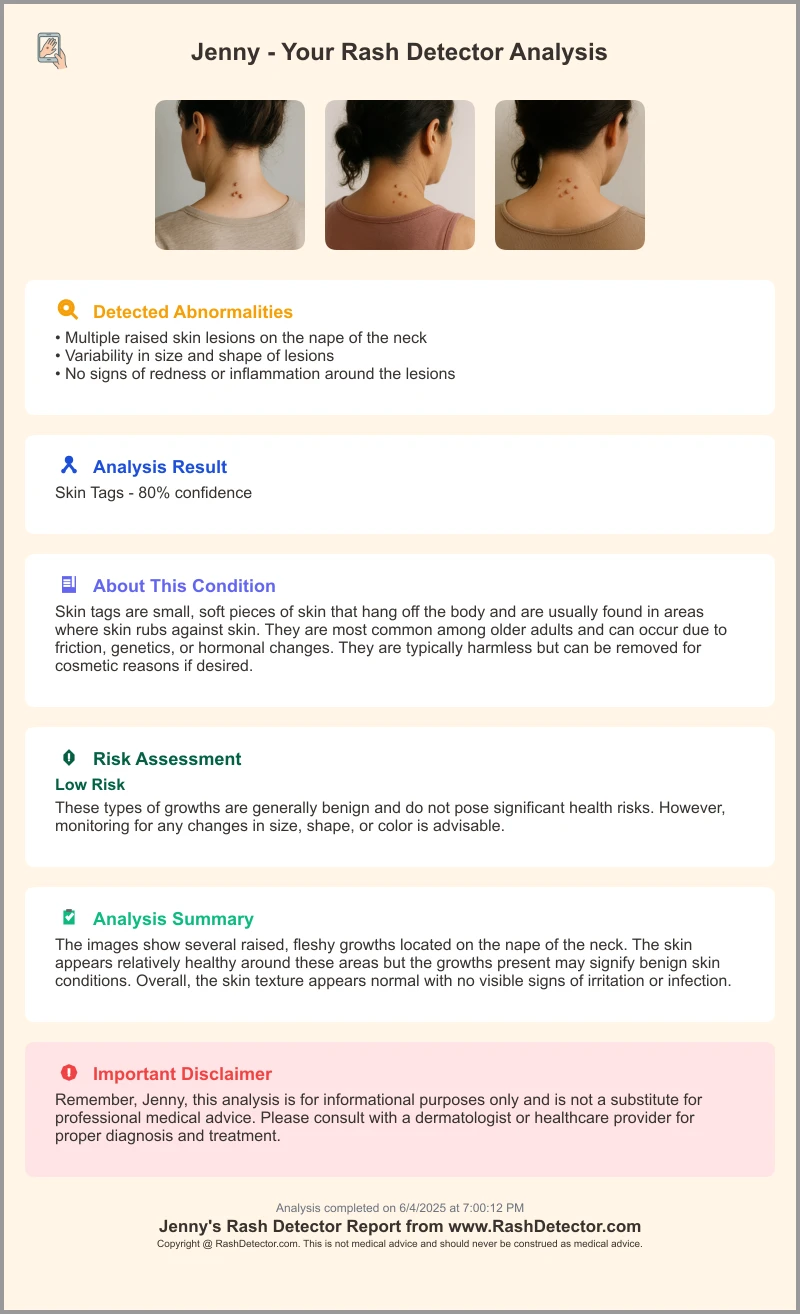
Equally important is recognizing warning signs such as rapid spread, pain, signs of infection, or systemic symptoms, which necessitate urgent professional care. Utilizing advanced diagnostic tools like the AI-powered Rash Detector app can assist in early identification and guide management by analyzing rash images and tracking changes over time.
Remember, severe, spreading, painful, or persistent rashes require consultation with a healthcare provider or dermatologist for accurate diagnosis and appropriate treatment to prevent complications and improve quality of life.
FAQ
Q: When should I worry about a rash that keeps getting worse?
A: You should seek medical evaluation if the rash spreads rapidly, becomes more painful or itchy, shows signs of infection like pus or swelling, or is accompanied by fever or other systemic symptoms. Early professional assessment helps prevent complications.
Q: How long is too long for a rash to last without seeing a doctor?
A: If a rash lasts more than two to three weeks without improvement, or worsens despite home care, it is advisable to see a healthcare professional for assessment. Some rashes require specific treatments to resolve.
Q: What are the most common causes of a rash that won’t go away?
A: Common causes include allergic or irritant contact dermatitis, chronic skin conditions like eczema or psoriasis, infections such as fungal or bacterial, and drug reactions. Proper diagnosis guides effective treatment.
Q: What can I do at home to calm a persistent itchy rash?
A: Use gentle cleansing with fragrance-free products, moisturize regularly to maintain skin barrier, avoid known irritants, apply over-the-counter hydrocortisone cream carefully, take oral antihistamines if needed, and try soothing remedies like oatmeal baths and cool compresses. Avoid scratching to prevent further damage.
Q: When does a rash need a dermatologist or urgent care?
A: Seek urgent care or dermatology consultation if the rash spreads rapidly, is very painful, shows signs of infection (pus, crusting, swelling), or fails to improve after home treatment. Rashes with systemic symptoms such as fever, fatigue, or joint pain also warrant prompt evaluation.
Q: Can hydrocortisone make a rash worse if it is not eczema or dermatitis?
A: Yes, improper use of hydrocortisone on certain infections like fungal or bacterial rashes can worsen symptoms or delay proper treatment. It is important to obtain an accurate diagnosis before prolonged use of corticosteroids.