How to Describe a Rash to a Doctor: The Definitive How-To Guide
Learn how to describe a rash to a doctor, including color, texture, location, and symptoms. Identify rash types and know when to seek medical advice.
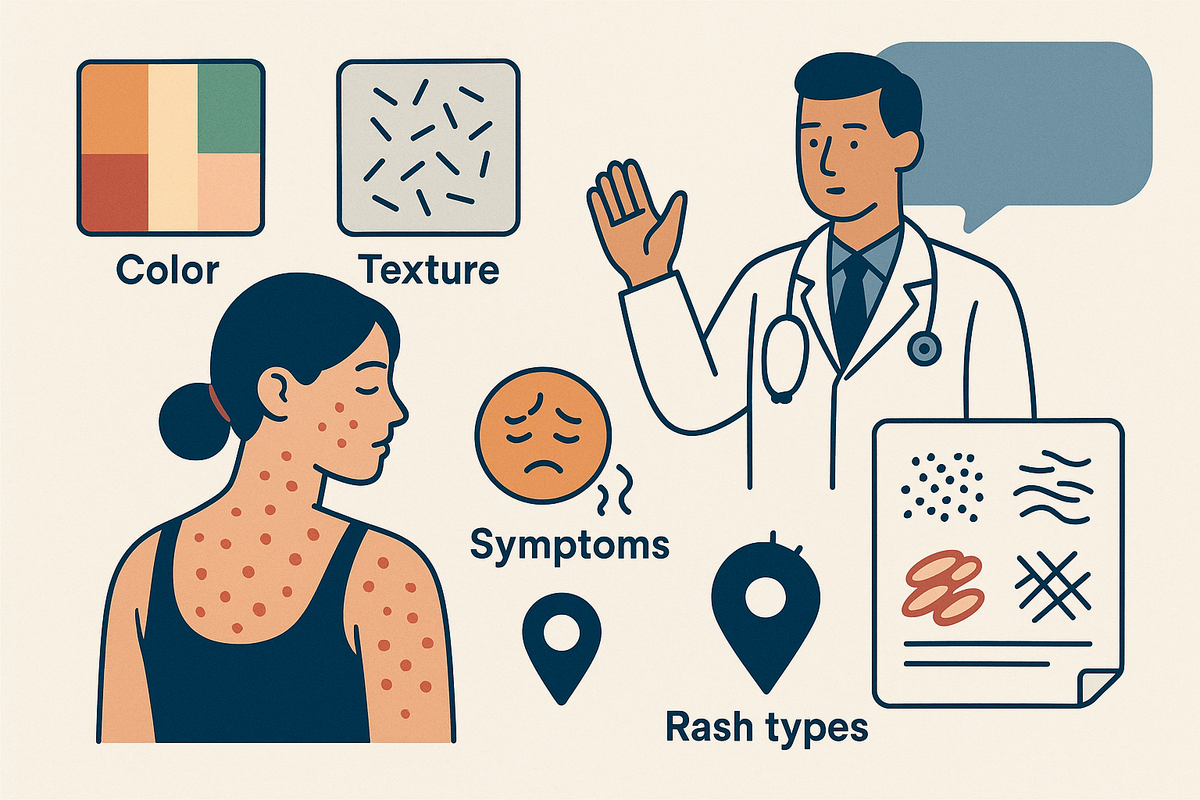
Estimated reading time: 9 min
Key Takeaways
- Accurately describing a rash helps doctors identify possible causes and recommend appropriate next steps.
- Key aspects: onset, location, color, texture, pattern, symptoms, and triggers.
- Rash photos can support your description—AI tools like Rash Detector may help you organize information, but are not a substitute for professional evaluation.
- Know when a rash may be serious and requires urgent medical attention.
- Always seek professional advice for severe, spreading, or persistent rashes.
Learning how to describe a rash to a doctor can make a difference in getting the right diagnosis and care. Whether you've just noticed red spots or are dealing with a mysterious itch, knowing what details to note and how to communicate them is important. This guide will teach you how to identify a rash, use the right terms, and recognize when a rash needs urgent care. We'll also explain how you can use tools like Rash Detector to support your visit and help organize information about your rash from a photo.
Step 1: Note Rash Onset and Timing
The first thing your doctor will want to know is when your rash started and how quickly it appeared. Timing can provide clues about possible causes, such as allergies or infections. Be prepared to answer:
- When did you first notice the rash?
- Did it come on suddenly or develop gradually?
- Is it spreading? If so, how fast?
For example: “I noticed small red bumps on my arms last night, and this morning they’ve spread to my chest.” Tracking changes, even over a few hours, can be important. If the rash is getting worse rapidly, let your doctor know immediately.
Step 2: Describe Exact Location and Distribution
Tell your doctor where the rash began and where it has spread. Certain rashes tend to appear in specific places, so details matter:
- Is the rash local (one area) or widespread?
- Does it affect sun-exposed areas, folds of skin, or pressure points?
- Does it involve palms, soles, scalp, mouth, or eyes?
Be specific: “It started on my cheeks and is now also on my neck and upper chest.” For a detailed self-exam, check out How to Do a Skin Self Exam at Home.
Step 3: Explain the Rash’s Appearance (Morphology)
Doctors use certain terms to describe what a rash looks like. Learning these words helps you communicate clearly:
- Color: Red, pink, purple, brown, white, or skin-colored
- Shape: Round, oval, irregular, target-like
- Size: Small dots, large patches, coin-sized spots
- Borders: Well-defined or blurry edges
Describe whether the rash is flat (macule), raised (papule), bumpy (nodular), or forms patches (plaque). For example: “I have flat red spots with clear edges, about the size of a pencil eraser.”
Step 4: Surface Features and Primary Lesion Type
Identifying the main type of lesion can help narrow down possible causes. Look for:
- Macules: Flat, colored spots
- Papules: Small, raised bumps
- Plaques: Larger, raised areas
- Vesicles: Small, fluid-filled blisters
- Pustules: Pus-filled bumps
- Wheals: Swollen, itchy welts (like hives)
- Crusting/Scaling/Erosion: Dry, flaky, or broken skin
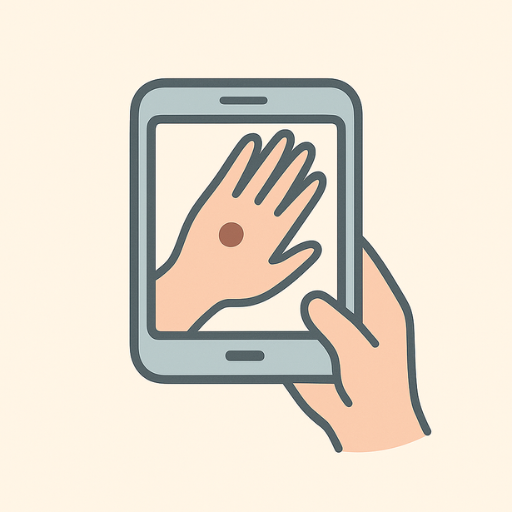
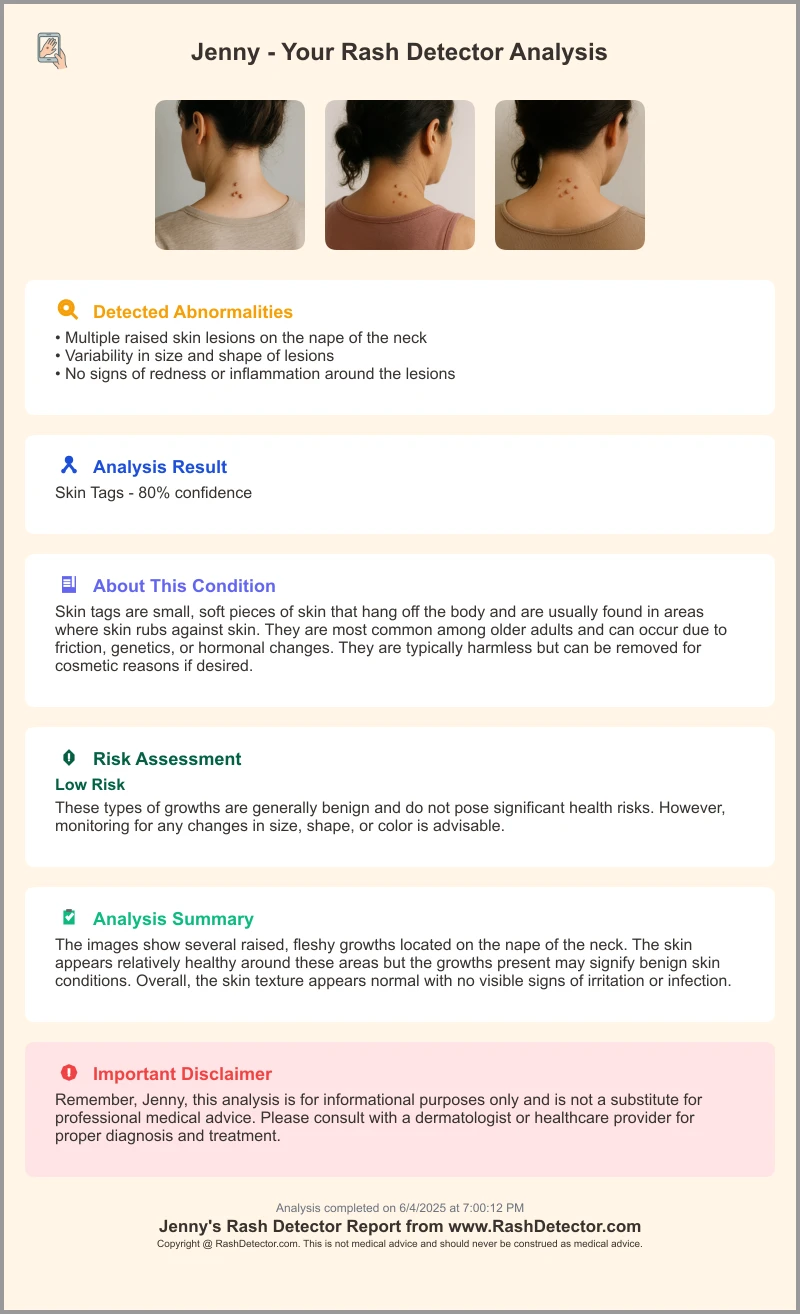
For example: “There are clusters of small blisters filled with clear fluid.” When in doubt, taking clear photos from different angles can help your doctor or an app like Rash Detector organize rash features more accurately.
Step 5: Note Symptoms and Sensations
How a rash feels is just as important as how it looks. Describe:
- Itchiness (mild, moderate, severe, constant, or worse at night)
- Pain, burning, or tenderness
- Warmth or swelling
- Any discharge (clear, yellow, pus)
Mention any changes: “The rash burns when I touch it and is very itchy at night.” This can help distinguish between some types of skin rashes, such as eczema (often itchy) or shingles (which may be painful and burning).
Step 6: Recognize Rash Pattern and Configuration
Patterns can give important diagnostic clues. Is your rash:
- Linear (in a line, like poison ivy)
- Annular (ring-shaped)
- Target-like (concentric rings, as in some drug rashes)
- Clustered (grouped together)
- Symmetric (mirrored on both sides of the body) or asymmetric
- Random or following a specific pattern
For example: “The rash forms red rings with clear centers on both legs.” Describing the configuration helps your provider consider possible causes and rule out serious conditions. If you’re not sure, try uploading photos to a rash checker app for guidance, but always follow up with a healthcare professional.
Step 7: List Triggers, Exposures, and Medical Context
Doctors need to know about anything that might have triggered your rash:
- Recent medications (including over-the-counter drugs and supplements)
- New soaps, lotions, detergents, or cosmetics
- Foods, chemicals, plants, or insect bites
- Recent travel, outdoor activities, or sun exposure
- Recent illnesses, allergies, chronic skin conditions, or immunocompromise
- Any history of similar rashes in the past
For instance: “I started a new antibiotic three days ago and now have a red, itchy rash on my torso.” For more about medicine-related rashes, see Rash from Medication: Causes, Symptoms & Next Steps.
Step 8: Look for Associated Red-Flag Symptoms
Some rash symptoms may require urgent medical attention. Tell your doctor immediately if you have:
- Fever, chills, or malaise
- Shortness of breath or chest pain
- Mouth, eye, or genital sores
- Vomiting, diarrhea, or abdominal pain
- Signs of infection (pus, spreading redness, pain, swelling)
If you develop any of these, seek emergency care or call your doctor right away. Rashes with these symptoms can be serious and may indicate infections, allergic reactions, or other conditions that need urgent treatment. For educational info on treatment options, see Skin Rash Treatment: Effective Solutions and Smart Tools.
Tips & Common Mistakes
- Take clear, well-lit photos of your rash from multiple angles and at different stages.
- Don’t scratch or pick at the rash before seeing your doctor—it can change the appearance.
- Avoid using creams or medications (unless prescribed) before your appointment.
- Don’t downplay symptoms—mention even mild pain, burning, or swelling.
- Be honest about any new medications, foods, or exposures, even if you think they’re unrelated.
- If unsure how to describe your rash, consider using Rash Detector to generate a report you can share with your doctor.
Conclusion
Knowing how to describe a rash to a doctor can help you get better care. Focus on timing, location, appearance, symptoms, patterns, triggers, and any red-flag signs. While tools like Rash Detector can help you organize information about your rash, always consult a healthcare professional for diagnosis and treatment—especially if your rash is severe, spreading, painful, or persists despite home care.
This guide is for educational purposes only and does not substitute for medical advice. If you have concerns about a rash, especially with serious symptoms, see a doctor or dermatologist promptly.
FAQ
- How long have you had the rash and is it spreading?
Always tell your doctor when the rash started and if it’s growing or changing. Rapidly spreading rashes may need urgent medical attention. - What does the rash look like, and is it itchy or painful?
Describe the color, size, shape, and texture of the rash, plus any itching, pain, burning, or other sensations. - What are the best words to describe a rash to a doctor?
Use terms like macule (flat spot), papule (bump), plaque (raised patch), vesicle (blister), pustule (pus-filled), and note the color, size, borders, and pattern. - What information should I tell my doctor about a rash?
Include onset, location, symptoms, pattern, triggers, recent exposures, medications, allergies, and any associated symptoms like fever or swelling. - When is a rash an emergency or a reason to seek urgent care?
Seek immediate help for rashes with fever, difficulty breathing, swelling of the face/throat, mouth/eye sores, severe pain, or signs of infection. - Could a new medication, food, or product be causing the rash?
Yes—always mention any new drugs, foods, or products you’ve used, as these can be common rash triggers. See more at Drug Rash: Causes, Symptoms, and How to Identify It.