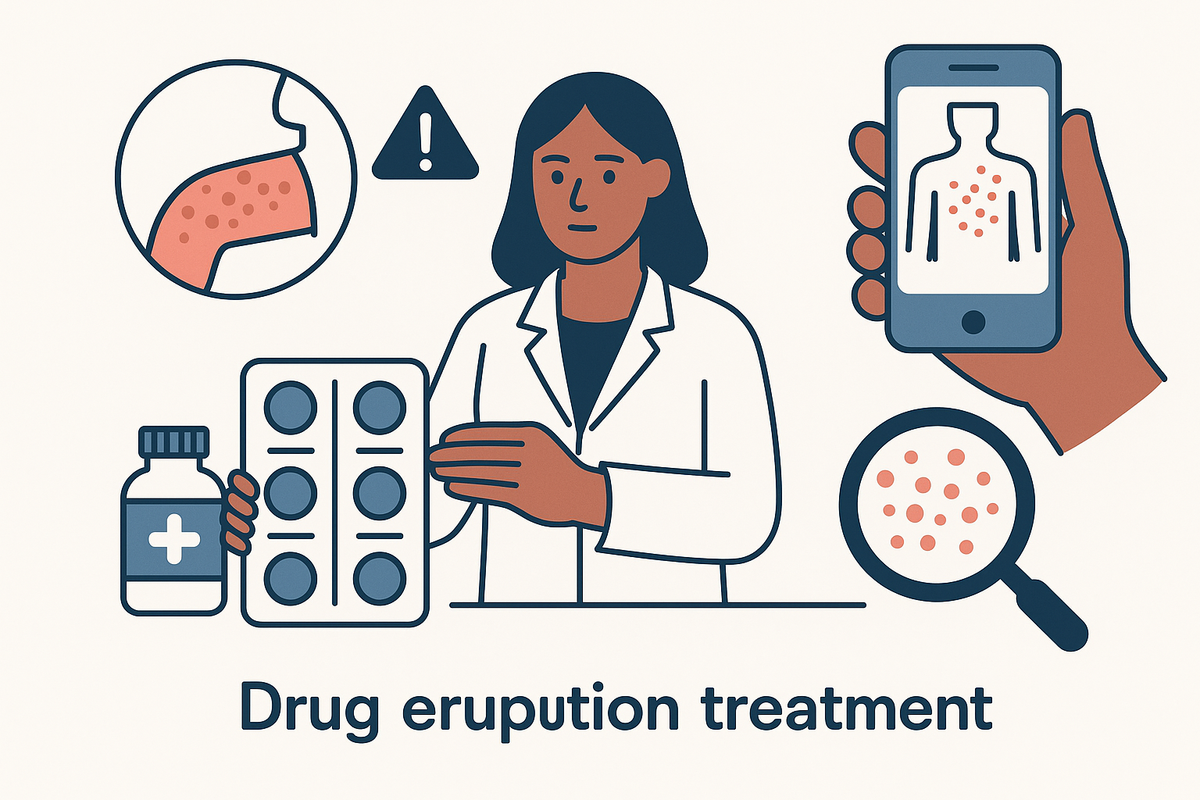
Drug Eruption Treatment: Steps, Options & Expert Guidance
Learn effective drug eruption treatment: identify symptoms, immediate actions, and expert tips. Discover instant analysis with Rash Detector AI skin app.
Estimated reading time: 7 min
Key Takeaways
- Drug eruption treatment starts by stopping the suspected medication and seeking medical advice.
- Symptoms range from mild rashes to severe skin reactions requiring urgent care.
- Accurate identification is crucial—AI skin apps like Rash Detector can help analyze rashes quickly.
- Most drug eruptions resolve with supportive care, but some need prescription treatments.
- Prevention includes medication history review and awareness of common triggers.
Table of Contents
- Section 1: Understanding Drug Eruptions
- Section 2: Recognizing Symptoms and Types
- Section 3: Immediate Steps in Drug Eruption Treatment
- Section 4: Medical Management and Home Care
- Section 5: Preventing Drug Eruptions
- Conclusion
- FAQ
Section 1: Understanding Drug Eruptions
What Are Drug Eruptions?
Drug eruptions are adverse skin reactions caused by medications. They range from mild, itchy rashes to severe, potentially life-threatening conditions. Identifying the cause early is essential for effective drug eruption treatment and to prevent recurrence.
Common Causes
- Antibiotics (e.g., penicillin, sulfa drugs)
- Anticonvulsants
- NSAIDs (non-steroidal anti-inflammatory drugs)
- Allopurinol
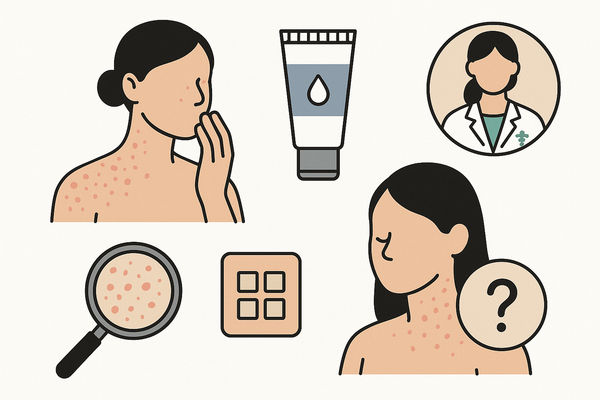
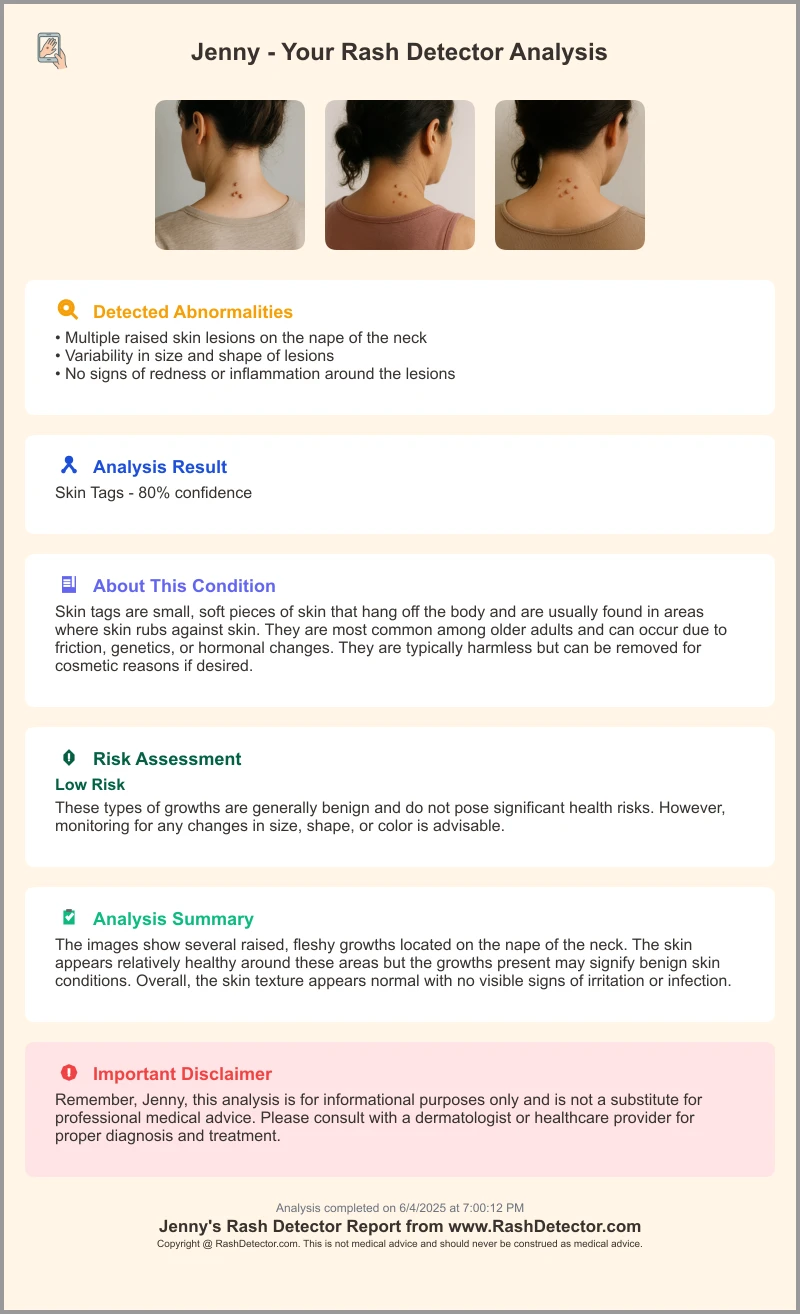
If you’ve recently started a new medication and notice a rash, it’s important to consider a drug eruption as a possible cause. Apps like Rash Detector allow you to upload images and get instant analysis, helping you take the right next steps.
Section 2: Recognizing Symptoms and Types
Common Symptoms
- Red, itchy patches or hives
- Blistering or peeling skin
- Facial swelling
- Fever or malaise (in severe cases)
The timing and appearance of the rash can help distinguish a drug eruption from other causes. For a deeper dive into identifying drug rashes, see Drug Rash: Causes, Symptoms, and How to Identify It.
Types of Drug Eruptions
- Exanthematous (morbilliform): Most common; looks like measles, usually appears 1-2 weeks after starting medication.
- Urticarial: Raised, itchy welts; can appear within hours or days.
- Fixed drug eruption: Red or purple patch that recurs at the same spot with repeat exposure.
- Severe forms: Stevens-Johnson syndrome (SJS) and toxic epidermal necrolysis (TEN) cause widespread blistering and require emergency care.
When to Seek Help
- Rapidly spreading rash
- Blisters or skin peeling
- Difficulty breathing or swelling of the face/tongue
- High fever or severe pain
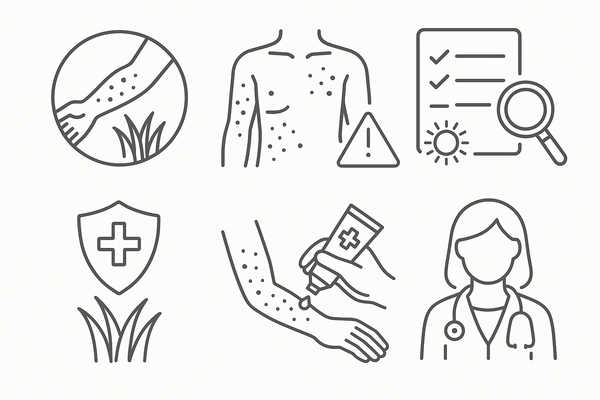
These symptoms can indicate a severe drug eruption or allergic reaction—seek immediate medical attention.
Section 3: Immediate Steps in Drug Eruption Treatment
Stop the Suspected Medication
The first and most critical step in drug eruption treatment is to discontinue the suspected medication, but never stop prescription drugs without consulting your healthcare provider. If you are unsure which drug may be responsible, review all recent medications with your doctor or pharmacist.
Document the Rash
- Take clear photographs of the affected skin areas.
- Note when the rash appeared and any associated symptoms.
- Share this information with your healthcare provider for accurate diagnosis.
Digital tools like Rash Detector can analyze your rash photos and guide you toward the next steps, helping bridge the gap until you see a professional.
Minimize Exposure
- Avoid sun exposure, which can worsen some drug eruptions.
- Stop any over-the-counter creams or remedies unless directed.
Section 4: Medical Management and Home Care
Medical Treatments
- Antihistamines: For itching and mild allergic reactions.
- Topical corticosteroids: Reduce inflammation and itching for mild eruptions.
- Systemic steroids: Prescribed for more severe or extensive reactions.
- Hospitalization: Needed for severe reactions like SJS/TEN.
For a more in-depth look at drug-induced skin reaction treatments, read Drug Rash Treatment: Effective Solutions for Skin Reactions.
Home Care Tips
- Cool compresses to soothe irritated skin
- Fragrance-free moisturizers
- Avoid scratching to prevent infection
- Monitor for new or worsening symptoms
For persistent itching, choosing the right anti-itch cream can make a significant difference—learn more in Best Anti Itch Cream: Top Picks and How to Choose.
Section 5: Preventing Drug Eruptions
Know Your Medication Risks
- Keep a list of all medications and past reactions.
- Inform your healthcare provider of any drug allergies.
- Wear a medical alert bracelet if you have a history of severe reactions.
Consult Before Starting New Medications
Always discuss new prescriptions with your doctor, especially if you have a history of drug eruptions or allergies.
Conclusion
Drug eruption treatment relies on early identification and prompt action. By understanding symptoms, taking immediate steps, and seeking expert care, you can minimize complications. AI-powered solutions like Rash Detector offer instant analysis from your rash photos, supporting timely and informed decisions. Remember, always consult a healthcare provider for diagnosis and management—digital tools are a helpful supplement but not a replacement for professional care.
FAQ
Q: How quickly should I stop a medication if I suspect a drug eruption?
A:
Contact your healthcare provider immediately. Do not stop prescription medication on your own unless instructed.
Q: Can drug eruptions be life-threatening?
A:
Yes, severe reactions like Stevens-Johnson syndrome and toxic epidermal necrolysis require emergency care. Watch for blisters, skin peeling, or breathing difficulty.
Q: Are over-the-counter creams helpful for drug eruptions?
A:
For mild cases, fragrance-free moisturizers and topical corticosteroids can help. Always check with your provider before applying any product.
Q: How can AI apps assist in drug eruption treatment?
A:
AI skin apps, such as Rash Detector, analyze rash images and provide instant insights, helping you decide when to seek medical help.