Causes of Rashes After Swimming: Complete Guide to Identifying Pool, Ocean & Hot Tub Skin Reactions
Discover the causes of rashes after swimming, from chlorine irritation to ocean and hot tub rashes. Learn prevention, treatment, and when to see a doctor.

Estimated reading time: 13 min
Key Takeaways
- Rashes after swimming can result from chlorine, pool chemicals, saltwater, freshwater parasites, or hot tubs.
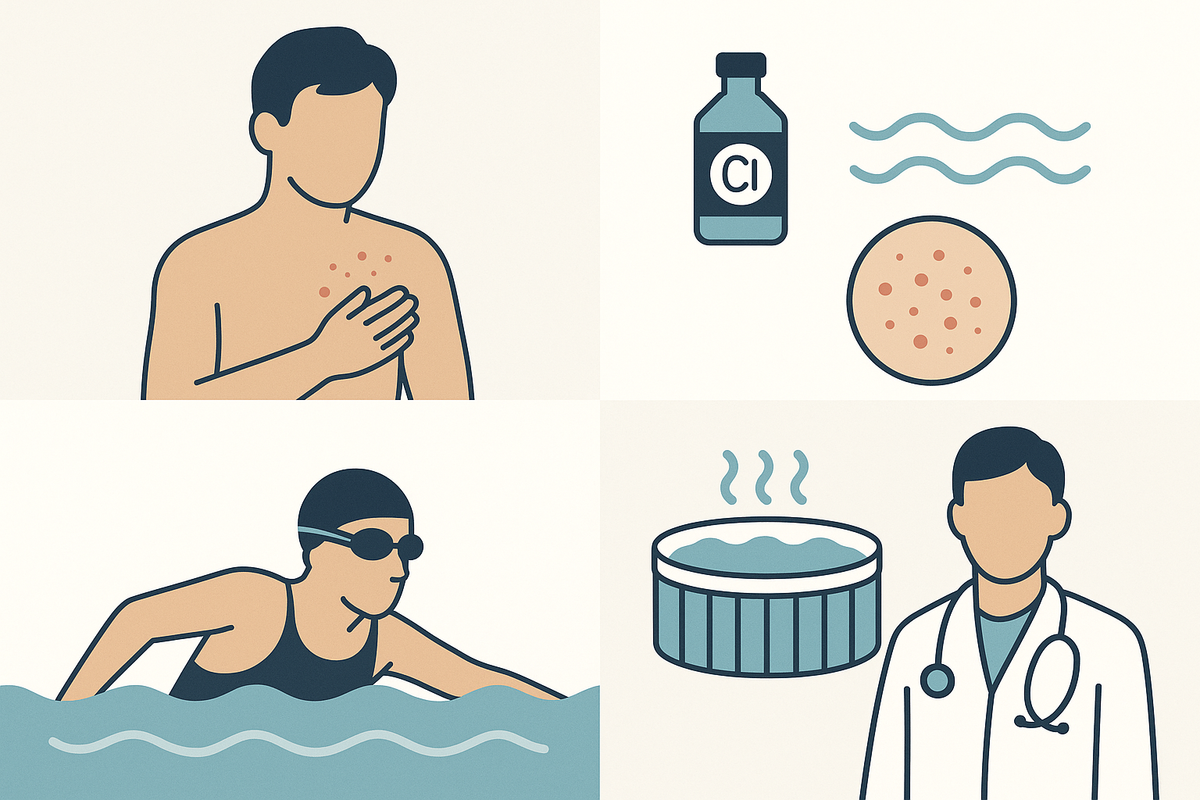
- Common causes include irritant contact dermatitis, heat rash, swimmer’s itch, and folliculitis.
- Underlying conditions like eczema, diabetes, and allergies can increase susceptibility to skin rashes.
- Prevention involves good hygiene, prompt rinsing, and barrier creams; treatment varies by rash type.
- See a doctor for severe, spreading, or persistent rashes after swimming.
Table of Contents
- Section 1: Understanding What Causes Skin Rashes After Swimming
- Section 2: Chlorine Rash, Contact Dermatitis, and Pool Chemical Irritation
- Section 3: Ocean, Lake, and Freshwater Rashes (Swimmer’s Itch & Sea Bather’s Eruption)
- Section 4: Hot Tub Rash, Folliculitis, and Other Waterborne Infections
- Section 5: Dry Skin, Heat Rash, and Barrier Damage After Swimming
- Section 6: Eczema, Sensitive Skin, and Underlying Conditions
- Conclusion
- FAQ
Section 1: Understanding What Causes Skin Rashes After Swimming
Overview of Swimming-Related Skin Reactions
Many people experience itchy, red, or bumpy skin after swimming. The causes of rashes after swimming are diverse, ranging from chemical irritants to living organisms in the water. Whether you swim in a chlorinated pool, a freshwater lake, or the ocean, your skin encounters a range of potential triggers. The combination of prolonged water exposure, temperature changes, and environmental contaminants can compromise the skin’s natural defenses. Understanding the source of your rash is important for proper care and prevention, as strategies differ depending on whether the rash is chemical, infectious, or allergic in nature.
Common Categories of Swimming-Induced Rashes
- Irritant Contact Dermatitis: Triggered by pool chemicals like chlorine or bromine. These substances can strip the skin's natural oils, leading to dryness and inflammation, especially in people with sensitive skin or a history of eczema.
- Allergic Reaction Rash: True allergy to pool additives or environmental factors. While uncommon, some individuals may react to fragrances, algaecides, or other chemicals added to pool water, resulting in hives or widespread redness.
- Heat Rash: Caused by blocked sweat ducts, especially in hot environments like heated pools or summer swim sessions. The combination of warmth, humidity, and trapped sweat under swimwear can lead to prickly heat or miliaria.
- Fungal Skin Rash: More common in communal swimming areas and locker rooms, where warm, moist environments facilitate fungal growth. Athlete's foot and ringworm are classic examples.
- Infectious Rashes: Includes swimmer’s itch, hot tub folliculitis, and ocean-related eruptions. These rashes result from exposure to bacteria, parasites, or marine organisms.
Why Do Rashes Happen?
Rashes occur when the skin’s natural barrier is compromised or reacts to an outside agent. After swimming, triggers include:
- Direct skin contact with pool chemicals, which can disrupt the lipid barrier and cause inflammation
- Exposure to bacteria, parasites, or fungi in water, which may infect or irritate the skin
- Physical irritation from wet swimwear or friction, leading to chafing or exacerbation of existing skin problems
- Pre-existing skin sensitivity (eczema, allergies, diabetes skin rash) that makes the skin more reactive
Identifying the type of rash is the first step in care. For example, a rash that appears within hours of swimming and is limited to areas under swimwear may suggest hot tub folliculitis, while itchy bumps all over the body after a lake swim point to swimmer's itch. Rash Detector offers an instant, AI-powered analysis by reviewing three images of your skin issue, helping to narrow down possibilities. Try Rash Detector for fast guidance if you’re unsure.
Section 2: Chlorine Rash, Contact Dermatitis, and Pool Chemical Irritation
Chlorine Rash vs. Allergic Reaction
Chlorine rash is a common cause of rashes after swimming in pools. Chlorine is not an allergen but a strong irritant. When chlorine binds with organic matter (like sweat, urine, or skin oils), it forms byproducts called chloramines, which can be even more irritating. People with sensitive skin or eczema may be more vulnerable to irritant contact dermatitis—red, itchy, sometimes blistered skin that appears after pool exposure. In contrast, a true allergic reaction to chlorine is extremely rare. Most so-called "chlorine allergies" are actually irritant reactions, but true allergies to other pool additives (such as fragrances, algaecides, or disinfectant byproducts) can occur and may include symptoms like widespread hives, swelling, or even difficulty breathing.
Repeated or prolonged exposure to chlorinated pools may increase the risk of skin barrier damage and sensitization. Children, older adults, and those with a history of atopy (eczema, hay fever, asthma) may be at greater risk.
Symptoms of Chlorine and Contact Dermatitis
- Red, itchy, dry, or cracked patches—most often on arms, legs, and trunk, but sometimes on the face and neck
- Rash appearing within hours of swimming; may worsen with scratching or delayed rinsing
- Burning, stinging, or tenderness, especially if skin is already dry or damaged
- Sometimes small blisters or bumps, especially if the exposure was intense or prolonged
- Peeling or flaking skin in more severe cases, particularly after multiple exposures
These symptoms often improve with prompt rinsing, emollient creams, and avoidance of further exposure. For persistent or severe irritation, topical corticosteroids may be prescribed by a doctor to reduce inflammation. If the rash is accompanied by swelling of the lips, eyes, or tongue, or by difficulty breathing, seek emergency care immediately as this may indicate a severe allergic reaction.
Prevention and Immediate Care
- Shower before and after swimming to reduce chemical buildup on skin and minimize the reaction of chlorine with sweat and oils
- Apply a barrier cream (like petroleum jelly or silicone-based creams) before swimming if prone to rashes; some swimmers use thick emollients on high-risk areas
- Moisturize well after swimming with fragrance-free, ceramide-rich creams to help restore the skin barrier
- Wash swimwear thoroughly between uses to remove residual chemicals; avoid leaving wet swimwear on for extended periods
- Consider wearing tight-fitting goggles or swim caps to protect sensitive facial skin
If your rash is especially itchy, consider reading our guide to the best anti-itch creams for relief. For individuals with persistent or recurrent rashes, talk with your pool facility about pool chemical levels, as over-chlorination can occur if levels are not monitored carefully. In public pools, regulations require chlorine levels to be maintained within a certain range (usually 1–3 ppm for pools, 3–5 ppm for hot tubs), but home pools are sometimes over-treated. Testing strips are available for home pool owners to check levels regularly.
Section 3: Ocean, Lake, and Freshwater Rashes (Swimmer’s Itch & Sea Bather’s Eruption)
Swimmer’s Itch: Parasites in Freshwater
Swimmer’s itch (cercarial dermatitis) is an itchy rash that can occur after swimming in lakes, ponds, or slow-flowing rivers. It’s caused by tiny larvae (cercariae) of flatworms that usually target birds or mammals. When these larvae accidentally contact human skin, they penetrate the outer layer, triggering an allergic reaction. The parasites do not survive in humans, but their entry provokes an immune response.
- Symptoms: Red, raised, intensely itchy spots (often in areas not covered by swimwear, such as arms, legs, and trunk)
- Develops within hours of exposure; the initial tingling or prickling may be felt soon after swimming, followed by visible bumps
- May worsen with repeated exposure, as each encounter increases the likelihood of an allergic-type response
- Often self-resolving within a week, but scratching can lead to secondary bacterial infection
Children may be especially prone to swimmer’s itch because they tend to spend more time in shallow, warm water where the parasites are most concentrated.
Sea Bather’s Eruption: Ocean Rash from Jellyfish Larvae
This rash can appear after ocean swims, especially in tropical and subtropical waters along the Atlantic coast, Caribbean, or Gulf of Mexico. It’s caused by jellyfish or sea anemone larvae (such as Linuche unguiculata and Edwardsiella lineata) trapped under swimwear. The stings produce an itchy, pimply rash called sea bather’s eruption.
- Presents as itchy, red bumps, often on covered skin (swimsuit, armpits, groin, under swim caps)
- Some people experience a stinging or prickling sensation while swimming, but the rash usually appears several hours later
- May be accompanied by fever, headache, or malaise in sensitive individuals
- Can persist for several days, sometimes up to two weeks if not treated or if exposure is repeated
Sea bather’s eruption is distinctive in that it usually affects areas covered by tight swimwear, as larvae become trapped and release more venom when pressure is applied.
Prevention Strategies
- Avoid swimming in affected waters during known outbreaks; check local advisories, especially in summer months when parasite and larval activity may peak
- Remove swimwear and shower immediately after swimming—hot water can help remove larvae that may remain on the skin
- Wash swimsuits thoroughly before reuse; laundering in hot water is recommended to kill any unseen larvae
- For swimmer’s itch, towel off vigorously after leaving the water to remove any remaining parasites before they penetrate the skin
- Consider applying waterproof sunscreen or barrier creams on exposed skin before swimming in known risk areas
If the rash is severe, over-the-counter antihistamines or hydrocortisone creams may help, but see a doctor if symptoms worsen, last more than a week, or show signs of infection (increasing redness, swelling, pus).
Section 4: Hot Tub Rash, Folliculitis, and Other Waterborne Infections
Hot Tub Rash (Pseudomonas Folliculitis)
Hot tubs and poorly maintained pools can harbor Pseudomonas aeruginosa bacteria, which infect hair follicles and cause hot tub rash (folliculitis). This typically appears as red, itchy bumps or pus-filled blisters, usually in areas covered by swimwear or where the skin was in contact with the water for prolonged periods.
- Onset: 6–48 hours after hot tub or pool exposure; sometimes appearing as soon as the next day
- Symptoms: Itchy, tender red bumps; may develop a white or yellow center (pustule); rash may be painful or cause mild burning
- Bumps often appear in clusters and may be surrounded by reddened skin
- Worsens with shaving or friction, as trauma to the hair follicle facilitates bacterial entry
Most cases clear up within a week without treatment, but persistent or worsening infections may require prescription oral or topical antibiotics. Children and those with weakened immune systems are more likely to develop extensive or persistent cases. If you notice fever, spreading redness, or pus, seek medical care promptly.
Other Infectious Causes: Fungal Skin Rash and Viral Rashes
- Fungal skin rash: Locker room and communal showers increase risk of athlete’s foot and ringworm. These infections are often spread by direct contact with contaminated surfaces or towels. Symptoms include red, scaly, itchy patches (often with a ring-like appearance for ringworm) and peeling skin between the toes (athlete’s foot).
- Yeast infections: Warm, moist skin folds (underarms, groin, under breasts) are prone to yeast overgrowth after swimming, especially if skin is not dried thoroughly.
- Viral rashes: In some cases, pool environments may spread molluscum contagiosum (small, dome-shaped bumps with a central dimple) or plantar warts (thickened, rough skin on the soles of the feet caused by human papillomavirus).
Transmission risk increases in crowded facilities and when personal hygiene is suboptimal. Walking barefoot in locker rooms or sharing towels increases risk of both fungal and viral infections.
Prevention & Hygiene Tips
- Always shower before and after swimming to reduce the introduction and spread of microbes on the skin
- Avoid hot tubs with cloudy water, strong odors, or visible debris—these may indicate poor disinfection and high bacterial counts
- Change out of wet swimwear promptly and dry the skin completely, especially in areas prone to friction or where skin touches skin
- Keep skin dry and clean, particularly in skin folds and between the toes
- Wear sandals or water shoes in communal showers and locker rooms to help prevent fungal and viral infections
- Do not share towels, razors, or personal care items with others
If you suspect an infection, such as pus-filled bumps, persistent redness, or fever, seek medical advice promptly. For more on treating drug-induced rashes, check our guide to drug rash treatment if the context fits your symptoms. Remember, early identification and care reduce the risk of complications and spreading to others.
Section 5: Dry Skin, Heat Rash, and Barrier Damage After Swimming
Dry Skin and Barrier Damage
Prolonged exposure to chlorinated or saltwater can strip the skin of its natural oils, leading to dryness, flakiness, and increased sensitivity. This barrier damage makes the skin more vulnerable to irritants, allergens, and secondary infections. People with eczema, psoriasis, or a history of sensitive skin may be at higher risk. Dry skin after swimming often presents as tightness, rough texture, and sometimes fine scaling, especially on the arms, legs, and face. Over time, repeated swimming without proper moisturization can lead to chronic barrier disruption, resulting in persistent redness and itching.
In some cases, the skin may develop small cracks (fissures) that can become entry points for bacteria or fungi, increasing the risk of secondary infection. Children and older adults, whose skin barriers are naturally thinner and less resilient, may be especially susceptible to this kind of damage. Swimmers who spend several hours a week in the pool or sea—such as athletes or frequent recreational swimmers—should be particularly attentive to regular moisturization and barrier repair.
Heat Rash (Miliaria) After Swimming
Heat rash (miliaria) can develop when sweat ducts get blocked, often in hot, humid environments like heated indoor pools or after swimming on hot days. It presents as tiny, itchy red bumps—sometimes with a prickly or burning sensation—on areas that stay damp or are covered by tight clothing or swimwear. Heat rash is most common on the chest, back, underarms, groin, and areas where skin rubs together (such as inner thighs).
- Children, infants, and individuals who sweat heavily may be at higher risk
- Symptoms can worsen if the skin remains wet or if tight swimwear is not removed promptly after swimming
- Rash usually resolves within a few days once the skin is kept cool and dry
- Scratching the rash can lead to small skin breaks and potential infection
Prevent heat rash by drying off promptly, wearing loose, breathable clothing once out of the water, and seeking shade or air conditioning on hot days. Our practical heat rash prevention guide offers more tips for managing this common problem year-round, not just after swimming.
Managing and Preventing Dryness
- Moisturize with fragrance-free, thick creams or ointments (rather than lotions) after every swim to lock in moisture and help repair the skin barrier
- Use gentle, soap-free cleansers to avoid further stripping the skin of its natural oils; avoid harsh soaps or exfoliants after swimming
- Limit time in hot showers or baths, as heat can worsen dryness; opt for lukewarm water and keep showers brief
- Consider applying a pre-swim barrier cream or oil to exposed areas—this may help minimize the penetration of irritants
- Pat skin dry gently with a towel after swimming, rather than rubbing, to reduce mechanical irritation
- Stay hydrated by drinking plenty of fluids, as skin hydration depends in part on internal moisture
Restoring your skin’s barrier reduces the risk of further irritation, rashes, and infection. For athletes, regular swimmers, or those with pre-existing skin conditions, establishing a routine of gentle cleansing and moisturization is important for maintaining skin health. If you develop persistent dry patches, cracks, or pain, consult a dermatologist for tailored advice.
Section 6: Eczema, Sensitive Skin, and Underlying Conditions
Eczema and Flare-Ups After Swimming
People with eczema (atopic dermatitis) may be more prone to rashes after swimming. Chlorine and saltwater can dry and irritate their skin, causing flare-ups characterized by intense itching, redness, and scaling. Even mild, short swim sessions can be enough to trigger symptoms in highly sensitive individuals. The skin of people with eczema is inherently more permeable, allowing irritants and allergens to penetrate more easily.
- Pre-treat with emollients before swimming—applying a thick layer of cream or ointment can form a temporary barrier against water and chemicals
- Rinse off immediately after swimming to remove residual chlorine, salt, or microorganisms that may irritate the skin
- Moisturize generously within 3 minutes of towel-drying to trap water in the skin (the so-called "soak and seal" method)
- Wear soft, protective swimwear made from smooth, non-chafing fabrics to minimize friction
- If eczema flares are frequent, consult your doctor about prescription barrier creams or adjusting your eczema management regimen
It's important to recognize signs of secondary infection in eczema: increased redness, oozing, yellow crusts, or pain. These may require medical treatment. Children with eczema should be monitored closely after swimming sessions, as their symptoms can worsen quickly.
Other Underlying Conditions: Diabetes, Aquagenic Urticaria, and Drug Rash
- Diabetes skin rash: High blood sugar can impair skin healing and increase infection risk after swimming. Even minor irritations or cuts can progress to more serious skin problems. People with diabetes should inspect their skin after swimming and treat any cuts, blisters, or rashes promptly.
- Aquagenic urticaria: A rare condition where contact with water (any temperature) triggers hives within minutes. Welts may last for up to an hour after exposure and are often intensely itchy. Managing this condition requires medical supervision and preventive strategies such as taking antihistamines before exposure and using protective creams.
- Drug rash: Some medications (such as certain antibiotics, diuretics, or anti-inflammatories) can increase skin sensitivity to sun or pool chemicals, leading to abnormal rashes after swimming. These reactions may include redness, blistering, or exaggerated burns on sun-exposed areas. For more, see our detailed post on drug rash causes.
If you have an underlying medical condition and develop a skin rash after swimming, take extra caution. Monitor for signs of infection, keep affected areas clean and dry, and consult your doctor about adjusting any medications or skincare routines as needed.
Stress Rash and Immune Factors
Stress can weaken skin defenses and make individuals more vulnerable to stress rash and flare-ups after swimming. Emotional stress may trigger or worsen eczema, hives, or psoriasis, all of which can be aggravated by swimming. In addition, people with compromised immune systems—such as those with HIV, cancer, or those taking immunosuppressive medications—may be at higher risk for infectious and persistent rashes after swimming.
For these individuals, extra precautions are needed: avoid questionable swimming environments, shower immediately after exposure, and maintain strict moisturizing and skin care routines. Always see a healthcare provider if you have an underlying condition and develop a rash after swimming, especially if it’s severe, spreading, or not improving.
Conclusion
Rashes after swimming can result from a wide variety of causes, including chemical irritation, allergic reactions, infectious agents, and exacerbation of underlying skin conditions. Identifying the specific cause—whether it’s chlorine rash, swimmer’s itch, hot tub folliculitis, or another type—can help guide the best care and prevention strategies. Good hygiene, prompt rinsing, and protective skin care are key. For persistent, severe, or spreading rashes, always consult a doctor or dermatologist for diagnosis and treatment. If you want instant, AI-powered analysis of your skin issue, upload three images to Rash Detector for fast guidance.
FAQ
Q: What causes a rash after swimming in a pool?
A: The most common causes include chlorine or other pool chemicals irritating the skin (chlorine rash/irritant contact dermatitis), bacterial infections (like hot tub folliculitis), or, rarely, an allergic reaction to pool additives. Pre-existing sensitive skin or eczema increases your risk. Less commonly, contaminated pool water can allow the spread of fungal or viral infections, especially in communal facilities. Showering and moisturizing promptly after swimming can help reduce your risk.
Q: Is chlorine rash an allergy or irritation?
A: Chlorine rash is usually an irritation (irritant contact dermatitis), not a true allergy. True allergic reactions to chlorine are very rare. Chlorine and its byproducts can dry and damage skin, leading to redness, itching, and rash. Symptoms are more likely if you have eczema or sensitive skin. If you develop hives, swelling, or trouble breathing, seek immediate medical attention, as this could indicate a more serious allergic reaction (possibly to another pool chemical, not chlorine itself).
Q: Can you get a rash from ocean water or seawater?
A: Yes. Ocean swimming can cause sea bather’s eruption (from jellyfish larvae) or other irritant rashes. Saltwater can also dry the skin and trigger eczema flare-ups in sensitive people. Sometimes, contact with seaweed, coral, or pollution can cause irritation. Wearing protective swimwear and showering promptly can help minimize risk.
Q: What is swimmer’s itch and where does it come from?
A: Swimmer’s itch is an itchy rash caused by microscopic parasite larvae in freshwater lakes or ponds. They burrow into the skin (but don’t survive in humans), causing an allergic skin reaction. The rash is most common on exposed skin and often appears within hours of swimming. Children are particularly at risk, especially in shallow, warm water. The rash typically resolves on its own within a week, but scratching can lead to infection.
Q: Why do I get itchy bumps after hot tub use?
A: Itchy bumps after hot tub use are often due to hot tub folliculitis, an infection of hair follicles by Pseudomonas bacteria that thrive in warm water. The rash usually appears in areas covered by swimwear and may start 1–2 days after exposure. Most cases resolve within a week, but see a doctor if the rash is spreading, painful, or associated with fever.
Q: How do I tell if my rash after swimming is eczema, chlorine rash, or an infection?
A: Eczema flare-ups often involve dry, red, itchy patches and may appear on typical sites (elbows, knees). Chlorine rash usually appears soon after swimming and is limited to exposed areas. Infections like hot tub folliculitis cause red or pus-filled bumps, often in areas covered by swimwear. If you’re unsure or symptoms persist, use Rash Detector for instant analysis and consult a doctor for diagnosis and treatment. For severe, spreading, painful, or persistent rashes, always see a healthcare professional for a full evaluation.
Always consult a doctor or dermatologist for diagnosis and treatment of any rash, especially if symptoms are severe, spreading, painful, or persistent. This article is for general informational purposes only and does not substitute for professional medical advice.