Atypical Rash: Identification, Causes & AI Skin App for Unusual Skin Eruptions
Learn how atypical skin rashes diagnosis can reveal underlying conditions and prevent complications. This expert guide explores unusual skin eruptions.

Estimated reading time: 8 minutes
Key Takeaways
- Definition: An atypical rash deviates from classic patterns in morphology, distribution, or duration.
- Importance: Early recognition can uncover systemic disease or rare conditions and prevent complications.
- Structured Approach: Comprehensive history → Detailed exam → Pattern recognition → Targeted testing.
- Common Pitfalls: Confusing drug eruptions with viral exanthems or overlooking rare presentations.
- Referral: Engage dermatology, rheumatology, or infectious disease specialists for complex or refractory cases.
Table of Contents
- Understanding Atypical Rash and Skin Rashes Diagnosis
- Diagnostic Approach to Atypical Rash
- Differential Diagnosis in Atypical Rash
- Uncommon Presentations and Case Studies in Atypical Rash
- Treatment and Referral Considerations for Atypical Rash
- Conclusion and Takeaways on Atypical Rash
- FAQ
Understanding Atypical Rash and Skin Rashes Diagnosis
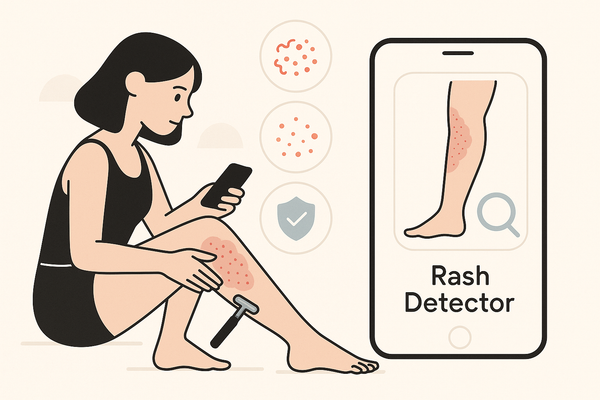
If you notice an atypical rash—a skin eruption that looks unusual or does not match familiar patterns—it can make identification and diagnosis challenging. Atypical rashes often appear in unexpected locations, have uncommon colors or textures, or last longer than typical rashes. These unusual skin eruptions may be the first sign of a systemic disease or a rare dermatological condition, so early recognition is essential. When faced with an atypical rash, using an AI skin app like Rash Detector allows you to photograph and analyze the rash, providing possible causes and guidance based on thousands of skin conditions. This technology is especially valuable for rashes that don’t fit standard patterns, helping you quickly evaluate and manage unusual skin eruptions and potentially improving outcomes when the diagnosis is unclear.
Key differentiators for atypical rashes:
- Deviations from classic locations or appearances (for example, involvement of the palms/soles, or unusual color/texture).
- Lesions persisting beyond the expected duration (weeks to months).
- Uncommon morphologies (plaque-like lesions, papules, ichthyosiform changes).
Examples of atypical presentations:
- Adult-onset Still’s disease: Persistent pruritic plaques instead of fleeting salmon-pink maculopapular rash.
- Atypical pityriasis rosea: Absence of a herald patch or palm/sole involvement, mimicking other dermatoses.
Because an atypical rash may be the first or only sign of a serious condition, a thorough evaluation is essential. If you notice an unusual skin eruption that does not fit common patterns, document changes with clear photos and seek expert input. Leveraging AI tools can help you compare your rash against thousands of conditions, offering valuable support for both patients and healthcare providers.
Sources:
PubMed: Atypical Rash Patterns
PMC Article on Unusual Eruptions
Diagnostic Approach to Atypical Rash
A structured, step-wise evaluation is essential to identify the cause of an atypical rash or unusual skin eruption, especially when the presentation doesn’t match classic rashes. Integrating AI skin analysis can help prioritize possible diagnoses and guide further testing, particularly for rashes that seem out of the ordinary or are persistent.
Step 1: Comprehensive Patient History
- Demographics: age, sex, race.
- Onset and duration: acute vs. chronic.
- Previous episodes and outcomes.
- Medication exposures: prescription, OTC, supplements.
- Travel and environmental exposures.
- Infection history and vaccination records.
- Systemic symptoms: fever, joint pain, weight changes.
Step 2: Detailed Physical Examination
- Color: erythematous, violaceous, hypopigmented.
- Distribution: localized vs. generalized.
- Morphology: macules, papules, plaques, vesicles, pustules.
- Configuration: annular, linear, reticular.
- Mucosal involvement and associated findings (lymphadenopathy, organomegaly).
Step 3: Symptom Assessment and Pattern Recognition
- Constitutional signs suggest systemic disease.
- Pruritus vs. pain vs. burning guides toward allergic, inflammatory, or neuropathic causes.
- Evolution: fixed lesions vs. migrating eruptions.
Step 4: Diagnostic Testing When Uncertain
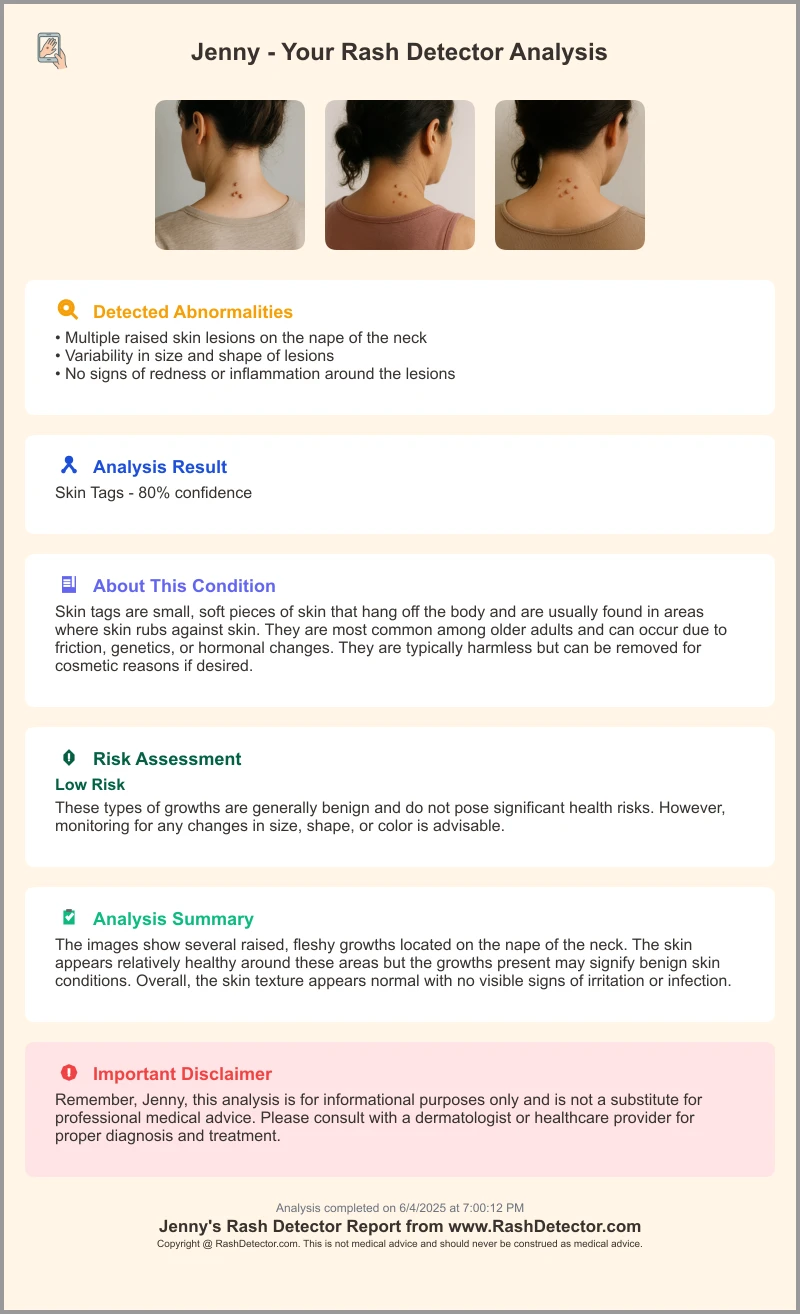
High-quality images are essential for accurate AI and clinical assessment. See best photography practices. Upload clear photos to AI tools like Rash Detector to receive instant feedback on possible causes of an atypical rash, helping both patients and clinicians determine next steps.
- Biopsy and Histopathology: Special stains (PAS, GMS) detect fungi or atypical organisms.
- Laboratory Studies: CBC with differential, ESR/CRP, ANA, rheumatoid factor, viral panels, serum ferritin.
- Imaging: Joint x-rays/MRI, ultrasound for organomegaly.
Combining AI analysis with traditional tests can improve diagnostic accuracy and speed up the evaluation process, especially for rashes that don't fit classic patterns or are resistant to initial treatment.
Sources:
AFP 2010/0315 P726
PMC Atypical Eruptions
PubMed Case Series
Differential Diagnosis in Atypical Rash
Developing a thorough differential diagnosis is key to managing an atypical rash. Consider both rare diseases and unusual presentations of common conditions. AI skin analysis apps can help generate a broad list of potential causes for unusual skin eruptions, which can then be narrowed with clinical and laboratory testing. Always consider that an atypical rash might be the first sign of a more serious underlying issue. Using a tool like Rash Detector can help you spot subtle differences between similar-appearing rashes and prioritize which diagnoses to consider first.
Common pitfalls:
- Drug eruption vs. viral exanthem – both may appear morbilliform.
- Benign dermatosis vs. systemic disease (for example, fixed drug reaction vs. vasculitis).
- Overlooking rare presentations of common diseases (such as lupus panniculitis).
- Missing rare diseases (Sweet syndrome, sarcoidosis).
Systematic exclusion strategy:
- Correlate rash features with timeline and exposures.
- Use targeted labs to rule out infections and autoimmune causes.
- Perform biopsy when clinical features overlap.
- Re-evaluate and refine differential with additional studies.
Always document the evolution of the atypical rash and any new symptoms, as this can help narrow the diagnosis and track treatment response. Taking sequential photos is especially helpful when using AI tools or consulting with specialists, ensuring changes are accurately tracked over time.
Sources:
AFP 2010/0315 P726
PubMed Case Series
Uncommon Presentations and Case Studies in Atypical Rash
Case Study 1: Adult-onset Still’s Disease
- Presentation: High fevers, arthralgia, persistent pruritic plaques.
- Challenge: Misdiagnosed as drug reaction, delayed systemic inflammation recognition.
- Resolution: Elevated ferritin, neutrophilic urticarial dermatitis on biopsy, systemic corticosteroids.
- Learning Point: Use serologic markers and histopathology for confirmation.
Case Study 2: Atypical Pityriasis Rosea
- Presentation: Scaly rash on trunk, palms, and soles without herald patch.
- Workup: Negative RPR/VDRL to exclude secondary syphilis.
- Management: Topical corticosteroids; natural course over 6–8 weeks.
- Learning Point: Perform serologic exclusion when morphology overlaps serious conditions.
These cases illustrate how an atypical rash can mimic other diseases, highlighting the importance of careful clinical and laboratory assessment. AI tools can assist in early identification of patterns that may otherwise be overlooked, supporting earlier intervention and improved outcomes.
Sources:
PMC Atypical Eruptions
PubMed Case Series
Treatment and Referral Considerations for Atypical Rash
Managing an atypical rash depends on the underlying cause, severity, and whether there is systemic involvement. Early and accurate diagnosis, aided by a combination of clinical evaluation and AI analysis, is critical for guiding effective treatment and preventing complications. If you’re unsure about the next steps, AI skin apps can help you determine when a referral is needed or when to seek urgent care, especially for unusual skin eruptions that are worsening or spreading.
Treatment Options:
- Topical corticosteroids for localized inflammation.
- Systemic corticosteroids or immunosuppressants for moderate to severe autoimmune eruptions.
- Antihistamines for pruritus relief.
- Targeted biologics (such as IL-1 inhibitors in Adult-onset Still’s disease).
- Antimicrobials when infections are identified.
When to Refer:
- Uncertain diagnosis after initial evaluation.
- Suspected systemic involvement.
- Refractory rashes despite adequate therapy.
- Advanced immunological testing, phototherapy, or biologics needed.
Teledermatology can be an option if in-person referral is delayed; see the online dermatologist consultation guide for tips. Documenting rash progression with high-quality photos, especially when using AI skin apps, can help specialists provide more accurate recommendations.
Conclusion and Takeaways on Atypical Rash
An atypical rash requires vigilance, structured evaluation, and a broad differential. Key points:
- Definition: Eruptions with unusual morphology, distribution, or duration.
- Importance: May reveal systemic disease or rare conditions.
- Approach: History → Exam → Pattern recognition → Targeted testing.
- Pitfalls: Confusing drug eruptions, missing rare presentations.
- Referral: Engage specialists for complex or refractory cases.
Stay current with emerging dermatological research and leverage AI tools to recognize new atypical patterns and improve patient outcomes. Early identification and expert-guided management are key to preventing complications.
FAQ
Q: What qualifies a rash as “atypical”?
A: An atypical rash shows unusual morphology, distribution, or persistence beyond expected timelines compared to classic dermatoses. Examples include rashes involving the palms and soles, or those lasting longer than typical viral exanthems. If the rash does not match common patterns, consider using an AI skin app for an initial assessment of your unusual skin eruption.
Q: How can AI help diagnose an atypical rash or unusual skin eruption?
A: AI skin apps like Rash Detector use advanced image analysis to compare your rash photo against a database of thousands of skin conditions. This can quickly suggest possible causes for atypical rashes that don’t fit classic descriptions, helping you decide if further testing or specialist referral is needed.
Q: When should I seek medical attention for an atypical rash?
A: Seek prompt care if your atypical rash is accompanied by fever, pain, joint swelling, difficulty breathing, or rapidly spreading lesions. These symptoms may indicate a serious underlying condition. AI skin apps can help you monitor changes and decide when to consult a healthcare provider.
Q: Can I use Rash Detector for all skin rashes?
A: Rash Detector is designed to assist with a wide range of rashes, including atypical and unusual skin eruptions. However, it should not replace a medical diagnosis—always consult a healthcare professional for persistent, severe, or unclear rashes.