Online Dermatologist Consultation: A Complete Guide
Explore the advantages of an online dermatologist consultation for convenient, cost-effective skin care. Learn how to optimize your virtual dermatology visits.


Estimated reading time: 6 minutes
Key Takeaways
- Convenience: Consult board-certified dermatologists from home without travel or waiting rooms.
- Expanded Access: Reach specialists nationwide, ideal for rural or underserved areas.
- Cost-Effectiveness: Potential for lower fees and no incidental expenses like parking or childcare.
- Privacy & Prompt Care: Secure video calls and encrypted photo uploads for sensitive concerns.
- Step-by-Step Process: From booking to video consult—learn how teledermatology works in 2026.
- Expert Tips: Prepare equipment, photos, and medical history for a smooth visit.
- Service Comparison: When to choose online care versus an in-person exam.
- Selection Criteria: Evaluate security, pricing, credentials, reviews, and support before booking.
Table of Contents
- Introduction
- How Online Dermatologist Consultations Work
- Detailed Services Offered in Online Dermatology
- Comparing Online vs. In-Person Consultations
- Choosing the Right Online Dermatology Service
- Conclusion
- FAQ
Introduction
An online dermatologist consultation connects you remotely with board-certified skin specialists via secure video calls, messaging platforms, or photo submissions. As of 2026, teledermatology services have continued to develop, with improved digital tools, higher-resolution video, and expanded nationwide access. This means professional skin care can be accessed from your home, reducing travel time, parking hassles, and waiting rooms.
Note: Online consultations are for general guidance and non-emergency issues. For diagnosis and treatment—especially for severe, spreading, painful, or persistent symptoms—always see a doctor or dermatologist in person.
How Online Dermatologist Consultations Work
Step 1: Selecting and Scheduling a Consultation
- Visit a teledermatology platform’s website or mobile app (most major providers now offer both).
- Choose “Book an online dermatologist consultation.”
- Browse available time slots on a real-time calendar interface, often with same-day or next-day options in 2026.
- Complete payment using secure, encrypted gateways (credit card, PayPal, HSA/FSA accounts, and increasingly, Apple Pay or Google Pay).
Step 2: Pre-Visit Intake and Medical History
- Fill out digital forms with personal details (name, DOB, contact info).
- Provide medical history: existing skin conditions, medications, allergies, recent travel, and family history of skin disease.
- Describe current skin concerns, including onset, symptoms (itch, pain, swelling), and any treatments tried.
Step 3: Sending Skin Photos to Doctor
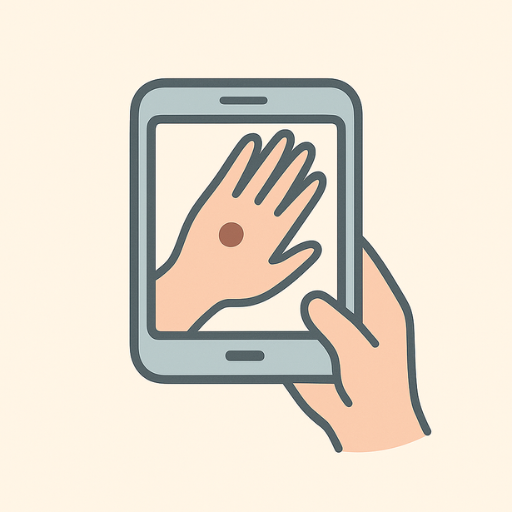
- Use an encrypted, HIPAA-compliant portal or app to upload high-res images.
- Photo tips: shoot in natural light, capture multiple angles, include a ruler or coin for scale, and avoid filters or makeup.
- Ensure images are sharp, focused, and representative of color and texture. Many apps now provide built-in guides for optimal photo submission.
For detailed guidance on tracking your rash over time.
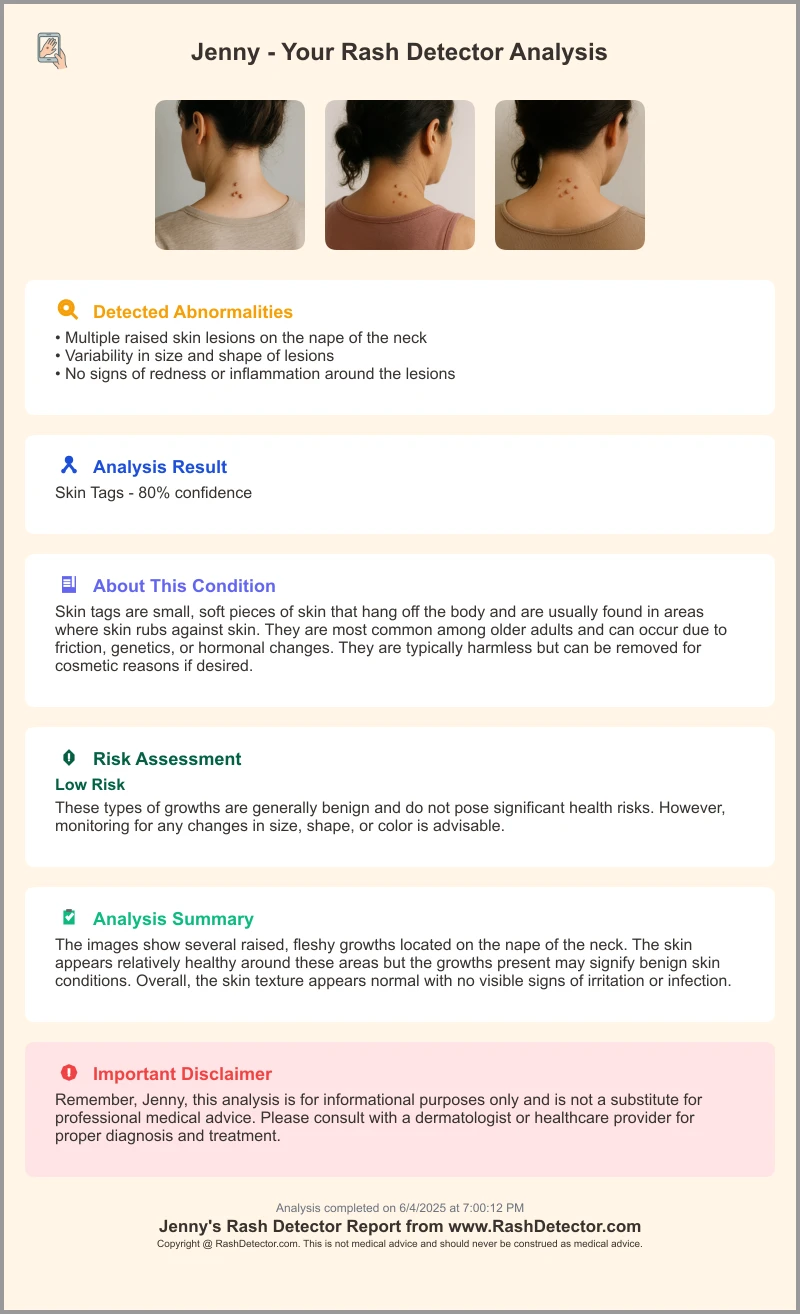
For a quick, photo-based skin analysis before your consultation, you can try Rash Detector, which uses AI to generate an instant sample report from your images and may help streamline your teledermatology experience. As of 2026, Rash Detector offers improved accuracy and integrates with several major telehealth platforms for sharing with your dermatologist.
Step 4: Conducting the Video Consultation
- Join the private video link or secure chat at the scheduled time (most platforms now support HD video and real-time screen sharing for image review).
- Your dermatologist reviews your intake form and photos ahead of the call.
- They perform a live visual exam, discuss your history, and provide general guidance or possible diagnoses.
- Receive recommendations, prescriptions, or referrals for further testing as needed.
Detailed Services Offered in Online Dermatology
Telehealth Rash Diagnosis Cost (2026)
- Typical fee range: $60–$170 per session, depending on provider, consultation length, and region.
- Insurance: Many platforms now accept major plans (e.g., Blue Cross, UnitedHealthcare, Aetna, Cigna). Some also support Medicaid and Medicare Advantage in select states. Always check coverage before booking.
- Out-of-Pocket Estimates: Most services offer up-front pricing calculators and transparent breakdowns, including for follow-up visits.
For a comparison of top photo rash diagnosis tools.
Virtual Dermatology Visit Tips
- Camera & Microphone Prep: Test your device in advance; use a quiet, well-lit room with minimal background noise. Many apps now include pre-call tech checks.
- Photo Preparation: Remove makeup or lotions, shoot in daylight, include both wide-shot and close-up views of the affected area.
- Documentation: List all symptoms, onset date, any triggers (new soaps, medications, foods), and current medications or topical treatments.
- Technical Readiness: Log in 5–10 minutes early; keep your app and operating system updated for best performance.
Prescriptions After Video Consult
- E-Prescribing: Dermatologists can send prescriptions electronically to your chosen pharmacy, often soon after your consult.
- In-App Fulfillment: Some services offer direct shipping of topical creams or oral medications to your door, with order tracking included.
- Follow-Up Care: Book virtual check-ins to track progress, share updated photos, and adjust dosing or treatment plans as needed. Many platforms now offer automated reminders for follow-up visits.
Comparing Online vs. In-Person Consultations
- Convenience: Online—home access, no travel; In-Person—requires driving, parking, and waiting.
- Accessibility: Online—potential for nationwide reach; In-Person—limited to local clinics and specialist availability.
- Cost: Online—may offer lower fees, no incidental expenses; In-Person—typically higher fees, plus travel and time costs.
- Diagnostic Scope: Online—visual assessment for common conditions (rashes, acne, eczema, psoriasis, mild infections); In-Person—full exams, biopsies, and minor procedures.
- Privacy: Online—confidential in-home setting; In-Person—shared reception and exam areas.
- Limitations: Online—cannot provide hands-on care, urgent treatments, or surgeries; In-Person—required for emergencies, severe or rapidly spreading symptoms, and procedures.
Important: If your rash is severe, rapidly spreading, painful, blistering, or accompanied by fever or other systemic symptoms, seek immediate in-person medical care.
Choosing the Right Online Dermatology Service
Security in Sending Skin Photos to Doctor
- Verify HIPAA compliance and end-to-end encryption for all uploads and communications. In 2026, most reputable platforms display security certifications clearly.
- Review privacy policies for how your images and data are stored, used, and deleted. Look for options to remove your data after the consult.
Transparent Telehealth Rash Diagnosis Cost
- Look for clear fee schedules, cost breakdowns, and information about follow-up visit pricing.
- Confirm accepted insurance plans, HSA/FSA eligibility, and out-of-pocket estimates before booking.
Provider Credentials and Licensing
- Ensure all dermatologists are board-certified and licensed in your state. Most platforms now display provider bios, credentials, and years of experience.
- Check for sub-specialties (pediatric, cosmetic, surgical dermatology) if relevant to your case.
Patient Reviews and Testimonials
- Read independent reviews on sites like Trustpilot, Google, or Healthgrades. Look for patterns in feedback on diagnosis accuracy, communication, and customer service.
- Some platforms now feature verified patient video testimonials for added transparency.
Customer Support and Tech Assistance
- Choose services with live chat, phone support, and easy troubleshooting. Many now offer 24/7 tech support for appointment issues.
- Confirm support hours for pre- and post-consult questions, prescription help, and follow-up scheduling.
Conclusion
An online dermatologist consultation in 2026 can offer convenient, potentially cost-effective, and accessible skin care using secure video links and encrypted photo uploads. Prepare by following virtual dermatology visit tips, gathering your medical history, and ensuring technical readiness. After your video consult, prescriptions after video consult may be e-prescribed or shipped directly to you, with easy follow-ups to monitor progress. When choosing a service, verify security, compare telehealth rash diagnosis cost, confirm credentials, read reviews, and test customer support to find the best fit for your needs and budget.
Remember: Online dermatology is for general guidance and non-emergency care. For diagnosis and treatment—especially for severe, spreading, painful, or persistent symptoms—always consult a doctor or dermatologist in person.
FAQ
- How much does an online dermatologist consultation cost in 2026? Typically between $60 and $170 per session; many platforms accept insurance or HSA/FSA payment.
- What equipment do I need for a virtual exam? A smartphone or computer with a camera, microphone, and stable internet connection. Most platforms now support both iOS and Android, as well as desktop browsers.
- How should I take skin photos? Use natural light, shoot multiple angles, include a ruler or coin for scale, and ensure images are focused and makeup-free. Many apps provide step-by-step photo guides.
- Can I get prescriptions after a video consult? In many cases, dermatologists can send e-prescriptions to your local pharmacy or arrange for medications to be shipped directly to your door, depending on your location and the platform's capabilities.
- When should I choose an in-person visit instead? For urgent skin issues, rapidly spreading or painful rashes, surgical procedures, biopsies, or if your symptoms are severe or persistent. Always seek prompt in-person care for emergencies.