
When to See a Dermatologist for Rashes: Expert Guidance
Wondering when to see a dermatologist for rashes? Learn key signs, symptoms, and when urgent care is needed to protect your skin health.


Estimated reading time: 18 min
Key Takeaways
- Recognize red-flag rash symptoms that may require prompt dermatologist evaluation, including specific signs such as blistering, pain, and rapid spread.
- Understand when rashes accompanied by systemic symptoms or rapid progression should prompt urgent medical attention.
- Learn which common chronic rashes often benefit from specialist care and how dermatologists tailor treatments based on underlying causes.
- Identify when urgent or emergency care may be necessary for rashes with severe or potentially life-threatening symptoms.
- Use AI tools like Rash Detector for early analysis but always consult a healthcare professional for definitive diagnosis and treatment plans.
Table of Contents
- Section 1: Recognizing Red-Flag Rash Symptoms
- Section 2: Persistent, Recurrent, or Non-Improving Rashes
- Section 3: Rashes Accompanied by Fever or Systemic Illness
- Section 4: Rapidly Spreading or Extensive Rashes
- Section 5: Rashes with Blisters, Sores, or Signs of Infection
- Section 6: Rashes in Sensitive Areas and Severe Symptoms
- Conclusion
- FAQ
Section 1: Recognizing Red-Flag Rash Symptoms
What Are Red-Flag Rash Symptoms?
Red-flag rash symptoms are warning signs that a skin eruption may indicate a serious underlying condition, such as an infection, allergic reaction, or systemic illness, which may require prompt medical attention. Early identification of these symptoms can help initiate timely treatment and avoid complications, including long-term scarring, systemic spread of infection, or potentially life-threatening conditions.
Key Red Flags to Watch For
- Severe pain or burning sensation: A rash accompanied by intense pain or burning, rather than just itching or mild discomfort, can suggest active inflammation, nerve involvement (such as shingles), or bacterial infection. For example, herpes zoster typically causes a painful, burning rash often confined to one dermatome.
- Rapid appearance or sudden worsening: A rash that develops suddenly over minutes to hours or rapidly enlarges may indicate an acute allergic reaction (such as urticaria), cellulitis, or systemic infection. For instance, Stevens-Johnson syndrome can progress quickly and requires immediate care.
- Blistering or open sores: The presence of blisters or erosions breaks the protective skin barrier, increasing the risk of secondary infection and fluid loss. Conditions like bullous pemphigoid, pemphigus, or severe drug reactions manifest with blistering and should be evaluated promptly.
- Oozing, pus, or crusting: These signs often point to bacterial superinfection, commonly with Staphylococcus aureus or Streptococcus pyogenes. Impetigo, characterized by honey-colored crusts, is a common example requiring medical evaluation and treatment.
- Swelling or difficulty breathing: Facial or neck swelling, especially with airway constriction or wheezing, can indicate anaphylaxis—a medical emergency requiring immediate intervention.
When to See a Dermatologist Immediately
If you experience any red-flag symptoms, particularly blistering, severe pain, rapid progression, or signs of infection, seek evaluation by a dermatologist or emergency care without delay. A dermatologist can perform necessary diagnostic tests, such as skin biopsies or cultures, and initiate appropriate therapies including systemic medications. Early intervention may help prevent irreversible skin damage or systemic complications.
Section 2: Persistent, Recurrent, or Non-Improving Rashes
Understanding Persistent Rashes
Rashes that persist beyond two to three weeks despite self-care efforts may indicate underlying chronic dermatologic conditions. Common examples include:
- Eczema (Atopic Dermatitis): Characterized by dry, scaly, and itchy patches, often on flexural areas, eczema can last months to years without effective treatment and may require prescription topical corticosteroids or immunomodulators.
- Psoriasis: Presents as well-demarcated, thickened plaques with silvery scales, frequently on elbows, knees, and scalp. Chronic psoriasis may necessitate systemic treatments such as methotrexate or biologics.
- Fungal Infections: Tinea corporis or versicolor may present as persistent rashes that do not resolve without antifungal therapy.
Persistent rashes warrant dermatology evaluation to confirm diagnosis and initiate targeted therapies, improving outcomes and quality of life.
Recurrent Rashes and Their Causes
Rashes that recur in the same location or cyclically may indicate ongoing exposure to triggers or an underlying immune process. Examples include:
- Allergic Contact Dermatitis: Repeated contact with allergens such as nickel, fragrances, or latex can cause recurrent localized rashes. Patch testing by a dermatologist helps identify specific allergens.
- Herpes Simplex Virus: Causes recurrent painful vesicular eruptions, commonly on lips or genital areas.
- Autoimmune Conditions: Lupus erythematosus or dermatomyositis can cause rashes that flare intermittently.
Maintaining a symptom diary and noting potential triggers can assist dermatologists in formulating effective prevention and treatment plans.
Why Non-Improving Rashes Need Professional Evaluation
Rashes that do not improve or worsen despite over-the-counter medications or home remedies may require prescription treatments, diagnostic workup including skin biopsy, blood tests, or allergy testing. Accurate diagnosis is important as many rashes mimic each other clinically but differ in management. For example, differentiating between psoriasis and eczema impacts choice of treatment significantly. A dermatologist’s expertise helps ensure that patients receive effective and safe therapies.
For detailed advice on managing stubborn skin conditions, see our Skin Rash Treatment: Effective Solutions and Smart Tools article.
Section 3: Rashes Accompanied by Fever or Systemic Illness
When a Rash Signals Systemic Infection
A rash accompanied by systemic symptoms such as fever, chills, malaise, or body aches suggests that the rash may be part of a systemic infectious process rather than a localized skin issue. Some infections with characteristic rashes include:
- Measles: Presents with a widespread maculopapular rash following prodromal symptoms including cough, coryza, conjunctivitis, and high fever.
- Meningococcemia: Characterized by purpuric or petechial rash with fever and signs of septicemia; requires immediate hospitalization.
- Scarlet Fever: Caused by group A Streptococcus, presents with a fine, sandpaper-like rash and sore throat.
- Rocky Mountain Spotted Fever: Features a rash that begins on wrists and ankles, accompanied by fever and headache.
These rashes often signal potentially serious infections necessitating urgent medical evaluation and treatment.
Recognizing Serious Illnesses from Rash Patterns
- Meningitis rash: Purplish spots or bruising (petechiae or purpura) along with fever, neck stiffness, photophobia, and altered consciousness warrant emergency care.
- Drug reactions: Severe hypersensitivity reactions such as drug rash with eosinophilia and systemic symptoms (DRESS) can manifest as widespread rash with fever, lymphadenopathy, and internal organ involvement.
- Sepsis signs: Rapidly spreading rash with systemic shock symptoms (low blood pressure, tachycardia) requires intensive care.
Immediate Steps to Take
If a rash appears concurrently with systemic symptoms, seek emergency care immediately. Early recognition and treatment can be lifesaving. Dermatologists often collaborate with infectious disease specialists, internists, and critical care teams to manage these complex cases.
Section 4: Rapidly Spreading or Extensive Rashes
Why Rash Spread Matters
The speed and extent of rash spread provide important clues to the underlying cause and urgency. Rapid expansion over large body surfaces can indicate aggressive infections, severe allergic reactions, or autoimmune flare-ups. For example, rapid spread of cellulitis can progress to necrotizing fasciitis, a surgical emergency.
Common Causes of Rapid Spread
- Cellulitis or skin infections: Bacterial infections spreading through skin and subcutaneous tissues often cause redness, warmth, tenderness, and swelling that can enlarge significantly within hours.
- Drug reactions: Acute generalized exanthematous pustulosis (AGEP) or severe urticaria cause widespread hives or pustules quickly after drug exposure.
- Severe eczema or psoriasis flare-ups: These chronic conditions can worsen rapidly due to triggers such as infections, stress, or medications.
- Contact dermatitis: Continued exposure to allergen or irritant can cause dermatitis to spread or worsen.
When to Get Urgent Dermatology Care
If a rash covers more than 10% of the body surface area or worsens rapidly within hours, it is important to seek urgent evaluation. This is especially critical if associated with fever, pain, or signs of systemic illness. Early dermatologic assessment helps differentiate between infectious and non-infectious causes and guides timely treatment to reduce potential complications such as sepsis or extensive skin damage.
Section 5: Rashes with Blisters, Sores, or Signs of Infection
Identifying Infected Rashes
Blisters, open sores, and crusted lesions often indicate secondary infection or specific infectious diseases needing prompt treatment. Common conditions include:
- Impetigo: A contagious superficial bacterial infection commonly seen in children, characterized by honey-colored crusted sores, often around the nose and mouth.
- Herpes zoster (shingles): Reactivation of varicella-zoster virus causes grouped vesicles on an erythematous base in a dermatomal distribution, accompanied by pain and burning.
- Eczema complicated by bacterial infection: Atopic dermatitis lesions can become secondarily infected, worsening symptoms and requiring antibiotics.
Signs of Infection to Monitor
- Yellow crusts or purulent discharge which may indicate Staphylococcal or Streptococcal infection.
- Increasing redness, warmth, and swelling extending beyond the original rash.
- Swollen lymph nodes near the affected area, signaling immune response to infection.
- Development of fever, chills, or malaise accompanying skin changes.
How Dermatologists Treat Infected Rashes
Dermatologists may obtain skin swabs or cultures to identify the causative organism and tailor antibiotic or antiviral therapy accordingly. They also provide wound care guidance including hygiene, dressing changes, and prevention of spread. Prompt and appropriate treatment reduces risk of complications such as cellulitis, abscess formation, or scarring.
Learn more about drug-induced rashes and treatment at Drug Rash Treatment: Effective Solutions for Skin Reactions.
Section 6: Rashes in Sensitive Areas and Severe Symptoms
Rashes Affecting Sensitive Skin
Rashes located on sensitive areas such as the face, around the eyes, lips, mouth, or genitals require particular attention due to the risk of complications including pain, infection, scarring, and psychological impact. Examples include:
- Herpes simplex virus infections: Often affect lips (cold sores) or genital areas and can cause painful vesicular lesions that recur.
- Oral thrush (candidiasis): Causes white patches inside the mouth, often in immunocompromised individuals.
- Contact dermatitis: Allergic or irritant reactions may involve eyelids or genitals, where skin is thin and more vulnerable.
Specialized treatments and careful monitoring are important to minimize damage and symptoms in these regions.
When Pain, Intense Itching, or Sleep Disruption Occur
Severe itching or pain can severely impact sleep quality and daily functioning. Chronic conditions like eczema, psoriasis, or urticaria often cause such symptoms and may require prescription treatments including topical steroids, immunomodulators, or antihistamines. Dermatologists can assess severity, adjust treatments, and provide supportive care such as moisturizers and behavioral advice to improve symptoms.
Urgent and Emergency Care Indicators
- Difficulty breathing, swelling of the face, lips, or throat (angioedema) suggests anaphylaxis and requires immediate emergency treatment.
- Widespread blistering or skin peeling (as seen in toxic epidermal necrolysis or severe drug reactions) is a dermatologic emergency.
- High fever with rash accompanied by altered mental status or unconsciousness indicates severe systemic illness requiring urgent hospitalization.
In these situations, call emergency services or go to the nearest emergency room immediately.
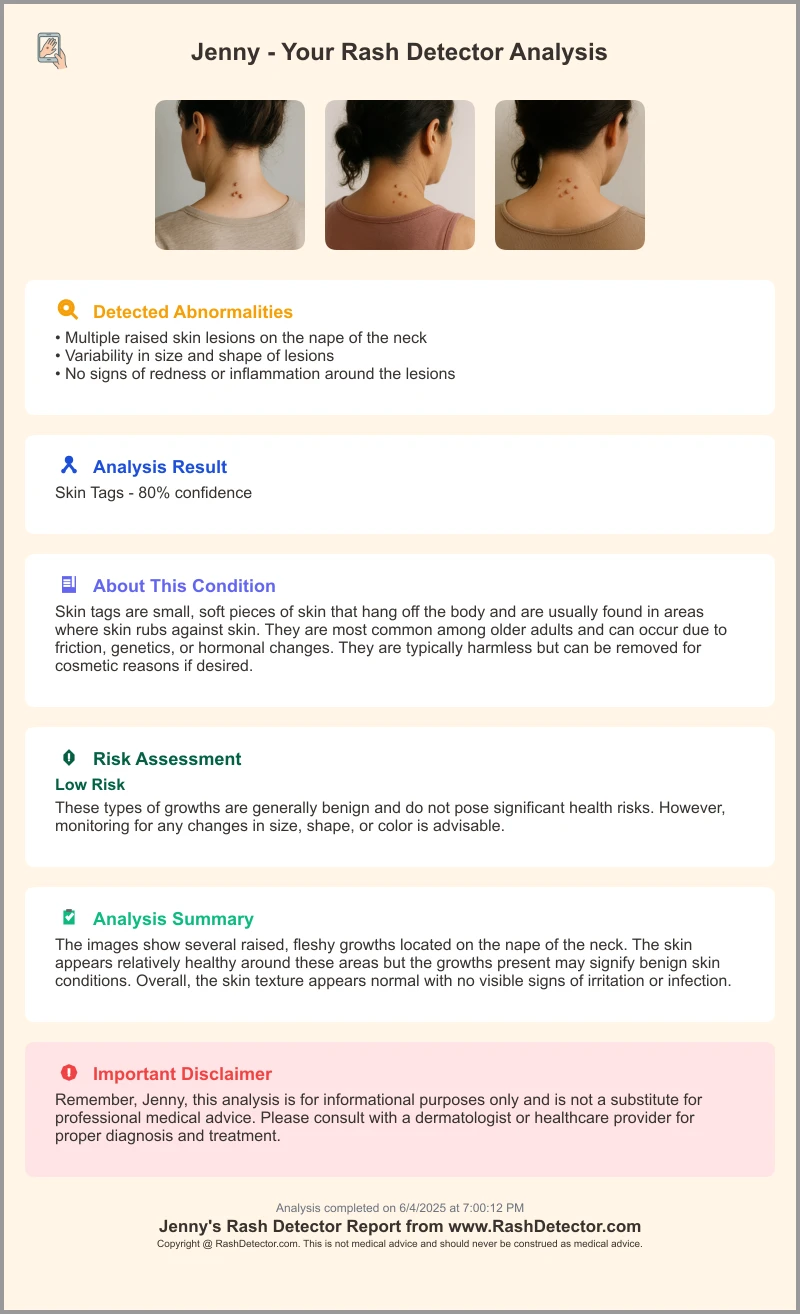
For early identification, the Rash Detector app allows you to upload images of your rash and receive instant AI-powered analysis and guidance. While this tool can help you understand the urgency and possible causes, it is not a substitute for professional medical evaluation. Always consult a healthcare provider for diagnosis and treatment, especially if symptoms are severe or worsening.
Conclusion
Knowing when to see a dermatologist for rashes is important for protecting your skin health and preventing complications. Be vigilant for red-flag symptoms such as severe pain, rapid spread, blistering, oozing, or systemic signs including fever and malaise. Persistent or recurrent rashes also benefit from specialist evaluation to identify underlying causes and obtain appropriate treatment. In emergencies involving breathing difficulty, widespread skin involvement, or altered consciousness, seek urgent care immediately. While AI tools like Rash Detector provide helpful preliminary analysis, they do not replace professional medical assessment and treatment. Prompt consultation with a dermatologist ensures accurate diagnosis, targeted therapy, and optimal outcomes for all types of rashes.
Important: This information is educational and not a substitute for professional medical advice. If you have a rash that is severe, spreading, painful, or accompanied by systemic symptoms, please see a doctor or dermatologist promptly for diagnosis and treatment.
FAQ
Q: When should I see a dermatologist for a rash?
A: Visit a dermatologist if your rash is severe, persistent beyond two weeks, recurrent, spreading rapidly, blistering, or accompanied by systemic symptoms such as fever, chills, or malaise. Early evaluation helps ensure accurate diagnosis and treatment.
Q: What kind of rash requires immediate medical attention?
A: Rashes accompanied by sudden severe pain, rapid spread, blistering, open sores, pus, swelling, difficulty breathing, or high fever should be evaluated urgently, as they may signal infections, allergic reactions, or systemic illnesses.
Q: How long should I wait before seeing a doctor for a rash?
A: If the rash does not improve within 2-3 weeks despite home treatment, or if red-flag symptoms develop sooner, seek medical evaluation promptly to avoid complications.
Q: Should I go to urgent care or see a dermatologist for a rash?
A: For severe, rapidly spreading, or systemic symptoms, urgent care or emergency services are appropriate. For chronic, persistent, or unclear rashes, a dermatologist is the best specialist to provide diagnosis and management.
Q: What does it mean if a rash is spreading, painful, or blistering?
A: These signs may indicate infection, allergic reaction, or serious skin conditions that require prompt professional assessment to prevent worsening or systemic complications.
Q: When is a rash an emergency?
A: A rash is an emergency if it causes breathing difficulty, widespread blistering or skin peeling, high fever, altered consciousness, or rapidly spreading redness and swelling. Immediate medical attention is necessary in these cases.