Medication Rash Treatment: Comprehensive Guide to Identifying and Managing Drug-Induced Rashes
Discover how to identify and manage medication rash treatment effectively. Learn about recognition, diagnosis, treatments, and prevention strategies.

Estimated reading time: 6 minutes
Key Takeaways
- Early recognition and discontinuation of the offending drug can prevent mild rashes from escalating.
- Red-flag symptoms such as blistering, mucosal involvement, or systemic signs require urgent care.
- Treatment ranges from OTC antihistamines and topical steroids to hospitalization for severe cutaneous adverse reactions (SCARs).
- Prevent future reactions by maintaining accurate medication histories, using medical IDs, and considering pre-emptive testing.
Table of Contents
- Understanding Medication-Induced Rashes
- Recognizing Signs and Symptoms
- Diagnosis and When to Seek Professional Help
- Treatment Options for Medication-Induced Rashes
- Managing and Preventing Future Medication Rashes
- Conclusion
1. Understanding Medication-Induced Rashes
Drug eruptions are adverse skin reactions triggered by medications, from antibiotics and NSAIDs to herbal supplements. They usually appear soon after drug initiation and often improve after discontinuation.
Common trigger medications include:
- Antibiotics (penicillins, sulfonamides)
- Anticonvulsants (carbamazepine, phenytoin)
- NSAIDs (ibuprofen, naproxen)
- Oncology agents and tuberculosis drugs
- Topical or herbal preparations
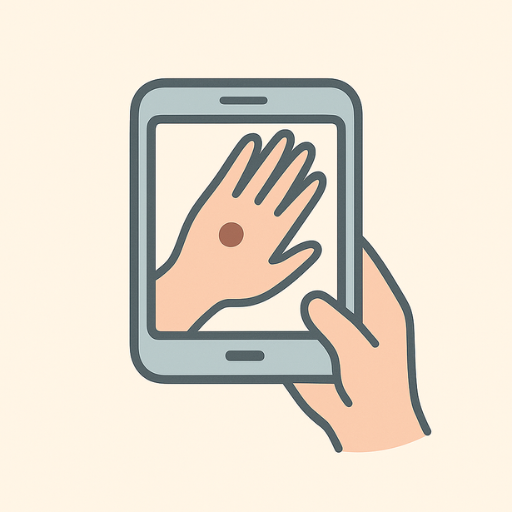
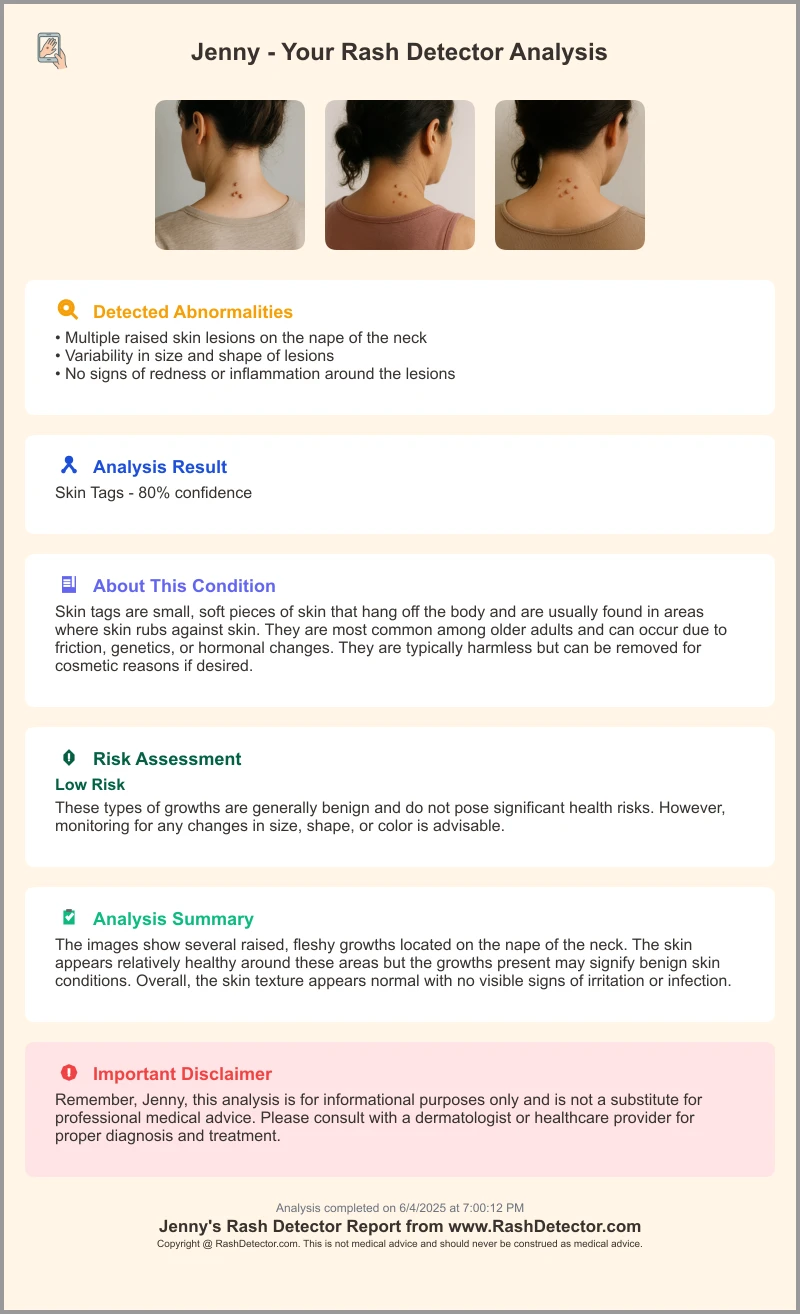
For quick, AI-driven rash analysis, try the Rash Detector and upload your images for instant insights:
2. Recognizing Signs and Symptoms
Medication-induced rashes can vary in appearance and severity:
- Mild: red macules/papules, mild itching
- Moderate: morbilliform rash, diffuse swelling
- Severe SCARs: blistering, mucosal involvement, systemic signs (fever, hypotension)
Typical timing: 2–14 days after starting or increasing a dose, though delayed reactions can occur with long-term use.
Red flags:
- Severe skin pain, deep purple discoloration, blistering or pustules
- Mucosal erosions (mouth, eyes, genitals)
- Facial swelling, fever, hypotension, breathing difficulty (anaphylaxis or SCARs)
For detailed eruption patterns, see Identifying and Managing Drug-Induced Rash Symptoms.
3. Diagnosis and When to Seek Professional Help
A structured diagnostic approach helps pinpoint the culprit and rule out serious pathology:
- Detailed medication history: prescription, OTC, supplements
- Temporal correlation: chart drug start dates versus rash onset
- Physical exam: lesion type, distribution, mucosal/systemic involvement
Supportive tests:
- Skin biopsy: differentiates common eruptions from serious conditions
- Patch or intradermal testing for delayed hypersensitivity
- Lymphocyte transformation tests (2–6 months post-event)
When to seek care:
- Any new rash after a medication change warrants a consult
- Urgent evaluation for red-flag symptoms listed above
4. Treatment Options for Medication-Induced Rashes
Immediate management:
- Discontinue the suspected drug under medical supervision
- Substitute with a chemically unrelated alternative when possible
OTC interventions (mild rashes):
- Oral antihistamines (diphenhydramine, cetirizine)
- Low-potency topical corticosteroids (hydrocortisone)
- Emollients to restore barrier function
Prescription therapies (moderate to severe):
- Systemic corticosteroids and antihistamines
- Intravenous immunoglobulin or other immunomodulators for SCARs
- Epinephrine for anaphylaxis
- Hospitalization for Stevens–Johnson Syndrome or Toxic Epidermal Necrolysis
For more in-depth information on identifying and managing drug-induced skin reactions, see our comprehensive guide to medication rash treatment. For a broader overview, you may also find our complete guide to identifying, managing, and preventing drug rashes helpful. For a step-by-step approach, refer to our comprehensive guide to identifying, managing, and preventing drug-induced skin reactions. For a focused discussion, see our comprehensive guide to identifying, assessing, and managing drug-induced rashes. For a detailed, expert perspective, see our expert guide to medication rash treatment: identifying, managing, and preventing drug-related skin reactions. For a practical overview, see Medication Rash Treatment: A Practical Guide to Identifying and Managing Drug-Induced Rashes. For additional details, see Medication Rash Treatment: A Comprehensive Guide to Identifying and Managing Medication-Induced Rashes. For a complete overview of the process, see our complete guide to identifying, managing, and preventing drug-induced rashes. For a comprehensive summary of approaches, see our complete guide to medication rash treatment: identifying, managing & preventing drug-induced rashes. For a comprehensive overview of drug-induced skin reactions, see our comprehensive guide to identifying and managing drug-induced skin reactions. For a comprehensive guide to identifying and managing drug-induced rashes, see our comprehensive guide to managing drug-induced rashes. For a comprehensive resource, see our comprehensive guide to managing and preventing drug-induced rashes. For a detailed step-by-step approach, see Medication Rash Treatment: A Guide to Identifying and Managing Drug-Induced Rashes, which covers both identification and management strategies.
5. Managing and Preventing Future Medication Rashes
Proactive strategies reduce recurrence:
購入前に商品説明と利用条件を確認し、必要な追加準備がないか整理しておくことが大切です。複数の候補を比較する際は、東方Project コスプレで仕様の違いを確認できます。商品が届いたら内容を早めに確認し、必要な調整や追加準備を本番前に済ませましょう。
- Monitor skin closely during the first 2–4 weeks of new therapies
- Log any itching, hives, or systemic symptoms and report early
- Share past drug reactions with all healthcare providers
- Use medical ID bracelets or wallet cards for severe allergies
- Consider patch testing in high-risk cases
For long-term safety tips, see Managing Drug Allergy Rash: A Comprehensive Guide. For additional strategies, refer to your guide to identifying and managing drug-induced rashes. For a comprehensive overview on prevention and management, see our comprehensive guide to medication rash treatment: how to identify and manage drug-induced rashes. For further details, review Medication Rash Treatment: A Comprehensive Guide to Identifying, Managing & Preventing Drug-Induced Rashes. For a complete resource, see Medication Rash Treatment: A Comprehensive Guide to Identifying, Managing, and Preventing Drug-Induced Rashes. For a detailed approach to prevention, see our comprehensive guide to identifying, managing, and preventing drug-induced rashes. For a comprehensive guide to managing drug-induced rashes, see our Medication Rash Treatment: A Comprehensive Guide to Managing Drug-Induced Rashes. For a complete guide to managing drug-induced reactions, see our guide to managing drug-induced reactions. For a complete guide to identifying, managing, and preventing drug-induced rashes, see our comprehensive guide to identifying, managing, and preventing drug-induced rashes. For a comprehensive summary, see our Comprehensive Guide to Medication Rash Treatment. For a detailed overview of prevention and management, see our Comprehensive Guide to Medication Rash Treatment: Identifying, Managing, and Preventing Medication-Induced Rashes.
Conclusion
Early recognition, accurate diagnosis, and timely intervention are crucial to prevent complications. From OTC relief to multidisciplinary care for SCARs, proper management of drug-induced rashes ensures patient safety. Contact your healthcare provider immediately if you suspect a medication rash and seek urgent care for red-flag symptoms. For a complete overview of identifying, managing, and preventing drug-induced rashes, refer to our complete guide to medication rash treatment. For a comprehensive summary, see Medication Rash Treatment: A Comprehensive Guide. For more details, see Medication Rash Treatment: A Complete Guide to Identifying and Managing Drug-Induced Rashes. For further expert advice, see our expert guide to identifying and managing drug-induced rashes. For a step-by-step approach to identifying and managing drug-induced rashes, see Medication Rash Treatment: Comprehensive Guide to Identifying and Managing Reactions. For a comprehensive guide to drug-related skin reactions, see our comprehensive guide to drug-related skin reactions. For a complete guide to identifying and managing drug-induced rashes, see our guide to identify, manage, and prevent drug-induced rashes. For a complete guide, see our complete guide to identifying, managing & preventing drug-induced rashes. For a focused summary, see Medication Rash Treatment: Your Guide to Managing Drug-Induced Rashes.
FAQ
- How can I tell if a rash is drug-induced? Look for a temporal link between drug initiation and rash onset, absence of other causes, and improvement after stopping the drug.
- When should I seek emergency care? Seek urgent care for blistering, mucosal involvement, widespread swelling, fever, or breathing difficulty.
- What OTC treatments help mild rashes? Oral antihistamines and low-potency topical corticosteroids provide symptom relief for mild drug eruptions.
- Can drug rashes be prevented? Yes—by maintaining detailed medication histories, avoiding known culprits, and considering pre-emptive testing in high-risk patients. For more prevention strategies, see our guide to identifying and managing drug-induced rashes. For a focused guide on how to identify, manage, and prevent drug-induced rashes, see Medication Rash Treatment: How to Identify, Manage, and Prevent Drug-Induced Rashes.