Medication Rash Treatment: Guide to Identifying and Managing Drug-Induced Rashes
Learn how to identify and manage medication-induced rashes effectively with this complete guide to medication rash treatment and prevention.
Estimated reading time: 8 minutes
Key Takeaways
- Rapid identification of drug-related rashes prevents progression to severe reactions.
- Common trigger drugs include antibiotics, anticonvulsants, NSAIDs, and chemotherapy agents.
- Discontinuation of the offending medication under medical guidance is the cornerstone of treatment.
- Supportive care ranges from OTC antihistamines and emollients to systemic steroids or immunomodulators for SCARs.
- Red-flag symptoms like target lesions, mucosal ulcers, or breathing difficulty require urgent evaluation.
Table of Contents
- 1. Understanding Medication-Induced Rashes
- 2. Signs and Symptoms of Medication Rashes
- 3. Diagnosis and When to Seek Medical Advice
- 4. Treatment Options for Medication-Induced Rashes
- 5. Prevention and Long-Term Management
- Conclusion
1. Understanding Medication-Induced Rashes
A medication-induced rash is a skin eruption that appears shortly after starting or altering a drug and resolves when the drug is withdrawn. These reactions can be immune-mediated, toxic side effects, or photosensitivity. Distinguishing features include the timing of onset and resolution upon discontinuation.
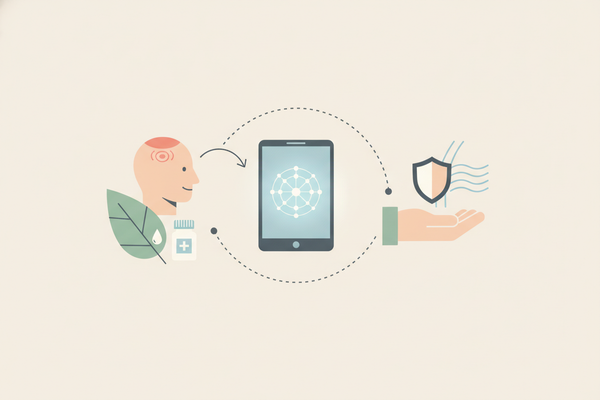
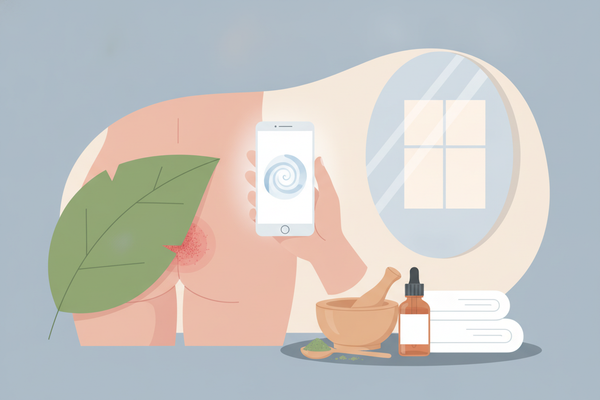
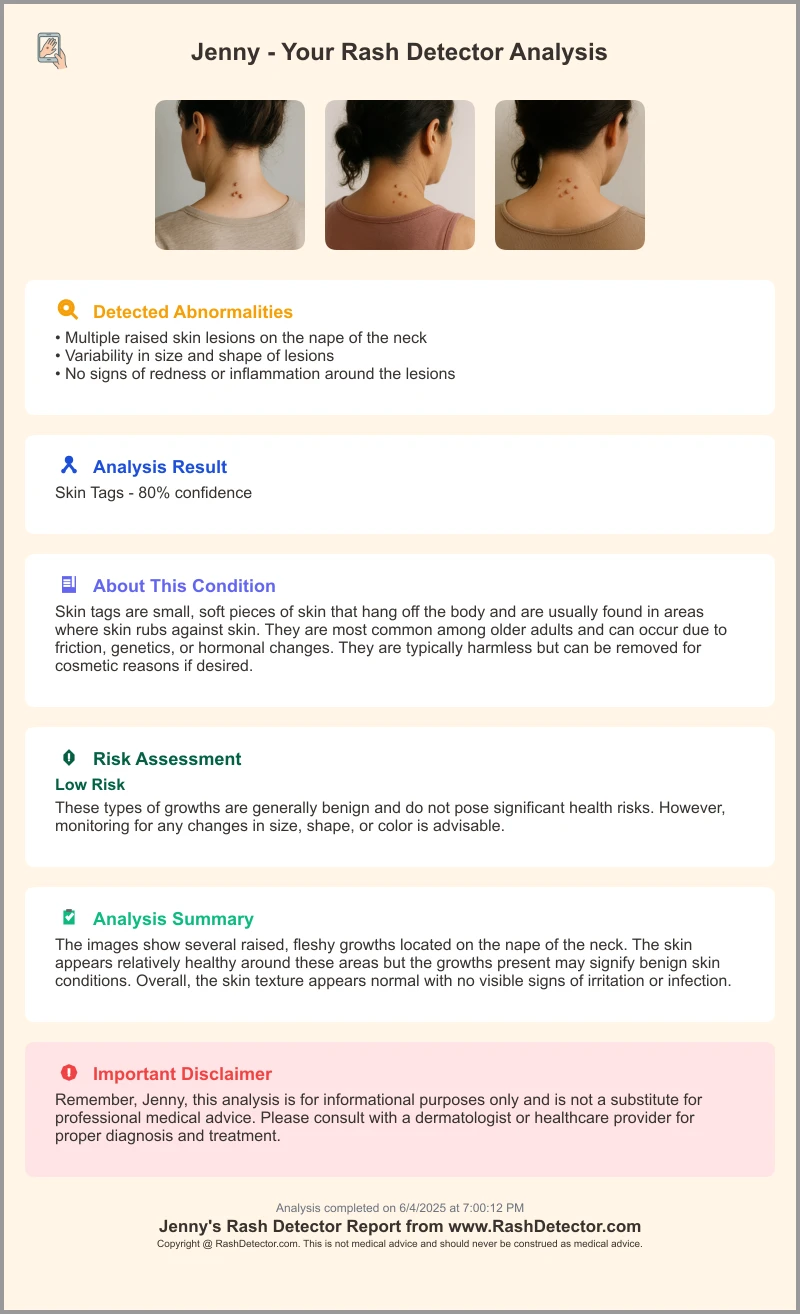
AI-powered Analysis: Use the Rash Detector skin analysis app to upload rash photos and receive an instant report.
Major rash morphologies
- Exanthematous eruptions: Measles-like pink or red spots, starting on the trunk and spreading.
- Urticaria (hives): Itchy, raised welts that appear and fade within hours.
- Fixed drug eruptions: Round or oval patches recurring at the same site.
- SCARs (Severe Cutaneous Adverse Reactions):
- SJS/TEN: Target lesions, blisters, peeling, mucosal ulcers
- DRESS: Rash with fever, lymphadenopathy, organ inflammation
Mechanisms and risk factors
- Allergic: T-cell or antibody response, often delayed.
- Non-allergic: Direct toxicity or sunlight-triggered.
- Drug–drug interactions: Altered metabolism increases toxicity.
- High-risk drugs: Antibiotics, anticonvulsants, allopurinol, HIV/TB/chemo agents
- Predispositions: Prior drug allergy, genetic factors (HLA alleles), polypharmacy
Sources: Merck Manual, DermNet NZ
2. Signs and Symptoms of Medication Rashes
Mild to moderate eruptions often present with:
- Red macules or papules on the torso, spreading outward
- Itching, burning sensation
- Hives or angioedema around eyes and lips
- Onset days to weeks after dose change
Red-flag signs (urgent care needed):
- Painful, dusky “target” lesions
- Blistering, widespread peeling (SJS/TEN)
- Mucosal ulcers (mouth, eyes, genitals)
- Fever, flu-like symptoms, lymphadenopathy
- Breathing difficulty, hypotension, tachycardia
Distinguishing features:
- Clear temporal link with drug exposure
- Improvement on withdrawal; recurrence on re-challenge
- Absence of infection or other dermatoses
Sources: CCJM, Harvard Health
3. Diagnosis and When to Seek Medical Advice
Early diagnosis accelerates safe management and prevents SCARs.
- Comprehensive medication review (prescription, OTC, supplements).
- Correlate rash timing with each drug start or dose change.
- Physical exam: morphology, distribution, mucosal involvement.
- Lab tests: CBC for eosinophilia, liver/renal panels, inflammatory markers.
- Skin biopsy in atypical or severe cases.
- Allergy testing (patch, intradermal) in select scenarios.
When to consult a provider:
- Primary care/dermatology for new rash <10% BSA without systemic signs.
- Urgent/ER if rapid spread, severe pain/itch, mucosal lesions, or breathing issues.
Sources: IU Health, Johns Hopkins Medicine
4. Treatment Options for Medication-Induced Rashes
The first step is to identify and discontinue the offending drug under medical supervision.
4.1 Discontinuation and Switching
- Stop nonessential medications promptly.
- Substitute chemically unrelated alternatives.
- Avoid re-challenge after severe reactions.
4.2 Over-the-Counter Measures
- Oral antihistamines (diphenhydramine, cetirizine) for itch relief.
- Low-potency topical steroids (hydrocortisone) for mild inflammation.
- Emollients and cool compresses for comfort.
4.3 Prescription Therapies
- Medium- to high-potency topical steroids for intense rashes.
- Systemic corticosteroids for widespread hypersensitivity.
- Epinephrine for anaphylaxis; immunomodulators (IVIG, cyclosporine) for SCARs.
4.4 Supportive and Home Care
- Hydration: oral fluids or IV for extensive skin loss.
- Gentle cleansing, fragrance-free moisturizers.
- Loose cotton clothing; OTC pain relievers (acetaminophen).
- Burn-unit protocols for SJS/TEN: wound care and infection control.
Sources: Medscape, NYU Langone
5. Prevention and Long-Term Management
Maintain safety and reduce future risk:
ウィッグを通販で探すときは、つむじ、毛量、長さ、セットできる範囲を確認しておくと安心です。サイズやセット内容を確認する場合は、猫猫 コスプレウィッグから候補を探せます。購入後は本番前に一度着用し、前髪、長さ、毛量を少しずつ調整すると安心です。
- Keep a detailed drug allergy record (name, reaction, severity).
- Inform every provider and pharmacist of past drug rashes.
- Avoid leftover high-risk drugs without prescription.
- Consider patch testing for key medications.
- Monitor closely during the first 2–8 weeks of high-risk drugs.
- Use a medical alert ID for severe reactions.
Sources: Managing Drug Allergy Rash, DermNet NZ
Conclusion
Medication-induced rashes range from mild pruritic spots to life-threatening SCARs. Early recognition, prompt discontinuation of the culprit drug, and targeted supportive care are essential. Seek immediate medical advice if you experience blistering, mucosal ulcers, breathing difficulties, or systemic illness.
FAQ
- What is a medication-induced rash?
- A skin eruption triggered by a drug, appearing soon after exposure and improving on withdrawal.
- Which drugs most commonly cause rashes?
- Antibiotics (penicillins, sulfonamides), anticonvulsants, NSAIDs, and some chemotherapy agents.
- When should I seek urgent care?
- If you develop target lesions, widespread peeling, mucosal ulcers, fever, or breathing difficulty.
- Can I stop my medication on my own?
- Do not stop essential drugs without consulting a healthcare provider; they can advise safe alternatives.
- How can I prevent future reactions?
- Maintain an allergy record, alert all providers, consider patch testing, and monitor high-risk drugs closely.