Top Reasons for Rashes Under Armpits: Causes, Types & What To Do
Discover the main reasons for rashes under armpits, from heat rash to allergies, infections, and more. Learn causes, symptoms, and when to see a doctor.

Estimated reading time: 13 min
Key Takeaways
- Rashes under the armpits can result from irritation, infection, allergies, or underlying health issues.
- Common causes include heat rash, contact dermatitis, fungal and bacterial infections, and shaving.
- Risk factors like sweat, friction, obesity, diabetes, and medications may increase likelihood of armpit rashes.
- Identifying the type of rash helps guide treatment, but professional diagnosis is crucial for persistent or severe cases.
- Apps like Rash Detector can provide instant guidance, but always consult a doctor for diagnosis and treatment.
Table of Contents
- Section 1: Understanding What Causes Skin Rashes Under the Armpits
- Section 2: Irritant and Allergic Contact Dermatitis
- Section 3: Heat Rash, Sweat, and Moisture Buildup
- Section 4: Fungal and Bacterial Skin Rashes
- Section 5: Friction, Shaving, and Mechanical Irritation
- Section 6: Underlying Conditions and Other Causes
- Conclusion
- FAQ
Section 1: Understanding What Causes Skin Rashes Under the Armpits
Common Triggers and Why the Armpit is Vulnerable
The armpit is a unique environment for skin. It's warm, moist, and often subject to friction and exposure to products like deodorants. This makes it especially vulnerable to a variety of rashes and skin conditions. Understanding what causes skin rashes here starts with knowing these risk factors:
- Heat and sweat: The axilla tends to trap heat and moisture, creating an ideal setting for irritation and microbial growth.
- Friction: Skin-to-skin or skin-to-clothing contact can break down the barrier and trigger inflammation.
- Chemical exposure: Deodorants, antiperspirants, and laundry detergents may contain ingredients that cause irritation or allergic reactions.
- Hair removal: Shaving, waxing, or plucking disrupts the skin and hair follicles, sometimes leading to rashes.
Unlike other parts of the body, the armpit is almost always covered, creating a microclimate that is warmer and more humid than exposed skin. This microenvironment facilitates the overgrowth of bacteria and fungi, and can impair the skin’s natural barrier. For people who exercise frequently or live in humid climates, sweat can accumulate quickly, further increasing the risk of skin problems.
Another aspect that makes armpit skin vulnerable is its thinness and the presence of hair follicles and sweat glands. These structures can become blocked or irritated more easily than on other parts of the body. For instance, applying thick antiperspirants or using certain hair removal techniques can lead to clogged pores and subsequent inflammation.
People with specific risk factors, such as obesity (leading to deeper skin folds), diabetes (which alters immune responses), or immunosuppression (lowered defenses against infection), may be at higher risk for persistent or recurrent armpit rashes.
Overview of Rash Types
Rashes under the armpit can take many forms, including:
- Red, itchy patches
- Bumps or blisters
- Oozing, scaling, or crusting
- Painful or tender skin
The appearance and accompanying symptoms can help differentiate between causes such as heat rash, contact dermatitis, fungal skin rash, or an allergic reaction rash. Some rashes may present as a single patch, while others can cover both armpits or even extend to adjacent skin folds. For example, a heat rash may appear as clusters of tiny red bumps, while a fungal rash might be more moist and have a defined border. Allergic reactions often result in symmetrical rashes affecting both armpits.
In some cases, the rash may be accompanied by other symptoms such as burning, stinging, or the development of pustules (small pus-filled bumps). The nature of these symptoms helps narrow down the potential causes.
Importance of Proper Diagnosis
While some armpit rashes are mild and resolve quickly, others may indicate infection, allergy, or underlying health problems like diabetes skin rash or even a drug rash. Getting an accurate diagnosis—whether through a dermatologist, primary care provider, or AI tools like Rash Detector—is essential for choosing the right treatment.
It's crucial to differentiate between self-limited rashes (such as mild irritant dermatitis) and those requiring medical intervention (such as bacterial infections or severe allergic reactions). Misdiagnosis can lead to inappropriate treatments, which may worsen the condition. For example, using topical steroids on a fungal infection can actually make it worse. If a rash is rapidly spreading, associated with systemic symptoms (fever, malaise), or not improving after a week of home care, seek medical attention promptly.
Section 2: Irritant and Allergic Contact Dermatitis
Deodorant and Antiperspirant Reactions
One of the most common reasons for rashes under armpits is contact dermatitis, which can be irritant or allergic in nature. Deodorants and antiperspirants are frequent culprits. Ingredients such as alcohol, fragrances, parabens, and aluminum compounds can trigger skin reactions.
- Irritant Contact Dermatitis: Occurs when a substance damages the outer layer of skin, leading to redness, stinging, and sometimes peeling.
- Allergic Contact Dermatitis: Develops when the immune system reacts to a particular ingredient, resulting in an allergic reaction rash—often itchy, red, and sometimes blistered.
Symptoms can appear within hours or days of exposure. Irritant reactions are more likely with frequent application or after shaving, when the skin barrier is already compromised. Allergic reactions may develop after repeated exposures over time, even to products that were previously tolerated.
Sometimes, the rash may appear as a well-defined area corresponding exactly to where the product was applied. In severe cases, swelling, blistering, or even open sores can develop. For people with sensitive skin, even "natural" deodorants containing essential oils can cause reactions.
Other Chemical and Product Causes
Besides deodorants, other sources of contact dermatitis in the armpit include:
- Soaps, body washes, or shower gels containing harsh surfactants or dyes
- Laundry detergents and fabric softeners
- Residue from hair removal creams or waxes
- Preservatives and adhesives in clothing labels or dressings
Even the process of laundering clothes can contribute to armpit rashes if detergents or fabric softeners are not thoroughly rinsed out. Some individuals develop allergies to ingredients like methylisothiazolinone (a preservative in some soaps and wipes) or formaldehyde releasers in clothing. In rare cases, adhesive patches or dressings applied to the armpit (such as for wound care or medication delivery) can cause both irritant and allergic contact dermatitis.
How to Recognize and Manage Contact Dermatitis
Contact dermatitis usually presents as red, itchy, and sometimes swollen patches. Severe cases may blister or ooze. To manage:
- Identify and avoid the triggering product
- Use fragrance-free, gentle skincare and laundry products
- Apply cool compresses and over-the-counter hydrocortisone (as advised by a healthcare provider)
- If symptoms persist, see a doctor for possible allergy testing
If you’re interested in more about treatment, see our guide on Best Anti Itch Cream: Top Picks and How to Choose.
It’s important to discontinue all potentially irritating products and simplify your skincare regimen. If using topical hydrocortisone, limit use to one to two weeks unless advised otherwise, as overuse can thin the skin. For persistent or recurrent cases, patch testing by a dermatologist can help identify specific allergens. In some situations, prescription-strength topical steroids or non-steroidal creams may be necessary.
If blistering, severe swelling, or signs of infection (such as yellow crust or pus) develop, or if the rash involves other parts of the body, see a healthcare professional promptly.
Section 3: Heat Rash, Sweat, and Moisture Buildup
Why Heat Rash Is Common in the Armpit
The armpit is a prime location for heat rash (also called miliaria), especially in hot, humid environments or during intense physical activity. Heat rash develops when sweat ducts become clogged, leading to trapped sweat beneath the skin.
- Symptoms: Small red bumps, itching, tingling, or a prickly sensation
- Common in: Infants, athletes, people living in hot climates, or those who wear tight clothing
Miliaria can be divided into several subtypes, depending on the depth of sweat duct blockage. "Miliaria rubra" is the most common type in adults, characterized by red, inflamed bumps and intense itching. "Miliaria crystallina," more common in babies, appears as tiny, clear blisters. In severe cases, the rash can extend beyond the armpit to the chest or back.
Heat rash is particularly common during heat waves, after intense workouts, or in those who must wear protective clothing for work. It can also occur in bedridden individuals whose arm remains in contact with the body for prolonged periods.
The Role of Sweat, Friction, and Hygiene
Excessive sweating (hyperhidrosis) and poor hygiene can both contribute to armpit rashes. When sweat and moisture are not regularly washed away or when sweat is trapped by occlusive clothing, irritation and infection can result.
- Frequent sweating increases moisture and the risk of microbial overgrowth
- Infrequent changing of clothes allows sweat, bacteria, and yeast to build up
- Lack of air circulation keeps the area damp, worsening symptoms
Hyperhidrosis, a condition characterized by excessive sweating, is a significant risk factor. In such cases, even minor physical activity or stress can result in profuse sweating, which perpetuates skin breakdown. People who wear tight uniforms, sports gear, or synthetic fabrics are also at higher risk. Athletes, especially runners and cyclists, may develop armpit rashes from combined friction and sweat.
Poor hygiene, such as not showering after exercise or wearing damp clothing for extended periods, increases the risk of both irritation and secondary infection. The accumulation of sweat and dead skin cells provides a food source for bacteria and fungi, which can quickly colonize the area.
Preventing and Managing Heat Rash
To minimize heat rash and moisture-related irritation:
- Wear loose, breathable clothing
- Shower and change clothes after sweating
- Keep the armpits dry; use powders as appropriate
- Consider reading our guide on How to Prevent Heat Rash: Practical Tips for Every Season
Choose clothing made from moisture-wicking materials such as cotton or specialized athletic fabrics. After heavy sweating, gently cleanse the armpits with mild soap and water and dry thoroughly. For those prone to heat rash, consider using an absorbent powder (such as cornstarch-based, fragrance-free powders) to keep the area dry—avoid talcum powder, especially in children.
In persistent or severe cases, a doctor may recommend topical treatments such as calamine lotion or low-strength steroid creams to relieve itching and inflammation. Addressing underlying causes of excessive sweating, such as hyperhidrosis, may require prescription antiperspirants or other therapies. See a healthcare provider if the rash becomes painful, spreads, or is associated with fever or other signs of infection.
Section 4: Fungal and Bacterial Skin Rashes
Fungal Skin Rash: Candida and Ringworm
The armpit’s warm, moist environment is ideal for fungal growth. The most common culprits are:
- Candida (yeast) infections: Cause red, itchy, sometimes oozing patches with a satellite rash of smaller bumps nearby. This fungal skin rash is more common in people with diabetes, obesity, or weakened immune systems.
- Ringworm (tinea corporis): Presents as a circular, scaly, often itchy patch with a clearer center and a raised, red border.
Fungal rashes are often aggravated by sweating, tight clothing, and poor ventilation.
Intertrigo is a term used for inflammation of skin folds, often complicated by fungal (especially Candida) overgrowth. In intertrigo, the rash may extend beyond the armpit into adjacent folds, and the skin can become macerated (soft, whitish, and wrinkled from prolonged moisture). Satellite pustules—tiny red bumps around the main rash—are a hallmark of Candida infections.
Ringworm (tinea) typically appears as a single or multiple round patches, often with central clearing and a well-defined scaly border. Unlike Candida, ringworm is contagious and can spread by direct contact or shared towels and clothing.
Bacterial Infections: Folliculitis and Secondary Infections
Bacterial infections can also cause rashes under the armpit. Two common types include:
- Folliculitis: Infection of hair follicles, leading to small, red, sometimes pus-filled bumps. Shaving or plucking can increase risk.
- Secondary bacterial infection: Occurs when scratching or irritation allows bacteria (like Staphylococcus aureus) to enter and infect already-damaged skin.
Folliculitis often begins as tiny red or white bumps around hair follicles, sometimes tender or itchy. If the infection worsens, these bumps can develop into larger boils (furuncles). People who shave, wax, or use hair removal creams are at higher risk of folliculitis in the armpit. Poor hygiene, use of shared razors, and hot, humid environments also increase risk.
Secondary bacterial infections can complicate any type of rash. Signs include increased pain, swelling, yellow or green pus, and sometimes fever or swollen lymph nodes in the armpit. Impetigo, a superficial bacterial infection, can also occur in children, presenting as honey-colored crusts.
How to Tell Them Apart and When to See a Doctor
Fungal rashes tend to be red, moist, and itchy with defined edges, while bacterial rashes may be more painful, swollen, and can form pus. If your rash is severe, spreading, or accompanied by fever or pain, see a doctor promptly. Early treatment can prevent complications. Persistent or recurrent rashes may also be a sign of underlying health issues that need evaluation.
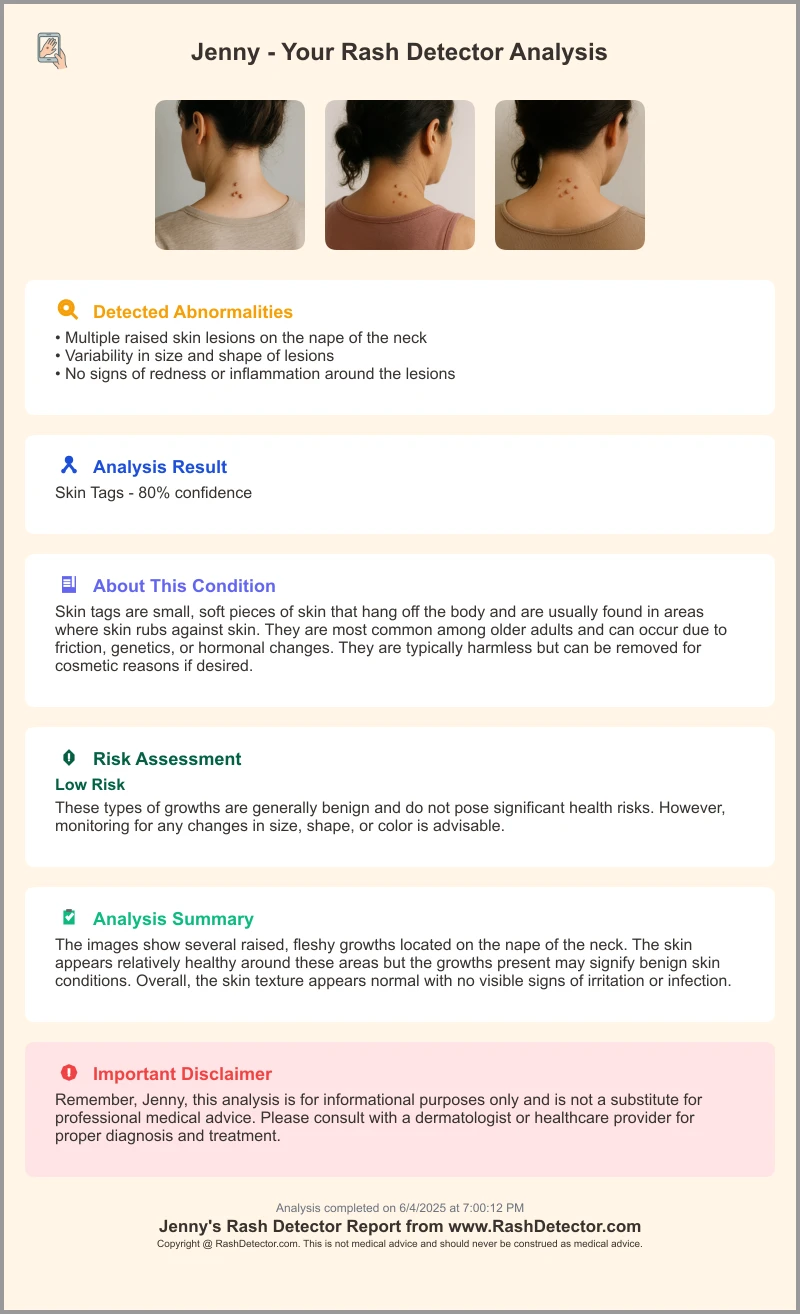
To distinguish between fungal and bacterial rashes, note the following:
- Fungal: Red, moist, itchy, with defined border and possible satellite pustules; often worsens with heat and sweat.
- Bacterial: More likely to be painful, swollen, possibly with pus; may follow shaving or scratching.
- Mixed infection: Sometimes, both fungi and bacteria are present, especially in chronic or severe rashes.
Home care for mild cases may include keeping the area clean and dry, using topical antifungal or antibacterial creams (as recommended by a healthcare provider), and avoiding further irritation. For severe, persistent, or spreading rashes, always seek prompt medical evaluation.
Section 5: Friction, Shaving, and Mechanical Irritation
Chafing and Intertrigo
Friction is a leading cause of rashes in skin folds, including the armpit. Chafing occurs when skin rubs against skin or clothing, breaking down the protective barrier and causing redness, soreness, and sometimes oozing. This is particularly common in athletes, people with obesity, or anyone wearing tight, non-breathable fabrics.
- Intertrigo: A specific form of chafing rash, often occurring in body folds, worsened by sweat and heat. It may become secondarily infected by bacteria or fungi.
Intertrigo typically presents as red, raw, sometimes weeping or cracked skin in the creases of the armpit. In its early stages, it may look like simple irritation, but if not treated, it can progress to more severe inflammation and infection. The condition is aggravated by obesity, diabetes, and any factor that increases sweating or friction.
Chafing and intertrigo are especially common during the summer months or after long periods of physical activity. Cyclists, runners, and anyone who wears tight clothing for extended periods should be aware of the risk.
Shaving-Related Irritation and Razor Burn
Shaving the armpits can cause:
- Razor burn: Red, irritated, sometimes burning patches immediately after shaving.
- Ingrown hairs: Curled hairs that grow back into the skin, causing bumps, redness, and sometimes infection.
To reduce risk, use a sharp razor, shave in the direction of hair growth, and moisturize the area after shaving.
Razor burn often occurs when shaving in a hurry, using a dull blade, or shaving dry. The skin may sting or burn for several hours after shaving, and small red bumps may appear. Ingrown hairs can develop a few days later, appearing as firm, sometimes painful bumps. In some cases, these can become infected, leading to pustules or abscesses.
Tips for preventing shaving-related rashes:
- Soften the skin and hair with warm water before shaving
- Use a lubricating shaving gel or cream
- Do not shave over the same area multiple times
- Rinse the razor frequently to prevent buildup
- Clean razors thoroughly and replace blades regularly
If irritation occurs, apply a fragrance-free moisturizer or an aftershave balm designed for sensitive skin. Avoid deodorants or antiperspirants immediately after shaving, as these can further irritate freshly shaved skin.
Clothing and Material Sensitivities
Tight, synthetic, or rough-textured fabrics can contribute to armpit rash by trapping sweat and causing more friction. Allergic reactions to dyes or finishes in clothing are also possible. Choose loose, soft cotton garments when possible, and wash new clothes before wearing.
People with sensitive skin may react to clothing made from polyester, nylon, or spandex, especially when these fabrics are worn for prolonged periods. Some individuals develop contact dermatitis from textile dyes or finishing chemicals. Washing new clothes before use can help remove excess dyes and chemicals, reducing the risk of irritation. For those with known sensitivities, try to wear undyed, organic cotton clothing and avoid fabric softeners.
For athletes or those who sweat heavily, moisture-wicking fabrics can be beneficial, but if irritation develops, switching to natural fibers may help. Always change out of damp clothing as soon as possible to minimize skin breakdown.
Section 6: Underlying Conditions and Other Causes
Chronic Skin Conditions: Eczema, Psoriasis, and Seborrheic Dermatitis
Some armpit rashes are linked to chronic inflammatory skin conditions:
- Eczema (atopic dermatitis): Itchy, red, sometimes weeping patches, often triggered by sweat or irritants.
- Psoriasis: Thick, scaly, sometimes silvery plaques that can affect skin folds.
- Seborrheic dermatitis: Red, greasy, flaky patches, more common in oily skin areas.
These conditions can be worsened by heat, sweat, or irritation, and may require prescription treatments.
Eczema in the armpit may appear as chronic, itchy patches, sometimes with thickening (lichenification) from repeated scratching. It is often associated with other allergic conditions like asthma or hay fever. Psoriasis in skin folds ("inverse psoriasis") may look different from classic psoriasis, appearing as smooth, red, shiny lesions without much scaling. Seborrheic dermatitis, when present in the armpit, is often associated with similar rashes on the scalp, face, or chest.
Management of these conditions may involve topical steroids, non-steroidal anti-inflammatory creams, or other prescription treatments. It is important to avoid triggers such as harsh soaps, perfumes, and excessive heat. For persistent or severe cases, consultation with a dermatologist is recommended.
Systemic and Medication-Related Causes
Sometimes, a drug rash or systemic disease can cause armpit rashes:
- Drug rashes: Medications (like antibiotics or anticonvulsants) can trigger rashes anywhere, including the armpits. These can be mild (hives, red spots) or severe. For more, see our post Drug Rash: Causes, Symptoms, and How to Identify It.
- Diabetes skin rash: People with diabetes are prone to fungal and bacterial infections in skin folds due to immune changes and higher blood sugar.
- Immunosuppression: Conditions or medications that weaken the immune system allow opportunistic infections to flourish.
Drug rashes can take many forms, from mild red spots to severe blistering reactions. They may be accompanied by other symptoms such as fever, joint pain, or swelling. If a new rash develops soon after starting a medication, notify your doctor immediately. In rare cases, drug rashes can be life-threatening (such as Stevens-Johnson syndrome).
People with chronic illnesses such as diabetes are more susceptible to skin infections, especially in areas prone to moisture like the armpits. High blood sugar impairs the immune response and promotes the growth of bacteria and fungi. Immunosuppressive medications (such as steroids or cancer therapies) also increase the risk of unusual or severe skin infections.
When to Worry: Signs of Serious Underlying Problems
In rare cases, persistent or unusual armpit rashes could signal autoimmune disease, lymphoma, or other systemic illness. Concerning symptoms include:
- Rash that doesn’t improve with standard care
- Rapid spreading or blistering
- Associated fever, pain, or swollen lymph nodes
Always seek prompt medical attention for severe, spreading, or persistent rashes.
Additional warning signs include night sweats, unexplained weight loss, or chronic fatigue. While these are rare, they warrant evaluation by a healthcare provider. Early recognition of systemic or serious underlying diseases is essential for prompt treatment. Never ignore a rash that is worsening, associated with systemic symptoms, or not responding to usual care.
Conclusion
There are many possible reasons for rashes under the armpits, including irritation, allergic reactions, heat rash, infections, friction, shaving, and underlying medical issues. While mild rashes may resolve with basic care and avoidance of triggers, others require medical evaluation—especially if they are severe, spreading, painful, or persistent. Always consult a healthcare professional or dermatologist for diagnosis and treatment. For instant, educational analysis, you can also try uploading images to Rash Detector for guidance, but remember that only a doctor can provide a definitive diagnosis.
To summarize:
- Identify and avoid common triggers like fragrances, harsh detergents, and tight clothing.
- Maintain good hygiene and keep the armpit area dry, especially if you are prone to sweating.
- Use gentle, fragrance-free products to minimize irritation.
- See a healthcare professional for persistent, severe, spreading, or painful rashes, or when you are uncertain about the cause.
- Remember that online tools can help with initial guidance, but only a healthcare provider can make a definitive diagnosis and recommend appropriate treatment.
If you notice alarming symptoms such as fever, pus, rapid spreading, or systemic illness, seek medical care without delay.
FAQ
Q: What causes a rash under the armpit?
A: Rashes under the armpit can be caused by irritation (from deodorants, shaving, or friction), allergic reactions, heat rash, fungal or bacterial infections, and underlying conditions like eczema or diabetes.
Q: Is armpit rash from deodorant or an allergy?
A: Deodorants and antiperspirants are common causes of armpit rashes due to chemical irritation or allergic contact dermatitis. Fragrances, preservatives, and aluminum compounds are frequent culprits.
Q: Can sweating cause a rash under the armpit?
A: Excess sweat can lead to heat rash, promote fungal or bacterial growth, and increase friction, all of which can trigger rashes in the armpit area.
Q: How do I know if my armpit rash is fungal, bacterial, or irritation?
A: Fungal rashes are usually red, moist, and itchy with clear borders; bacterial rashes may be painful and form pus; irritation typically causes redness and itching without clear edges. A doctor or tools like Rash Detector can help, but only a professional can diagnose the cause.
Q: Why do I get a rash under my armpits after shaving?
A: Shaving can irritate the skin, cause razor burn, or lead to ingrown hairs and folliculitis (infected hair follicles), especially if proper shaving technique or a clean razor isn't used.
Q: When should I worry about a rash in my armpit?
A: See a doctor if your rash is severe, spreading quickly, painful, blistering, associated with fever, or doesn't improve with basic care. Medical evaluation is also needed for frequent, recurrent, or unusual rashes.