Rash Under Fingernails: Causes, Symptoms, and What to Do
Learn why a rash under fingernails appears, what causes it, symptoms, look-alikes, and when to seek care. Expert guide to rashes by body location.
Estimated reading time: 16 min
Key Takeaways
- A rash under fingernails is often caused by paronychia, an infection or inflammation of the nail fold.
- Location matters: rashes on different body parts (face, arms, legs, chest, hands, buttocks) often have unique causes.
- Acute paronychia is usually bacterial, chronic is often fungal or irritant-related; both have distinct symptoms.
- Common triggers include nail biting, cuticle trauma, frequent wet work, and artificial nails.
- See a doctor for diagnosis, especially if symptoms are severe, spreading, or persistent.
Table of Contents
- Section 1: Why Rash Location Matters
- Section 2: Rash Under Fingernails (Paronychia)
- Section 3: Rash on Face, Arms, Legs, Chest, and Other Areas
- Section 4: Acute vs. Chronic Paronychia – Key Differences
- Section 5: Causes and Triggers of Rash Under Fingernails
- Section 6: Symptoms, Diagnosis, and When to See a Doctor
- Conclusion
- FAQ
Section 1: Why Rash Location Matters
Understanding Skin Rash Patterns
Not all rashes are created equal – where a rash appears on your body often provides the most important clue to its cause. For example, a rash on face might be due to conditions like eczema, rosacea, or contact dermatitis, while a rash on arms or rash on legs could be the result of allergic reactions, insect bites, or even heat rash. Location is one of the first things a dermatologist asks about.
Common Rash Locations and Their Implications
- Rash on face: Acne, perioral dermatitis, lupus, seborrheic dermatitis, allergic reactions.
- Rash on arms/legs: Eczema, psoriasis, contact dermatitis, insect bites, scabies.
- Rash on chest/back: Fungal infections, heat rash, drug rashes, viral exanthems.
- Rash between buttocks/groin: Intertrigo, fungal infection, irritant dermatitis.
- Rash on hands/fingers: Contact dermatitis, hand eczema, paronychia, dyshidrotic eczema.
Why Do Rashes Appear in Certain Areas?
Several factors affect where you get a rash:
- Skin thickness and oiliness: Varies by body part, influencing what conditions can develop.
- Exposure: Hands and face are more exposed to irritants or allergens.
- Moisture and friction: Areas like the groin, buttocks, and between fingers trap moisture, favoring yeast or fungal rashes.
- Behavioral habits: Nail biting or frequent handwashing can trigger rashes under fingernails.
To learn more about skin self-exams and tracking problem areas, see How to Do a Skin Self Exam at Home.
Section 2: Rash Under Fingernails (Paronychia)
What Is Paronychia?
A rash under fingernails is often a result of paronychia – inflammation or infection of the skin around the nail. This can affect one or several fingers and is especially common on the dominant hand.
How Paronychia Presents
- Redness and swelling: The nail fold (skin bordering the nail) becomes red, swollen, and painful.
- Tenderness: The area is usually sensitive to touch or pressure.
- Pus formation: In some cases, a small abscess or whitehead-like bump develops.
- Inflammation under the nail: Sometimes the rash extends beneath the nail plate.
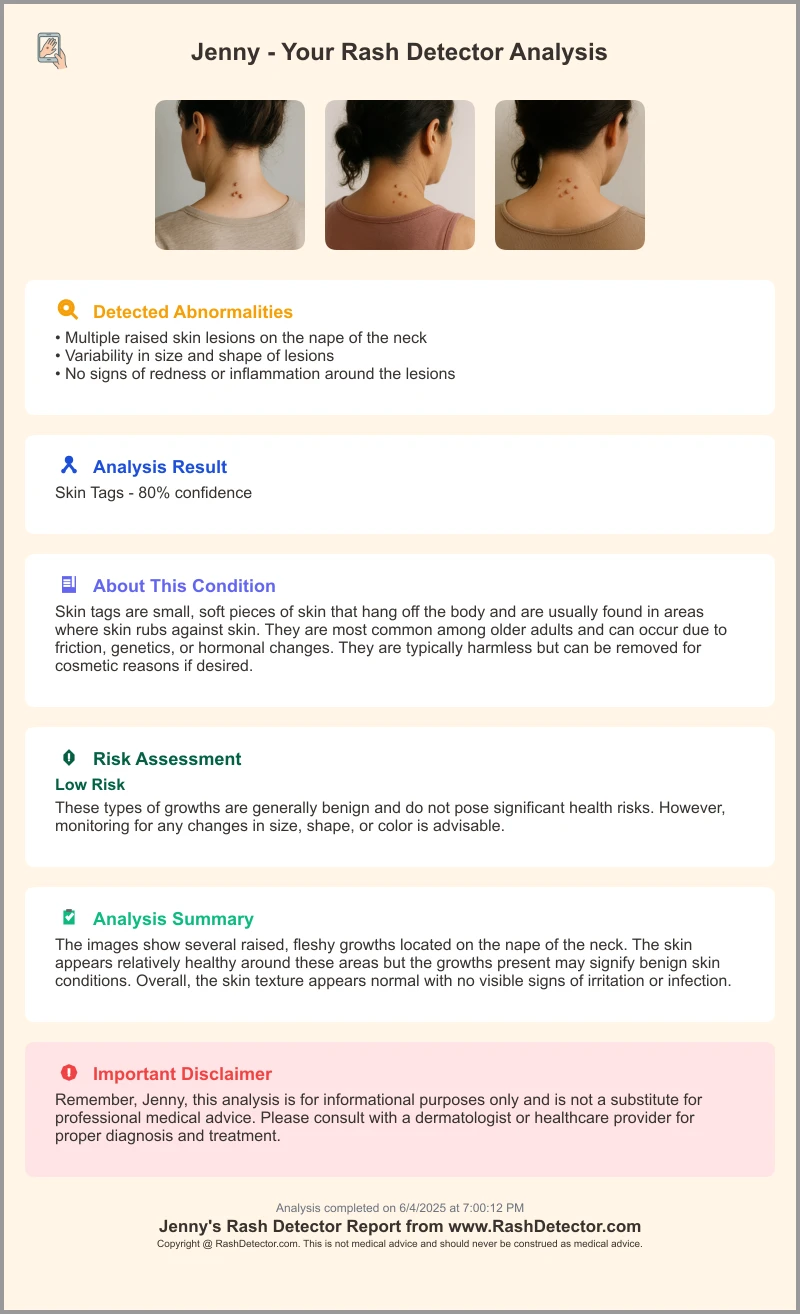
Using an AI-powered app like Rash Detector can help you compare images of your nail and receive guidance on possible causes, but always consult a healthcare provider for a firm diagnosis.
Other Symptoms to Watch For
- Increased warmth or throbbing pain around the nail
- Difficulty moving the finger due to swelling
- Changes in nail shape or color with chronic cases
If you notice pus, severe pain, or spreading redness, seek medical advice promptly.
Section 3: Rash on Face, Arms, Legs, Chest, and Other Areas
Body Map: Common Rash Causes by Location
Skin rashes appear in specific locations for a reason. Here are some of the most common patterns:
- Rash on face: Acne, rosacea, perioral dermatitis, lupus rash, allergic reactions.
- Rash on arms: Eczema, urticaria (hives), contact dermatitis, insect bites, psoriasis.
- Rash on legs: Folliculitis, eczema, vasculitis, bug bites, scabies.
- Rash on chest/back: Fungal infections (tinea versicolor), viral rashes, heat rash, drug rashes.
- Rash between buttocks or groin: Intertrigo, yeast infection, irritant dermatitis, herpes simplex.
- Rash on hands: Hand eczema, allergic contact dermatitis, paronychia, psoriasis, dyshidrotic eczema.
How to Approach a Rash by Location
Because certain conditions prefer certain skin environments, the area affected is a key clue. For example:
- Moisture-prone zones (groin, buttocks, underarms) are more likely to develop yeast or fungal infections.
- Hands and face are exposed to soaps, chemicals, and allergens, so contact dermatitis is common there.
- Legs and arms are common places for eczema and insect bites.
For an in-depth look at treating general skin rashes, visit Skin Rash Treatment: Effective Solutions and Smart Tools.
Why You Should Care About Rash Location
- Guides treatment: What works for a rash on face may not be suitable for a rash under fingernails.
- Helps identify triggers: For example, a rash on hands after using new cleaning products likely points to contact dermatitis.
- May signal underlying conditions: Lupus, psoriasis, or drug reactions often follow specific patterns.
Section 4: Acute vs. Chronic Paronychia – Key Differences
Acute Paronychia
Acute paronychia develops suddenly, usually within hours or days. The main cause is a bacterial infection that enters through a break in the skin, often from nail biting, picking at hangnails, or aggressive manicures.
- Common bacteria: Staphylococcus aureus and Streptococcus pyogenes
- Symptoms: Rapid onset of pain, redness, swelling, and sometimes pus pocket
- Typical triggers: Nail trauma, hangnail removal, ingrown nail, cuticle picking
Chronic Paronychia
Chronic paronychia lasts for weeks or longer, often affecting several fingers at once. Instead of bacteria, it’s usually caused by yeast (Candida) or a combination of mild infection and ongoing skin irritation.
- Common triggers: Frequent exposure to water or chemicals, underlying eczema or dermatitis, diabetes
- Symptoms: Mild, persistent swelling, redness, tenderness, and thickened or discolored nail
- Risk factors: Dishwashers, healthcare workers, bartenders, people with chronic hand eczema
How to Tell the Difference
- Acute: Sudden, painful, one finger, pus formation
- Chronic: Gradual, less painful, multiple fingers, swelling, possible nail changes
Both forms need attention, but chronic paronychia often requires longer-term management and prevention strategies.
Section 5: Causes and Triggers of Rash Under Fingernails
Infectious Causes
- Bacterial: Staph aureus, Strep pyogenes; enter through breaks in the skin, causing acute paronychia.
- Fungal/Yeast: Candida species; thrive with chronic moisture (dishwashing, frequent hand washing), leading to chronic paronychia.
Noninfectious Causes
- Irritant or contact dermatitis: Chemicals in soaps, detergents, nail polish removers, or even repeated water contact can inflame the nail folds.
- Medication reactions: Some drugs can cause skin changes or rashes in specific areas, including under or around the nails. Learn more about drug rashes in this guide: Drug Rash: Causes, Symptoms, and How to Identify It.
- Underlying skin conditions: Eczema or psoriasis can mimic or contribute to nail fold inflammation.
Behavioral and Environmental Triggers
- Nail biting, picking at hangnails, or aggressive manicures
- Cuticle trauma from tools or chemicals
- Prolonged wet work (e.g., dishwashing, healthcare)
- Use of artificial nails, gel, or acrylic manicures
Risk Factors for Rash Under Fingernails
- Diabetes
- Immunosuppression
- Chronic skin conditions (eczema, psoriasis)
- Occupational exposures (cleaners, bartenders, medical staff)
Understanding these causes can help with both prevention and early intervention.
Section 6: Symptoms, Diagnosis, and When to See a Doctor
How Rash Under Fingernails Looks
- Redness and swelling around the nail fold (skin next to nail)
- Tenderness and pain, especially when pressing on the nail
- Pus or clear fluid may be visible; sometimes a small blister or whitehead forms
- Thickened, discolored nail in chronic cases
- Possible changes to nail shape or detachment from the nail bed
Conditions That Mimic Paronychia
- Nail psoriasis: Thick, pitted, or discolored nails, often with scale on nearby skin
- Fungal nail infection: Yellow, crumbly nails, less swelling of the nail fold
- Herpetic whitlow: Painful, grouped blisters on the finger, usually with a history of cold sores
- Hyponychium overgrowth: Excess skin under the nail, can look red or swollen
A doctor or dermatologist can distinguish these with an exam, and might take a culture or sample if needed.
When to Seek Medical Care
- Severe pain, spreading redness, or fever (signs of deeper infection)
- Pus collection that doesn’t drain or keeps coming back
- Chronic or recurrent symptoms
- Impaired finger movement, color changes, or numbness
- Underlying health conditions (like diabetes or immune suppression)
Do not attempt to drain an abscess at home. For diagnosis and treatment, always see a doctor, especially for severe, spreading, or persistent symptoms.
How Diagnosis Is Made
- History and exam: Mainstay of diagnosis; doctor asks about symptoms, risk factors, and examines the nail.
- Culture or swab: If pus is present, a sample may be sent to the lab to identify bacteria or yeast.
- Imaging: Rarely needed unless deep infection is suspected.
Apps like Rash Detector can help track changes and provide AI-powered guidance, but should not replace professional medical advice.
Treatment and Prevention
- Warm soaks: Soak affected finger in warm water several times daily for 10-15 minutes to reduce swelling and pain.
- Topical antibiotics or antifungals: May be used for mild cases or chronic fungal paronychia, as advised by a healthcare provider.
- Oral antibiotics: Sometimes needed for severe, spreading, or abscess-forming cases, as prescribed by a doctor.
- Drainage: Performed by a doctor if an abscess (pus collection) forms.
- Prevention: Avoid nail biting, picking at cuticles, prolonged wet work; use gloves if hands are exposed to water or chemicals; avoid aggressive manicures and artificial nails.
If itching is a concern, see tips in Best Anti Itch Cream: Top Picks and How to Choose.
Conclusion
A rash under fingernails is commonly a sign of paronychia, but there are many potential causes depending on your habits, exposures, and underlying health. The location of a rash is a powerful diagnostic clue – whether it's a rash on face, arms, legs, chest, or hands. Recognizing the difference between acute and chronic paronychia, knowing common triggers (like nail biting, wet work, or manicures), and understanding when to seek care are all important for protecting your nail and skin health.
Always consult a healthcare provider for diagnosis and treatment, especially for severe, spreading, painful, or persistent symptoms. For general guidance and to track rash changes with AI-powered help, try uploading images to Rash Detector.
FAQ
Q: What causes a rash under the fingernails?
A: The most common cause is paronychia, an infection or inflammation of the nail fold, usually triggered by bacteria, yeast, or irritants. Nail biting, hangnail picking, aggressive manicures, and frequent wet work can all contribute.
Q: Is paronychia a fungus or bacterial infection?
A: Acute paronychia is usually caused by bacteria (often Staphylococcus aureus or Streptococcus pyogenes). Chronic paronychia is more often related to yeast (Candida) or a mix of mild infection and irritation.
Q: How do I tell the difference between paronychia and nail fungus or psoriasis?
A: Paronychia often presents with swelling, redness, pain, and sometimes pus around the nail fold. Fungal nail infections typically cause yellow, thickened, crumbly nails with less swelling. Nail psoriasis can cause pitting, discoloration, and scale. See a doctor for an accurate diagnosis.
Q: Why do I get redness and swelling around my fingernails after manicures?
A: Manicures can traumatize the cuticle or nail fold, making it easier for bacteria or yeast to enter and cause paronychia. Using harsh chemicals, cutting cuticles, or pushing them back too aggressively can also irritate the skin.
Q: When should I see a doctor for an infection under or around the nail?
A: See a doctor if you have severe pain, spreading redness, pus, fever, or if symptoms last more than a few days. Also seek care if you have diabetes, a weak immune system, or if home treatments are not helping.
Q: How do you treat an infected fingernail at home?
A: For mild cases, soaking the finger in warm water several times a day, keeping the area clean and dry, and avoiding further trauma may help. For severe, spreading, or persistent symptoms, medical treatment with antibiotics, antifungals, or drainage may be necessary. Always consult a doctor or dermatologist for diagnosis and treatment.