Rash in Belly Button Area: Causes, Types, and How Location Matters
Learn why rashes appear in the belly button area and other body parts. Explore causes, symptoms, treatments, and when to see a doctor for skin rashes.

Estimated reading time: 13 min
Key Takeaways
- Belly button rashes can result from yeast, bacteria, irritation, or chronic skin conditions.
- The location of a rash provides clues about its cause and needed care.
- Symptoms like redness, discharge, pain, or odor may signal infection in the navel area.
- Proper hygiene, dryness, and avoiding irritants may help prevent and manage rashes.
- See a doctor for persistent, spreading, or severe rashes, or if warning signs develop.
Table of Contents
- Section 1: Why Location Matters for Skin Rashes
- Section 2: Rash in Belly Button Area – Causes, Symptoms, and Types
- Section 3: Other Common Rash Locations and What They Mean
- Section 4: How to Clean and Care for Sensitive Rash-Prone Areas
- Section 5: When to Seek Medical Care for a Rash
- Section 6: Home Remedies, OTC Relief, and Prevention Tips
- Conclusion
- FAQ
Section 1: Why Location Matters for Skin Rashes
The Clues Hiding in Rash Location
Understanding why rashes appear in certain areas of your body is key to identifying their cause and getting the right care. The skin on your face is different from that on your arms, legs, chest, or the moist, enclosed space inside your belly button. Each area faces unique irritants, microbes, and environmental factors that influence not just what kind of rash appears, but also how it behaves and responds to care.
- Folds and creases (like the navel, groin, underarms) trap moisture, increasing risk for yeast or bacterial infections. These spots experience less air circulation, making it harder for sweat and water to evaporate. As a result, the skin is more prone to breakdown, irritation, and colonization by microbes.
- Exposed areas (face, hands, arms) are more prone to contact dermatitis, sun rash, or allergic reactions. Because these areas are often uncovered, they're at higher risk for environmental exposures such as allergens, pollutants, UV light, or even harsh weather.
- Areas with friction (buttocks, inner thighs) often develop heat rash or intertrigo. Rubbing from skin-to-skin contact, clothing, or movement can damage the protective barrier and allow infections to take hold.
Diagnosing by Area: Examples
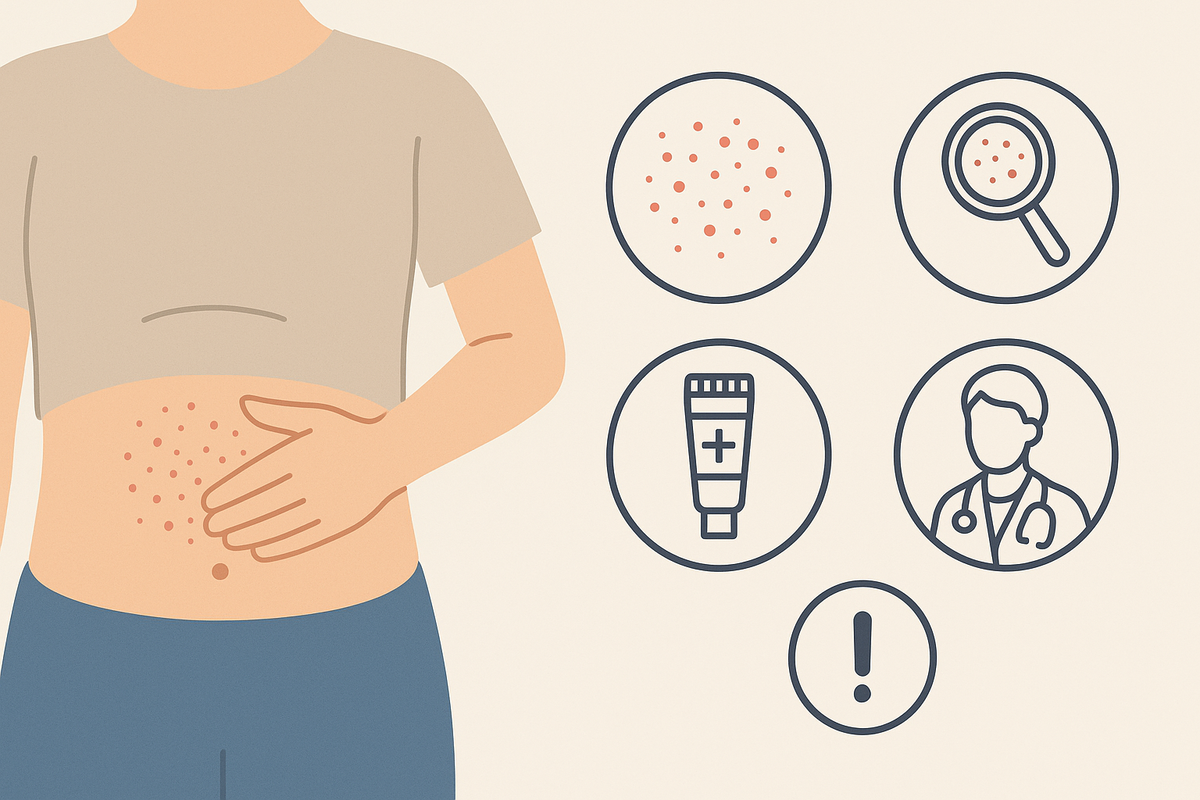
If you develop a rash in the belly button area that is red, itchy, and has a white discharge, it may be a yeast infection, but other causes are possible. For example, people with diabetes or those who sweat heavily might notice this type of rash after hot weather, exercise, or after not drying off thoroughly following a shower. Meanwhile, a rash on the face could stem from acne, rosacea, or an allergic reaction to skin care products. Allergic reactions often produce redness, swelling, and itching within a few hours of contact with a new product.
Other examples include:
- Feet: Athlete's foot (tinea pedis) thrives between toes due to moisture and warmth from socks and shoes.
- Neck: Nickel allergy from necklaces often causes a red, itchy rash exactly where the jewelry sits.
- Scalp: Dandruff (seborrheic dermatitis) is common here due to oil-producing glands.
Why Details Matter
Doctors often ask about rash location, appearance, and symptoms. This helps them distinguish between common conditions like eczema on the arms versus psoriasis in the belly button. For instance, eczema tends to appear on the inside of elbows and behind knees in children, but may show up on hands in adults with occupational exposures. Psoriasis, on the other hand, favors extensor surfaces (like elbows and knees) but has a unique "inverse" form in skin folds.
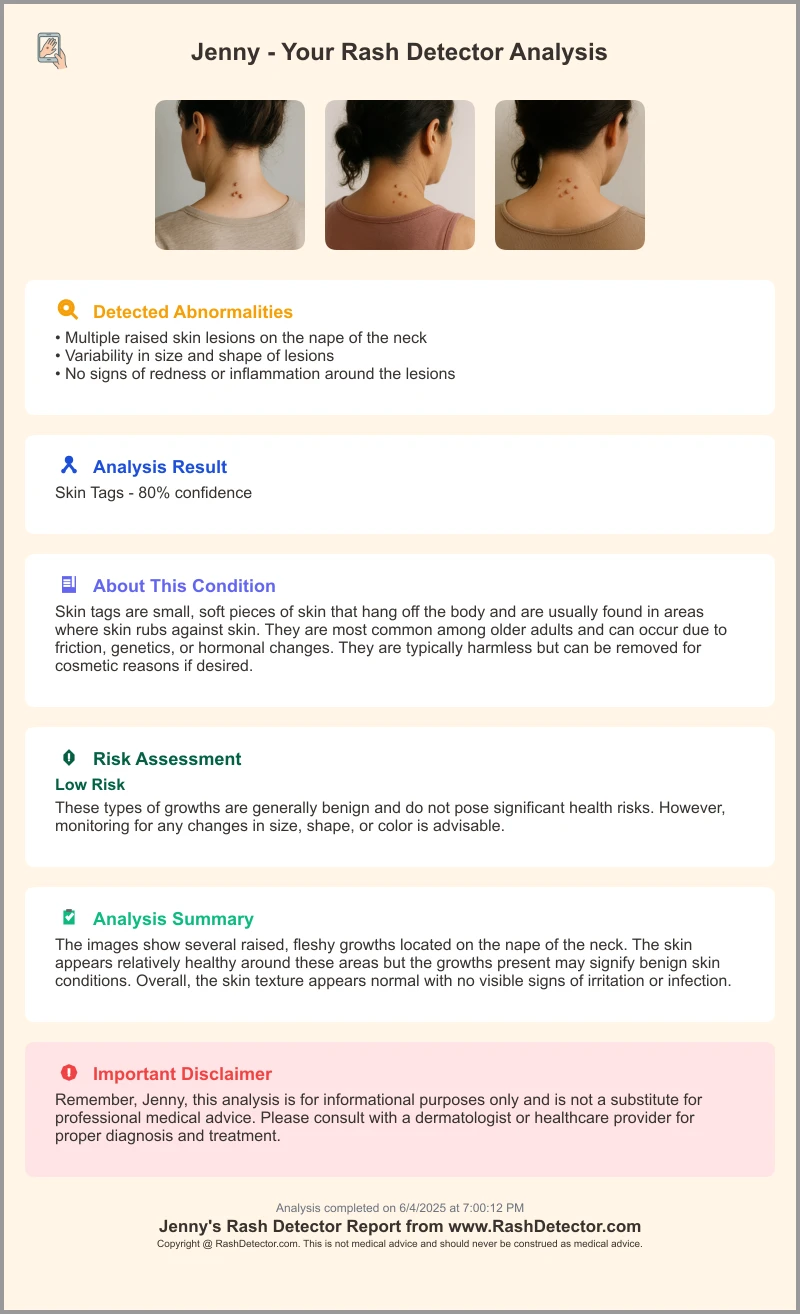
For a detailed, location-specific analysis, AI tools like Rash Detector can help you identify potential causes by uploading images of your rash. While these tools can suggest possibilities based on pattern recognition, they don't replace the nuanced judgment of a healthcare provider, especially when symptoms are severe or persistent.
Section 2: Rash in Belly Button Area – Causes, Symptoms, and Types
The Unique Environment of Your Navel
The belly button (navel) is a warm, moist, and often overlooked skin fold. This makes it a spot where rashes can develop due to infection, irritation, or chronic skin diseases. The anatomy of the navel means sweat, skin oils, lint, and bacteria can accumulate easily, especially if not cleaned regularly or if the area stays damp. Let's break down some common causes and the details that help distinguish them:
- Belly Button Yeast Infection (Candida): Candida is a fungus that thrives in moist, dark areas. Symptoms may include a red, itchy rash, sometimes with white, cheesy discharge or a musty odor. The skin may appear raw, have small satellite pustules (tiny bumps just outside the main rash), or look macerated (soft and white from moisture). This is more likely in people with diabetes, people on antibiotics, or those who sweat a lot.
- Bacterial Infection (Cellulitis, Impetigo): Staph or strep bacteria can infect the navel, causing redness, warmth, pain, swelling, and yellowish or foul-smelling discharge. Cellulitis can spread quickly and become serious, especially if you notice redness spreading beyond the belly button, fever, or feeling generally unwell. Impetigo may cause honey-colored crusts.
- Intertrigo: This is irritation where skin folds rub together, often complicated by yeast or bacteria. The rash is red, raw, and may crack or ooze. People who are overweight, have diabetes, or live in hot climates may be more susceptible. Intertrigo can also occur in the groin, underarms, or under the breasts.
- Contact Dermatitis: An itchy rash from irritation or allergy to soaps, lotions, jewelry (especially nickel), or clothing. May be dry, scaly, or blistered. For example, a new belt buckle or piercing may trigger this, especially if made from nickel or if the skin is sensitized by repeated exposure.
- Psoriasis (Inverse Type): Psoriasis in skin folds looks different than on other areas. It may appear as smooth, red patches without the thick scaling seen on elbows or knees. The rash can be shiny and may not itch as much as other types, but can still be uncomfortable and prone to cracking or bleeding.
Key Symptoms to Watch For
- Redness, swelling, and itching: These are common symptoms, but their intensity and exact appearance can hint at the underlying cause. For example, severe itch with raw, moist skin may point to yeast, while burning pain could signal infection.
- White, yellow, or green discharge: White, creamy discharge may suggest yeast, while yellow or green, especially if foul-smelling, may indicate bacterial infection.
- Foul odor: Yeast and bacterial infections often produce a notable musty or unpleasant smell. A persistent odor, even after washing, warrants medical attention.
- Pain or tenderness: Pain is more common with bacterial infections, abscesses, or if the skin is deeply cracked.
- Crusting, flaking, or cracks: Crusting is typical of impetigo; flaking may suggest chronic irritation or eczema. Deep cracks increase risk for secondary infection.
Note: A persistent or worsening rash in your belly button area, especially with discharge or pain, should be evaluated by a doctor or dermatologist.
Other Less Common Causes
- Umbilical hernia: May cause swelling or redness above or around the navel, sometimes feeling like a soft bulge that gets bigger when you cough. The skin overlying the hernia can become irritated or infected.
- Piercing infection: Redness, pain, and pus around jewelry, often exacerbated by poor hygiene or allergic reaction to metals. This can also lead to keloid (thick scar) formation.
- Cyst or abscess: A tender, firm, or fluctuant lump in or near the navel, possibly with redness, heat, or drainage. Epidermoid or sebaceous cysts can become infected and require treatment.
It's important to carefully examine the rash, noting exactly where it appears, how it feels, and any changes over time. This information is helpful for both self-assessment and when discussing your symptoms with a healthcare provider.
Section 3: Other Common Rash Locations and What They Mean
Face
A rash on the face can arise from many causes, including acne, seborrheic dermatitis, allergic reactions, or viral infections. The skin here is sensitive and exposed to both environmental irritants and cosmetic products. Areas around the nose, mouth, and eyes have thinner skin and more oil glands, making them particularly susceptible. For example:
- Common triggers: makeup, sunscreen, pollen, stress, viruses (like herpes simplex, which causes cold sores).
- Key clues: Pattern, duration, and associated symptoms (e.g., fever with viral rashes). Allergic rashes may be sudden and widespread, while acne tends to cause red bumps and whiteheads in oily areas. Viral rashes often come with other symptoms like runny nose or sore throat.
- Perioral dermatitis: Red bumps around the mouth, often worsened by topical steroids or fluoridated toothpaste.
- Rosacea: Persistent redness and visible blood vessels, sometimes with pimples, typically affects adults over 30.
Arms and Legs
Rash on arms or rash on legs might indicate eczema, contact dermatitis, insect bites, or drug reactions. These areas are often exposed to the environment and friction from clothing. For example, gardeners may develop poison ivy rashes on forearms, while children often get eczema in the elbow creases or behind knees.
- Symmetrical rashes may suggest eczema or psoriasis. Eczema is often very itchy and may ooze in children, while psoriasis produces thick, silvery scales.
- Localized bumps or blisters may be due to bites or localized contact allergies. Mosquito or flea bites tend to show as grouped itchy red bumps, sometimes with a central blister.
- Drug rashes: Medications can cause widespread, pink, flat or raised rashes on the arms and legs, sometimes with peeling or itching.
Chest and Back
A rash on chest or back can stem from allergies, heat rash, viral illnesses, or even drug reactions. These areas are more likely to sweat, especially under clothing, which can trigger heat rash or intertrigo. Acne can also be prominent on the chest and back, especially in teenagers and adults who exercise or wear tight clothing.
- Heat rash (miliaria): Small, red, itchy bumps, sometimes with clear fluid, usually after sweating or hot weather.
- Viral rashes: Chickenpox, shingles, or measles can start on the trunk and spread outward, often accompanied by fever or other symptoms.
In adults, shingles may cause a painful, blistering rash in a band-like pattern on one side of the chest or back.
Between Buttocks and Groin
Rash between buttocks and in the groin area often results from friction, moisture, or fungal infections. Jock itch (tinea cruris) and intertrigo are common here, especially in athletes, individuals with obesity, or those living in hot, humid climates.
- Look for red, scaly, itchy patches that may extend to the inner thighs. The edges of fungal rashes are often more prominent, with a clearer center.
- Odor or discharge suggests infection. Yeast and fungal infections are more likely to smell sour or musty, while bacterial infections can produce a stronger, foul odor.
- Prolonged sitting or tight underwear increases risk of irritation and infection.
Hands
Rash on hands can be due to frequent washing, irritant contact dermatitis, eczema, or even drug allergies. Hand eczema is especially common in healthcare workers, childcare providers, and people who frequently use cleaning products or hand sanitizers. The rash may appear as dry, cracked, or peeling skin, sometimes with blisters or fissures.
- Allergic contact dermatitis: Sudden redness, swelling, and itching after touching chemicals, plants, or latex gloves.
- Dyshidrotic eczema: Small, intensely itchy blisters on sides of fingers or palms, often triggered by stress or sweating.
Why Location Clues Matter
Each body part has unique vulnerabilities. Knowing the typical causes of rashes in each location can help you address the root of the problem more efficiently and avoid unnecessary treatments. For a deeper dive into effective treatments, see Skin Rash Treatment: Effective Solutions and Smart Tools.
Section 4: How to Clean and Care for Sensitive Rash-Prone Areas
Cleaning the Belly Button Area
Proper hygiene is important for preventing and caring for rashes in the belly button area. Here's how to do it safely and effectively:
- Gently wash the navel daily with warm water and mild, fragrance-free soap. Avoid harsh scrubbing, which can damage the skin barrier.
- Use a soft cloth or cotton swab to clean inside the belly button, but avoid inserting anything deeply or forcefully. If you have a deep or "innie" navel, gently swirl the swab around the entrance only.
- Rinse thoroughly to remove all soap residue, as leftover soap can cause irritation or allergic reactions.
- Pat dry gently with a clean towel. Never rub, as this can worsen irritation. For deep navels, allow the area to air dry or use a clean cotton swab for the final step.
For people with mobility issues, caregivers should assist in cleaning and drying the area, as neglected folds are at higher risk for infection.
Keeping the Area Dry
Moisture is a common trigger for yeast and bacterial rashes. After showering or sweating, dry the area thoroughly. For deep navels, use a clean cotton swab or a hair dryer on a cool setting (held at a safe distance) to ensure no moisture remains hidden in creases.
- Avoid occlusive dressings or tight clothing that traps moisture and heat. Choose loose-fitting, breathable fabrics like cotton.
- Consider a light dusting of unscented powder (such as cornstarch-based or antifungal powder) to keep folds dry, unless your doctor advises otherwise. Avoid talc-based powders if possible, as they may carry health risks.
- Change sweaty or wet clothes promptly after exercise or exposure to water.
Avoiding Irritants and Allergens
If your rash is caused by contact dermatitis or allergy, simple changes can help:
- Switch to hypoallergenic, fragrance-free soaps, body washes, and laundry detergents. Look for products labeled for sensitive skin.
- Remove jewelry or piercings if they cause redness or rash, and avoid cheap metals like nickel. Opt for surgical steel or gold if you must wear jewelry.
- Wear loose, breathable clothing made of natural fibers like cotton or bamboo. Avoid synthetic fabrics, which can trap heat and moisture.
- Test new lotions or creams on a small patch of skin before applying to sensitive areas.
If you suspect a specific product is to blame, discontinue its use and observe if your symptoms improve over several days. For more tips on minimizing skin irritation, see our guide on the best anti-itch creams and how to choose them.
Section 5: When to Seek Medical Care for a Rash
Warning Signs That Need Prompt Attention
While many rashes are mild and resolve on their own, some require medical attention. See a doctor or dermatologist if you notice any of the following:
- Rash is rapidly spreading or worsening, especially if it extends beyond the original area or is accompanied by red streaks (which could signal spreading infection).
- Painful, hot, or swollen skin, which may indicate cellulitis or a developing abscess.
- White, yellow, or green discharge with a foul odor, as this may be a sign of bacterial infection needing antibiotics.
- Fever, chills, or feeling unwell, which could signal a systemic infection or a more serious underlying condition.
- Open sores, blisters, or ulcers that do not heal, bleed, or become larger over time.
- No improvement after a week of home care or if symptoms are getting worse.
- History of immune compromise (such as HIV/AIDS, cancer treatment, organ transplant) which increases risk of severe skin infections.
Conditions That May Need Prescription Treatment
- Bacterial infections: May need oral or topical antibiotics, especially for rapidly spreading, painful, or draining rashes.
- Severe yeast or fungal infections: Prescription-strength antifungals may be required if OTC options fail or for recurrent infections.
- Psoriasis or eczema not controlled by OTC remedies: Prescription creams, ointments, or even systemic treatment may be necessary for flares in sensitive locations like the navel.
- Drug-induced rashes: Some medications cause allergic rashes that need medical evaluation. Never stop a prescribed medicine without consulting your doctor first.
- Persistent or recurrent rashes: These may suggest an underlying condition like diabetes, autoimmune disease, or chronic infection that needs professional management.
Getting a Diagnosis
Because many rashes look similar, a photo-based analysis can be a helpful first step, but is not a substitute for medical care. AI apps like Rash Detector allow you to upload images to get instant guidance and possible causes. These tools may help you track changes over time, identify patterns, and suggest next steps, but always check with a healthcare provider for persistent or concerning symptoms.
Important: This guide is for educational purposes only. Only a healthcare professional can diagnose and treat skin conditions. Severe, spreading, painful, or persistent rashes—especially those with discharge, fever, or systemic symptoms—require prompt medical evaluation.
Section 6: Home Remedies, OTC Relief, and Prevention Tips
Soothing Itch and Redness at Home
- Apply cool compresses (such as a clean, damp washcloth) to the affected area for 10-15 minutes several times a day to relieve itch and inflammation.
- Use over-the-counter hydrocortisone cream for mild inflammation or itching (avoid prolonged use, especially in skin folds, unless directed by your doctor, as it can thin the skin).
- Antifungal powders or creams (such as clotrimazole or miconazole) may help with yeast infections. Apply as directed, usually twice daily for at least 1-2 weeks after symptoms resolve.
- If the skin is dry or cracked, a gentle, unscented moisturizer (like plain petroleum jelly or a ceramide-based cream) can promote healing and restore the skin barrier.
- Topical zinc oxide ointment can provide a protective barrier in moist or irritated folds.
What to Avoid
- Avoid harsh soaps, alcohol-based products, or scented lotions, which can worsen irritation and disrupt the skin barrier.
- Do not scratch, even if the itch is intense. Scratching increases the risk of infection and scarring. If itching is severe, consider using an over-the-counter oral antihistamine at night (such as cetirizine or diphenhydramine), but consult your doctor before use.
- Avoid home remedies like hydrogen peroxide, undiluted tea tree oil, or vinegar directly on the skin, as these can burn or irritate sensitive tissue.
- Do not apply thick ointments or petroleum jelly to areas that remain moist, as this can trap moisture and worsen yeast infections.
Prevention Strategies
- Maintain good hygiene and keep skin folds—including the belly button—dry. Daily gentle cleaning and thorough drying are essential.
- Choose breathable clothing and change out of sweaty clothes quickly. Avoid tight waistbands or synthetic fabrics that don't allow moisture to evaporate.
- If you are prone to rashes, consider applying a thin layer of zinc oxide or antifungal powder to high-risk areas during hot weather or exercise.
- Address underlying conditions like obesity or diabetes, which increase risk for skin infections, by working with your healthcare provider on a comprehensive management plan.
- Perform regular skin checks, especially in hard-to-see areas, for early detection of changes. Learn more in our guide on how to do a skin self-exam at home.
- If you have body piercings, follow all aftercare instructions, keep the area clean, and watch for signs of infection (redness, swelling, pain, or discharge).
If your rash is related to a drug or medicine allergy, see our in-depth resources on drug rash causes and symptoms. Always discuss any new, severe, or persistent symptoms with a healthcare provider before trying new treatments.
Conclusion
A rash in the belly button area can be caused by infections (yeast, bacteria), irritation, or chronic skin conditions like psoriasis. The specific location of a rash gives important clues to its cause, and knowing what to look for—such as discharge, odor, and pattern—can help you take the right steps. Always keep the area clean and dry, avoid irritants, and seek medical care for severe, spreading, or persistent symptoms. For instant guidance, try uploading your rash photos to Rash Detector and get personalized analysis, but remember: only a healthcare provider can give a definitive diagnosis and treatment plan. Never ignore warning signs like pain, fever, or foul discharge, and prioritize your health by seeking timely medical advice when needed.
FAQ
Q: What causes a rash in the belly button area?
A: Common causes include yeast (Candida) infection, bacterial infection, irritation from soaps or jewelry, chronic skin conditions like psoriasis, or friction and moisture buildup (intertrigo).
Q: Is a belly button rash a yeast infection?
A: Many belly button rashes are caused by yeast (especially if there is redness, itching, and white discharge), but other causes like bacteria or irritation are also possible. Only a physician can confirm the diagnosis and recommend the best treatment.
Q: How do you treat an itchy red rash in the belly button?
A: Keep the area clean and dry, use mild soap, avoid irritants, and consider OTC antifungal or hydrocortisone creams. See a doctor if it doesn’t improve, worsens, or there’s discharge.
Q: Why is my belly button itchy and leaking white discharge?
A: This is often a sign of a yeast infection, but bacterial infections or cysts can also cause discharge. Seek medical advice for proper diagnosis and treatment, especially if the discharge is persistent or foul-smelling.
Q: When should I see a doctor for a rash around my navel?
A: Seek medical care if the rash is spreading, painful, has discharge or odor, or does not improve with home care. Also see a doctor if you develop fever or feel unwell.
Q: Can psoriasis appear in the belly button area?
A: Yes, inverse psoriasis can affect skin folds, including the belly button, causing smooth, red patches. Diagnosis and treatment should be guided by a healthcare provider.