Rash Between Fingers and Toes: Causes, Symptoms, and Treatments
Learn what causes a rash between fingers and toes, how to identify key symptoms, and the best treatments. Expert guide for rash by body area.
Estimated reading time: 14 min
Key Takeaways
- A rash between fingers and toes can have many causes, including eczema, fungal infections, and contact dermatitis.
- Location and symptoms—like blisters, redness, or scaling—help narrow down the cause.
- Moisture, sweat, irritants, and allergies are common triggers for rashes in these areas.
- Diagnosis usually requires a medical history, skin exam, and sometimes tests for fungus or allergies.
- Treatment depends on the cause: options may include antifungals, steroids, moisture control, and trigger avoidance.
Table of Contents
- Section 1: Why Rashes Appear in Certain Areas
- Section 2: Rash Between Fingers and Toes — Common Causes
- Section 3: Symptoms and How to Tell Causes Apart
- Section 4: Diagnosis — How Clinicians Identify the Cause
- Section 5: Treatment and Self-Care Options
- Section 6: Rashes by Body Area: What’s Different?
- Conclusion
- FAQ
Section 1: Why Rashes Appear in Certain Areas
The Importance of Rash Location
When a rash appears, where it shows up on your body often provides vital clues about what’s causing it. For example, a rash between fingers and toes is more likely to be associated with moisture, friction, or fungi, while a rash on the face may be due to allergies, rosacea, or sun exposure.
Skin Differences Across the Body
The skin on our hands and feet is thicker and exposed to more environmental stressors (water, detergents, shoes, gloves) than other areas. This makes rashes between fingers and toes relatively common. In contrast, the skin on the face and chest is thinner and more sensitive, leading to other types of rashes.
- Hands and feet: Prone to eczema, fungal infections, and contact dermatitis.
- Face and chest: More likely to develop acne, allergic reactions, or sun-induced rashes.
- Arms and legs: Susceptible to insect bites, atopic dermatitis, or heat rash.
- Buttocks and groin: Moisture and friction can lead to intertrigo or fungal rashes.
Why Moisture and Friction Trigger Rashes
Moist, warm, and enclosed spaces—like between the fingers and toes—can be favorable environments for fungi and bacteria. Skin folds can trap sweat, soap, and irritants, breaking down the skin barrier and making rashes more likely here than on open skin areas.
Section 2: Rash Between Fingers and Toes — Common Causes
Dyshidrotic Eczema (Pompholyx)
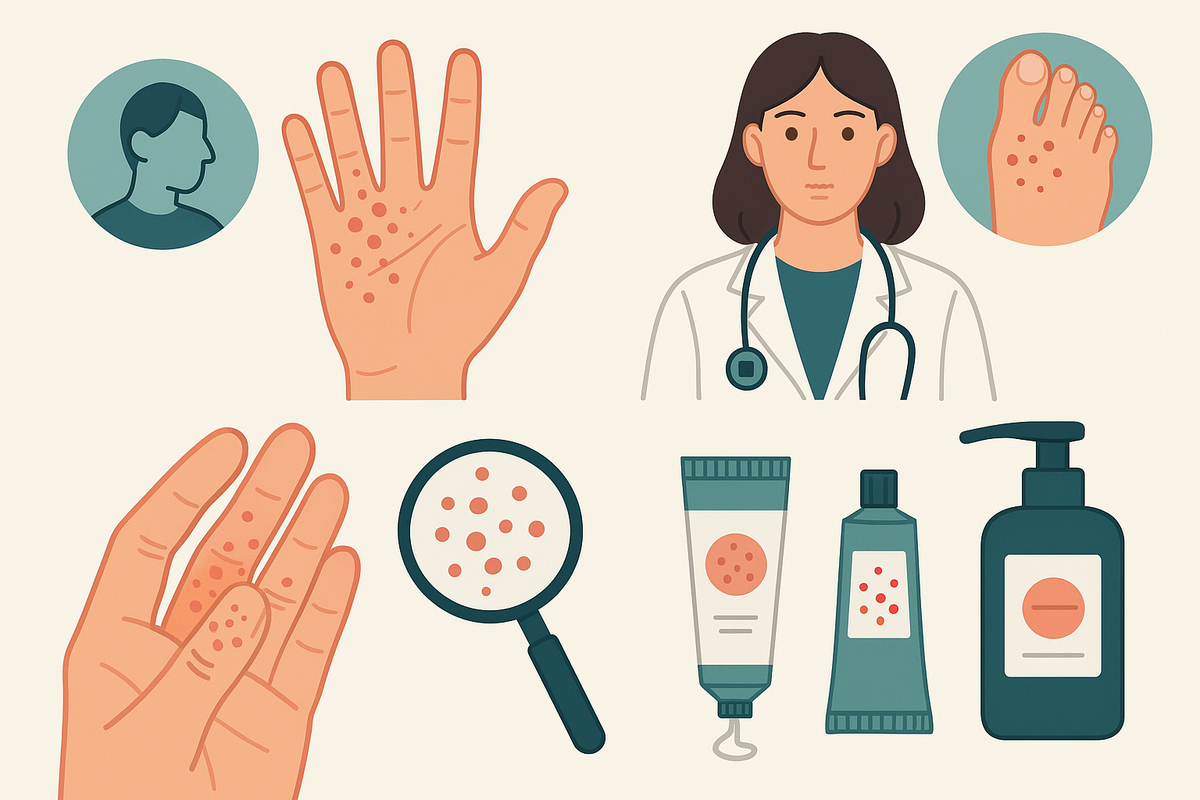
One of the more frequent causes of a rash between fingers and toes is dyshidrotic eczema, also called pompholyx. This condition causes tiny, intensely itchy blisters, most often on the sides of fingers, palms, and soles. The blisters may ooze, then peel and crack as they heal.
- Possible triggers include stress, sweating, frequent handwashing, and allergies.
- Can affect adults and children.
- May appear suddenly and recur in flares.
Athlete’s Foot (Tinea Pedis)
Athlete’s foot is a fungal infection that typically starts between the toes and can spread to adjacent skin on the foot. It often causes itching, burning, and scaling, especially after sweating or wearing tight shoes.
- Frequently seen in athletes, swimmers, and people who wear closed shoes for long hours.
- Can cause fissures (cracks) and peeling skin.
- May spread to hands (tinea manuum) if not treated.
Intertrigo
Intertrigo is inflammation caused by skin-on-skin friction, moisture, and heat. It occurs in skin folds—between fingers, toes, under the breasts, or between buttocks. The rash is red, raw, and can be painful or itchy. Secondary infection by bacteria or candida can occur.
- Risk factors: obesity, diabetes, excessive sweating, hot climates.
- Often worsens with physical activity or during the summer.
Contact Dermatitis
This rash arises when the skin comes into contact with an irritant or allergen, such as soaps, detergents, latex gloves, nickel, cobalt, or personal care products. Contact dermatitis between fingers or toes may cause redness, burning, and sometimes blisters.
- Common in people with frequent wet work or those who handle chemicals.
- Can be allergic (from substances like nickel) or irritant (from frequent handwashing).
Viral Rashes
Certain viruses, like hand-foot-mouth disease, can cause red spots or blisters on the hands, feet, and buttocks, particularly in children. These rashes may be accompanied by fever and sore throat.
Other Causes
Less commonly, a drug allergy, psoriasis, or scabies can cause a rash in these areas. For more about medication reactions, see our detailed guide: drug rash causes, symptoms, and how to identify it.
Section 3: Symptoms and How to Tell Causes Apart
Key Symptoms by Rash Type
Recognizing the type of rash between fingers and toes depends on the appearance, symptoms, and triggers:
- Dyshidrotic eczema: Tiny, fluid-filled blisters; intense itching; burning; peeling; usually no odor.
- Athlete's foot: Scaling, redness, fissures; burning or itching; sometimes a musty smell; may spread to the soles.
- Intertrigo: Red, macerated (soggy-looking) skin; raw or tender; sometimes with a white or yellowish film if infected.
- Contact dermatitis: Redness, swelling, sometimes blisters; itching or burning; appears hours to days after exposure.
- Viral rashes: Small red spots or blisters; fever or sore throat may be present (especially in children).
How Symptoms Guide Diagnosis
Look for clues:
- Blisters only between fingers or toes? Dyshidrotic eczema is a possible cause.
- Red, peeling, itchy skin starting between toes? Athlete’s foot may be likely.
- Raw, wet-looking skin in folds? Intertrigo or secondary infection could be present.
- Rash after new soap, gloves, or jewelry? Contact dermatitis is possible.
- Fever, mouth sores, and rash on hands/feet? Hand-foot-mouth disease may be suspected.
When Symptoms Overlap
Multiple causes can coexist. For example, eczema can get secondarily infected with fungus or bacteria. If a rash persists, worsens, or spreads, it’s important to consult a healthcare provider for a proper diagnosis.
Section 4: Diagnosis — How Clinicians Identify the Cause
Medical History and Physical Exam
Doctors begin by asking about:
- How long the rash has been present
- Recent exposures (soaps, detergents, new shoes, outdoor activities)
- Associated symptoms (itching, pain, fever, spreading)
- Personal or family history of eczema, allergies, or fungal infections
A physical exam notes the rash’s appearance, distribution, and signs of infection (pus, crusting).
Tests for Fungal Infection or Allergy
If athlete’s foot or another fungal infection is suspected, a clinician may:
- Scrape a small sample of skin for microscope examination (KOH prep)
- Send a sample for fungal culture if diagnosis is unclear
For suspected allergic contact dermatitis, patch testing might be recommended to identify the triggering allergen.
When to Seek Medical Care
- Rash is spreading quickly or involves large areas
- There are signs of infection (pus, pain, fever, red streaks)
- Severe or persistent itching
- Recurrent or unexplained rashes
Always see a doctor or dermatologist for diagnosis and treatment, especially for severe, spreading, or persistent symptoms.
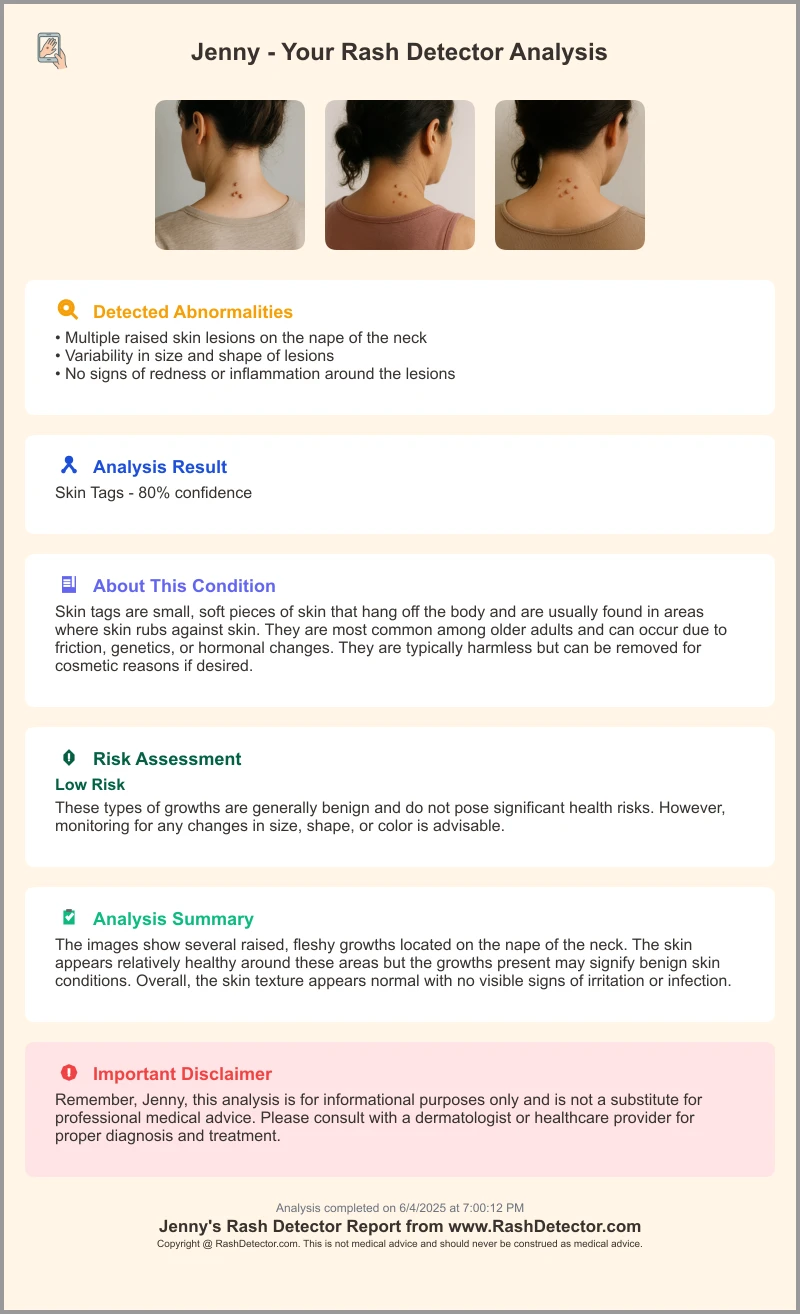
For those who want guidance before seeing a clinician, apps like Rash Detector allow you to upload images and receive possible causes and suggestions instantly. This does not replace a medical diagnosis, but can help you understand your symptoms better.
Section 5: Treatment and Self-Care Options
General Principles
Treatment for a rash between fingers and toes depends on the underlying cause, but some basic steps apply to most cases:
- Keep the affected area clean and dry
- Avoid known irritants or allergens
- Use gentle, fragrance-free soaps and moisturizers
- Do not scratch; scratching worsens the rash and increases infection risk
Specific Treatments by Cause
- Dyshidrotic eczema: Topical steroids (prescription or over-the-counter hydrocortisone), cool compresses, barrier creams. In severe cases, a doctor may prescribe stronger treatments.
- Athlete’s foot: Antifungal creams (such as terbinafine or clotrimazole) applied for at least 2-4 weeks. Keep feet dry and change socks daily.
- Intertrigo: Barrier creams (zinc oxide), medicated powders to absorb moisture, and sometimes antifungal or antibacterial creams if infection is present.
- Contact dermatitis: Remove the trigger, use topical steroids, and moisturize. For severe reactions, oral antihistamines may help with itching.
- Viral rashes: Usually self-limited; focus on symptom relief (cool compresses, acetaminophen for fever).
For itchy rashes, check out our in-depth guide to best anti itch cream: top picks and how to choose.
Moisture Control and Barrier Protection
Wear breathable socks and gloves, change them if they get wet, and consider using absorbent powders or moisture-wicking liners for hands and feet. Barrier creams help protect the skin from irritants and friction.
When Home Care Isn’t Enough
If symptoms are severe, recurrent, or not improving with self-care, see a healthcare provider. Prescription medications, patch testing, or even referral to a dermatologist may be needed.
Section 6: Rashes by Body Area: What’s Different?
Face
A rash on face is often due to allergies, rosacea, seborrheic dermatitis, or sun exposure. The skin here is especially sensitive. If you notice a sudden or persistent facial rash, it’s important to consider new cosmetics, sunscreen, or medications as possible causes.
Arms and Legs
A rash on arms or rash on legs can appear from atopic dermatitis, insect bites, or heat rash. These areas are often exposed to environmental agents. For tips on preventing heat rash, see how to prevent heat rash.
Chest and Back
A rash on chest or back may be due to acne, allergic reactions, or fungal infections (like tinea versicolor). Tight clothing, sweat, and friction are common aggravators.
Buttocks and Groin
Rash between buttocks or in the groin is frequently caused by intertrigo, fungal infections, or irritation from hygiene products. Moisture control is key here, too.
Hands and Feet
In addition to the conditions already described, a rash on hands or feet can also result from repeated trauma, occupational exposures, or systemic illnesses. The approach to diagnosis and treatment is similar: focus on the distribution, appearance, and triggers.
Why Do Rashes Appear in Certain Areas?
- Skin thickness, moisture, friction, exposure to irritants, and underlying medical conditions all play a role.
- Knowing the typical locations and patterns helps narrow down the likely cause and guide effective treatment.
For a comprehensive approach to skin health and self-exams, see the step-by-step skin self-exam guide.
Conclusion
A rash between fingers and toes is a common but often uncomfortable problem, with causes ranging from eczema and athlete’s foot to contact dermatitis and intertrigo. The symptoms and triggers—such as blisters, scaling, redness, itching, and moisture—offer important clues to the underlying issue.
Treatment requires a careful look at your unique symptoms, lifestyle, and exposures. For many people, basic self-care, moisture control, and targeted creams may bring relief. But if your rash is severe, spreading, or persistent, don’t hesitate to seek medical attention.
For instant guidance and possible explanations, you can try uploading images to Rash Detector—but always follow up with a healthcare provider for diagnosis and treatment, especially for concerning symptoms.
FAQ
Q: What causes a rash between fingers and toes?
A: Common causes include dyshidrotic eczema, athlete’s foot (fungal infection), intertrigo (from moisture and friction), contact dermatitis (from irritants or allergens), and viral rashes like hand-foot-mouth disease. Less commonly, drug allergies or scabies may be responsible.
Q: How do you tell dyshidrotic eczema from athlete’s foot?
A: Dyshidrotic eczema usually causes tiny, intensely itchy blisters on the sides of fingers, palms, or soles, and often peels as it heals. Athlete’s foot often starts between the toes, with scaling, redness, fissures, and sometimes a musty odor. Fungal testing may be needed if the cause is unclear.
Q: Is a rash between the fingers or toes contagious?
A: Some causes are contagious—especially athlete’s foot (fungal infection) and certain viral rashes. Dyshidrotic eczema and most types of contact dermatitis are not contagious. If you’re unsure, avoid sharing towels or shoes and see a healthcare provider.
Q: What does dyshidrotic eczema look like on fingers and feet?
A: It appears as clusters of tiny, clear fluid-filled blisters, often with intense itching, burning, and peeling. It usually affects the sides of fingers, toes, palms, and soles.
Q: How do you treat an itchy rash between toes or fingers?
A: Treatment depends on the cause. For fungal infections, antifungal creams may be used. For eczema or contact dermatitis, topical steroids and moisturizers may help. Keep the area clean and dry, and avoid irritants. See a doctor if home care doesn’t help.
Q: When should I see a doctor for a rash between my fingers and toes?
A: See a doctor if the rash is spreading, severe, painful, shows signs of infection (pus, fever), is recurrent, or doesn’t improve with self-care. Always get a professional diagnosis for persistent or unexplained rashes.
Important: This article is for general educational purposes only and does not provide medical advice or diagnosis. Always consult a doctor or dermatologist for diagnosis and treatment, especially for severe, spreading, painful, or persistent symptoms.