Rash Behind Knees: Causes, Eczema, and Effective Treatments
Discover why rashes behind your knees occur, from eczema to fungal infections. Learn symptoms, home remedies, and when to see a doctor.
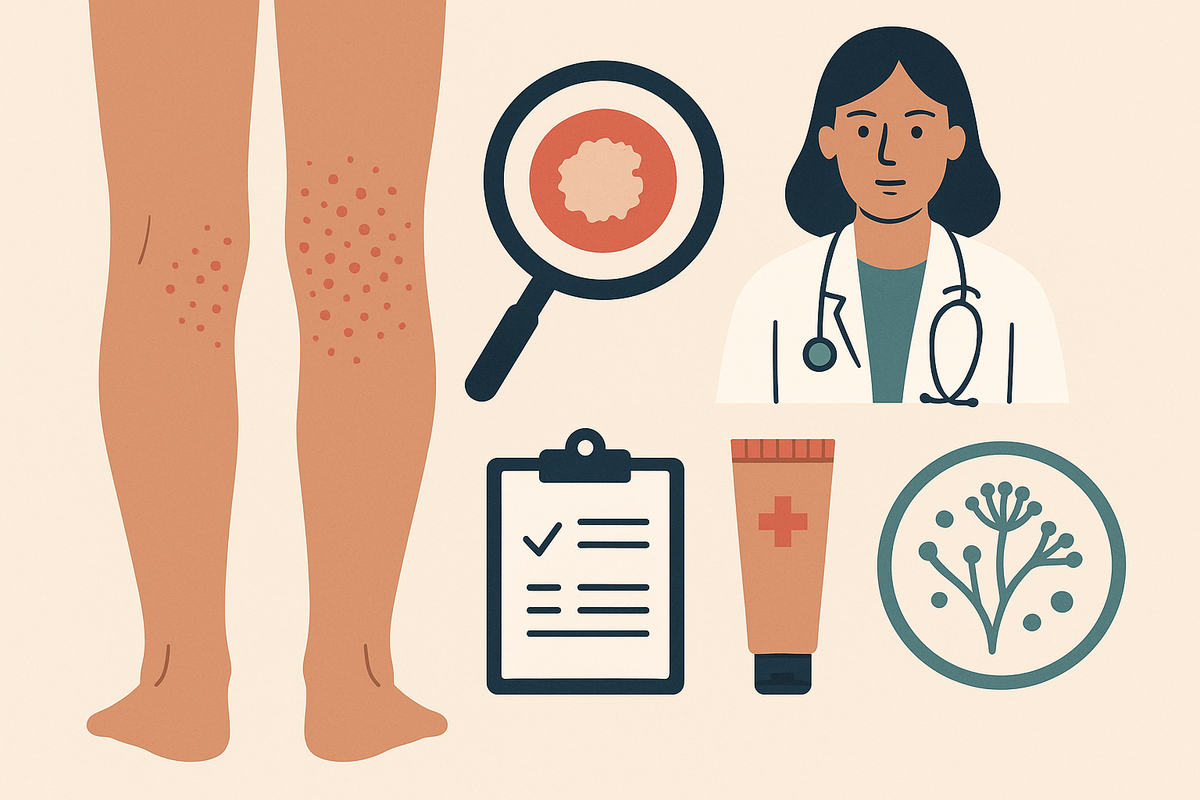
Estimated reading time: 13 min
Key Takeaways
- The most common cause of rash behind knees is flexural eczema (atopic dermatitis).
- Other possible causes include psoriasis, fungal infections, heat rash, contact dermatitis, and lichen simplex chronicus.
- Symptoms, triggers, and treatments vary—recognizing differences is helpful for relief.
- Home care may help mild cases, but see a doctor if the rash is severe, spreading, or persistent.
- Rash Detector can help you analyze your rash instantly by uploading images.
Table of Contents
- Section 1: Why Does a Rash Develop Behind the Knees?
- Section 2: Eczema Behind Knees (Flexural Eczema)
- Section 3: Psoriasis, Lichen Simplex, and Other Non-Eczema Causes
- Section 4: Fungal Infections, Heat Rash, and Allergic Reactions
- Section 5: How to Differentiate Rash Types (Eczema vs. Psoriasis and More)
- Section 6: Home Remedies, Treatments, and When to See a Doctor
- Conclusion
- FAQ
Section 1: Why Does a Rash Develop Behind the Knees?
The Popliteal Fold: A Unique Skin Environment
The area behind your knees—medically called the popliteal fossa—is especially prone to developing different types of rashes because it forms a skin fold, or flexural area. This region is anatomically unique: skin surfaces are frequently in contact, creating a pocket where heat and moisture accumulate. Due to these factors, the skin barrier here may be more easily disrupted compared to other areas of the body.
- Friction: The constant movement of walking, bending, or sitting causes skin-on-skin contact. This increases the risk of mechanical irritation and micro-damage, especially in active individuals or athletes. For example, runners and cyclists often notice chafing or redness in this area after long periods of exercise.
- Moisture: Sweat produced during exercise or in hot weather tends to collect in this fold. Even in cooler climates, tight or non-breathable clothing can trap moisture. Extended moisture exposure can weaken the outer layer of skin (stratum corneum), predisposing it to breakdown and irritation.
- Trapped allergens and microbes: The creased skin can collect environmental irritants—such as pollen, pet dander, dust mites, and particles from clothing. It also creates an ideal environment for bacteria and fungi, which thrive in warm, damp environments. Even remnants of soaps, lotions, or detergents can linger in the fold, potentially triggering contact reactions.
Because of these factors, people of all ages—children, teens, and adults—can experience rashes here. Children, in particular, may be more susceptible due to their increased activity levels and more delicate skin. Adults who are overweight, immunocompromised, or have chronic conditions may also have increased risk due to deeper skin folds and reduced skin barrier function.
Common Triggers in This Area
- Heat and humidity: Hot weather, high humidity, or exercise can increase sweating, aggravate skin irritation, and promote overgrowth of microbes.
- Synthetic clothing: Fabrics like polyester, nylon, and spandex trap sweat and heat, compared to natural fibers like cotton. Tight leggings, compression wear, and sports uniforms can be problematic if not laundered frequently.
- Personal care products: Shampoos, body washes, shaving creams, and even some 'sensitive skin' laundry detergents can leave behind irritants. Fragrances and preservatives are common culprits.
Understanding and avoiding these triggers can help with both preventing and managing rashes in the popliteal fold. Simple changes—like switching to cotton clothing, using scent-free products, and thoroughly drying the area after bathing or sweating—may make a difference.
When Is a Rash Behind the Knees Serious?
- Severe redness, swelling, or pain—especially if rapidly worsening
- Oozing, yellow crust, or foul odor, which can indicate a secondary bacterial infection (such as impetigo or cellulitis)
- Systemic symptoms, including fever, chills, or feeling unwell (malaise)
- Signs of dehydration or distress in children, such as lethargy or refusal to walk
If any of these warning signs are present, seek prompt medical attention. Early intervention is important to prevent complications. Always see a doctor or dermatologist for diagnosis and treatment if the rash is severe, spreading, painful, or does not improve with basic home care.
Section 2: Eczema Behind Knees (Flexural Eczema)
What Is Flexural Eczema?
Flexural eczema (atopic dermatitis) is considered the most common cause of a rash behind the knees. This chronic inflammatory skin disorder frequently affects the inner elbows and backs of knees—areas where skin naturally folds. It often starts in childhood, but can persist or develop in adulthood as well. Many children with atopic dermatitis will have involvement of these flexural areas at some point.
- Recurring, chronic condition that can wax and wane over months or years
- Strong hereditary component; children with a parent or sibling with eczema, asthma, or hay fever are at higher risk
- Often associated with other 'atopic' conditions, such as allergic rhinitis (hay fever) and asthma
- May be aggravated by immune system overactivity, environmental exposures, and impaired skin barrier function
The hallmark feature is an intensely itchy, red rash that can become scaly, thickened, and even ooze or crack with scratching. The itch-scratch cycle makes eczema particularly distressing, especially for young children who may have trouble sleeping or focusing due to discomfort.
Symptoms of Eczema Behind Knees
- Intense itching, often worse at night or after sweating
- Red, inflamed patches that can be flat or slightly raised
- Dryness, roughness, and peeling
- Chronic cases may develop thickened (lichenified), leathery skin with accentuated skin lines
- Scratching leads to excoriations (scratches) and sometimes open sores
- Occasional clear or yellowish oozing, and crust formation in severe or infected cases
- Frequent involvement of other flexural areas—look for similar patches inside elbows, ankles, or on the neck
The urge to scratch is a defining feature, but scratching can worsen inflammation and increase the risk of skin infection by allowing bacteria (such as Staphylococcus aureus) to enter through broken skin. In children, secondary infection may present with honey-colored crusting and rapidly spreading redness.
Common Triggers for Flexural Eczema
- Heat and sweat: Even mild sweating (from physical activity or warm weather) can trigger flare-ups or worsen existing eczema.
- Wool or synthetic fabrics: These can irritate the skin directly or retain sweat, exacerbating itch and inflammation.
- Soaps, fragrances, and detergents: Many personal and household products contain chemicals that dry or irritate sensitive skin; even 'mild' or 'natural' products can be problematic for some.
- Stress: Emotional stress is a well-known trigger for eczema flares, likely due to its effects on the immune system.
- Environmental allergens: Dust mites, pet dander, pollens, and molds can all provoke flares in atopic individuals.
- Dietary allergens: While less common, some children and adults find that certain foods (like eggs, dairy, or nuts) aggravate their eczema. This should be discussed with a healthcare provider before making dietary changes.
Managing triggers is important. For example, switching to fragrance-free laundry detergent, avoiding fabric softeners, and wearing loose cotton clothing can help reduce symptoms for some people. Keeping fingernails short and using barrier creams can also minimize skin damage from scratching.
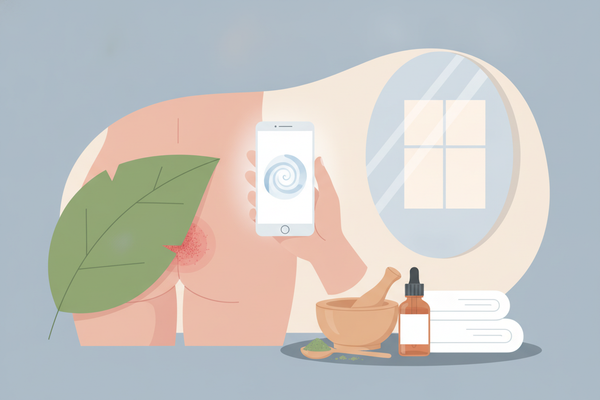
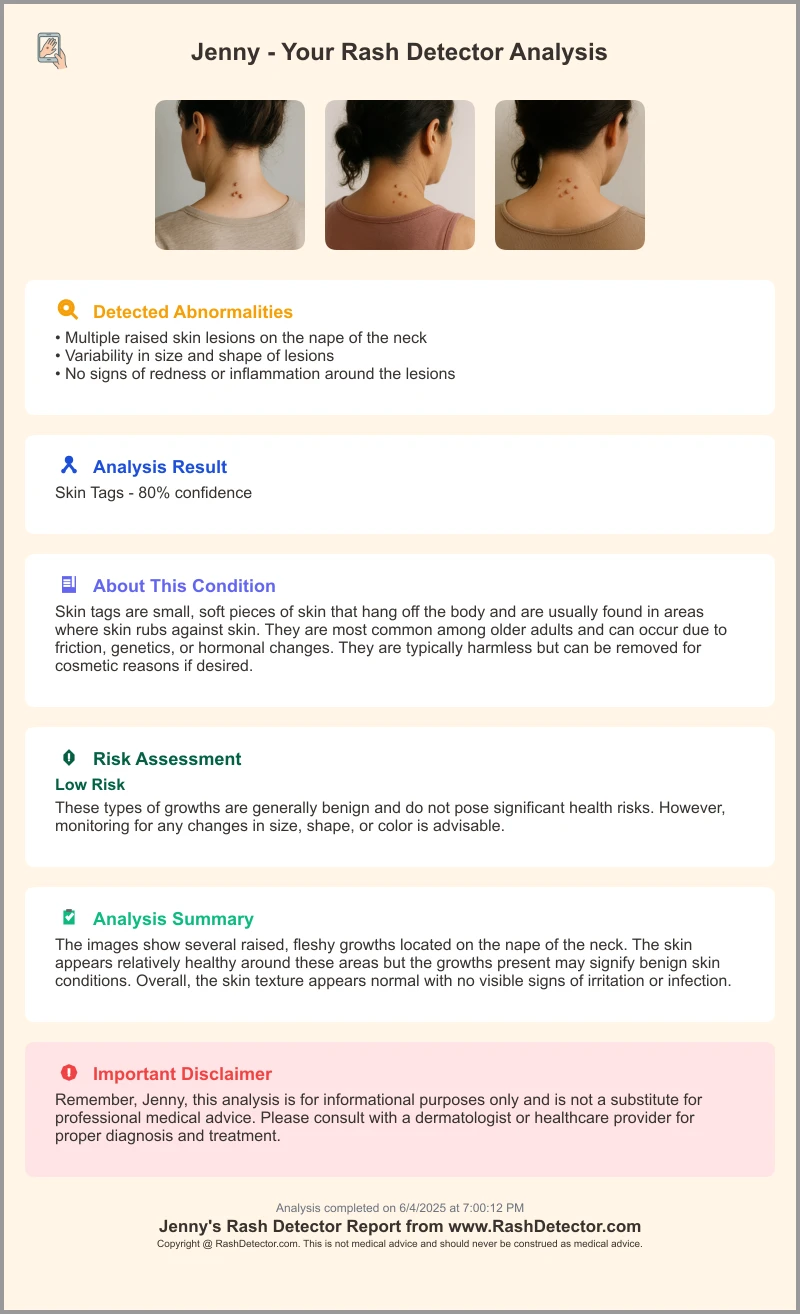
If you're unsure whether your rash is eczema, you can upload images to Rash Detector for instant analysis and tailored suggestions. The platform uses advanced image recognition to compare your rash to known cases and provide possible causes and next steps.
Section 3: Psoriasis, Lichen Simplex, and Other Non-Eczema Causes
Psoriasis Behind the Knee: How Is It Different?
Psoriasis is a chronic, immune-mediated skin disease that affects a portion of the population globally. It commonly appears on the elbows, knees, lower back, and scalp—but can also show up behind the knees, sometimes making it difficult to distinguish from eczema. Unlike eczema, psoriasis is not typically associated with allergies or asthma.
- Psoriasis plaques are usually well-defined, with a distinct border separating affected from healthy skin
- The classic appearance is red or salmon-pink plaques with thick, silvery-white or micaceous (mica-like) scales
- Itching is less prominent than in eczema, but plaques can be sore, tender, or even painful if cracked
- Lesions may bleed when scratched (Auspitz sign)
Triggers: Psoriasis can flare after skin injuries (Koebner phenomenon), infections (like strep throat), certain medications, stress, or heavy alcohol use. Behind the knees, heat and sweating can exacerbate symptoms, and friction from clothing can trigger new lesions.
Lichen Simplex Chronicus
Lichen simplex chronicus develops as a result of repetitive rubbing or scratching, often beginning with another itchy rash (like eczema or bug bites). Over time, the skin thickens, becomes leathery, and takes on a darker or hyperpigmented appearance. Distinctive features include:
- Thickened, rough, and markedly accentuated skin lines
- Intense, habitual itching—often worst at night or during periods of stress
- Pigmentation changes (hyperpigmentation or hypopigmentation) in chronic cases
- Visible scratch marks, sometimes with open sores or scabs
Lichen simplex is often a "secondary" problem—meaning it develops on top of a primary skin disorder. The itch-scratch cycle can become self-perpetuating, making it hard to break without targeted therapy and behavioral strategies.
Other Non-Eczema Causes
- Drug rashes: Certain medications, such as antibiotics, anti-epileptics, and diuretics, can cause skin eruptions. These may start in skin folds and spread to other areas. Appearance varies, but may include red spots, hives, or widespread rash.
- Contact dermatitis: Both allergic and irritant types can affect the area behind the knees. For example, a new body lotion, topical medication, or fabric dye may cause a sharply demarcated red, itchy rash.
- Secondary infection: Persistent scratching or underlying skin disease can lead to bacterial overgrowth (most commonly by Staphylococcus aureus or Streptococcus species). Cellulitis, impetigo, or abscesses can develop, especially in children or immunocompromised adults.
- Rare causes: Less commonly, conditions like granuloma annulare, inverse (flexural) psoriasis, or even early cutaneous lymphoma may present in skin folds. These are rare, but important to consider if the rash is atypical or unresponsive to standard treatments.
If you suspect a drug reaction or unusual rash pattern, consult your healthcare provider promptly. For more on identifying drug rashes, see Drug Rash: Causes, Symptoms, and How to Identify It. Bringing a list of all current medications and photos of the rash can be helpful for diagnosis.
Section 4: Fungal Infections, Heat Rash, and Allergic Reactions
Fungal Infections in Skin Folds
Fungal rashes are a possible cause of irritation in the popliteal fold, especially in warm, moist environments. The most common culprits are dermatophytes (causing ringworm, or tinea corporis) and yeast (such as Candida). These organisms flourish in skin folds where air circulation is poor and sweat accumulates.
- Ringworm (tinea corporis) typically appears as red, itchy, annular (ring-shaped) patches with a clearer center and raised, scaly border
- Fungal rashes may spread outward, forming multiple rings or merging into larger patches; the edge is often more active and inflamed than the center
- Symptoms are usually worse with heat, humidity, or after exercise
- Overlapping bacterial infection may cause yellow crust, swelling, or pus
Fungal rashes can be contagious through skin contact or shared towels, clothing, or gym equipment. Those with diabetes, obesity, or weakened immune systems may be at higher risk. Treatment usually requires topical (and occasionally oral) antifungals; home remedies alone are rarely effective for established infections.
Heat Rash (Miliaria)
Heat rash (miliaria) occurs when sweat ducts become blocked, trapping sweat beneath the skin. This is common in infants, children, athletes, or anyone exposed to hot, humid conditions. The popliteal fold is especially vulnerable due to its warm, occluded nature.
- Appears as clusters of tiny red bumps or clear, pinhead-sized blisters (miliaria crystallina)
- Often accompanied by a prickling, stinging, or burning sensation
- May be itchy, but usually less so than eczema or fungal rash
- In severe cases, larger blisters or pustules may form (miliaria profunda or rubra)
- Common after prolonged sweating, fever, or bed rest (especially in hospitalized patients)
Heat rash is generally harmless and resolves with cooling, loose clothing, and avoidance of excessive heat or humidity. Persistent or severe cases may require medical attention to rule out secondary infection. For practical prevention, see How to Prevent Heat Rash: Practical Tips for Every Season.
Contact Dermatitis and Allergic Reactions
- Allergic contact dermatitis: Exposure to allergens such as nickel (in snaps or zippers), rubber (in knee braces or athletic wear), or chemicals (thioureas in swimwear, topical antibiotics, fragrances) can provoke an itchy, red rash. The reaction is usually localized to the site of contact but may spread with repeated exposure.
- Irritant contact dermatitis: Results from repeated friction, sweat, or use of harsh soaps and cleansers. The skin becomes red, dry, and sometimes cracked or blistered. Unlike allergic reactions, this form does not require prior sensitization and can affect anyone.
Both types can be difficult to distinguish from eczema without a detailed history and sometimes patch testing. Clues include a rash that appears soon after starting a new product or wearing new clothing, or one that improves when the suspected irritant is removed.
Section 5: How to Differentiate Rash Types (Eczema vs. Psoriasis and More)
Visual and Textural Differences
Accurately identifying the cause of a rash behind your knees is important for effective treatment. While there is overlap in appearance, the following features may help in distinguishing among the most common types:
- Eczema (Flexural): Red, dry, and sometimes oozing patches; severe, persistent itching; often localized to creases and folds; chronic cases develop thickening and accentuated skin lines. The affected skin may become darker (hyperpigmented) or lighter (hypopigmented) over time, especially in people with darker skin tones.
- Psoriasis: Well-demarcated, thick plaques with silvery-white or mica-like scales; less itch than eczema but more burning, soreness, or even pain; can bleed when scratched; rarely oozes unless secondarily infected. Psoriasis may also affect the scalp, nails (pitting or separation), and other non-flexural sites.
- Fungal Infection: Annular (ring-shaped), scaly red patches with a clearer center; raised, advancing border; may have satellite lesions (smaller spots outside the main rash); often spreads outward over time. Sometimes mistaken for eczema, but scaling is more prominent at the edge.
- Heat Rash: Small red bumps or clear blisters, often clustered together; prickly, stinging sensation; common in hot, humid weather, especially after sweating or exercise; resolves with cooling and exposure to air.
- Contact Dermatitis: Red, inflamed rash precisely at the site of contact; may be blistered, weeping, or crusted in severe cases; history of new product or clothing exposure is a clue; usually improves quickly after removing the irritant or allergen.
For best assessment, take clear, well-lit photographs from several angles. Consider using Rash Detector to analyze images and receive an AI-powered report suggesting possible causes and next steps. This can be useful if the rash changes rapidly, is hard to describe, or covers multiple areas.
Associated Symptoms to Watch For
- Widespread rash: Could suggest a systemic allergic reaction (such as drug reaction or urticaria/hives), viral exanthem, or autoimmune condition.
- Yellow crust, swelling, or pus: May signal secondary bacterial infection (impetigo, cellulitis) requiring medical treatment.
- Thickening and darkening: Suggests chronic scratching or rubbing (lichen simplex chronicus).
- Nail, scalp, or joint symptoms: Involvement of the nails (pitting, onycholysis), scalp, or joints (pain, swelling) may point toward psoriasis or other systemic skin diseases.
- Rapidly spreading redness and fever: These can be signs of a serious infection or allergic reaction that needs urgent medical attention.
When Is It Not Just a Simple Rash?
It’s important to recognize when a behind-the-knee rash is more than a minor irritation. Watch for:
- Fever, chills, or other signs of systemic illness
- Rapid progression—spread of redness, swelling, or pain within hours
- Blistering, open sores, or blackened tissue
- Confusion, fainting, or difficulty breathing (rare, but signs of severe allergic reaction or sepsis)
In these situations, seek immediate medical care. Early intervention may prevent complications and ensure the best possible outcome.
Section 6: Home Remedies, Treatments, and When to See a Doctor
Home Care and Over-the-Counter Solutions
- Moisturize daily: Apply thick, fragrance-free creams or ointments (like petroleum jelly or ceramide-based moisturizers) immediately after bathing and before bed. This helps support the skin barrier. Avoid lotions with alcohol or perfumes.
- Topical hydrocortisone: 1% hydrocortisone cream may reduce mild inflammation and itching. Use sparingly, no more than twice daily, and not for more than 1-2 weeks without medical supervision. In children, always consult a doctor before using steroid creams.
- Antifungal creams: For ringworm or fungal rashes, over-the-counter antifungals like clotrimazole or terbinafine are sometimes effective when applied as directed. Wash hands after application and avoid sharing towels or clothing.
- Cool compresses: Applying a clean, damp washcloth for 10-15 minutes can calm itching and reduce swelling. Repeat as needed, especially after scratching.
- Avoid triggers: Wear loose, breathable clothing (cotton is best), avoid tight leggings or synthetic fabrics, and switch to gentle, fragrance-free laundry detergents. If possible, shower and change into dry clothes immediately after sweating.
- Non-medicated anti-itch remedies: Colloidal oatmeal baths, oral antihistamines (like cetirizine or loratadine), and calamine lotion may help reduce itch in some cases. Check with your pharmacist before use, particularly in children or if taking other medications.
- Keep fingernails short: This reduces the risk of skin damage and infection from scratching, especially in children.
- Protective dressings: Non-stick bandages or light gauze wraps can protect the skin from further injury. Change dressings daily and keep the area clean and dry.
- Air out the area: Allow the skin behind the knees to breathe. Take breaks from prolonged sitting or physical activity, and avoid covering the area with heavy fabrics for long periods.
For additional itch relief strategies, see our guide to the Best Anti Itch Cream: Top Picks and How to Choose. Always follow package instructions and consider consulting your pharmacist or healthcare provider if you have any concerns about product safety or interactions.
When to See a Doctor or Dermatologist
- Rash does not improve after 1-2 weeks of consistent home care
- Symptoms are severe (intense pain, large blisters, or open sores), rapidly worsening, or spreading to other areas
- Signs of infection develop: oozing, yellow crusts, increasing swelling or redness, warmth, fever, or feeling generally unwell
- Uncertainty about the cause, especially if the rash is unusual in appearance, affects multiple body areas, or is accompanied by systemic symptoms
- Involvement of other areas (scalp, nails, joints) or a family history of psoriasis/autoimmune disease
- In children, any signs of dehydration, irritability, or refusal to walk
Do not attempt to self-diagnose or treat serious, persistent, or rapidly changing rashes. Only a doctor or dermatologist can provide a diagnosis and recommend the most appropriate treatment. Early intervention is especially important for infections, severe allergic reactions, or uncommon skin diseases.
How Rash Detector Can Help
If you’re unsure about what’s causing your rash behind the knees, the Rash Detector app can help you take the next step. Simply upload three clear, well-lit images of your rash, and the app uses advanced AI algorithms to analyze skin patterns, color, and location. Within seconds, you’ll receive a report listing possible causes, common triggers, and practical tips for relief. While this tool is not a substitute for professional diagnosis, it can help you decide whether home care is appropriate or if you should see a healthcare provider.
Try it now at Rash Detector and get fast, educational guidance for your skin concerns.
Conclusion
Rashes behind the knees are a common and often frustrating skin problem for people of all ages. Flexural eczema is a leading cause, but other conditions—psoriasis, fungal infections, heat rash, and contact dermatitis—can also occur in this unique skin fold. Each has distinct triggers, symptoms, and treatments, making accurate identification helpful for effective relief.
Home care measures—such as daily moisturizing, avoiding irritants, wearing breathable clothing, and using appropriate over-the-counter creams—may improve mild cases and help prevent recurrence. However, persistent, spreading, severe, or infected rashes should always be evaluated by a doctor or dermatologist. Early medical intervention can help prevent complications and speed recovery.
When in doubt, use tools like Rash Detector for instant analysis and tailored advice. But remember: these tools are for educational purposes only and cannot replace a professional medical evaluation. If your rash is worsening, painful, or accompanied by fever, see a healthcare provider promptly for diagnosis and treatment.
FAQ
Q: What is the most common cause of a rash behind the knees?
A: Flexural eczema (atopic dermatitis) is a common cause, especially in children and those with a history of allergies or asthma.
Q: How can I tell if my rash behind the knee is eczema or psoriasis?
A: Eczema usually appears as red, itchy, dry patches often in creases, while psoriasis forms well-defined, scaly plaques that are less itchy and more silvery in color. Diagnosis may require a dermatologist's evaluation.
Q: Why does my back of the knee itch so much?
A: Itching is often due to eczema, irritation from sweat, friction, or an allergic reaction to fabrics or products used in the area. Persistent itching should be evaluated by a healthcare provider.
Q: Can a behind-the-knee rash be caused by a fungal infection?
A: Yes, fungal infections like ringworm can develop in warm, moist skin folds behind the knee. These often appear as red, ring-shaped patches and may need antifungal treatment.
Q: What home remedies work for a rash behind the knees?
A: Gentle skin care (moisturizers, cool compresses), avoiding triggers, and using over-the-counter hydrocortisone or antifungal creams (when appropriate) may help mild cases. See a doctor for severe or persistent rashes.
Q: When should I see a doctor for a rash behind my knees?
A: If the rash is severe, spreading, painful, shows signs of infection (oozing, swelling), or doesn’t improve with home care after 1-2 weeks, consult a doctor or dermatologist for diagnosis and treatment.