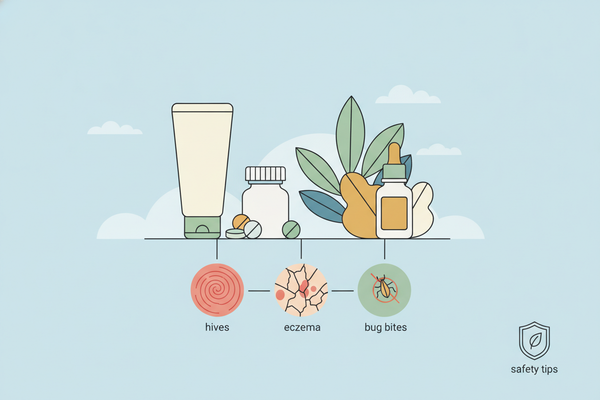
Ointment for Rash on Skin: How to Choose and Use Safely
Discover how to choose the right ointment for rash on skin, including options for eczema, fungal, bacterial, and diaper rashes with safe application tips.

Estimated reading time: 16 min
Key Takeaways
- Choosing the right ointment for rash on skin depends on the rash cause—eczema, fungal, bacterial, or irritant—and accurate identification is important for effective treatment.
- Hydrocortisone 1% may help reduce itch and inflammation in many non-fungal rashes, but should be used carefully, respecting recommended duration and avoiding sensitive areas unless advised by a doctor.
- Antifungal ointments like clotrimazole, ketoconazole, or terbinafine target ringworm and yeast-related rashes, requiring consistent application for 2–4 weeks to help clear infection.
- Mupirocin and other antibacterial ointments treat infected rashes caused by bacteria such as Staphylococcus and Streptococcus species; proper wound hygiene complements treatment.
- Barrier ointments with petrolatum or zinc oxide soothe dry, chafed, or diaper rash-prone skin by creating protective moisture barriers and supporting skin comfort.
- Safe application includes patch testing new products, limiting steroid ointment use to short courses, following instructions carefully, and consulting a doctor for severe, spreading, painful, or persistent rashes.
Table of Contents
- Section 1: Understanding Different Rash Types
- Section 2: Choosing the Right Ointment by Rash Cause
- Section 3: Hydrocortisone 1% for Itch and Inflammation
- Section 4: Antifungal and Antibacterial Ointments Explained
- Section 5: Barrier Ointments for Dry, Irritated, or Chafed Skin
- Section 6: How to Apply Rash Ointment Safely
- Conclusion
- FAQ
Section 1: Understanding Different Rash Types
What Causes Skin Rashes?
A rash is a visible change in the skin’s color, texture, or appearance often accompanied by itching, redness, swelling, or discomfort. Understanding the underlying cause of a rash is important because treatment varies depending on whether the rash is allergic, infectious, or due to physical irritation.
- Allergic or Contact Dermatitis: This occurs when the skin reacts to external irritants or allergens such as soaps, detergents, metals like nickel, or plants like poison ivy. The reaction can cause redness, swelling, itching, and sometimes blistering.
- Eczema (Atopic Dermatitis): A chronic inflammatory condition characterized by dry, itchy, scaly patches. It often affects children but can persist or start in adulthood and tends to flare with triggers like dry air, irritants, or stress.
- Fungal Rashes: Caused by dermatophytes (fungi) such as those responsible for ringworm (tinea corporis) or yeast infections like candidiasis. These rashes often form distinct ring-shaped patches or red, moist areas in skin folds.
- Bacterial Infections: These can complicate other rashes or wounds, with common infections including impetigo, which causes honey-colored crusted sores, or cellulitis, which results in red, swollen, and tender skin.
- Friction or Chafing: Physical irritation from skin rubbing against skin or clothing, often in warm, moist areas like thighs or underarms, leading to redness and sometimes raw or cracked skin.
- Diaper Rash: Common in infants and adults who use diapers or incontinence products, caused by prolonged exposure to moisture, friction, and irritants such as urine and feces.
Why Accurate Identification Matters
Choosing the wrong ointment can worsen the rash. For example, using steroid ointments on fungal infections can potentially worsen the condition by suppressing the immune response against fungi. Similarly, antibacterial ointments are ineffective against eczema or fungal rashes. Accurate diagnosis helps select targeted treatment, improving outcomes and avoiding complications.
Tools like the Rash Detector app utilize AI-powered image analysis to assist in identifying rash types by analyzing uploaded photos and symptoms. While not a substitute for professional medical evaluation, such tools can guide initial care and decision-making.
Signs That Suggest a Specific Rash Type
- Itchy and dry patches with scaling and occasional cracking: Typically seen in eczema or allergic dermatitis.
- Ring-shaped, red, scaly patches with clearer centers and raised edges: Characteristic of fungal infections such as ringworm.
- Red, swollen, warm, and oozing areas with crust formation: Suggestive of bacterial infection like impetigo or infected eczema.
- Redness and irritation in skin folds or diaper area with moist skin: Indicative of diaper rash or yeast infection in that area.
- Skin redness localized to areas of friction or sweat: Points to chafing or irritant rash.
Remember, a healthcare professional or dermatologist can confirm diagnosis, especially when rashes are severe, persistent, or atypical.
Section 2: Choosing the Right Ointment by Rash Cause
Ointments for Allergic or Contact Dermatitis
Management focuses on reducing inflammation and alleviating itching to prevent scratching and secondary infection. Over-the-counter hydrocortisone 1% ointment may be effective for mild to moderate allergic or irritant contact dermatitis. Calamine lotion provides soothing relief and helps dry out oozing blisters, such as those from poison ivy exposure.
- Hydrocortisone 1%: Applied 1-2 times daily for up to 7 days, this mild steroid may relieve redness and itch. Avoid prolonged use on sensitive areas like face without medical advice.
- Calamine Lotion: Contains zinc oxide and iron oxide, offering soothing and drying effects, especially useful for weepy or blistering rashes.
- Anti-itch Creams: Products with pramoxine or menthol may provide temporary itch relief by numbing nerve endings or cooling the skin.
Example: For poison ivy rash, wash area promptly, apply calamine lotion to soothe blisters, and consider hydrocortisone for persistent itching after blisters dry.
Ointments for Eczema (Atopic Dermatitis)
Eczema treatment includes ongoing skin hydration and inflammation control. Daily moisturizing with ointments or creams containing ceramides helps restore the skin barrier. During flare-ups, short courses of hydrocortisone 1% ointment may reduce inflammation and itching.
- Hydrocortisone 1%: Use only on active inflamed areas, limiting to 7 days. Avoid applying on infected or broken skin.
- Moisturizing Ointments: Look for products with ceramides, colloidal oatmeal, or panthenol to replenish skin lipids and soothe irritation.
- Fragrance-Free, Sensitive Skin Formulations: To minimize the risk of irritation or allergic reactions.
Example: Apply moisturizing ointments at least twice daily, especially after bathing, to lock in moisture. Use hydrocortisone during flare-ups, then taper off as symptoms improve.
Ointments for Fungal Rashes
Fungal infections require antifungal agents that kill or inhibit fungi. Over-the-counter antifungal ointments like clotrimazole, ketoconazole, and terbinafine may be effective but should be used consistently for 2 to 4 weeks, even if symptoms improve earlier, to help clear the infection and reduce recurrence risk.
- Clotrimazole: Effective against dermatophytes and yeast, commonly used for athlete’s foot, ringworm, and candidiasis.
- Ketoconazole: Broad-spectrum antifungal useful for stubborn or recurrent infections; availability varies by region.
- Terbinafine: Particularly effective against ringworm and tinea infections; usually applied once or twice daily.
Example: For ringworm, wash and dry the affected area, apply antifungal ointment twice daily for 4 weeks to support clearance.
Ointments for Bacterial Infections
Bacterial infections may complicate other rashes or wounds, requiring topical antibiotics like mupirocin to help eradicate common pathogens such as Staphylococcus aureus or Streptococcus pyogenes.
- Mupirocin: Prescription antibiotic ointment applied 2-3 times daily to infected skin for 5–10 days, promoting healing and reducing bacterial load.
- Proper Wound Care: Cleanse with mild soap and water, keep the area dry, and avoid occlusive dressings unless recommended.
Example: For impetigo, clean lesions gently, apply mupirocin as prescribed, and avoid touching or scratching to prevent spread.
Ointments for Friction, Chafing, and Diaper Rash
Barrier ointments create a protective layer on the skin, shielding it from moisture, friction, and irritants. Petrolatum and zinc oxide are widely used for this purpose, providing a waterproof barrier that soothes and supports skin comfort.
- Petrolatum (Vaseline): Locks in moisture and protects against irritants, ideal for dry, cracked skin or mild chafing.
- Zinc Oxide: Offers protective, mildly antiseptic properties to soothe diaper rash and prevent irritation.
- Useful For: Diaper rash in infants and incontinent adults, chafing from exercise or clothing, dry skin on elbows, knees, or heels.
Example: Apply thick layer of zinc oxide ointment to diaper area at each diaper change to help prevent and soothe diaper rash.
Section 3: Hydrocortisone 1% for Itch and Inflammation
What Makes Hydrocortisone 1% Effective?
Hydrocortisone 1% is a mild topical corticosteroid that works by suppressing the skin’s inflammatory response. It inhibits the production of inflammatory mediators such as prostaglandins and cytokines, reducing redness, swelling, and itchiness.
- Mechanism of Action: Dampens immune cell activity and reduces vasodilation, which decreases redness and edema.
- Availability: Over-the-counter in many countries, making it accessible for mild skin conditions.
- Safety Profile: Generally safe for short-term use; minimal systemic absorption when used as directed.
When to Use Hydrocortisone 1%
Hydrocortisone 1% may be helpful for mild to moderate inflammatory skin conditions such as allergic contact dermatitis, atopic dermatitis flare-ups, insect bites, and mild psoriasis. It is not suitable for fungal or bacterial infections unless combined with appropriate antimicrobial treatment.
- Apply to red, itchy patches caused by eczema or dermatitis.
- Not recommended on broken, infected, or ulcerated skin.
- Use cautiously on sensitive areas like the face, groin, or underarms; consult a healthcare provider before use in these regions.
Risks and Precautions
While hydrocortisone 1% is mild, misuse or prolonged use can lead to adverse effects:
- Skin Thinning (Atrophy): Prolonged steroid use can cause thinning, making skin fragile and prone to tearing.
- Stretch Marks: Occur from long-term application, especially in delicate areas.
- Worsening Infections: Steroids can suppress immune response, potentially worsening fungal or bacterial infections.
- Systemic Effects: Rare with hydrocortisone 1%, but possible with extensive use over large areas.
Recommendations:
- Perform a patch test before widespread use to rule out sensitivity.
- Avoid occlusive dressings unless prescribed.
- Limit use to the shortest duration necessary, typically no more than 7 days.
- Consult a healthcare provider if the rash worsens, spreads, or does not improve within a week.
Section 4: Antifungal and Antibacterial Ointments Explained
Antifungal Ointments: Targeting Ringworm and Yeast
Fungal skin infections are common and require specific antifungal agents that penetrate the skin and inhibit fungal cell growth. Treatment duration is important to help prevent recurrence.
- Clotrimazole: Broadly effective against dermatophytes and yeast. Applied twice daily for 2-4 weeks, even after lesion resolution.
- Ketoconazole: Useful for stubborn infections and seborrheic dermatitis, with anti-inflammatory properties; usually applied once or twice daily.
- Terbinafine: Highly effective for tinea infections like athlete’s foot and ringworm; generally requires 1-2 weeks of application.
Important: Complete the full course of antifungal treatment to help prevent fungal resistance and relapse. Avoid using steroid creams alone on fungal infections as this can mask symptoms and worsen the infection.
Antibacterial Ointments: Fighting Skin Infection
Topical antibiotics are indicated when bacterial infection is suspected or confirmed, often as a secondary complication of other rashes or wounds.
- Mupirocin: Effective against gram-positive bacteria including some MRSA strains. Applied 2-3 times daily for 5 to 10 days.
- Use: Only on infected or colonized areas to minimize antibiotic resistance.
- Adjunct Wound Care: Gentle cleansing and keeping the area dry enhance healing.
Note: Overuse or misuse of topical antibiotics can promote resistant bacteria. Consult a healthcare provider for appropriate diagnosis and guidance.
When to Seek Prescription Treatments
If the rash fails to improve with over-the-counter treatments or shows signs of spreading infection, systemic antibiotics, antifungal pills, or stronger steroid preparations may be necessary. Consult your healthcare professional promptly.
For detailed information, refer to the Drug Rash Treatment post.
Section 5: Barrier Ointments for Dry, Irritated, or Chafed Skin
How Barrier Ointments Work
Barrier ointments protect the skin by forming a physical shield that locks in moisture and helps keep out irritants such as urine, feces, sweat, and friction from clothing. This may help reduce inflammation, support healing, and prevent worsening of conditions like diaper rash or chafing.
- Petrolatum-Based Ointments: Create an occlusive layer that prevents transepidermal water loss, maintaining skin hydration.
- Zinc Oxide Ointments: Offer moisture resistance plus mild antiseptic and astringent properties, helping to soothe and protect damaged skin.
- Applications: Ideal for infants’ diaper areas, adults with incontinence-associated dermatitis, athletes with chafing, and anyone with dry or cracked skin areas like heels or elbows.
Example: Use petrolatum ointment on dry, cracked heels nightly to support skin repair and help prevent fissures.
Ingredients That Support Skin Barrier Repair
In addition to physical barriers, some ointments contain ingredients that may help support skin barrier restoration and soothe irritation:
- Ceramides: Lipid molecules that help restore the skin’s natural protective barrier and reduce water loss.
- Colloidal Oatmeal: Contains anti-inflammatory and antioxidant compounds that may relieve itching and irritation.
- Panthenol (Vitamin B5): Enhances skin hydration and supports wound healing.
- Hyaluronic Acid: Holds moisture in the skin, improving suppleness and barrier function.
These ingredients are commonly found in moisturizing ointments designed for sensitive or damaged skin.
Choosing Products for Sensitive Skin
For babies, children, and adults with sensitive skin, select fragrance-free, hypoallergenic products with minimal additives. Avoid ingredients known to cause irritation or allergic reactions. Always read product labels carefully and test new products on a small skin area before regular use.
Section 6: How to Apply Rash Ointment Safely
General Application Guidelines
- Begin by washing your hands thoroughly with soap and water.
- Clean the affected skin gently using mild soap and lukewarm water, then pat dry with a clean towel.
- Apply a thin, even layer of ointment over the entire rash area, ensuring full coverage.
- Use a clean finger, cotton swab, or applicator to avoid contamination.
- Follow the product’s instructions for frequency—commonly 1 to 3 times daily.
- Avoid tight clothing or occlusive bandages over the treated area unless advised by a healthcare provider.
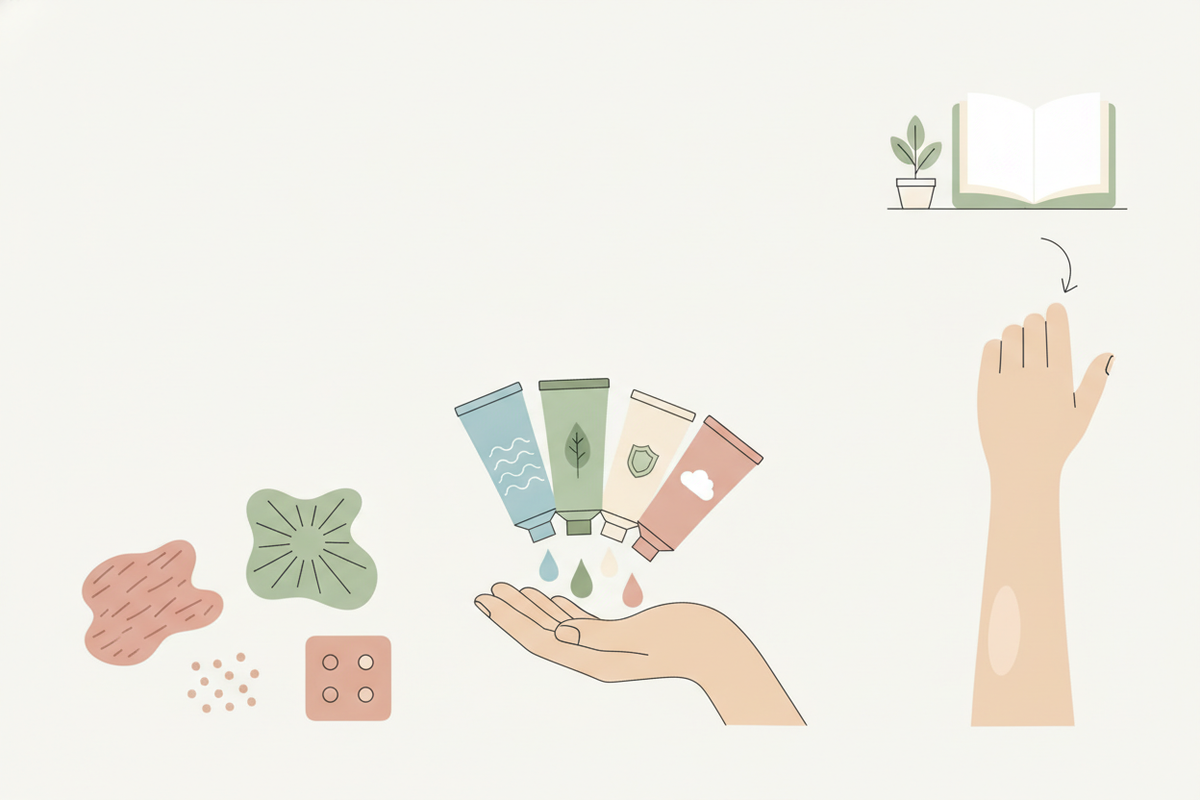
Patch Testing
Before using a new ointment extensively, perform a patch test to detect potential allergic reactions or irritation:
- Apply a small amount of ointment on a limited skin area, such as the inner forearm.
- Cover with a bandage if needed.
- Wait 24 hours and monitor for redness, swelling, itching, or blistering.
- If no adverse reaction occurs, the ointment can be used as directed.
- If irritation develops, discontinue use and consult a healthcare provider.
Duration and When to Stop
Topical steroids like hydrocortisone 1% should not be used continuously for more than 7 days without medical supervision. For antifungal and antibacterial ointments, complete the full recommended course even if symptoms improve earlier.
If the rash worsens, spreads to new areas, becomes painful, or shows signs of infection such as oozing pus or crusting, discontinue use and seek prompt medical evaluation.
When to Avoid Steroids
- Do not apply steroid ointments to fungal infections unless prescribed alongside antifungal treatment.
- Avoid use on open wounds, broken skin, or areas of active infection without medical advice.
- Consult a healthcare provider before applying steroids on the face, groin, underarms, or other sensitive areas due to higher absorption risk.
- Never combine steroids with antibiotics or antifungals without professional guidance.
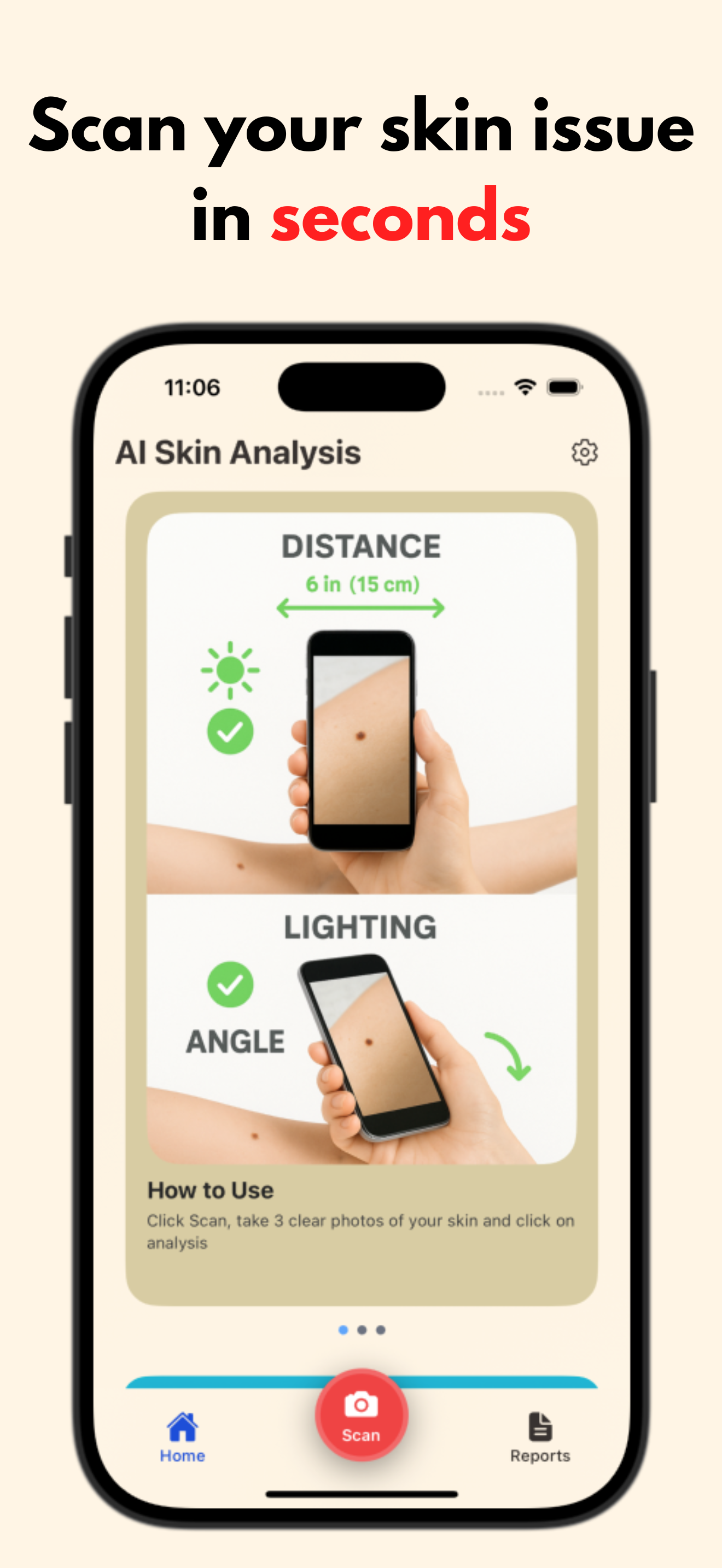
Utilizing tools such as the Rash Detector app can provide AI-supported rash type identification, guiding you toward the most appropriate ointment and care regimen. However, this should complement, not replace, consultation with a healthcare professional especially for severe or uncertain cases.
Conclusion
Choosing the right ointment for rash on skin depends primarily on identifying the rash cause. Mild topical steroids like hydrocortisone 1% may be effective for inflammatory, non-fungal rashes such as eczema and allergic dermatitis but require cautious use to avoid side effects. Antifungal ointments such as clotrimazole, ketoconazole, and terbinafine target fungal infections like ringworm, necessitating consistent application over several weeks. Antibacterial ointments like mupirocin are reserved for infected rashes and should be used under medical guidance.
Barrier ointments containing petrolatum or zinc oxide play a role in soothing dry, irritated, or chafed skin and helping prevent further damage, especially in diaper rash.
Safe application practices—including patch testing, adhering to recommended treatment durations, and avoiding inappropriate use of steroids—are important to optimize outcomes and minimize risks.
If a rash is severe, spreading, painful, oozing, or persists beyond a week despite treatment, seek prompt evaluation by a healthcare professional or dermatologist for accurate diagnosis and tailored therapy.
For fast, AI-powered rash analysis and personalized skin care advice, the Rash Detector app can be a helpful resource to support informed decisions about your skin health.
FAQ
Q: What is the best ointment for a rash on skin?
A: The best ointment depends on the cause of the rash. Hydrocortisone 1% ointment may be suitable for inflammatory rashes like eczema or allergic dermatitis. Antifungal ointments such as clotrimazole or terbinafine treat fungal infections like ringworm. Mupirocin is typically prescribed for bacterial infections. Barrier ointments containing petrolatum or zinc oxide are ideal for dry, chafed, or diaper rash-prone skin.
Q: Should I use hydrocortisone, antifungal, or antibiotic ointment for my rash?
A: Use hydrocortisone for itchy, inflamed, non-fungal rashes such as eczema or contact dermatitis. Antifungal ointments are appropriate for fungal infections like ringworm or yeast infections. Antibiotic ointments like mupirocin are indicated for bacterial skin infections. Correct identification of the rash type is important—tools like the Rash Detector app can help guide this.
Q: What ointment is best for itchy, red, or inflamed skin?
A: Hydrocortisone 1% ointment often helps relieve itch and inflammation in many types of dermatitis and eczema. However, avoid using it if a fungal infection is suspected, as it may worsen the condition.
Q: Can I use rash ointment on eczema, ringworm, or contact dermatitis?
A: Yes, but the ointment must be selected based on diagnosis. Use hydrocortisone ointment for eczema and allergic contact dermatitis. For ringworm or fungal infections, antifungal ointments are appropriate. Avoid steroids on fungal infections without medical advice to prevent worsening.
Q: What is the best ointment for diaper rash or chafing?
A: Barrier ointments containing petrolatum or zinc oxide are best for protecting and soothing skin prone to diaper rash or chafing. They form a moisture barrier and support skin comfort.
Q: When should I see a doctor instead of treating a rash with OTC ointment?
A: Consult a healthcare provider promptly if the rash is severe, spreading, painful, oozing pus, or persists beyond a week despite treatment. Also seek care if you experience fever, swelling, difficulty breathing, or if the rash affects sensitive areas like the face or genitals.