How Next-Gen Dermatology Apps Are Revolutionizing Rash Detection and Skin Care
Explore how next-gen dermatology apps revolutionize rash detection with AI and telemedicine, improving accuracy, speed, and accessibility in skin care management.
Estimated reading time: 8 minutes
Key Takeaways
- Next-gen apps use AI and machine learning to assist with rapid rash assessment and provide educational guidance.
- Telemedicine integration and real-time analytics can help bridge access gaps and speed up care.
- User-friendly interfaces and engagement tools may support patient adherence and education.
- Emerging technologies like AR, deep learning, and big data are being explored for predictive, personalized care.
- Privacy, security, and the need for human oversight remain critical considerations.
- Future outlook points to more personalized and preventive dermatology via multi-modal data and smart integrations.
Table of Contents
- Section 1: The Evolution of Next-Gen Dermatology Apps
- Section 2: Core Features of Next-Gen Dermatology Apps
- Section 3: Impact on Rash Detection and Skin Care
- Section 4: Emerging Technologies in Next-Gen Dermatology Apps
- Section 5: Challenges and Considerations for Next-Gen Dermatology Apps
- Section 6: Future Outlook: Personalized Dermatology with Next-Gen Apps
- Conclusion
- FAQ
Section 1: The Evolution of Next-Gen Dermatology Apps
Before digital tools, dermatology required in-person visits, clinical exams, and often involved long wait times and specialist shortages. Patients in rural or underserved areas faced significant barriers to expert care.
Early digital health tools offered basic symptom trackers and static photo uploads. Users logged itchiness or redness, snapped pictures, and emailed them to clinics, resulting in slow and generic feedback.
With the rise of telemedicine, apps added secure messaging and video chats. Patients could schedule virtual visits, share images live, and receive feedback within 24–48 hours. This hybrid model sped up care but still depended on manual doctor reviews.
Now, next-gen dermatology apps in 2026 mark the latest phase:
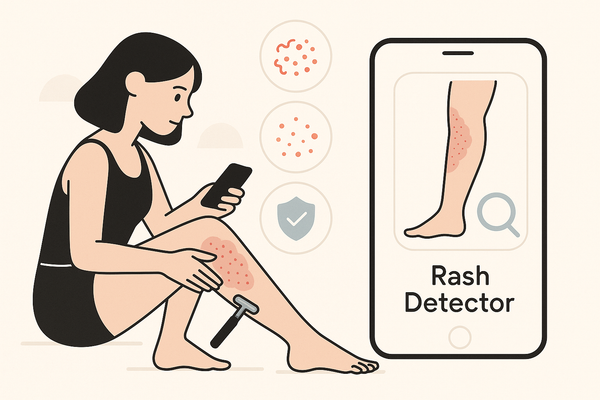
- AI-driven guidance analyzes skin images in seconds, offering educational information and risk assessment.
- Real-time analytics compare your rash to large sets of anonymized cases.
- Personalized care suggestions adapt to your history and lifestyle.
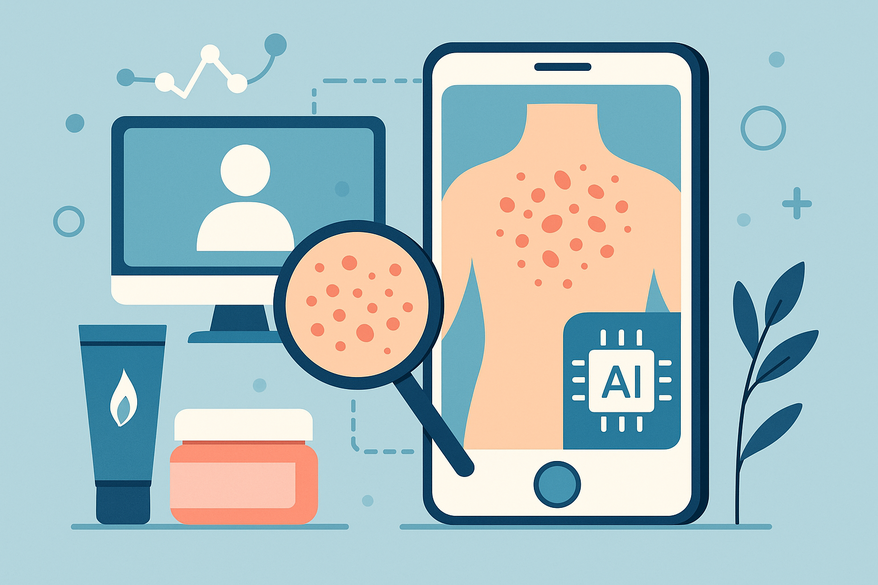
These technologies may help bridge gaps in access, speed, and accuracy, potentially reducing in-person visits for minor conditions while flagging urgent cases for fast referrals. For example, services like AI-based photo rash diagnosis tools compare top platforms to help you choose the right solution. By combining AI, machine vision, and secure telehealth, next-gen dermatology apps aim to deliver faster detection, better monitoring, and tailored education—all from your smartphone.
Section 2: Core Features of Next-Gen Dermatology Apps
AI & Machine Learning Diagnostics
- Definition: AI and ML algorithms trained on diverse, large-scale skin image datasets can spot patterns using deep convolutional neural networks (CNNs).
- Continuous learning: User uploads, with consent, may help refine model accuracy and inclusivity, especially across different skin tones and ages.
- Role in rash detection: Instant image analysis can flag common rashes (like dermatitis, eczema, urticaria) and provide educational risk assessments.
For a deeper dive, see our guide on machine learning in skin analysis.
Telemedicine Integration & Real-Time Data Analysis
- Secure connections: HIPAA/GDPR-compliant video calls, encrypted chat, and photo uploads.
- Fast feedback: Turn-around times can be under 24 hours, sometimes within a few hours for AI-based assessments; live consults may be available within a few hours, even on weekends.
- In-app triage: AI may prioritize urgent cases, flag high-risk images for dermatologist review, and route lower-risk ones to educational resources or routine follow-up.
User-Friendly Interface & Patient-Driven Design
- Simple navigation: Clear menus, guided photo capture with real-time quality feedback, and step-by-step symptom logging.
- Engagement tools: Push reminders for follow-up, medication tracking, and in-app learning modules on skin health and rash prevention.
- Accessibility: Multi-language support, adjustable font sizes, high-contrast modes, and voice prompts for visually impaired users.
Key Benefits:
- Rapid image analysis may speed up risk assessment and educational feedback.
- Secure telehealth protects privacy and meets medical standards.
- Intuitive UX/UI can boost patient engagement and adherence.
Section 3: Impact on Rash Detection and Skin Care
Accuracy & Speed Improvements
• AI educational assessments for common rashes may approach high agreement rates with dermatologist reviews for typical presentations, but accuracy can vary.
• Faster guidance: Many users receive preliminary educational results in under a few hours compared to days or weeks for traditional referrals.
Real-World Examples / Case Studies
• FirstDerm: Reports suggest reduced in-person referrals by allowing AI to triage mild cases and direct users to educational resources or virtual consults.
• DermatologistOnCall: Average response times are reported to be under a few hours; patient satisfaction ratings are generally positive.
Patient Benefits
• 24/7 app access may help bridge gaps in rural and underserved areas.
• No travel or long waiting rooms; consult from home or work.
• Self-monitoring tools can help users track flare-ups, triggers, and learn skin-friendly habits.
Provider Benefits
• AI can flag high-risk lesions for urgent review, potentially reducing caseload stress.
• AI-backed second opinions may improve confidence and reduce misdiagnoses for common conditions.
• Sync with EHRs and generate automated reports, saving administrative hours.
Important: Always consult a doctor or dermatologist for diagnosis and treatment, especially for severe, spreading, painful, or persistent symptoms. Apps provide educational guidance only and cannot replace professional medical evaluation.
Section 4: Emerging Technologies in Next-Gen Dermatology Apps
Deep Learning & Advanced Image Analysis
- Deep learning uses multi-layer neural networks to mimic human vision and may improve detection of subtle patterns.
- Image pre-processing: normalization, segmentation, and feature extraction can help isolate rash areas and textures for more accurate analysis.
Learn more about deep learning for skin conditions.
Big Data & Predictive Analytics
- Aggregates anonymized patient images, demographics, and treatment outcomes from large user bases.
- Predictive algorithms may score risk for chronic skin conditions, enabling earlier intervention and personalized alerts.
Augmented Reality (AR) for Education & Diagnosis
- AR overlays virtual elements on camera feeds, guiding lesion self-exams and teaching proper photo capture techniques.
- Use cases: visualize how creams spread on skin, compare current rash to past photos, or simulate protective measures for sun exposure.
Future Integrations
- Wearables & IoT: Smart patches and watches may measure UV exposure, skin temperature, and hydration in real time, syncing with the app for comprehensive skin health tracking.
- Voice assistants: Hands-free symptom logging and reminders via Alexa, Google Assistant, or built-in app voice features.
Section 5: Challenges and Considerations for Next-Gen Dermatology Apps
Privacy & Data Security
• Risks: Data breaches, unauthorized PHI access, and identity theft.
• Safeguards: End-to-end encryption, two-factor authentication, regular security audits, and strict HIPAA/GDPR compliance. Many apps offer transparent data usage dashboards and opt-out controls.
Limitations of Technology
• False positives/negatives: Poor image quality, unusual presentations, or rare conditions can mislead AI.
• Need for human oversight: Apps should flag red-flag alerts for in-person exams to catch missed or complex conditions.
Strategies for Mitigation
• Continuous algorithm refinement with diverse skin tone and age data.
• Transparent in-app disclaimers clarifying diagnostic limitations and encouraging follow-up with a healthcare provider.
• Hybrid care models combining app assessments with scheduled clinical follow-ups and easy referral pathways.
Section 6: Future Outlook: Personalized Dermatology with Next-Gen Apps
Predictions for Evolution
• Enhanced AI: Multi-modal analysis merging images, genomics, wearable data, and patient history for more precise risk guidance.
• Personalized medicine: Tailored educational plans based on genetic profiles, lifestyle data, and environmental exposures.
• Preventative care: Predictive alerts for flares driven by environment, stress, or diet, with actionable recommendations.
Emerging Use Cases
• EHR integration: Seamless provider collaboration with shared patient records and treatment notes, improving continuity of care.
• Virtual Reality counseling modules: Immersive education for chronic conditions like psoriasis or eczema, helping patients manage stress and triggers.
Call-to-Action
• Subscribe for updates on the latest dermatology tech breakthroughs.
• Try a vetted next-gen dermatology app and share your feedback to help refine AI models and user experience.
Conclusion
Next-gen dermatology apps are transforming rash detection and skin care by combining AI, telemedicine, and user-centered design. From faster and more accessible educational guidance to predictive and personalized suggestions, these platforms aim to address access barriers and enhance outcomes. While privacy, security, and the need for human oversight remain top priorities, the integration of deep learning, AR, big data, and wearable technologies points to a future where preventive and precision dermatology may be more widely available.
Remember: For diagnosis and treatment, especially for severe, spreading, painful, or persistent symptoms, always consult a doctor or dermatologist. Apps provide general information and risk guidance only and are not a substitute for professional medical care.
FAQ
How accurate are AI-based dermatology apps?
AI algorithms may approach high agreement rates with dermatologist reviews for common rashes in typical presentations, but accuracy can vary and is not guaranteed. Complex or rare conditions still require confirmation and diagnosis by a physician or dermatologist.
Are these apps safe and secure?
Leading platforms use end-to-end encryption, two-factor authentication, and comply with HIPAA and GDPR standards to protect patient data. Many also provide transparency dashboards so you can see and control how your data is used.
Can a dermatology app replace an in-person consultation?
No. Apps can help with triage, education, and monitoring, but they complement rather than replace in-person exams for complex, severe, or unclear conditions. They may flag urgent cases and guide users to appropriate care, but a professional diagnosis is essential for treatment.
What should I do if the app flags a serious condition?
If an app identifies a high-risk lesion or alerts you to an unusual pattern, schedule an in-person appointment with a dermatologist or healthcare provider as soon as possible. Do not delay care for serious or rapidly changing symptoms.
How do I choose the right dermatology app?
Look for platforms with clinical validation, clear privacy policies, and positive user reviews. Comparing features on sites like AI-based photo rash diagnosis tools can help you make an informed choice. Always ensure the app is transparent about its limitations and encourages follow-up with a healthcare professional as needed.