Medication Rash Treatment: Expert Tips on Managing and Preventing Drug-Induced Rashes
Explore this guide on medication rash treatment to identify, manage, and prevent drug-induced rashes effectively with expert tips and strategies.

8-minute read
Key Takeaways
- Early recognition of drug rashes is vital to prevent complications.
- Common triggers include antibiotics, NSAIDs, contrast dyes and certain laxatives.
- A systematic diagnostic approach—stopping the suspect drug, self–assessment and professional evaluation—guides treatment.
- Treatment ranges from OTC antihistamines and soothing topicals to prescription steroids and emergency interventions.
- Prevention involves sharing allergy history, medical alert measures and cautious drug initiation.
Table of Contents
- Recognizing Medication–Induced Rashes
- Common Causes and Triggers of Medication Rashes
- Diagnosing a Medication–Induced Rash
- Medication Rash Treatment Options
- When to Seek Professional Care
- Preventing Future Medication–Induced Rashes
- Conclusion and Key Takeaways
- FAQ
Recognizing Medication–Induced Rashes
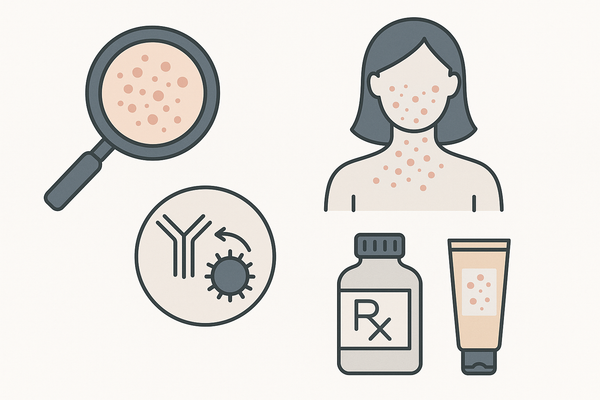
Early identification is the first step in effective treatment. Drug rashes can mimic other conditions but often follow a timeline:
- Hives (Urticaria): Raised, itchy red bumps appearing minutes to hours after exposure.
- Morbilliform Rash: Flat, red macules starting on the trunk and spreading over days.
- Fixed Drug Eruption: Dark red spots that recur at the same site and may leave pigment.
- Severe Signs: Blistering, peeling skin and systemic symptoms like fever or facial swelling.
Reaction timelines:
- Immediate (minutes–hours): hives, angioedema
- Delayed (4–14 days): morbilliform rash, fixed eruptions
Tips for Early Detection
- Document onset date and time of symptoms
- Photograph rash progression daily
- Note all medications started or changed within two weeks
For identifying drug-induced rash symptoms, detailed symptom recognition and management strategies can help you act swiftly.
Common Causes and Triggers of Medication Rashes
Individual sensitivity, genetics and immune response play major roles.
Frequent Culprits
- Antibiotics: Penicillins, cephalosporins, sulfonamides
- NSAIDs & Aspirin: Ibuprofen, naproxen
- Antihypertensives & Contrast Dyes: ACE inhibitors, calcium channel blockers, imaging agents
- Phenolphthalein Laxatives: Classic cause of fixed drug eruptions
Genetic Factors
- Certain HLA variants (e.g., HLA-B*1502 with carbamazepine) increase risk.
- Prior drug exposure heightens risk upon re-challenge.
Diagnosing a Medication–Induced Rash
A structured approach ensures targeted treatment:
- Stop the Suspect Drug to halt progression.
- Self–Assessment: Record timing, rash pattern and systemic signs.
- Professional Evaluation: Clinician review of history, exam and tests.
Allergy Testing & Lab Work
- Skin Prick or Intradermal Testing for IgE-mediated reactions
- Blood Tests: Specific IgE, CBC for eosinophilia (DRESS)
- Biopsy: Confirms Stevens–Johnson syndrome or DRESS
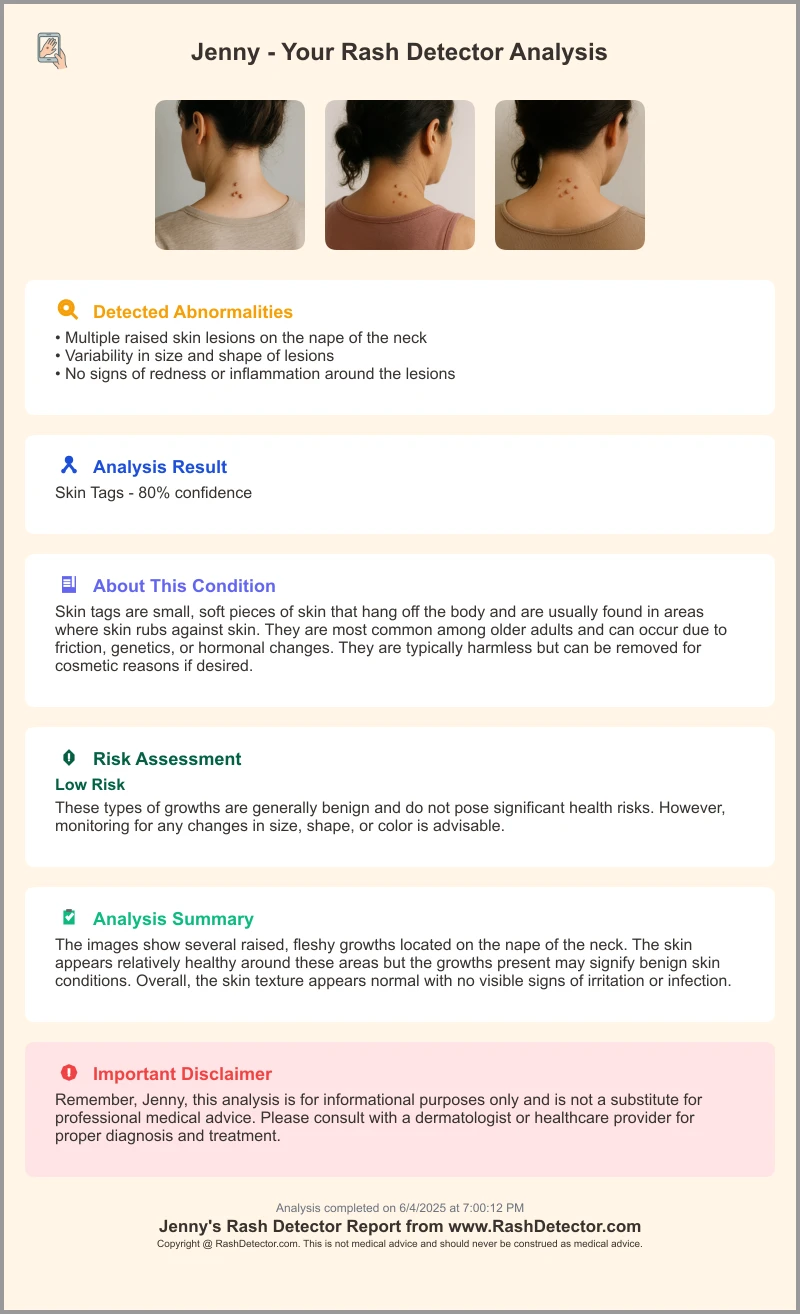
For a rapid, AI-driven preliminary analysis, use Rash Detector to upload images and receive an instant report.
Medication Rash Treatment Options
Prompt removal of the offending drug and supportive care are key. Most rashes resolve within days to two weeks.
For comprehensive prevention strategies, see managing drug allergy rash.
Over–the–Counter Remedies
- Antihistamines: Cetirizine, diphenhydramine
- Soothing Topicals: Calamine lotion, aloe vera, 1% hydrocortisone
- Home Care: Cool compresses, light clothing
Prescription Treatments
- Topical Corticosteroids: Triamcinolone, clobetasol
- Oral Corticosteroids: Prednisone taper
- Emergency Interventions: Epinephrine, IV steroids
- Advanced Therapies: IVIG or cyclosporine for severe cases
When to Seek Professional Care
Urgent evaluation is warranted if you notice:
- Rapid blistering or peeling skin (toxic epidermal necrolysis signs)
- Facial/lip swelling, breathing difficulty (anaphylaxis)
- High fever, joint pain, malaise (systemic involvement)
- No improvement in 48 hours despite OTC measures
Learn how telehealth can expedite diagnosis in online dermatologist consultation guide.
Preventing Future Medication–Induced Rashes
- Share allergy history with every healthcare provider and pharmacist
- Use medical alert jewelry or electronic allergy flags
- Start new medications at low doses under supervision
- Consider skin or blood tests before high–risk drugs
- Avoid self–medication with known excipients
Conclusion and Key Takeaways
Medication rashes range from mild itchiness to life–threatening emergencies. Early recognition, prompt cessation of the culprit drug and appropriate treatment form the backbone of effective care. Preventive measures and open communication with providers can reduce future risks.
- Define: Skin reactions from hives to Stevens–Johnson syndrome
- Recognize early: Note type, timeline and systemic signs
- Treat stepwise: OTC antihistamines → steroids → emergency care
- Seek help for severe symptoms or no response in 48 hours
- Prevent: Document allergies, use testing and cautious dosing
FAQ
- What causes medication rashes? Drug rashes result from immune responses to medications, influenced by genetics, dose and prior exposure.
- How long does a drug rash last? Most clear within days to two weeks after stopping the offending drug; severe cases may take longer.
- Can I treat a medication rash at home? Mild rashes often respond to OTC antihistamines and soothing topicals; consult a professional if symptoms worsen.
- How can I prevent future reactions? Always share your allergy history, wear medical alert identifiers and start new medications under supervision.