Comprehensive Guide to Medication Rash Treatment: Identification, Management, and Prevention
Explore medication rash treatment with expert insights on identification, management, and prevention. Ensure safety with timely intervention and care.
Estimated reading time: 9 minutes
Key Takeaways
- Early recognition and cessation of the offending drug is crucial to prevent complications.
- Treatment is stratified by severity—from antihistamines and topical steroids to systemic therapies for severe reactions.
- Supportive home care (oatmeal baths, cool compresses) can significantly reduce discomfort.
- Be alert for red-flag signs such as blistering, systemic symptoms, and mucosal involvement.
- Prevent future rashes through pre-treatment screening and thorough medication review.
Table of Contents
- Section 1: Understanding Medication-Induced Rashes
- Section 2: Identifying a Medication-Induced Rash
- Section 3: Treatment Options
- Section 4: Home Remedies and Supportive Care
- Section 5: When to Seek Professional Help
- Section 6: Prevention and Management Strategies
- Conclusion
- Additional Resources
- FAQ
Section 1: Medication Rash Treatment – Understanding Medication-Induced Rashes
Definition and Mechanism
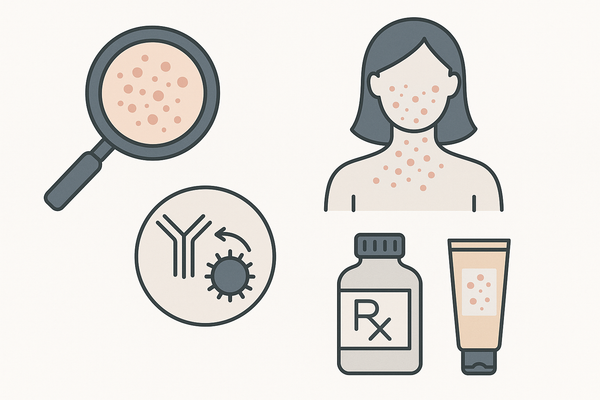
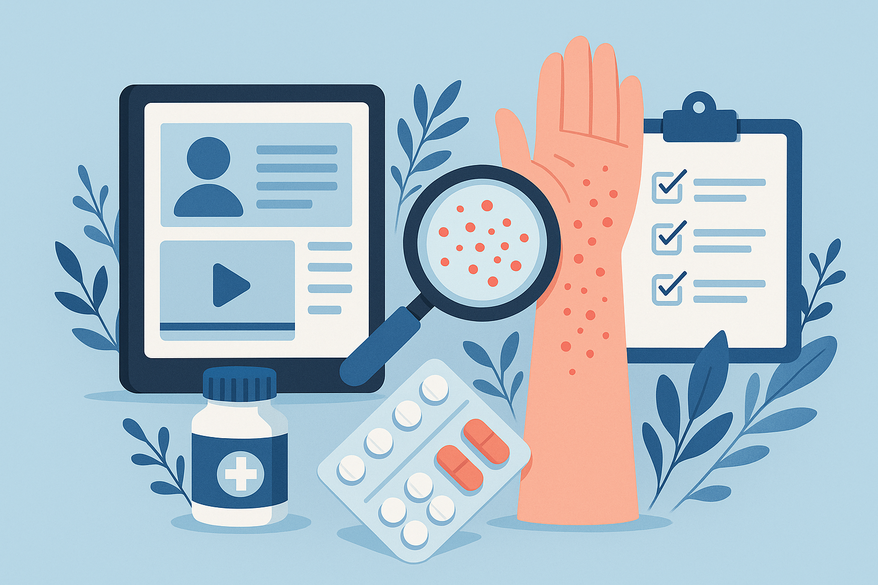
Medication-induced rashes are immune-driven skin reactions triggered by pharmaceuticals. They can present as wheals, macules, papules, pustules, or widespread peeling depending on the immune pathway and drug class.
Types of Rashes:
- Hives (Urticaria): Raised red wheals, intense itch; common triggers include aspirin and penicillins.
- Maculopapular: Flat red patches with bumps; often due to antibiotics and antihypertensives.
- Fixed Drug Eruption: Dark red spots recurring at the same site; linked to sulfa drugs.
- Exfoliative Dermatitis: Scaly, peeling skin; associated with barbiturates and phenytoin.
- Acne-like Eruptions: Pustules on face/chest; seen with steroids and anabolic agents.
Section 2: Medication Rash Treatment – Identifying a Medication-Induced Rash
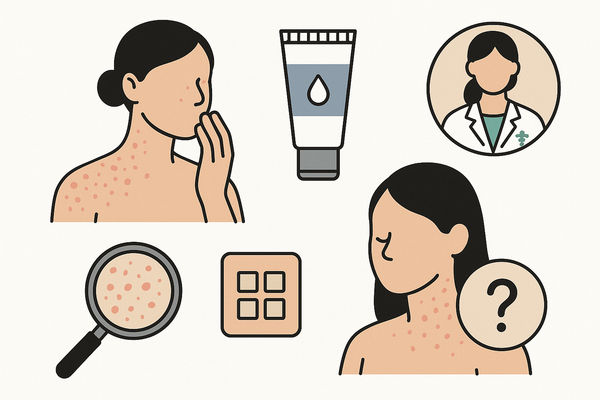
Step 1: Review Medication Timeline
- List all current and recent drugs, including OTC and supplements.
- Note dose changes, new starts, or re-challenges.
Step 2: Differential Diagnosis
- Viral Exanthems: often preceded by fever or URI symptoms.
- Contact Dermatitis: localized rash at contact sites.
- Autoimmune Dermatoses: psoriasis or lupus presentations.
Diagnostic tools include skin biopsy, blood tests for eosinophilia, and patch testing for delayed hypersensitivity.
Section 3: Medication Rash Treatment Options
Core Principle: Discontinue the offending drug. Most rashes resolve within two weeks.
Mild Reactions:
- Oral antihistamines (e.g., Cetirizine 10 mg daily).
- Topical hydrocortisone 1% twice daily.
Moderate Reactions:
- Oral prednisone 0.5 mg/kg daily, tapered over 1–2 weeks.
- Prescription topical steroids (e.g., Clobetasol 0.05%).
Severe Reactions:
- Anaphylaxis: Epinephrine 0.3 mg IM and emergency services.
- SJS/TEN: Hospitalize for IV fluids, wound care, and immunotherapy (e.g., cyclosporine).
"Early cyclosporine use in SJS reduced mortality by 50% in a tertiary burn center."
Section 4: Medication Rash Treatment – Home Remedies and Supportive Care
- Cool Compresses: Apply for 15 minutes hourly to soothe itching.
- Oatmeal Baths: Add 1 cup colloidal oatmeal to lukewarm water for 15 minutes.
- Calamine Lotion: Apply two to three times daily as a mild astringent.
- Skin Care: Keep nails trimmed, wear loose cotton clothing, avoid harsh soaps.
Section 5: Medication Rash Treatment – When to Seek Professional Help
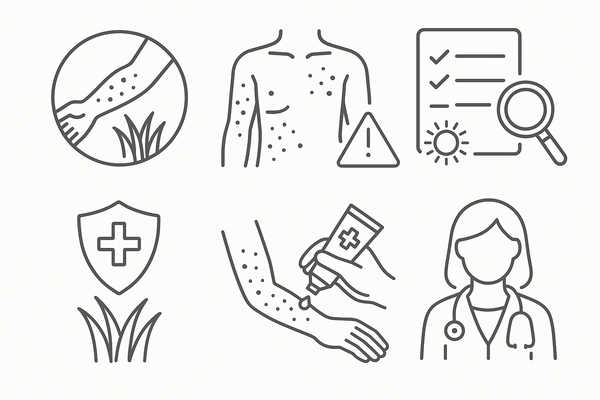
Look for these red-flag signs:
- Difficulty breathing, swallowing, or facial swelling.
- Fever above 38.5 °C or systemic symptoms.
- Widespread blistering or mucosal ulcers.
Evaluation may include a detailed history, physical exam, skin biopsy, and lab tests for organ involvement.
Section 6: Medication Rash Treatment – Prevention and Management Strategies
- Document all drug allergies and wear medical alerts.
- Pre-treatment skin prick or patch testing for high-risk medications.
- Use fragrance-free moisturizers and avoid irritants during therapy.
- Follow up if rash persists beyond two weeks or requires alternative medications.
Conclusion
Combining prompt drug cessation, tailored medical therapy, supportive home care, and professional oversight ensures safe and effective medication rash treatment. Early action and patient–provider collaboration are keys to better outcomes.
Additional Resources
- Merck Manuals: Drug Rashes
- Johns Hopkins Medicine: Drug Rashes
- NYU Langone: Drug Reactions & Hives
- Mayo Clinic: Contact Dermatitis Treatment
- American Academy of Allergy, Asthma & Immunology
FAQ
- Q: What causes a medication-induced rash? A: These rashes are immune responses to drugs, ranging from mild hives to severe SJS/TEN.
- Q: How long will my rash last? A: Most resolve within 1–2 weeks after stopping the culprit medication.
- Q: When should I see a doctor? A: Seek immediate care if you experience systemic symptoms, blistering, or breathing difficulties.
- Q: Can I treat the rash at home? A: Mild cases can benefit from antihistamines, topical steroids, and home remedies like oatmeal baths.
- Q: How can I prevent future reactions? A: Maintain an updated allergy list, use medical alerts, and consider pre-treatment testing for high-risk drugs.