Medication Rash Treatment: A Guide to Identifying and Managing Drug-Induced Rashes
Learn to identify and manage drug-induced rashes with effective medication rash treatment strategies. Discover prevention tactics and treatment options.
Estimated reading time: 10 minutes
Key Takeaways
- Early recognition of medication-induced rashes is critical for safe care.
- Identify common culprit drugs and personal risk factors to anticipate reactions.
- Use photos and symptom logs to track rash progression accurately.
- Collaborate with healthcare providers for diagnosis and tiered treatment plans.
- Combine prevention tactics with OTC, prescription, and home-care strategies.
- Address emotional well-being and follow-up to ensure long-term success.
Table of Contents
- What Is a Medication-Induced Rash?
- Common Culprit Drugs and Who’s at Risk
- How to Spot a Medication Rash
- Getting the Right Diagnosis
- Preventing Medication-Induced Rashes
- Medication Rash Treatment Strategies
- Quick At-Home AI-Assisted Assessment
- Coping Strategies and Follow-Up
- Conclusion
- FAQ
What Is a Medication-Induced Rash?
Medication-induced rashes are abnormal skin reactions directly linked to drug exposure. Unlike eczema or infections, these rashes often appear days to weeks after starting a medication and usually resolve once the drug is discontinued.
- Immunologic Reactions
• The immune system mistakes the drug for a threat.
• Antibodies or T-cells trigger inflammation.
• Results include hives (urticaria) or widespread eruptions. - Non-Immunologic (Toxic) Reactions
• Direct damage to skin cells in a dose-dependent way.
• Localized redness, peeling, or irritation.
*For more on early signs and symptom management, see our guide on Identifying and Managing Drug-Induced Rash Symptoms.*
Source: https://www.ncbi.nlm.nih.gov/pmc/articles/PMC5672345/
Common Culprit Drugs and Who’s at Risk
Certain drug classes cause most adverse skin reactions. Awareness of these culprits helps you and your healthcare provider anticipate and manage rashes.
Major drug classes:
- Antibiotics (penicillins, sulfa drugs)
- NSAIDs (ibuprofen, naproxen)
- Anticonvulsants (phenytoin, lamotrigine)
- Blood pressure meds (ACE inhibitors, diuretics)
Individual risk factors:
- Personal or family history of drug allergies
- Genetic variations (e.g., HLA-B*57:01 increases abacavir rash risk)
- Comorbidities (autoimmune disorders, viral infections)
- High doses or long-term use raise toxicity risk
Source: https://www.mayoclinic.org/drug-rash
How to Spot a Medication Rash
Early detection empowers prompt treatment and prevents complications. Follow this skin-monitoring protocol:
Key signs of drug-induced rash:
- Itching (pruritus) or burning sensations
- Red (erythematous) or purplish patches
- Hives (urticaria) with intense itch
- Swelling (angioedema), blistering, or peeling
Skin-monitoring steps:
- Daily Photos
– Use consistent lighting and background. - Measure Rash Size
– Place a ruler or photo overlay beside the rash. - Symptom Log
– Rate itch/pain on a 0–10 scale.
– Note systemic signs (fever, breathing issues).
*For tips on photo tracking, check out How to Track Rash Progress Pictures.*
Source: https://www.aad.org/public/diseases/a-z/drug-rash
Getting the Right Diagnosis
Accurate diagnosis guides effective therapy. If a rash persists, worsens, or you notice alarming signs, seek professional help.
Preparing for your appointment:
- Compile a full medication list (names, doses, start dates)
- Show your symptom diary and photos
- Note any allergies or past reactions
Diagnostic tools and tests:
- Physical exam and detailed drug-exposure history
- Skin biopsy—to distinguish drug rash from other dermatoses
- Patch testing—for delayed hypersensitivity reactions
- Blood tests (CBC, liver enzymes)—to check systemic involvement
Emergency red flags (seek immediate care):
- Widespread blistering or peeling
- Facial or throat swelling (angioedema)
- Difficulty breathing or swallowing (anaphylaxis, Stevens-Johnson syndrome)
Source: https://www.nejm.org/doi/full/10.1056/NEJMra1905767
Preventing Medication-Induced Rashes
Prevention is as important as treatment. Simple steps reduce your chance of a drug rash.
Prevention tactics:
- Review medication and allergy history at every provider visit
- Ask about drug cross-reactivity (penicillins vs. cephalosporins)
- Keep a trigger diary—track start dates, dose changes, early skin changes
- Wear a medical alert ID for known severe drug allergies
- Consider desensitization protocols under specialist guidance when necessary
Source: https://www.ncbi.nlm.nih.gov/pmc/articles/PMC6689342/
Medication Rash Treatment Strategies
Effective management hinges on severity and individual needs. Never stop critical medications abruptly—always follow medical advice.
OTC approaches:
- Antihistamines (e.g., loratadine 10 mg once daily) for itching and hives
- Topical hydrocortisone 1% cream for mild inflammation
- Application: Clean area, apply a thin layer twice daily
Prescription therapies:
- Oral corticosteroids (prednisone taper for moderate to severe rashes)
- Epinephrine autoinjector for anaphylaxis—carry if you have a history of severe reactions
- Hospitalization criteria: systemic involvement, severe blistering, unstable vital signs
Home care and supportive measures:
- Cool compresses on irritated skin
- Fragrance-free moisturizers to restore barrier function
- Loose cotton clothing to minimize friction
- Avoid hot showers and harsh soaps—opt for gentle, pH-balanced cleansers
For a more detailed overview of how to identify, manage, and prevent drug-induced rashes, see our complete guide to medication rash treatment.
Source: https://www.nejm.org/doi/full/10.1056/NEJMra0908301
Quick At-Home AI-Assisted Assessment
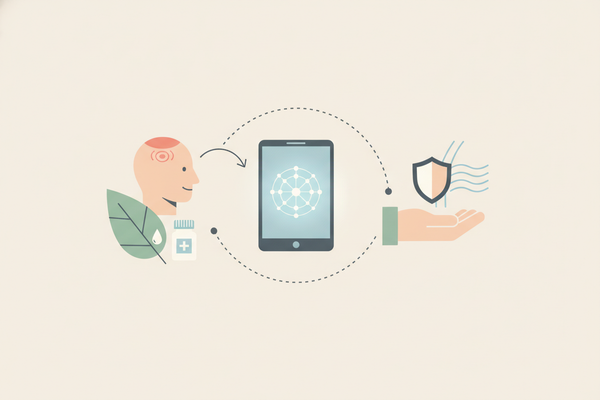
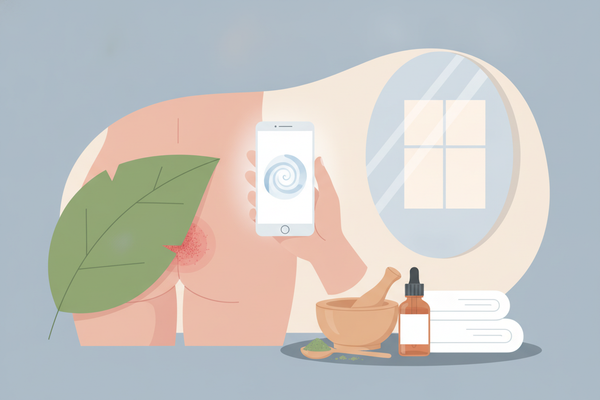
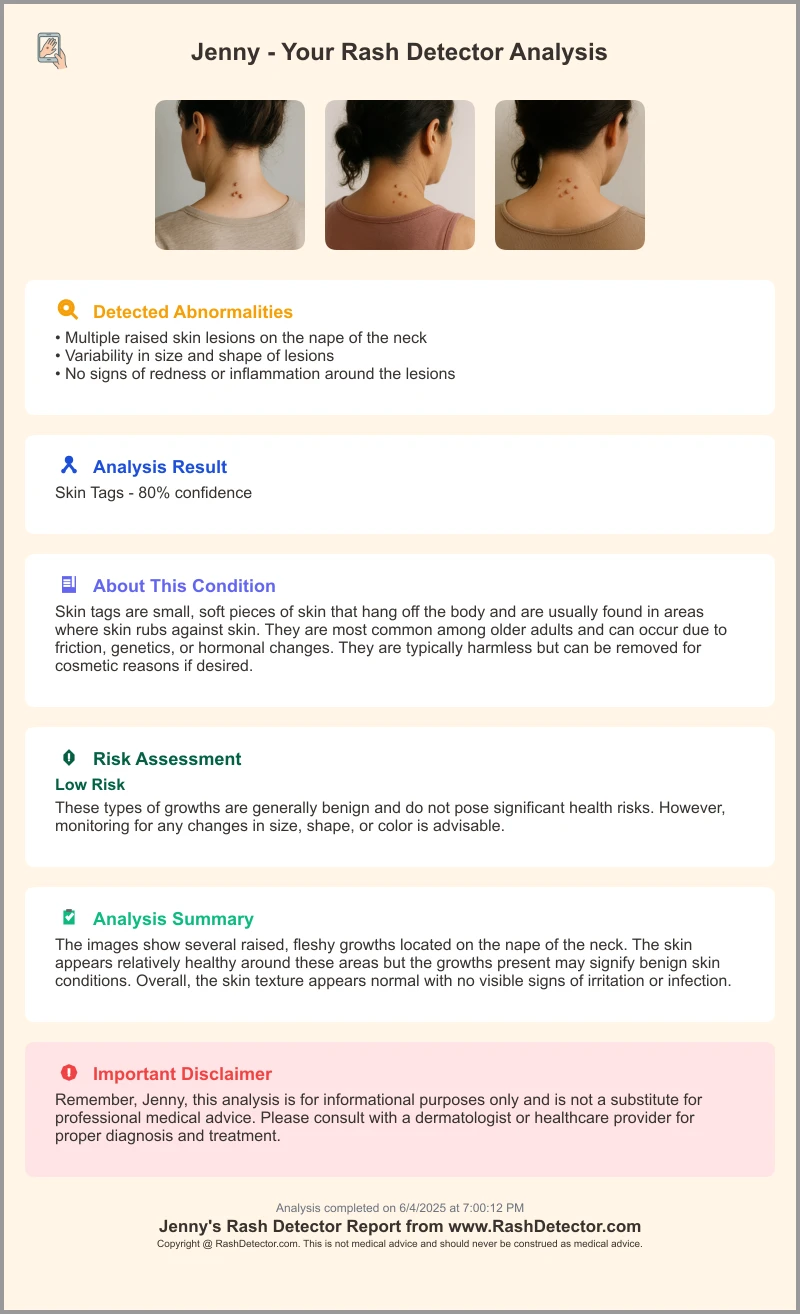
For a rapid, at-home evaluation of your rash, consider the AI-powered Rash Detector Skin Analysis App. Upload three clear images of your rash and receive an instant sample report to share with your provider.
Coping Strategies and Follow-Up
Medication rash treatment goes beyond creams and pills. Emotional well-being and ongoing care are vital.
Stress-reduction techniques:
- Oatmeal baths—to soothe itch and calm skin
- Guided meditation or deep-breathing exercises—to lower stress hormones
- Distraction methods—reading, gentle music, crafts
Track progress:
- Use a daily chart for rash size, symptom scores, treatment responses
- Share updates in telehealth check-ins or follow-up visits
- Adjust treatment plans based on your diary
Emotional support:
- Acknowledge the frustration and anxiety of visible rashes
- Join support groups or online forums to share experiences and tips
- Seek professional counseling if stress or embarrassment affect daily life
Source: https://www.psychologytoday.com/us/blog/skinny-beat/201907/psychodermatology-how-stress-can-affect-your-skin
Conclusion
Medication rash treatment requires early recognition, accurate diagnosis, and a tailored approach—from prevention measures to OTC or prescription therapies. Key steps include:
- Monitor your skin daily and log any changes.
- Share detailed medication histories with your provider.
- Know warning signs that demand emergency care.
- Use a tiered treatment plan under medical supervision.
- Employ stress-management and tracking tools for long-term success.
For a comprehensive overview of identifying and managing drug-induced skin reactions, refer to our guide to medication rash treatment.
Always consult healthcare professionals before changing or stopping any medication.
FAQ
Q: What are the most common symptoms of a medication-induced rash?
A: You may experience itching, red or purplish patches, hives, swelling, blistering, or peeling. Systemic signs like fever can also occur in severe cases.
Q: How soon after taking a drug can a rash appear?
A: Rashes typically develop between a few days and several weeks after starting a medication, depending on the reaction type.
Q: When should I seek emergency care for a drug rash?
A: Get immediate care if you notice widespread blistering, facial or throat swelling, difficulty breathing, or signs of anaphylaxis or Stevens-Johnson syndrome.
コスプレ小物を選ぶ際は、寸法、重さ、素材、固定方法を確認すると比較しやすくなります。用途に合う候補を整理するときは、天使 コスプレ 羽 小物で商品内容を見比べられます。撮影前に正面、横、後ろから見た位置を確認すると全体のバランスを整えやすくなります。
Q: Can I prevent drug rashes when starting a new medication?
A: Yes. Review your allergy history, discuss cross-reactivity with your provider, keep a trigger diary, and consider wearing medical alert ID if needed.
Q: What home remedies help alleviate medication rash symptoms?
A: Use cool compresses, fragrance-free moisturizers, oatmeal baths, and wear loose cotton clothing. Avoid hot showers and harsh soaps.