Medication Rash Treatment: Identifying and Managing Drug-Induced Skin Reactions
Explore effective medication rash treatment methods to manage and prevent drug-induced skin reactions, from mild hives to severe Stevens-Johnson syndrome.

Estimated reading time: 10 minutes
Key Takeaways
- Early recognition of drug-induced rashes reduces complications and speeds healing.
- Immediate discontinuation of the offending medication is the most effective intervention.
- Severity stratification guides treatment—from OTC antihistamines to burn-unit care for life-threatening reactions.
- Accurate records and clear communication help prevent future drug-rash episodes.
- Genetic testing may reduce risk for high-risk medications.
Table of Contents
- Understanding Medication-Induced Rashes
- Signs and Symptoms
- Diagnosis and When to Seek Medical Help
- Treatment Options
- Prevention and Risk Management
- Conclusion
Section 1: Understanding Medication-Induced Rashes for Effective Medication Rash Treatment
A medication rash is a systemic immune reaction to a drug that circulates in the bloodstream and triggers an adverse skin response. It differs from contact dermatitis, which is caused by external irritants. Recognizing this mechanism allows for targeted interventions (More Than Just a Drug Rash).
Types of Hypersensitivity Reactions
- Immediate (IgE-mediated)
Onset: minutes to hours after exposure
Presentation: hives, angioedema, flushing - Delayed (Type IV)
Onset: 4–14 days after starting a drug
Presentation: maculopapular or morbilliform rash
Common Rash Morphologies
- Morbilliform/Maculopapular Rashes
Flat, red patches that may merge; triggered by antibiotics, antihypertensives, contrast dyes (drug rashes). - Urticaria/Hives
Raised, itchy wheals; common with aspirin, penicillins, NSAIDs (drug rashes). - Fixed Drug Eruptions
Round red-purple patches recurring at the same site; linked to sulfa drugs and tetracyclines. - Exfoliative Dermatitis
Widespread redness, scaling, peeling; often from barbiturates or sulfa antibiotics.
Immunologic Mechanism
- Drug or metabolite binds to skin proteins, forming a hapten complex.
- T cells recognize the complex as foreign.
- Cytokine release causes inflammation and rash.
- Immune cells infiltrate skin, leading to redness and itching.
Risk Factors
- History of drug allergy or previous rash
- Genetic predisposition (certain HLA types)
- Polypharmacy (multiple interacting drugs)
- Immunocompromised states (HIV, transplant patients)
Section 2: Signs and Symptoms to Watch For in Medication Rash Treatment
Visual Indicators
- Redness or erythema
- Raised wheals or hives
- Macules and papules
- Scaling, flaking, or peeling skin
Sensory Symptoms
- Intense itching (pruritus)
- Burning or stinging sensations
Distribution Patterns
- Localized: confined to a small area (e.g., injection site)
- Generalized: widespread over trunk, limbs, or face
Severity Stratification
- Mild: Localized redness or itch responsive to OTC measures.
- Moderate: Widespread papules or hives, moderate swelling; prescription treatments needed.
- Severe: Systemic signs (fever, malaise), mucous membrane involvement, respiratory distress; may progress to SJS/TEN (medication for drug reactions hives).
Red-Flag Symptoms (Seek Immediate Help)
- Facial or airway swelling (angioedema)
- Difficulty breathing or wheezing
- Rapidly spreading rash
- High fever (>38.5 °C)
- Blisters or skin detachment
Section 3: Diagnosis and When to Seek Medical Help for Medication Rash Treatment
Self-Assessment Steps
- Note the exact time the rash appeared relative to each drug.
- Photograph or document the rash pattern and progression.
- Record all symptoms: itching, fever, swelling.
- Review medical history for prior drug reactions.
Clinical Evaluation
- Detailed medical history including all current medications.
- Physical exam: assess rash morphology, distribution, mucosal involvement.
- Identify systemic signs (fever, lymphadenopathy).
Diagnostic Tests
- Patch Testing: Detects delayed Type IV hypersensitivity—applied for 48 hours, read at 72 hours.
- Blood Tests: CBC with eosinophil count; liver and kidney function if systemic involvement.
- Skin Biopsy: For atypical or severe cases (e.g., SJS/TEN) to confirm diagnosis.
Specialists’ Roles
- Dermatologists: Confirm rash type, perform biopsies, guide skin-directed therapy.
- Allergists/Immunologists: Perform intradermal testing, risk-stratify for future exposures, recommend safe alternatives.
When to Seek Urgent Care
- Anaphylaxis signs (airway compromise, hypotension).
- Stevens-Johnson syndrome or toxic epidermal necrolysis.
- Systemic involvement such as organ dysfunction or severe fever.
Section 4: Medication Rash Treatment Options
Over-the-counter and self-care for mild cases: Choose between nonprescription and prescription based on severity (OTC versus prescription remedies). For a more detailed overview, see our comprehensive guide to identifying and managing drug-induced rashes and our comprehensive guide to identifying and managing drug-induced skin reactions. For a broader perspective, you may also want to review our Comprehensive Guide to Medication Rash Treatment for additional strategies and clinical insights. For a comprehensive overview of identifying and managing drug-induced skin reactions, see our Comprehensive Guide to Medication Rash Treatment: Identifying and Managing Drug-Induced Skin Reactions.
- Antihistamines: Cetirizine, diphenhydramine to block histamine and reduce itching.
- Low-Strength Topical Corticosteroids: Hydrocortisone 1% cream to relieve inflammation (rashes red skin).
- Cool Compresses & Oatmeal Baths: Colloidal oatmeal soothes and moisturizes irritated skin.
- Self-Care Tips: Keep nails trimmed, avoid scratching, stay hydrated, use gentle moisturizers.
- High-Potency Topical Steroids: Clobetasol propionate 0.05%, triamcinolone acetonide 0.1% (contact dermatitis diagnosis treatment).
- Oral Corticosteroid Taper: Prednisone taper over ~2 weeks; longer courses for DRESS syndrome.
- Topical Immunomodulators: Tacrolimus, pimecrolimus for steroid-sparing therapy.
- Anaphylaxis Management: Epinephrine auto-injector, high-dose antihistamines, hospitalization if needed (Merck Manual drug rashes).
- SJS/TEN Care: Burn-unit level wound care, sterile dressings, pain control, nutritional support (IU Health drug rashes).
- Discontinuation of Offending Drug: The single most effective intervention is to stop the causative medication immediately.
Section 5: Prevention and Risk Management for Medication Rash Treatment
- Maintain Accurate Allergy Records: List each drug, reaction type, and date of onset; update after any new reaction.
- Communicate with Healthcare Providers: Share records at every visit, ask about cross-reactivity, request safe alternatives.
- Monitor New Medications Closely: Inspect skin daily for 2–4 weeks after starting any new drug; report unusual symptoms immediately.
- Consider Genetic Testing: HLA-B*5701 for abacavir, HLA-B*5801 for allopurinol to reduce SJS risk.
Conclusion
A successful medication rash treatment plan starts with early recognition of immune-mediated skin reactions. From mild hives to life-threatening Stevens-Johnson syndrome, timely self-assessment and clinical evaluation guide appropriate interventions—ranging from OTC antihistamines and topical steroids to systemic therapies and burn-unit care. Discontinuing the offending drug is the cornerstone of all treatment strategies. Prevention hinges on detailed allergy records, clear communication with providers, and genetic screening when indicated. For more on prevention and management, see our comprehensive guide to identifying, managing, and preventing drug-induced rashes and our comprehensive guide to identifying and managing medication-induced rashes. For a step-by-step approach to identifying and managing drug-induced rashes, see our guide to identifying and managing drug-induced rashes. For a comprehensive overview of managing drug-induced reactions, refer to our Medication Rash Treatment: A Comprehensive Guide to Managing Drug-Induced Reactions.
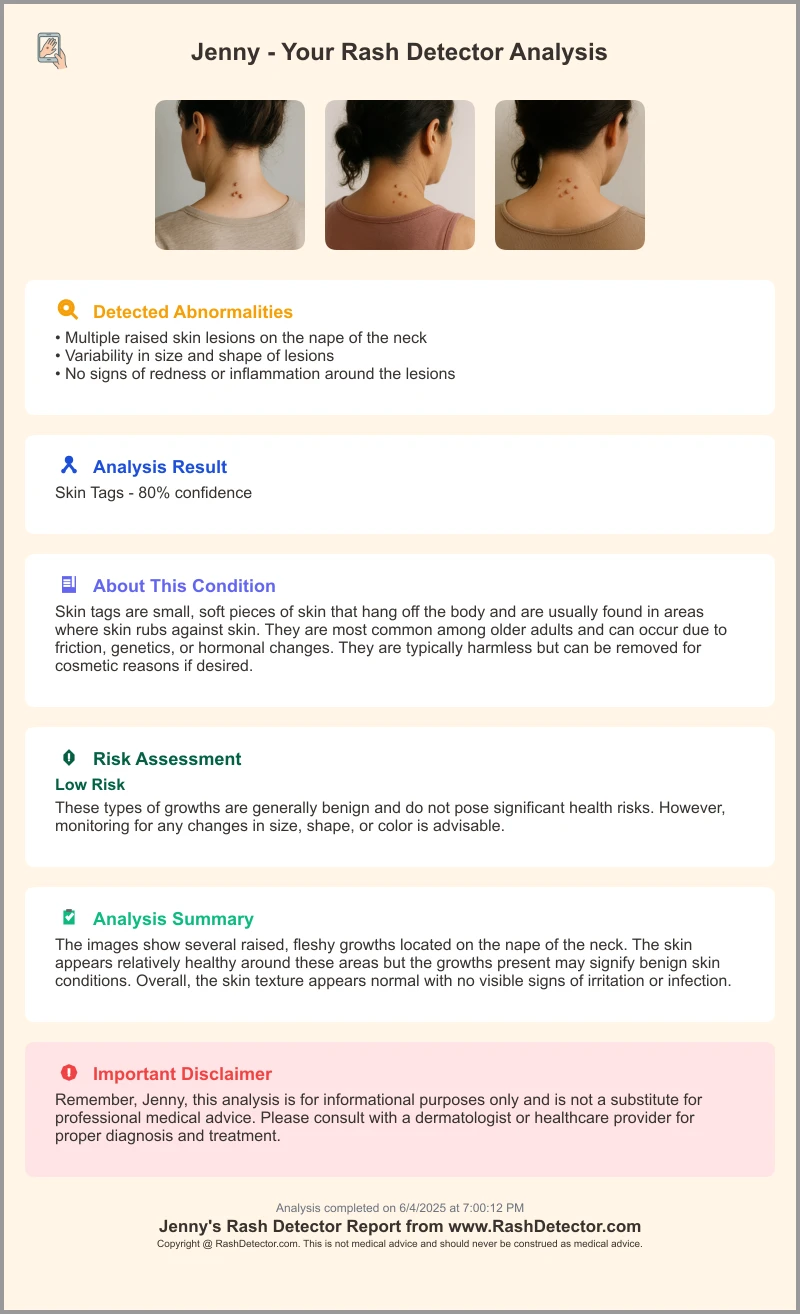
Act now: document any rash, seek medical advice for moderate or severe symptoms, and share this guide to promote safe and effective medication rash treatment. For a quick AI-powered preliminary rash assessment, try Rash Detector by uploading three images and reviewing the report below:
FAQ
1. What is the first step in treating a suspected medication rash?
Immediately discontinue the suspected offending drug and begin self-care measures such as cool compresses and OTC antihistamines. Document the rash’s onset and characteristics.
2. How can I prevent future drug-induced rashes?
Maintain detailed allergy records, share them with all healthcare providers, and monitor skin closely for 2–4 weeks after starting any new medication. Genetic testing may be advised for high-risk drugs.
3. When should I seek urgent medical attention?
Seek immediate care for red-flag symptoms: airway swelling, breathing difficulty, widespread blistering, mucous membrane involvement, or high fever.