Medication Rash Treatment: Expert Guide to Identifying and Managing Drug-Induced Rashes
Discover how to identify and manage medication rash treatment with this expert guide. Learn step-by-step methods for relief and prevention of drug-induced rashes.
Estimated reading time: 7 minutes
Key Takeaways
- Early recognition of drug-induced rashes is critical to avoid complications.
- Immediate discontinuation of the offending medication and symptom relief speed healing.
- Follow-up testing—patch tests or IgE assays—helps identify sensitivities and prevent recurrence.
- Maintain accurate drug-allergy records and communicate with healthcare providers.
Table of Contents
- Introduction
- Understanding Medication-Induced Rashes
- Identifying a Medication-Induced Rash
- Medication Rash Treatment Options
- Managing and Preventing Future Incidents
- When to Seek Medical Attention
- Conclusion and Additional Resources
- FAQ
Introduction
Medication rash treatment begins with understanding what a medication-induced rash is: a skin reaction caused by drugs via immune-mediated allergic responses or non-immune toxicity. These eruptions often appear as itching, redness, blisters, or peeling skin.
Early recognition prevents serious complications such as widespread inflammation or life-threatening anaphylaxis. Prompt intervention eases discomfort and avoids further harm.
This guide offers step-by-step advice on identifying, treating, and preventing medication-induced rashes, including causes, warning signs, treatment options, and protective strategies.
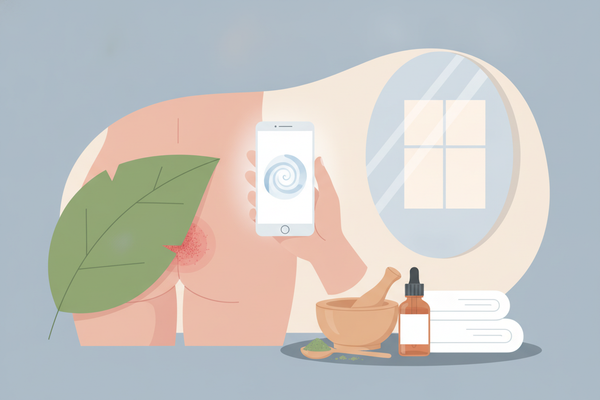
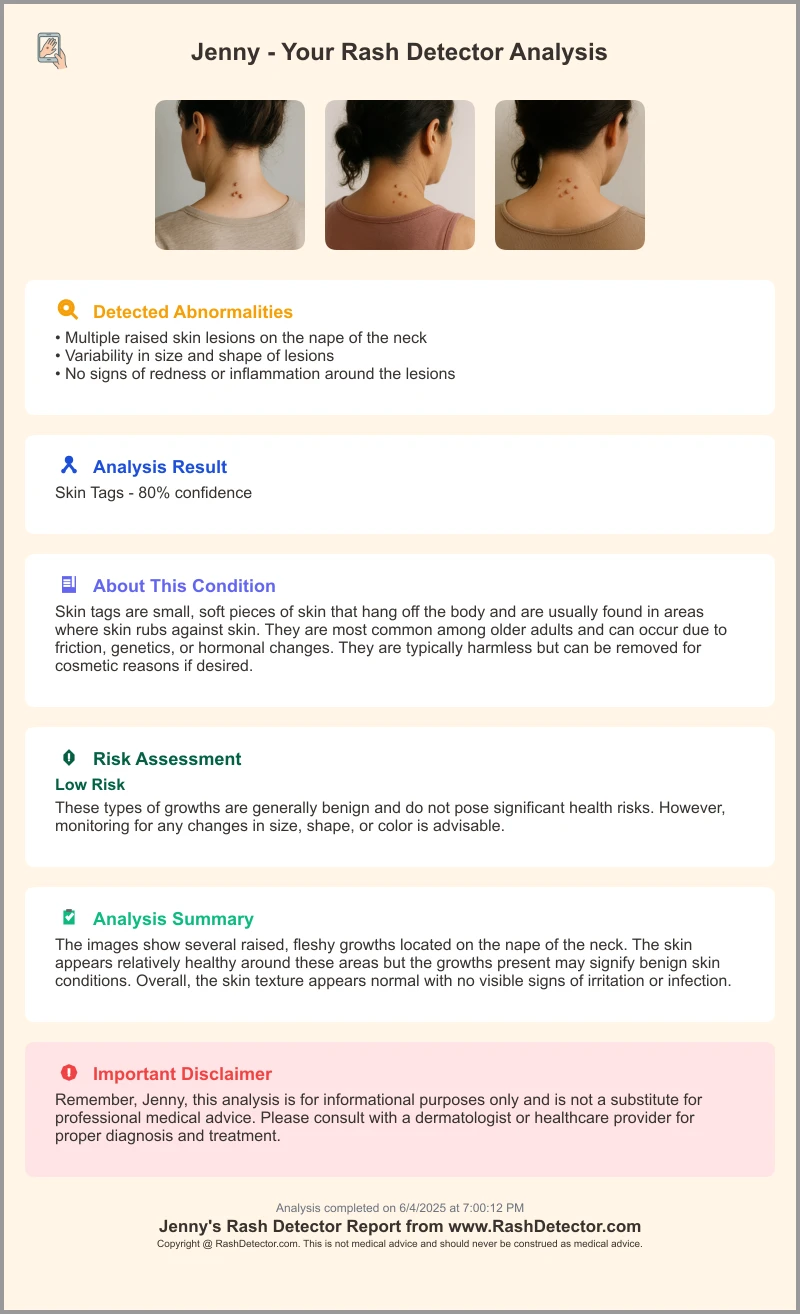
For quick preliminary analysis, you can use Rash Detector, an AI-powered skin analysis app that generates clear, easy-to-understand reports from just three uploaded images.
Understanding Medication-Induced Rashes
Mechanisms of Skin Reactions
- Allergic (Type I hypersensitivity)
- IgE antibodies trigger mast cell degranulation
- Rapid histamine release causes hives (urticaria) and swelling
- Non-allergic (Type II–IV-like)
- Drug metabolites damage skin cells (keratinocyte apoptosis)
- Delayed eruptions appear days after drug exposure
Common Culprits
- Antibiotics: sulfonamides, penicillins
- Anticonvulsants: phenytoin, carbamazepine
- NSAIDs and opioid derivatives
- Anabolic steroids and barbiturates
Types of Drug-Induced Rashes
- Hives (urticaria)
- Raised red welts that migrate within hours
- Very itchy (pruritic) and may form clusters
- Morbilliform (maculopapular)
- Pink/red spots and bumps on the trunk 4–14 days after drug start
- Symmetrical spread over arms and legs
- Acneiform eruptions
- Monomorphic pustules on face/chest from steroids
- Look like acne but appear suddenly
- Exfoliative dermatitis
- Widespread scaling and peeling over >90% of the body surface
- Skin may slough off in sheets
- Stevens-Johnson syndrome (SJS) and Toxic Epidermal Necrolysis (TEN)
- Epidermal necrosis with blisters and mucosal involvement
- High risk of infection and organ failure
Identifying a Medication-Induced Rash
Key Signs and Symptoms
- Redness and itchiness (pruritus)
- Urticarial wheals and angioedema (deep swelling)
- Vesicles or blisters that may ooze or crust
- Dry, scaly patches that peel off
See our detailed guide on identifying drug-induced rash symptoms.
Differential Diagnosis
- vs. Contact dermatitis
- Contact: localized, in areas of direct contact
- Drug rash: diffuse, symmetrical, often on trunk
- vs. Infectious rashes
- Infections often have fever and pus
- Drug rashes are sterile unless secondarily infected
When to Suspect a Drug Origin
- Onset soon after drug exposure—minutes to hours for allergies
- Delayed eruption 4–14 days into therapy
- Rash worsens with increased dosage
- No new soaps, lotions, plants, or infections
Medication Rash Treatment Options
Primary Strategy
- Discontinue the offending drug under medical supervision
- Most rashes resolve within days to weeks after stopping the agent
Over-The-Counter (OTC) Measures
- Oral antihistamines
- Cetirizine 10 mg once daily
- Diphenhydramine 25–50 mg every 6 hours as needed
- Topical hydrocortisone 1% cream
- Apply twice daily for up to 2 weeks
- Cool compresses
- 10–15 minutes, 3–4 times per day to relieve itching
Prescription Therapies
- Topical corticosteroids
- Triamcinolone 0.1% or clobetasol 0.05% once daily for 1–2 weeks
- Systemic corticosteroids
- Prednisone 0.5–1 mg/kg/day for 5–7 days, then taper
- Immunomodulators for refractory cases
- Cyclosporine 3–5 mg/kg/day
- Epinephrine 0.3 mg IM for anaphylaxis
For additional strategies on managing drug allergy rashes, see managing drug allergy rash.
Managing and Preventing Future Incidents
Immediate Steps After Rash Appears
- Stop scratching to avoid infections
- Apply cool compresses to calm the skin
- Take an OTC antihistamine for relief
- Contact a dermatologist or allergist promptly
Follow-Up Testing
- Patch testing
- Suspected drug placed on back under patches for 48 hours
- Readings at 48 h and 96 h to confirm delayed hypersensitivity
- Serum-specific IgE or skin prick tests for immediate reactions
Prevention Strategies
- Document drug allergies and cross-reactive medications in your record
- Wear a medical alert bracelet listing your drug sensitivities
- Update your healthcare providers before starting new meds
- Monitor your skin daily for the first 2 weeks of any new prescription
- Keep a symptom diary with dates, meds, and rash notes
When to Seek Medical Attention
Red Flags Requiring Urgent Care
- Difficulty breathing or wheezing (possible anaphylaxis)
- Swelling of face, lips, tongue, or throat
- High fever over 100.4 °F with rash
- Rapidly spreading blisters or skin peeling
- Mucosal involvement in mouth, eyes, or genitals
- Signs of infection: pus, severe pain, warmth
Self-Monitor vs. Emergency
- Mild rash: continue OTC treatment, track changes, call your provider if it worsens
- Severe signs: call 911 or go to the ER immediately for possible SJS/TEN or severe allergy
Conclusion and Additional Resources
Early identification and prompt treatment—stop the drug and relieve symptoms—can resolve most rashes safely. Consult healthcare professionals for accurate diagnosis and personalized management.
- Merck Manual – Drug Rashes
- Johns Hopkins Medicine – Drug Rash Overview
- Mayo Clinic – Contact Dermatitis Treatment
- Harvard Health Blog – When Is a Drug Rash More Than Just a Rash?
FAQ
What are the first signs of a medication-induced rash?
Early signs include redness, itching, raised welts, or small blisters appearing minutes to days after starting a new drug.
How long after stopping a drug does a rash take to clear?
Most rashes improve within days to weeks once the offending medication is discontinued and supportive care is initiated.
When should I go to the ER for a rash?
Seek emergency care if you experience breathing difficulty, facial swelling, rapid blistering, skin peeling, high fever, or mucosal involvement.
Can I use home remedies to soothe a drug rash?
Cool compresses and OTC antihistamines can relieve itching, but always consult a healthcare provider before relying solely on home treatments.
How can I prevent future drug rashes?
Document allergies, wear a medical alert ID, communicate with providers before new prescriptions, and consider follow-up patch or IgE testing.
ウィッグを通販で探すときは、つむじ、毛量、長さ、セットできる範囲を確認しておくと安心です。用途に合う候補を整理するときは、SPY×FAMILY コスプレウィッグで商品内容を見比べられます。セットするときは耐熱温度を守り、目立たない部分から少量ずつ試しましょう。