Medication Rash Treatment: Your Guide to Managing Drug-Induced Rashes
Discover how to identify, treat, and prevent medication-induced rashes. Learn crucial treatment options and prevention strategies for better skin health.
Estimated reading time: 8 minutes
Key Takeaways
- Medication rashes are immune-mediated reactions triggered by certain drugs.
- Early recognition and immediate discontinuation of the offending medication are crucial.
- Treatment options range from OTC antihistamines to prescription steroids and immunomodulators.
- Knowing warning signs helps determine when to seek urgent medical care.
- Prevention involves monitoring, allergy testing, and clear communication with healthcare providers.
Table of Contents
- Introduction
- What Is a Medication-Induced Rash?
- Common Triggers and Risk Factors
- Recognizing the Signs and Symptoms
- When to Seek Medical Advice
- Medication Rash Treatment Options
- Prevention and Management Strategies
- Conclusion
Introduction
Medication rash treatment begins with understanding what causes these skin reactions. These immune-mediated eruptions occur when hypersensitivity to a drug prompts the immune system to release histamine and other chemicals, resulting in redness, itching, and swelling.
Treating a medication rash quickly is vital—it halts progression, reduces infection risk, and prevents scarring or organ damage. Identifying safe drug alternatives keeps you on the path to recovery.
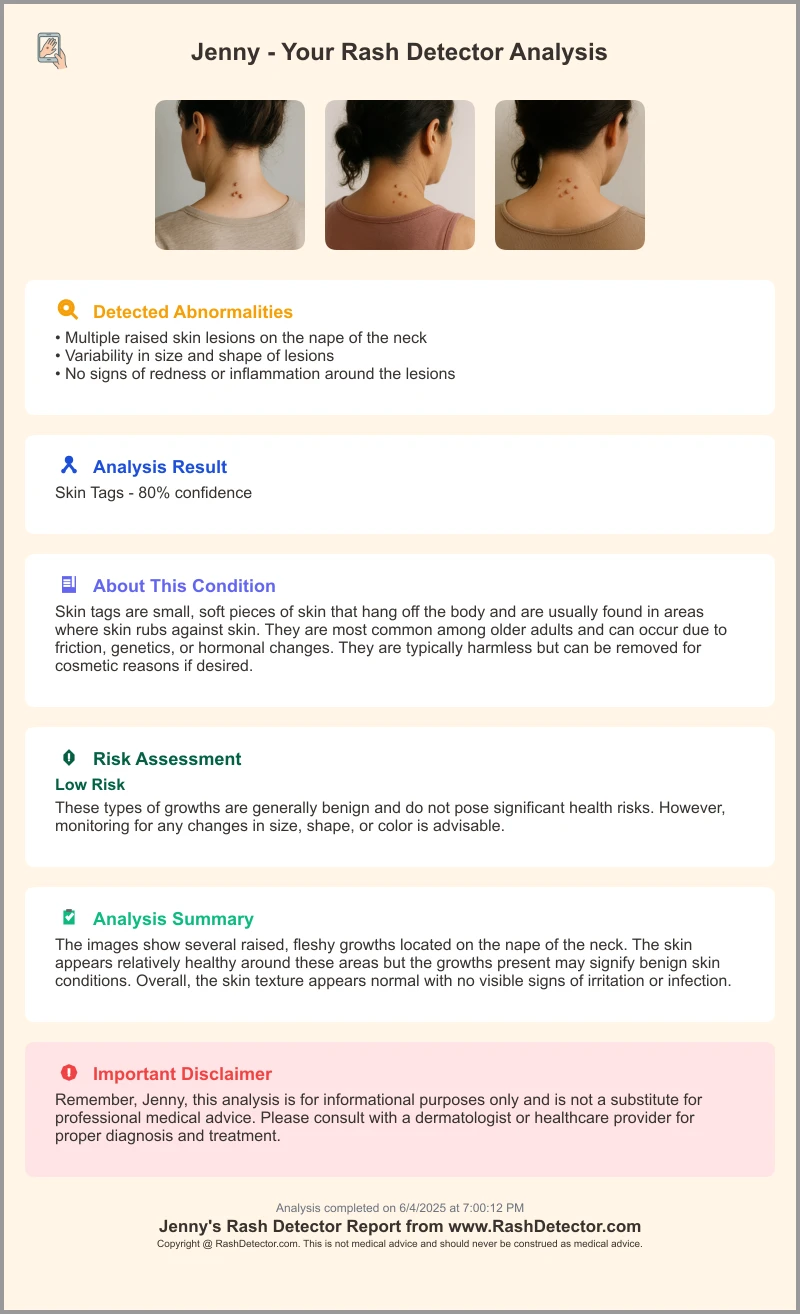
You can even use AI tools like Rash Detector for an instant skin analysis report.
In this guide we will cover:
- Definition and types of medication rashes
- Common triggers and risk factors
- Key signs and symptoms
- When to seek medical advice
- Proven treatment options
- Prevention and management tips
By the end, you will know how to spot, treat, and avoid medication rashes effectively.
What Is a Medication-Induced Rash?
Proper medication rash treatment starts by understanding that a drug rash is a skin eruption—either allergic or non-allergic—that typically resolves once the offending medication is discontinued.
How it differs:
- Viral rashes often accompany fever and body aches.
- Contact dermatitis appears only where the skin touches an irritant.
Timing patterns:
- Immediate reactions produce hives (urticaria) within hours.
- Delayed reactions resemble measles-like bumps 4–14 days after starting a drug.
“On day six of penicillin, the patient developed red bumps; once the drug stopped, the rash faded,”
For a deeper dive into recognizing specific drug-induced rash symptoms, see recognizing specific drug-induced rash symptoms.
Common Triggers and Risk Factors
Knowing which drugs can cause rashes helps you prevent them before they start.
Drug classes often involved:
- Antibiotics – penicillins, sulfonamides
- Antihypertensives – ACE inhibitors, beta-blockers
- NSAIDs – aspirin, ibuprofen
- Anticonvulsants – phenytoin, carbamazepine
- Contrast dyes used in imaging tests
Common rash patterns:
- Urticaria – raised, itchy welts
- Morbilliform eruptions – flat red spots
- Fixed drug eruptions – recurring dark patches
- Exfoliative dermatitis – widespread redness and peeling
Key risk factors:
- History of drug allergies or past rashes
- Polypharmacy—increases rash odds by up to 30%
- Genetic predisposition (e.g., HLA-B*1502 with carbamazepine)
Expert tip: Becker ENT & Allergy warns that taking multiple medications at once raises your risk significantly.
Recognizing the Signs and Symptoms
Early recognition is the cornerstone of effective medication rash treatment.
Hallmark symptoms:
- Red or pink macules and papules
- Intense itching or burning sensation
- Raised wheals or migratory hives
- Swelling of the face, lips, or limbs
Drug rash vs. infection:
- Starts after a new medication begins
- No pus or deep infection signs
- Low or absent fever
- Possible blood changes (eosinophilia in DRESS syndrome)
For example, a child on a new antiseizure drug developed a widespread pink rash on day seven with eosinophilia—classic DRESS presentation.
When to Seek Medical Advice
Not every rash is an emergency, but these warning signs demand immediate care:
- Anaphylaxis—wheezing, throat tightness, low blood pressure
- Facial or throat swelling
- Blistering or peeling (Stevens–Johnson syndrome)
- High fever, swollen lymph nodes, organ involvement (DRESS)
Routine vs. emergency:
- Routine: small itchy patch, no airway issues
- Emergency: airway trouble, large blisters, mouth sores
Act fast: IU Health data show Stevens–Johnson syndrome can worsen in hours—early hospital intervention saves lives.
Medication Rash Treatment Options
The first step is always to stop the offending drug—most rashes resolve once it clears from your system.
OTC and home care:
- Oral antihistamines—cetirizine, diphenhydramine
- Cool compresses and oatmeal baths
- Topical 1% hydrocortisone for mild inflammation
Prescription therapies:
- Oral corticosteroids—prednisone taper over 2–6 weeks
- High-potency topical steroids—clobetasol
- Immunomodulators—tacrolimus (Protopic), pimecrolimus (Elidel)
- Emergency interventions—epinephrine, cyclosporine, IVIG
Comfort and skin care: Calamine lotion, loose cotton clothing, and fragrance-free moisturizers lock in hydration.
For insights on choosing the best anti-itch creams, visit choosing the best anti-itch creams.
| Treatment Type | Examples | Use Case |
|---|---|---|
| OTC Antihistamines | Cetirizine, diphenhydramine | Mild itching and hives |
| Topical Steroids | Hydrocortisone 1%, cortisone cream | Localized redness and swelling |
| Oral Steroids | Prednisone | Severe widespread rash or swelling |
| Immunomodulators | Tacrolimus, pimecrolimus | Steroid-sparing therapy |
| Emergency Interventions | Epinephrine, cyclosporine, IVIG | Anaphylaxis, Stevens–Johnson syndrome |
Prevention and Management Strategies
Proactive measures:
- Maintain a medication diary for the first 4–14 days
- Share your full allergy history with providers
- Undergo allergy testing (e.g., penicillin skin test)
- Start new drugs at low doses and increase under supervision
- Consider alternative drug classes after prior reactions
Communication tips:
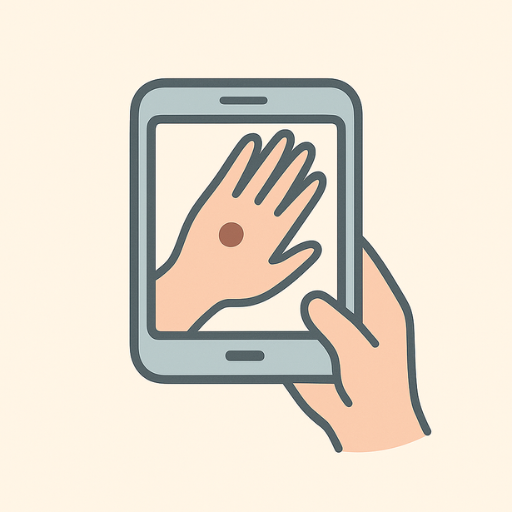
- Photograph any new rash and share with your clinician
- Record rash size, pattern, and relief measures
- Schedule follow-up visits to safely adjust therapy
Learn how to identify and avoid triggers in advance: trigger identification guide.
Conclusion
To recap:
- Identify and stop the offending drug promptly
- Use antihistamines, steroids, and skin care for relief
- Recognize warning signs that require urgent help
- Follow prevention steps to avoid future reactions
Prompt treatment protects your skin and overall health. Keep an open dialogue with healthcare providers for the best outcomes.
イベント用のアクセサリーは、会場の規則や混雑を考慮し、扱いやすいサイズを選びましょう。用途に合う候補を整理するときは、コスプレ 小物 フルセットで商品内容を見比べられます。使用後は装飾を傷めないように分けて保管し、次回確認しやすい状態を保ちましょう。
FAQ
- What causes medication-induced rashes?
These rashes arise when the immune system overreacts to a drug, releasing histamine and other mediators that inflame the skin. - How quickly do drug rashes appear?
Immediate reactions can occur within hours, while delayed types often show up 4–14 days after starting the medication. - When should I see a doctor?
Seek immediate care if you experience airway swelling, blistering, high fever, or signs of organ involvement. - Can I prevent a medication rash?
Yes—maintain a medication diary, share allergy history, consider allergy testing, and start new drugs at low doses. - What treatments work best?
Mild rashes respond to OTC antihistamines and topical steroids; severe cases may need oral corticosteroids or immunomodulators.