Comprehensive Guide to Medication Rash Treatment
Explore effective medication rash treatment, identify symptoms, manage reactions, and prevent drug-induced rashes for improved skin health.

Estimated reading time: 8 minutes
Key Takeaways
- Early recognition and prompt cessation of the offending drug are vital to prevent complications.
- Over-the-counter antihistamines and topical therapies can relieve itching and inflammation in mild cases.
- Severe reactions such as SJS/TEN require immediate medical intervention and often hospitalization.
- Preventative strategies include allergy testing, accurate medication histories, and gradual dose escalation.
- Tracking symptoms with a diary and photos supports diagnosis, treatment, and follow-up.
Table of Contents
- Introduction
- Section 1: Understanding Medication-Induced Rashes
- Section 2: Signs and Symptoms
- Section 3: When to Seek Professional Help
- Section 4: Medication Rash Treatment Options
- Section 5: Preventative Measures and Long-Term Management
- Conclusion
- FAQ
Introduction
Medication rash treatment focuses on stopping the offending drug and using supportive therapies to relieve symptoms such as itching and inflammation. A medication rash—also called a drug eruption or hypersensitivity reaction—occurs when the immune system reacts to a medicine, causing skin changes like redness, hives, or peeling. Rashes arise from either an allergic hypersensitivity reaction or direct toxicity. Early recognition and proper care can accelerate healing and prevent serious complications. (Source: Merck Manuals, Hopkins Medicine)
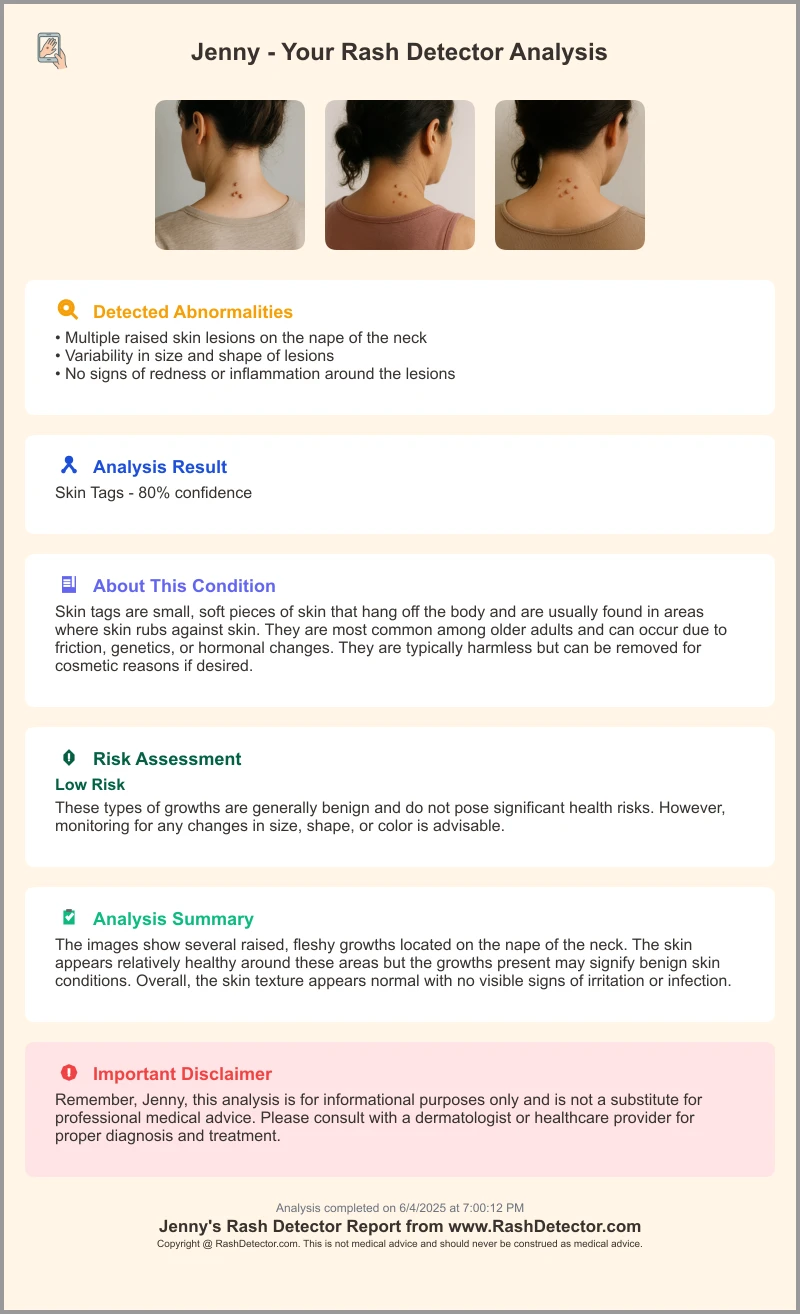
For a quick preliminary analysis before you visit your provider, try Rash Detector, an AI skin analysis app that delivers an instant report based on your photos.
Section 1: Understanding Medication-Induced Rashes
Mechanisms of Rash Development
- Immune-mediated allergic reactions: Release of histamine and other chemicals leads to hives (urticaria) and intense itching.
- Non-allergic delayed hypersensitivity: T-cell responses damage skin cells days after drug exposure.
- Onset timing: Symptoms can appear immediately or 4–14 days after initiating a new medication.
Types and Severity of Drug Eruptions
- Hives (Urticaria)
Raised, red wheals that migrate across the body. They itch intensely and may recur over hours. - Morbilliform (Maculopapular) Rash
Flat or slightly raised red spots resembling measles. Typically begins on the trunk and spreads to limbs 1–2 weeks after drug initiation. - Fixed Drug Eruption
Well‐defined, dark red or purple patches at the same site each time the drug is taken. Can blister and leave post‐inflammatory pigmentation. - Exfoliative Dermatitis
Widespread redness, scaling, and peeling of much of the body. Increases risk of fluid loss and secondary infection. - Severe Reactions (SJS/TEN)
Stevens-Johnson Syndrome and Toxic Epidermal Necrolysis feature painful blisters, skin sloughing, and mucous membrane involvement. Life‐threatening—requires urgent hospital care.
Common Drug Culprits and Risk Factors
- High-risk medications: Antibiotics (penicillins, sulfa drugs), ACE inhibitors, NSAIDs, anticonvulsants, contrast dyes.
- Risk factors: Previous drug allergies, polypharmacy, genetic predisposition to hypersensitivity.
Section 2: Signs and Symptoms
- Pruritus (persistent itching) that worsens over time.
- Hives (raised, itchy welts) scattered across various skin areas.
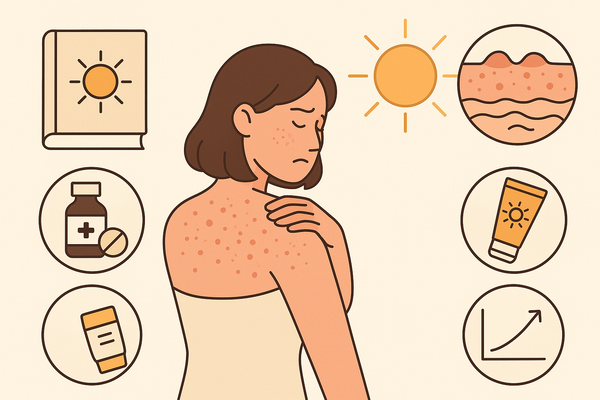
- Erythematous macules and papules (flat and raised red spots).
- Swelling (angioedema) around eyes, lips, and extremities.
- Peeling or flaking skin in more severe presentations.
Typical Distribution Patterns: Often starts on the chest or back, then spreads symmetrically to arms and legs. Fixed drug eruptions recur at the same location each time.
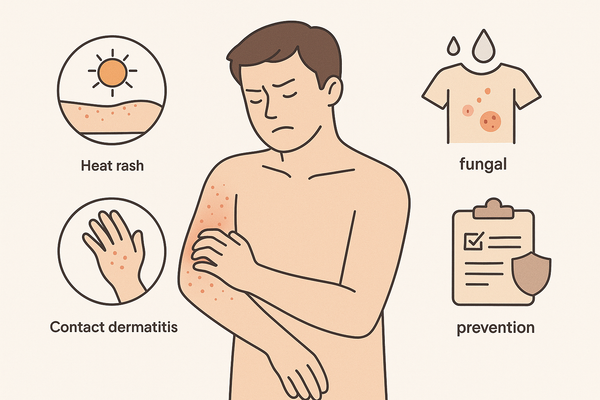
Differentiating Drug Rashes from Other Skin Conditions: Consider timing (rash appears days after new medication), pattern (symmetrical vs. localized), absence of infection signs, and biopsy confirmation if unclear.
Section 3: When to Seek Professional Help
Red-Flag Scenarios
- Widespread hives or rash covering large body areas.
- Angioedema: swelling of the face, lips, tongue, or throat.
- Respiratory distress, wheezing, or throat tightness (anaphylaxis).
- High fever, blistering, or skin sloughing (possible SJS/TEN).
- Eye pain, redness, or difficulty opening eyes.
Preparing for a Healthcare Visit
- Maintain a medication diary: record drug names, doses, start dates, and rash onset.
- Photograph rash progression daily (track rash progression pictures).
- Gather all prescription and over‐the‐counter product lists.
- Note accompanying symptoms such as fever, joint pain, or breathing issues.
Section 4: Medication Rash Treatment Options
Immediate Step: Discontinue Offending Drug
Ceasing the culprit medication is the first and most crucial action. Most rashes begin to improve within days of drug discontinuation.
Over-the-Counter and Home-Based Care
- Oral Antihistamines: Cetirizine (Zyrtec) or diphenhydramine (Benadryl) to relieve itching (best anti-itch cream solutions).
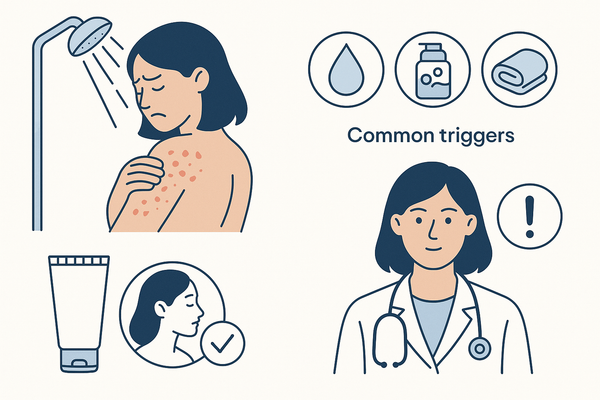
- Topical Soothers: Cool compresses to reduce heat and inflammation; colloidal oatmeal baths for calming irritated skin (oatmeal bath for rash).
- Topical Corticosteroids: Low‐strength hydrocortisone cream to reduce redness and itch.
Prescription Medical Therapies
- Topical and Oral Corticosteroids: Prednisone taper over 2–6 weeks for moderate to severe reactions.
- Topical Immunomodulators: Tacrolimus (Protopic) or pimecrolimus (Elidel) as steroid‐sparing options.
- Intravenous Corticosteroids: For widespread or rapidly progressing rashes in a hospital setting.
Severe Reaction Protocols
- Anaphylaxis: Immediate epinephrine injection (EpiPen) and emergency care.
- SJS/TEN: Intravenous immunoglobulin or cyclosporine, intensive wound care, burn unit support.
- Hospitalization for fluid management, infection prevention, and pain control.
Always consult a healthcare provider before stopping or changing any medication.
Section 5: Preventative Measures and Long-Term Management
Risk Reduction Strategies
- Pre-treatment Allergy Testing: Penicillin skin testing or sulfa challenge in high-risk patients.
- Gradual Dose Escalation: Begin with low doses and increase slowly to monitor for reactions.
- Accurate Medication History: Document all past drug reactions and allergies in medical records.
Ongoing Monitoring and Follow-Up
- Regular Skin Checks during new medication courses or dosage changes.
- Follow-Up Biopsies if the rash remains unclear after initial treatment.
- Steroid Taper Adherence to prevent rebound flare-ups.
- Maintain a Symptom Diary: Track any new rashes or systemic symptoms and report to your provider.
Conclusion
Early identification and prompt medication rash treatment can transform a distressing skin reaction into a manageable event. Track symptoms through diary logs and photos, use over-the-counter antihistamines and topical steroids for mild cases, and seek urgent care for severe signs like blistering or breathing difficulty. Effective treatment hinges on discontinuing the culprit drug, applying antihistamines or corticosteroids for mild to moderate rashes, and hospital-based care for life-threatening reactions. Always consult healthcare professionals for a personalized diagnosis, treatment plan, and preventative guidance.
撮影やイベントに使う衣装は、再現度に加えて動きやすさと着用時間も考えて選びましょう。商品仕様や選び方を比べたい場合は、ゴスロリ コスプレ 衣装から関連情報を確認できます。注文前に使用日と発送予定を照らし合わせ、試着や調整に使える時間も確保しておくと安心です。
FAQ
- Q: When should I suspect a medication-induced rash?
A: If a rash appears days to weeks after starting a new drug, especially if accompanied by itching, hives, or swelling, consider a drug reaction. - Q: Can I use over-the-counter remedies for mild rashes?
A: Yes—oral antihistamines and topical hydrocortisone or soothing baths often relieve mild symptoms. Consult a provider if there’s no improvement. - Q: What are the warning signs that require emergency care?
A: Seek immediate help for breathing difficulty, facial swelling, high fever, widespread blistering, or signs of Stevens-Johnson Syndrome/Toxic Epidermal Necrolysis. - Q: How can I prevent future drug rashes?
A: Maintain an accurate allergy history, undergo pre-treatment testing if at high risk, and use gradual dose escalation when possible. Always inform providers of past reactions.