Medication Rash Treatment: Identifying and Managing Drug-Induced Skin Reactions
Comprehensive medication rash treatment guide for diagnosis, management, and prevention of drug-induced skin reactions for safe recovery.

Estimated reading time: 10 minutes
Key Takeaways
- Definition and mechanisms: Drug eruptions can be immunologic or toxic.
- Recognition: Monitor for itching, redness, hives, swelling, or blistering soon after drug exposure.
- Causes and risks: Common culprits include antibiotics, NSAIDs, and antiseizure drugs. Patient history and genetics play a role.
- Diagnosis: A thorough medication review, physical exam, lab tests, and sometimes skin biopsy are key.
- Treatment: Stop the offending drug, manage symptoms by severity, and follow specialized protocols for SJS/TEN.
- Prevention: Keep detailed allergy and medication records, use pharmacogenetic tools, and maintain close monitoring.
Table of Contents
- Introduction
- Recognizing Medication-Induced Rashes
- Causes and Risk Factors
- Diagnosing Medication-Induced Rashes
- Medication Rash Treatment Options
- Prevention and Long-Term Management
Medication-induced rashes are abnormal skin reactions triggered by prescription or over-the-counter drugs through immunologic (antibody or T-cell mediated) or non-immunologic (toxic cell damage) mechanisms. Understanding medication rash treatment is essential for early identification, preventing complications, speeding recovery, and ensuring patient safety. This guide provides actionable, evidence-based steps to recognize, diagnose, manage, and prevent drug-induced skin reactions (see our Identifying and Managing Drug-Induced Rash Symptoms guide).
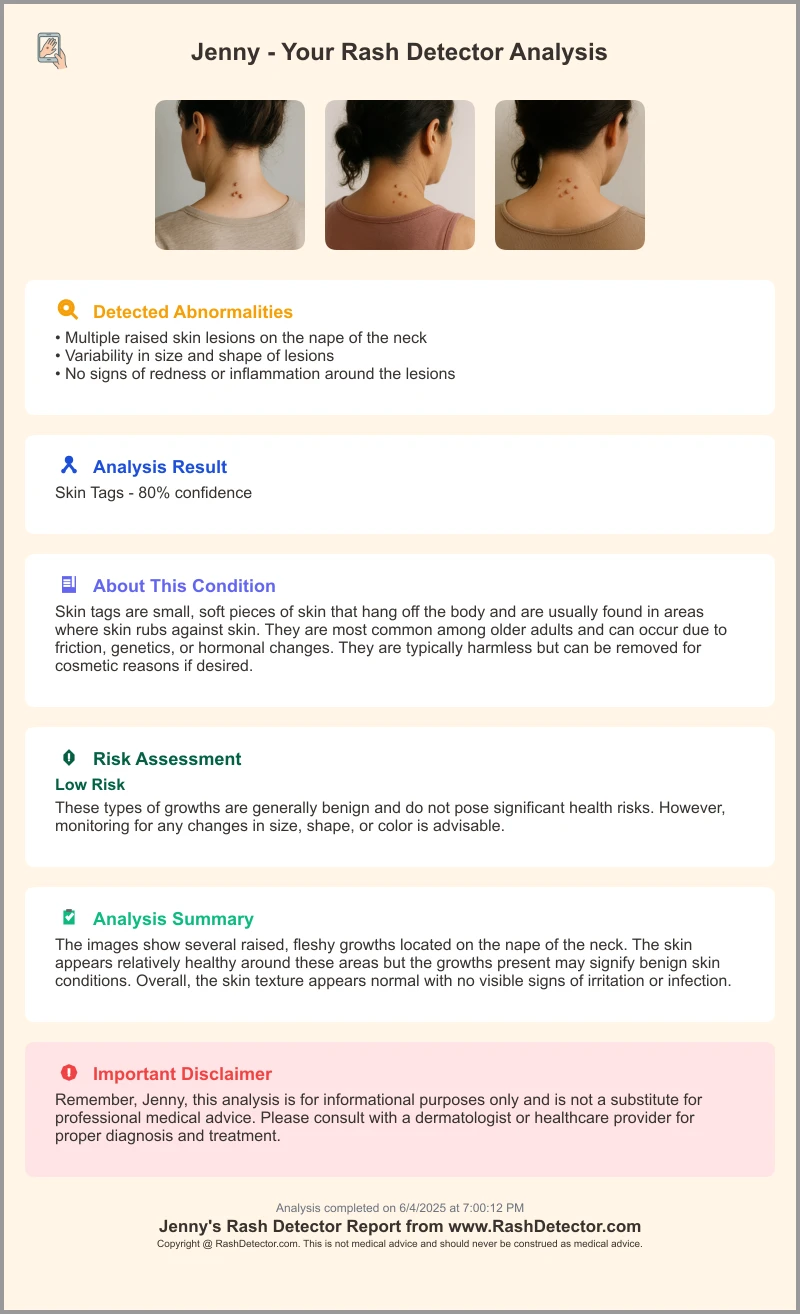
For an instant AI-driven assessment, try the Rash Detector app—it analyzes your uploaded images and delivers a detailed sample report instantly.
Recognizing Medication-Induced Rashes
Common signs of drug-induced skin reactions often appear as:
- Itching (pruritus) or burning sensations
- Erythematous patches (red or purplish flat areas of skin)
- Hives (urticaria) – raised, itchy welts
- Angioedema – localized swelling under skin or mucous membranes
- Blistering or peeling – fluid-filled lesions or skin sloughing
Severity spectrum:
- Mild allergic reactions – localized rash, small hives
- Severe conditions – Stevens-Johnson Syndrome (SJS) and toxic epidermal necrolysis (TEN)
Reaction mechanisms:
- Immune-mediated eruptions – widespread hives, possible fever
- Toxic dose-related reactions – localized cell death, dose-dependent
Timing of onset:
- Immediate – minutes to hours after dose (IgE-mediated)
- Delayed – days to weeks after starting drug (T-cell mediated or cumulative toxicity)
Differentiation from other skin conditions: Professional evaluation is vital to distinguish drug eruptions from eczema, psoriasis, or viral exanthems.
Sources:
- Medication Rash Treatment Guide
- Hopkins Medicine – Drug Rashes
- Dermatology Seattle – Drug-Induced Skin Reactions Guide
Causes and Risk Factors
Common culprit drugs: penicillins, sulfonamides, NSAIDs (ibuprofen, naproxen), antiseizure meds (phenytoin, carbamazepine).
Reaction mechanisms:
- Immunologic – IgE-mediated or T-cell delayed hypersensitivity
- Non-immunologic – direct toxic effects on skin cells
Patient-specific risk factors:
- History of allergies or atopic conditions
- High dosage or rapid escalation
- Polypharmacy and drug–drug interactions
- Genetic predisposition affecting drug metabolism
Epidemiology: ~10% of hospitalized patients and 1–4% of ambulatory patients on multiple medications develop rashes.
Sources:
Diagnosing Medication-Induced Rashes
When to seek immediate help: rash after new medication, fever, facial swelling, breathing difficulty.
Diagnostic workflow:
- Medication history review (prescription, OTC, supplements)
- Temporal correlation (drug start dates, dose changes)
- Physical exam (rash morphology, distribution, mucosal involvement)
- Laboratory tests (CBC, liver/renal panels if systemic signs)
- Skin biopsy for ambiguous or severe cases
Differential diagnosis: Rule out infectious rashes, autoimmune disorders, contact dermatitis (see Managing Drug Allergy Rash).
Sources:
Medication Rash Treatment Options
Immediate management: discontinue suspected drug under medical supervision; substitute safely if needed.
Symptom relief by severity:
- Mild rash: cool compresses, emollients, OTC hydrocortisone, oral antihistamines
- Moderate rash: prescription topical steroids, systemic antihistamines
- Severe or systemic: oral corticosteroid taper, hospitalization for IV steroids and supportive care
SJS/TEN protocol: ICU or burn unit transfer, pain and wound management, infection prophylaxis, ophthalmology consult.
Personalized treatment depends on patient age, comorbidities, severity, and history.
Sources:
Prevention and Long-Term Management
Primary prevention: read drug leaflets, report known allergies, maintain an up-to-date medication list.
Ongoing monitoring: schedule follow-ups when starting high-risk drugs; educate on warning signs.
Advanced tools: pharmacogenetic testing, pharmacist collaboration for interaction screening.
Long-term management includes updating rash history for all providers.
Sources:
FAQ
Q: What should I do if I suspect a medication rash?
A: Discontinue the drug if safe, seek medical advice immediately, and document the onset and symptoms.
Q: How are severe reactions like SJS/TEN treated?
A: They require ICU or burn unit care, supportive management of fluids, pain, wound care, and specialist consultations.
Q: Can drug rashes be prevented?
A: While some are unpredictable, strategies like allergy reporting, genetic testing, and close monitoring help reduce risk.