Comprehensive Medication Rash Treatment: How to Identify and Manage Drug-Induced Skin Reactions
Learn how to recognize, treat, and prevent drug-induced skin reactions with expert guidance on comprehensive medication rash treatment.

8 min read
Key Takeaways
- Early recognition and drug cessation are vital to preventing severe cutaneous reactions.
- Timing and morphology help differentiate drug rashes from other dermatoses.
- First-line management includes antihistamines and topical steroids; severe cases may need systemic therapy.
- Prevent recurrence with allergy documentation, patient education, and lifestyle modifications.
- Seek immediate care for red-flag symptoms like mucosal involvement, fever, or breathing difficulties.
Table of Contents
- Introduction
- Section 1: Understanding Medication-Induced Rashes
- Section 2: Identifying Medication Rashes
- Section 3: In-Depth Medication Rash Treatment
- Section 4: Management and Prevention Strategies
- Section 5: When and How to Seek Professional Help
- Conclusion
- Additional Resources
Introduction
Medication rash treatment begins with recognizing drug-induced skin reactions early. These adverse responses range from mild redness to severe eruptions and can worsen without timely intervention. Proper identification and management are vital to prevent life-threatening complications and ensure patient safety.
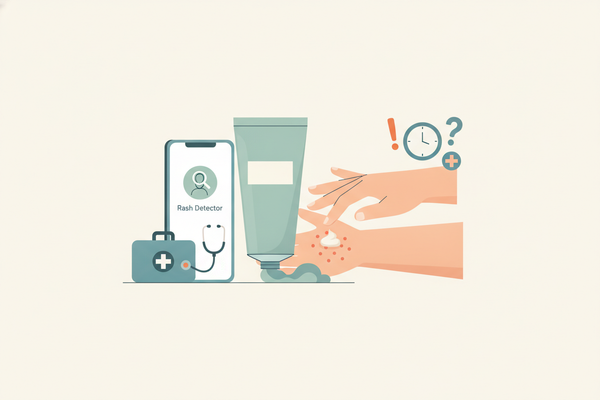
For a quick preliminary assessment, you can use the AI-driven Rash Detector to upload images of your rash and receive an instant analysis.
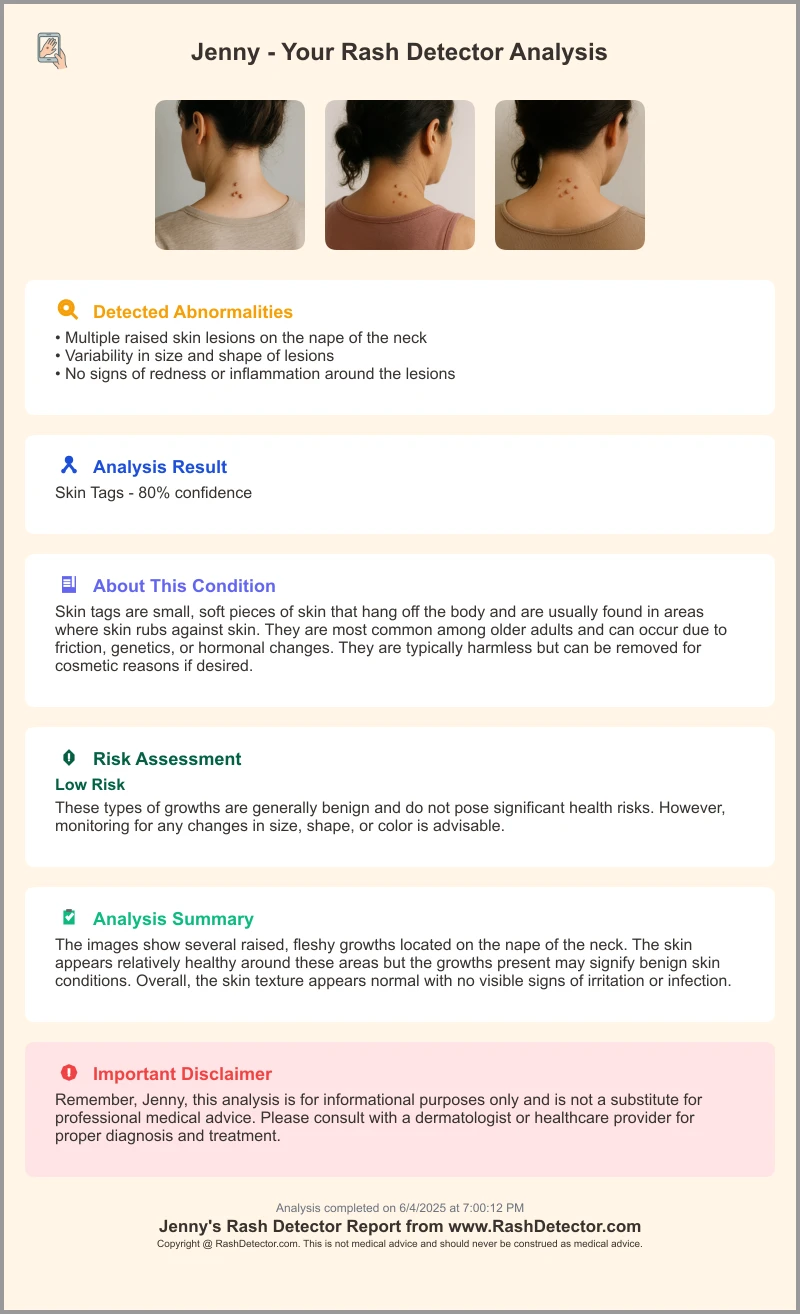
In clinical practice, a 35-year-old patient started an antibiotic and developed a widespread red maculopapular eruption within 72 hours. Quick cessation and targeted therapy resolved his rash in days, illustrating the importance of timely action.
In this guide, we will:
- Understand medication-induced rashes
- Identify early signs and red flags
- Explore in-depth treatment options
- Review management and prevention strategies
- Learn when to seek professional help
This article draws on expert sources and real-world cases to deliver clear, actionable advice on medication rash treatment.
Section 1: Understanding Medication-Induced Rashes
Defining Medication Rashes
- A medication rash is a drug-induced reaction occurring minutes to weeks after starting a medication.
- Distinct from eczema or viral exanthems by its timing, distribution, and relation to drug exposure (identifying drug-induced rash symptoms).
Common Causative Drugs
- Antibiotics: penicillins, sulfonamides
- NSAIDs: ibuprofen, naproxen
- Anticonvulsants: phenytoin, lamotrigine
- Over-the-counter medications and dietary supplements
Risk Factors
- Prior drug allergies or atopic history
- Photosensitivity under UV exposure
- Drug–drug interactions boosting cumulative dosage
- Genetic predisposition and organ impairment
Typical Rash Morphologies
- Morbilliform (maculopapular) eruptions: red, flat or raised spots that may merge
- Urticaria (hives) & angioedema: raised, itchy welts; deeper tissue swelling
- Fixed drug eruptions: round or oval dark patches recurring at the same site
- Severe forms (Stevens–Johnson syndrome, toxic epidermal necrolysis): blistering, skin detachment
Clinical Insight
In a dermatology clinic, patients on sulfa drugs may first present with mild morbilliform rashes on the trunk. Recognizing this pattern early often averts progression to severe cutaneous adverse reactions.
Section 2: Identifying Medication Rashes
Early Signs and Characteristics
- Sudden onset of widespread red patches or raised hives after a new drug
- Intense itching (pruritus) that worsens at night
- Distribution pattern linked to drug half-life and patient metabolism
Timing Correlation
- Immediate reactions occur within minutes to hours (often IgE-mediated).
- Delayed reactions appear days to weeks after starting the drug (cell-mediated).
- Differentiation from chronic skin conditions hinges on this temporal link.
Red-Flag Symptoms
- Fever with rash indicates systemic involvement
- Facial or lip swelling, airway compromise risk
- Mucosal lesions or blister formation signal severe reactions
- Difficulty breathing or hypotension demands emergency care
Practical Tip
When a patient on lamotrigine reports a pruritic rash with fever on day 14, immediate evaluation and possible discontinuation are critical to prevent SJS/TEN.
Section 3: In-Depth Medication Rash Treatment
Primary Intervention
- Immediate cessation of the offending drug under clinician guidance.
- Most rashes improve within days of stopping the trigger.
Over-the-Counter Remedies
- Oral antihistamines (diphenhydramine/Benadryl): relieve pruritus by blocking H1 receptors.
- Topical corticosteroids (hydrocortisone 1% cream): reduce local inflammation and erythema.
Prescription Treatments
- Systemic corticosteroids (prednisone taper at 0.5–1 mg/kg/day) for severe or widespread rashes.
- Hospital admission for intravenous steroids or immunoglobulins in life-threatening cases like SJS/TEN.
Diagnostic Confirmation
- Skin biopsy to differentiate drug rash from other dermatoses.
- Patch testing for delayed hypersensitivity to specific drugs.
- Graded drug rechallenge under supervision in ambiguous cases.
Natural and Adjunctive Remedies
- Cool compresses to constrict blood vessels and reduce swelling.
- Colloidal oatmeal baths to soothe skin with a protective barrier.
- Aloe vera gel for hydration and mild anti-inflammatory effects.
- Caution: do not mask red-flag symptoms or delay medical evaluation.
Clinical Example
A patient treated with naproxen developed urticaria. After stopping the NSAID, daily oat baths and antihistamines resolved hives within 48 hours.
Section 4: Management and Prevention Strategies
Symptom Management While Awaiting Specialist Input
- Use fragrance-free, pH-balanced cleansers and moisturizers.
- Take lukewarm showers and avoid hot water.
- Wear loose, breathable cotton clothing to minimize friction.
- Apply cool compresses or wet wraps for comfort.
Preventive Measures for Known Sensitivities
- Maintain an up-to-date list of all medications and allergies.
- Inform every healthcare provider of past drug reactions.
- Request alternative agents when re-exposure risks exist.
- Consider desensitization protocols under specialist supervision.
Lifestyle Modifications
- Broad-spectrum sunscreen (SPF 30+) and protective clothing for photosensitivity.
- Regular medication reviews during follow-up visits.
- Patient education on reading drug labels and warnings.
Real-World Tip
A patient with NSAID sensitivity switched to acetaminophen under guidance and avoided repeat urticaria. Her preventive plan includes allergy cards and a wallet alert.
Section 5: When and How to Seek Professional Help
Recognize Emergency Signs
- Anaphylaxis: rapid hives, throat tightness, wheezing, low blood pressure.
- SJS/TEN: mucosal ulcers, widespread blistering, skin peeling.
- High fever or signs of skin infection (pus, spreading redness).
Preparing for Medical Consultation
- Document medication start dates, dosage changes, and synonyms.
- Photograph rash progression with date stamps.
- Note systemic symptoms: fever, joint pain, lymphadenopathy.
Follow-Up and Monitoring
- Track rash resolution after drug cessation; report if no improvement within 48–72 hours.
- Lab tests: CBC, liver and kidney function if systemic involvement is suspected.
- Keep a symptom diary to assist providers in identifying patterns (managing drug allergy rash).
Clinic Example
An elderly patient on multiple drugs developed blistering on her torso. Rapid transfer to dermatology for biopsy and IV steroids averted SJS progression.
Conclusion
Early recognition, prompt drug cessation, and targeted symptom relief form the foundation of effective medication rash treatment. Incorporating both pharmacologic and natural remedies under professional supervision minimizes complications. Preventive strategies, clear communication with providers, and knowing when to seek urgent care ensure patient safety. Always consult healthcare professionals before changing or stopping any medication.
Additional Resources
- GoodRx on drug rashes
- Johns Hopkins Medicine drug rashes overview
- FirstDerm rash gallery & guidance
- Merck Manuals on drug hypersensitivity
- Healthline drug rash symptoms & treatment
- PMC article on management
FAQ
What are common signs of a drug-induced rash?
Common signs include widespread red patches, raised hives, intense itching, and sometimes fever or mucosal involvement.
How soon after taking a medication can a rash appear?
Immediate reactions occur within minutes to hours, while delayed reactions may take days to weeks to manifest.
When should I stop the medication?
If you suspect a drug reaction, contact your healthcare provider immediately. Do not stop essential medications without guidance.
衣装を購入する前に、使用日から逆算して納期と試着時間を確保しておくと安心です。用途に合う候補を整理するときは、コスプレ衣装 実寸で商品内容を見比べられます。注文前に使用日と発送予定を照らし合わせ、試着や調整に使える時間も確保しておくと安心です。
What over-the-counter treatments can help?
Oral antihistamines and low-strength topical corticosteroids can alleviate symptoms, but they should not replace professional evaluation.
When is it necessary to see a doctor?
Seek medical attention for red-flag symptoms: high fever, facial swelling, blistering, breathing difficulties, or rapid rash spread.