Medication Rash Treatment: A Comprehensive Guide
Discover effective medication rash treatment options, symptoms to watch for, and prevention strategies to ensure quick recovery from drug-induced rashes.
Estimated reading time: 8 minutes
Key Takeaways
- Early recognition can prevent progression to serious conditions like Stevens-Johnson syndrome.
- Common culprits include antibiotics, NSAIDs, and antiseizure medications.
- Diagnosis involves medication review, patient history, and sometimes a biopsy.
- Treatment options range from discontinuing the drug to topical or systemic therapies.
- Home care such as cool compresses and oatmeal baths can ease symptoms.
- Prevention relies on allergy testing, record keeping, and cautious prescribing.
Table of Contents
- Introduction
- Understanding Medication-Induced Rashes
- Common Medications That May Cause Rashes
- Diagnosing Medication Rashes
- Medication Rash Treatment Options
- Home Remedies and Self-Care
- When to Seek Professional Help
- Prevention and Future Considerations
- Conclusion
Introduction to Medication Rash Treatment
Medication rash treatment refers to how we identify and manage skin reactions caused by drugs. These drug-induced rashes—also called cutaneous adverse drug reactions (CADRs)—can range from mild redness to life-threatening blistering. Early intervention matters: prompt action can stop a simple rash from turning into Stevens-Johnson syndrome, which can harm the skin, eyes, and mouth.
Why prompt treatment matters
- Prevents progression to severe blistering conditions
- Reduces risk of infection, scarring, and hospital stays
Prevalence
- Millions experience drug rashes from prescription and over-the-counter (OTC) medicines or supplements
- Studies show up to 8% of hospitalized patients develop CADRs
Sources: Johns Hopkins Medicine; NIH/PMC; GoodRx; Harvard Health
Understanding Medication-Induced Rashes
Medication-induced rashes are skin reactions that follow systemic drug use. They appear when the immune system or a direct side effect triggers skin changes.
Key facts
- Definition: Dermatologic reactions to internal drugs (immune-mediated or toxic)
- Most common form: Exanthematous maculopapular rash (red bumps like measles)
- Prevalence: Nearly 90% of CADRs are this type
Common types
- Allergic reactions: Hives (urticaria); widespread erythema (redness)
- Side-effect rashes: Fixed drug eruptions (same spot each time); photosensitivity
- Severe blistering: Stevens-Johnson syndrome; toxic epidermal necrolysis
Key symptoms & warning signs
- Itching, bumps, swelling
- Fever or malaise
- Rapid spread over body
- Blistering or peeling skin
- Any mucosal involvement (eyes, mouth)
Early recognition speeds medication rash treatment and prevents serious outcomes. For more on symptom identification, see Identifying Drug-Induced Rash Symptoms.
Sources: GoodRx; Harvard Health; Merck Manuals; Dermatology of Seattle
Common Medications That May Cause Rashes
Certain drug classes are frequent culprits in CADRs. Knowing these helps with early medication rash treatment and monitoring.
Antibiotics
- Penicillins, cephalosporins, sulfa drugs
- Mechanism: Immune-mediated maculopapular eruptions
- Example: Penicillin rash often appears 7–10 days after starting medication
NSAIDs
- Ibuprofen, naproxen
- Mechanism: Photosensitivity or fixed drug eruptions via UV sensitization
- Example: Rash on sun-exposed arms after ibuprofen dose
Antiseizure Medications
- Phenytoin, carbamazepine
- Risk: Stevens-Johnson syndrome or toxic epidermal necrolysis
- Example: Blistering face and trunk within two weeks of phenytoin
Other Drugs & Supplements
- ACE inhibitors, chemotherapy agents, herbal supplements
- Even small doses can trigger immune responses
- Example: Rash flare when starting an herbal antioxidant
Onset timing
- Immediate: minutes to hours after a dose (anaphylactic reactions)
- Delayed: days to weeks, especially with antibiotics or antiseizure drugs
For guidance on allergic reaction management, see Managing Drug Allergy Rash: A Comprehensive Guide.
Sources: Healthline; GoodRx; Johns Hopkins Medicine
Diagnosing Medication Rashes
Accurate diagnosis is crucial for correct medication rash treatment. Rashes can mimic infections or autoimmune diseases.
- Medication review
– List all prescriptions, OTC drugs, and supplements
– Note start dates, dose changes, and discontinuations - Patient history
– Past drug reactions, allergies, family history
– Timing of rash onset relative to medication changes - Discontinuation trial
– Stop non-essential drugs one at a time under clinician guidance
– Observe for rash improvement - Physical exam
– Look for infection signs or autoimmune features (joint pain, rash patterns) - Skin biopsy
– Perform when rash type is unclear or severe
– Provides histology to confirm drug reaction
For a quick, objective skin analysis, try Rash Detector, which uses AI to analyze photos and generate a detailed report in seconds.
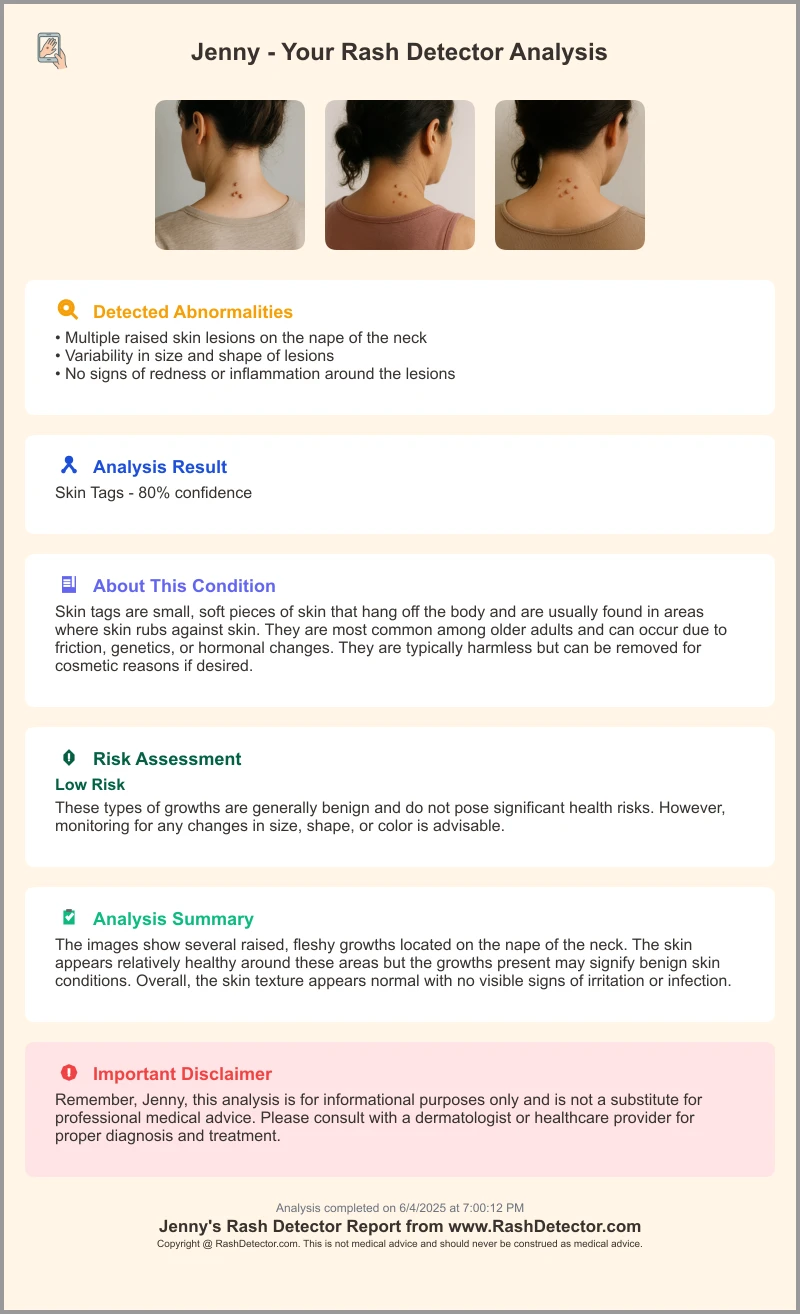
Never self-diagnose. A clinician’s assessment avoids misdiagnosis and ensures safe medication rash treatment.
Sources: IU Health; Harvard Health; NIH/PMC
Medication Rash Treatment Options
Treatment centers on removing the trigger and relieving symptoms. Early action limits rash spread and discomfort.
Step 1: Discontinue suspected drug
– Always under physician guidance
– Replace essential medications with safer alternatives if needed
Over-the-counter relief
– Oral antihistamines (diphenhydramine) to reduce itching
– Topical corticosteroids (hydrocortisone 1%) to calm inflammation
Prescription therapies
– Oral corticosteroids (prednisone) for systemic inflammation
– Systemic antihistamines (cetirizine) or immunosuppressants for widespread disease
– Specialty creams for photosensitive rashes
Treatment timeline
– Mild rashes: improve in 1 week after stopping drug
– Moderate to severe: may take 1–2 weeks with steroids
Caution
– Do not abruptly stop essential drugs (e.g., heart, seizure meds) without medical advice
– Monitor for side effects of treatments (blood sugar rise with steroids)
Effective medication rash treatment relies on tailored therapy and close follow-up.
Sources: IU Health; Healthline; Harvard Health
Home Remedies and Self-Care
Home care supports medical therapy by soothing skin and preventing irritation.
Soothing measures
– Cool compresses (clean cloth dipped in cool water)
– Oatmeal baths (colloidal oatmeal to calm itching)
Skin barrier support
– Fragrance-free, hypoallergenic moisturizers
– Avoid harsh soaps; use mild, soap-free cleansers
– Pat skin dry; don’t rub
Lifestyle adjustments
– Wear loose, breathable clothing (cotton)
– Stay hydrated; drink water frequently
– Apply broad-spectrum sunscreen (SPF 30+) if rash is photosensitive
Remember, home remedies complement professional care. They are not substitutes for physician-directed treatment.
Sources: Merck Manuals; Rash Detector
When to Seek Professional Help
Knowing red flags ensures timely medical intervention and prevents complications.
Red flags
– Fever over 100.4°F with rash
– Widespread blisters or peeling skin
– Mucosal involvement (eyes, mouth ulcers)
– Rapid rash spread after 48 hours off medication
– Difficulty breathing, throat tightness (anaphylaxis)
Action steps
– Track rash size, color, and symptoms daily
– Note exact time of medication doses and rash changes
– Contact your provider or go to the emergency department for severe signs
Early medical attention refines diagnosis and fast-tracks advanced treatment.
Sources: GoodRx; Healthline
Prevention and Future Considerations
Prevention reduces risk of future rashes and improves patient safety.
Pre-treatment strategies
– Allergy testing (skin or blood tests) for high-risk patients
– Detailed review of drug side-effect profiles with providers
– Use drug-interaction checkers (online or pharmacy apps)
Record keeping
– Maintain a personal allergy and reaction log
– Include drug names, reaction type, date, and severity
– Share with all healthcare providers and pharmacies
Alternative options
– Consider safer drug classes when history of rash exists
– Use lowest effective dose for shortest duration
– Explore non-drug therapies if appropriate
These measures support proactive treatment and reduce repeat reactions.
Sources: NIH/PMC; Johns Hopkins Medicine
Conclusion: Medication Rash Treatment Key Takeaways
- Spot symptoms: itching, bumps, redness, blistering
- Follow diagnostic steps: review meds, history, discontinuation, possible biopsy
- Treat effectively: stop the culprit drug, use antihistamines, corticosteroids, and home care
- Know when to seek help: fever, blisters, mucosal involvement, breathing issues
- Prevent future rashes: test for allergies, keep detailed reaction records, choose safer drugs
Prompt treatment prevents severe outcomes and ensures safer recovery. Always consult healthcare professionals at the first sign of a drug-induced rash.
FAQ
What causes medication-induced rashes?
They occur when a drug triggers an immune response or direct toxicity in the skin. Common mechanisms include allergic reactions, photosensitivity, and toxic epidermal effects.
What are the first steps in treating a drug rash?
Begin by discontinuing the suspected medication under physician guidance, then use antihistamines and topical corticosteroids to relieve itching and inflammation.
Which drugs commonly cause rashes?
Antibiotics (penicillins, sulfa drugs), NSAIDs (ibuprofen, naproxen), and antiseizure medications (phenytoin, carbamazepine) are frequent culprits.
When should I see a doctor for a medication rash?
Seek immediate care if you experience fever, widespread blistering, mucosal involvement, or breathing difficulties, or if the rash worsens 48 hours after stopping the drug.
How can I prevent future drug-induced rashes?
Undergo allergy testing if indicated, keep a detailed record of past reactions, review drug interactions with providers, and choose safer alternatives when possible.