Medication Rash Treatment: Comprehensive Guide to Identifying, Assessing, and Managing Drug-Induced Rashes
Learn to identify and manage medication rashes effectively. This guide provides essential tips for recognizing, assessing severity, and treating drug-induced rashes.

Estimated reading time: 6 minutes
Key Takeaways
- Identify common signs of drug-induced skin reactions, from mild redness to severe blistering.
- Assess rash severity by evaluating symptoms like fever, mucosal involvement, and systemic effects.
- Treat mild rashes with OTC remedies and know when prescription or desensitization is needed.
- Seek help immediately for emergency signs such as difficulty breathing or widespread peeling.
- Prevent future reactions by tracking medications, informing providers, and using medical alert ID.
Table of Contents
- Understanding Medication-Induced Rashes
- Identifying Medication-Induced Rashes
- Evaluating the Severity of the Rash
- Medication Rash Treatment Options
- When to Seek Professional Help
- Prevention and Long-Term Management
- Conclusion
- Additional Resources
Understanding Medication-Induced Rashes
Medication-induced rashes can be allergic or non-allergic reactions tied to new drugs, dose changes, or re-exposure. They often present as redness, itching, bumps, hives, or more severe blistering and peeling.
Triggers & Prevalence
- Many oral and injectable drugs can trigger rashes.
- Large-scale studies show a wide range of medicines may cause skin reactions.
Mechanisms Behind Rashes
- Immune-mediated allergies: the body treats the drug as an invader.
- Direct side effects: the medicine irritates skin cells.
- Photosensitivity: sun exposure alters the drug in the skin, causing a rash.
Prompt recognition is crucial to prevent serious complications like Stevens-Johnson syndrome or toxic epidermal necrolysis.
Identifying Medication-Induced Rashes
Warning Signs
- Itching
- Redness or color change
- Hives or raised welts
- Blisters
- Pain or burning
- Peeling or scaling
- Swelling of face, lips, or tongue
- Fever or flu-like symptoms
Timeline & Appearance
- Many rashes appear within days of starting a new medication.
- Routine drug rashes often clear in 1–2 weeks.
- Severe reactions can worsen rapidly and need urgent care.
Tracking Tips
- Note down medication start date and any dose changes.
- Record rash onset date and initial location.
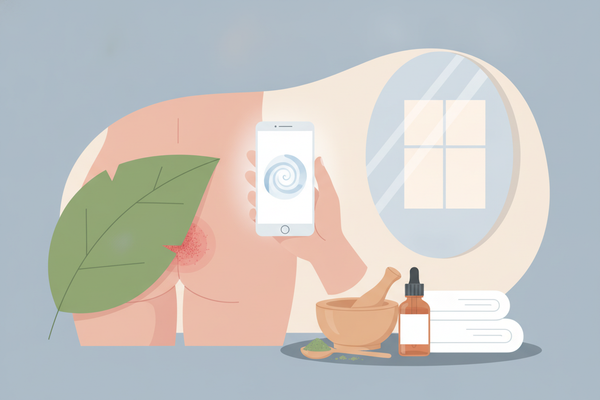
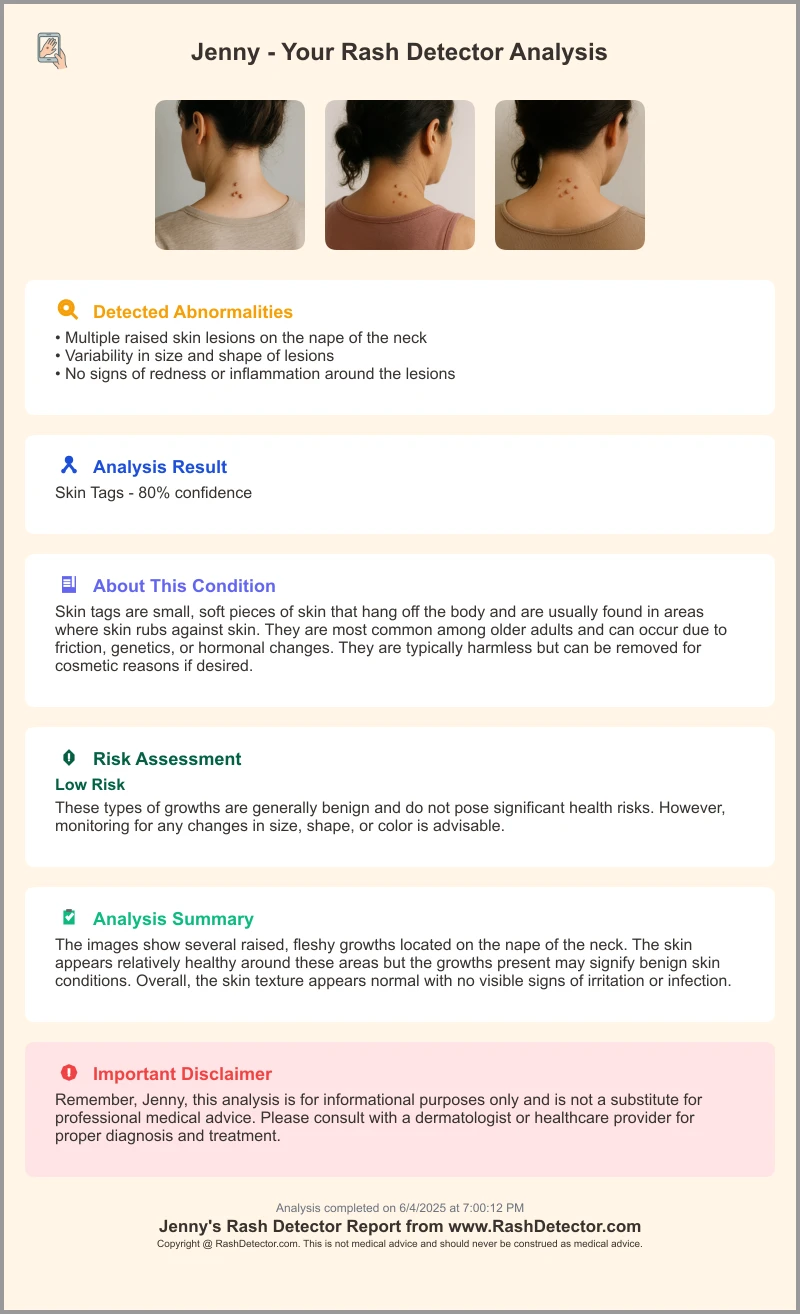
- Photograph rash daily to track spread or improvement (step-by-step guide).
For quick, at-home assessment, consider using Rash Detector, an AI skin analysis app that provides instant insights from your rash photos.
Clues to Severity
- Hives suggest an allergic reaction.
- Purple discoloration, blistering, or mucosal sores (mouth, eyes, genitals) point to serious reactions.
Evaluating the Severity of the Rash
Mild Rash Criteria
- Limited to skin surface
- No blistering or peeling
- No mucosal involvement (mouth, eyes, genitals)
- No fever, swelling, or breathing issues
Moderate Rash Criteria
- Widespread rash over large areas
- Moderate itching or pain
- Minor systemic symptoms (low-grade fever)
- No mucosal involvement
Severe Rash Criteria
- Trouble breathing or wheezing
- Swelling of face, lips, tongue, or throat
- Extensive blistering or peeling
- Mouth, eye, or genital sores
- Dizziness or fainting
- Fever with nausea, vomiting, or diarrhea
High-risk complications include anaphylaxis, Stevens-Johnson syndrome, and toxic epidermal necrolysis, all requiring urgent care.
Medication Rash Treatment Options
Stop the Offending Medication
- Under clinician guidance, discontinue the suspect drug first.
- Many rashes clear after stopping the cause.
Symptom Relief Strategies
- Cold compresses to reduce heat and itching
- Fragrance-free moisturizers for dry, peeling skin
- Oral antihistamines (e.g., diphenhydramine) to block histamine release
- Topical corticosteroid creams (e.g., hydrocortisone 1%) for mild inflammation
- Prescription oral corticosteroids (e.g., prednisone) for significant rash and swelling
For OTC relief recommendations, see our Best Anti-Itch Cream guide.
OTC vs. Prescription
- Mild rashes: OTC antihistamines and topical steroids
- Moderate to severe rashes: prescription steroids, epinephrine (for anaphylaxis), IV fluids, or hospital admission
Desensitization for Essential Drugs
If a non-severe allergic rash occurs on a critical medicine, supervised desensitization may allow safe use. For more details on how to identify and manage drug-induced rashes, see our comprehensive guide to medication rash treatment.
When to Seek Professional Help
- Any rash after starting a drug should prompt a doctor visit.
- Clinicians confirm cause and advise on stopping or replacing the medicine.
Emergency Signs
- Difficulty breathing or throat swelling
- Fainting or dizziness
- Widespread blistering or peeling
- Mouth, eye, or genital mucosal sores
- Fever, facial swelling, or severe pain
If you notice any emergency signs, call 911 or go to the nearest ER—don’t wait.
Prevention and Long-Term Management
Key Prevention Strategies
- Inform every healthcare provider about past drug rashes or allergies.
- Use the same pharmacy to fill all prescriptions for better tracking.
- Wear or carry medical alert ID for confirmed drug allergies.
- Review side effects and ask about rash risk before starting any new medicine.
- Monitor closely after starting or increasing a dose; document any skin changes.
Follow-Up After an Episode
- Record the suspected medication, rash pattern, and safe alternatives.
- Share this information with your care team to prevent future reactions. For a complete overview on identifying, managing, and preventing drug-induced rashes, visit our complete guide to medication rash treatment.
Conclusion
Recognizing warning signs, assessing rash severity, and initiating prompt medication rash treatment are key to safe recovery. Mild reactions often improve with OTC measures, while severe cases require urgent medical care. Prevent future episodes by informing providers, tracking medicines, and carrying allergy ID. Always consult your healthcare professional for personalized advice.
Additional Resources
- Mayo Clinic: Drug allergy – symptoms, causes, when to seek emergency help
- Johns Hopkins Medicine: Overview of drug rashes and treatment options
- Harvard Health: When is a drug rash more than just a rash
- Merck Manual: Practical summary of causes and management
- Cleveland Clinic: Medication allergies – basics and immune mechanisms
FAQ
- How can I tell if a rash is due to medication?
Track the timing of new drugs or dose changes alongside rash onset. Common signs include sudden redness, itching, hives, or blistering within days of starting a medicine.
- When should I stop taking my medication?
If you experience severe symptoms like difficulty breathing, facial swelling, or widespread peeling, seek emergency care immediately. For mild rashes, contact your healthcare provider before discontinuing any drug.
- Are there ways to prevent future medication rashes?
Always inform your care team about past drug reactions, use one pharmacy for prescriptions, and consider wearing a medical alert ID if you have confirmed allergies.
- What emergency signs should I watch for?
Watch for throat or tongue swelling, difficulty breathing, high fever, dizziness, or rapid blistering. These symptoms require urgent medical attention.