Medication Rash Treatment: A Comprehensive Guide to Identification and Prevention
Master medication rash treatment with our guide on identifying, managing, and preventing drug-induced rashes for fast relief and protection.
Estimated reading time: 8 minutes
Key Takeaways
- Medication-induced rashes range from mild itching to severe, life-threatening eruptions.
- Early identification and prompt medication rash treatment prevent progression to serious reactions.
- Accurate diagnosis differentiates drug reactions from viral exanthems, eczema, and contact dermatitis.
- Step-by-step management includes immediate actions, home care, prescription therapies, and follow-up.
- Preventative strategies and clear communication with providers reduce future rash risk.
Table of Contents
- Introduction
- How Medication Rashes Develop
- Recognizing a Drug Rash vs. Other Skin Conditions
- Overview of Medication Rash Treatment
- Step-by-Step Guidance on Managing a Medication Rash
- Preventative Measures & Long-Term Considerations
- When to Seek Professional Help
- Conclusion
Introduction
A medication-induced rash is a skin reaction triggered by prescription drugs, OTC medications, or supplements. These reactions can manifest as mild, itchy spots or escalate into severe cutaneous adverse reactions (SCARs). Prompt medication rash treatment not only eases discomfort but also prevents complications like Stevens–Johnson syndrome.
How Medication Rashes Develop
Medication-induced rashes arise through three main mechanisms:
- Immediate (IgE-mediated) reactions: Occur within minutes to hours, leading to hives, swelling, and potential anaphylaxis.
- Delayed (T-cell-mediated) hypersensitivity: Develop days to weeks after exposure, causing morbilliform eruptions, fever, and malaise.
- Non-immune mechanisms: Include direct toxicity, photosensitivity, and drug–infection interactions.
Common presentations include red macules or papules that merge into patches, itching or burning sensations, and mobile welts.
Recognizing a Drug Rash vs. Other Skin Conditions
Timing and Distribution
- Usually appear days to weeks after starting or increasing a drug dose.
- Often begin on the trunk and spread symmetrically.
- Typically improve once the offending medication is stopped.
Comparison with Other Conditions
- Viral exanthems: Accompany flu-like symptoms and often resolve spontaneously.
- Eczema: Chronic, flares in atopic areas like elbows and behind knees.
- Contact dermatitis: Localized to areas of irritant exposure.
Key factor: a detailed drug history helps distinguish medication rashes. For more on this process, see our guide on identifying and managing drug-induced rash symptoms.
Overview of Medication Rash Treatment
Immediate Actions
- Contact your prescriber or pharmacist before stopping essential medications.
- Under medical supervision, discontinue non-critical suspect drugs to assess improvement.
Over-the-Counter & Home Remedies
- Oral antihistamines (diphenhydramine, cetirizine) for itching and hives.
- Low-strength topical corticosteroids (hydrocortisone) to reduce inflammation.
- Cool compresses, fragrance-free moisturizers, and loose clothing for comfort.
Prescription Treatments
- Stronger topical or oral corticosteroids for persistent or widespread rashes.
- Systemic steroids or immunosuppressants for severe reactions like DRESS or SJS/TEN.
- Alternative therapies if ongoing treatment is needed; refer to Managing Drug Allergy Rash.
Step-by-Step Guidance on Managing a Medication Rash
1. Immediate Steps
- Document rash onset, location, appearance, and any systemic symptoms.
- Review medications started or dose-changed in the past 1–4 weeks.
- Seek professional advice on whether to pause the suspect drug.
2. Day-to-Day Symptom Management
- Continue antihistamines and apply prescribed topical treatments.
- Keep skin cool, well-moisturized, and free from irritants.
- Avoid sunlight and do not restart the suspected medication.
3. After-Care & Monitoring
- Watch for blisters, mucosal involvement, or systemic signs like fever.
- Maintain a photo diary and symptom log for follow-up visits.
- For severe cases, schedule lab tests to monitor organ function.
For tracking progress, consider our post on how to track rash progress pictures.
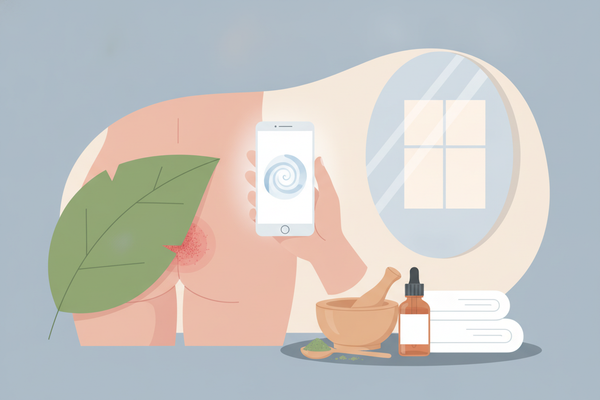
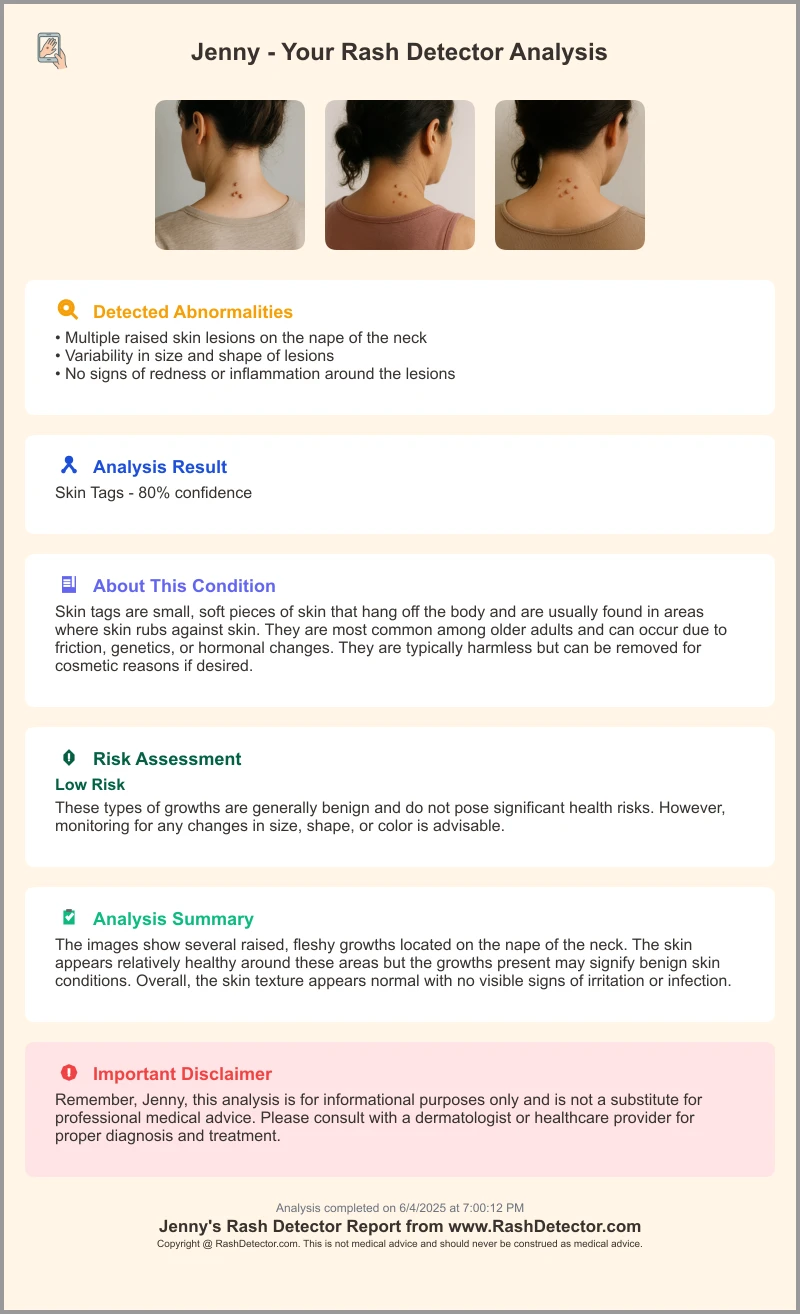
You can also use Rash Detector for an instant AI skin analysis report.
4. Importance of Follow-Up
- Ensure full resolution before resuming any suspect medication.
- Document the culprit drug in your medical record.
- Consider specialist referral for complex or recurrent reactions.
Preventative Measures & Long-Term Considerations
Preventing Future Rashes
- Inform all healthcare providers of past drug reactions.
- Discuss risk-benefit when starting new medications.
- Consider allergy testing or supervised challenges for high-risk drugs.
- Use a medical alert ID for confirmed severe allergies.
Communicating Effectively with Providers
- Ask about expected rash onset, warning signs, and protocols.
- Provide a comprehensive list of medications and past reactions.
Supportive Skincare & Lifestyle
- Choose gentle, fragrance-free cleansers and moisturizers.
- Protect skin from sun when using photosensitizing drugs.
- Manage other atopic conditions to lower skin sensitivity.
When to Seek Professional Help
Red-Flag Symptoms for Emergency Care
- Blistering or widespread peeling of skin.
- Mucosal sores in mouth, eyes, or genitals.
- Facial or throat swelling, difficulty breathing.
- High fever or rapid rash spread with systemic signs.
Non-Emergency but Prompt Evaluation
- Mild rashes without systemic symptoms warrant same-day clinic or telehealth visits.
- Early review can prevent escalation to severe reactions.
Questions & Expectations During Consultation
- Could this rash be due to my medications?
- Should I continue or switch drugs?
- Do I need tests (blood work, biopsy, allergy testing)?
- What is the best medication rash treatment and timeline for resolution?
Conclusion
Effective medication rash treatment hinges on early recognition, safe discontinuation or substitution of the offending drug, and targeted relief. By identifying drug-induced rashes, following a clear management plan, and implementing preventive strategies, you can minimize discomfort and safeguard your skin health. Stay vigilant, communicate with your provider, and act at the first sign of a drug rash.
コスプレウィッグを選ぶ際は、色味、長さ、毛量、前髪、耐熱温度を確認すると比較しやすくなります。サイズやセット内容を確認する場合は、ツインテール ウィッグ セットから候補を探せます。セットするときは耐熱温度を守り、目立たない部分から少量ずつ試しましょう。
FAQ
- Q: How can I tell if a rash is medication-related?
A: Medication rashes typically appear days to weeks after starting a drug, often on the trunk, and improve once the drug is stopped. - Q: Can I stop my medication on my own if I develop a rash?
A: No—always consult your provider before stopping any essential medication to avoid complications. - Q: What over-the-counter remedies help with itchy rashes?
A: Oral antihistamines and low-strength topical corticosteroids can relieve itch and inflammation. - Q: When should I seek emergency care for a rash?
A: Seek immediate help if you experience blistering, mucosal involvement, facial swelling, difficulty breathing, or high fever.