Comprehensive Guide to Medication Rash Treatment: How to Identify and Manage Drug-Induced Rashes
Learn how to identify and manage drug-induced rashes effectively with our comprehensive guide to medication rash treatment, including prevention strategies.
Estimated reading time: 7 minutes
Key Takeaways
- Early recognition of drug rashes can prevent serious complications.
- Learn to identify rash types and red-flag symptoms.
- Follow step-by-step management and treatment protocols.
- Adopt preventative strategies for future drug use.
- Utilize AI tools like Rash Detector for preliminary assessment.
Table of Contents
- Introduction
- What Are Medication-Induced Rashes?
- Identifying Medication-Induced Rashes
- Risk Factors and Causes
- Managing and Treating Medication Rashes
- Preventative Measures
- Rash Detector in Practice
- Conclusion
- Additional Resources
- FAQ
Introduction
Early medication rash treatment is vital. A medication-induced rash is a skin reaction caused by prescription, over-the-counter, or supplemental drugs. Recognizing drug-induced eruptions early can prevent complications, avoid unnecessary drug avoidance, and potentially save a life.
In this guide, you’ll learn:
- How to identify drug rashes
- Key risk factors and common causes
- Step-by-step management and treatment
- Preventative strategies for future drug use
- FAQs and trusted resources for ongoing support
What Are Medication-Induced Rashes?
Medication-induced rashes are skin eruptions directly caused by drugs via allergy, side effect, or photosensitivity. They are a form of cutaneous drug reaction. Johns Hopkins Medicine classifies them into three major categories:
- Allergic reactions (immune-mediated dermatitis)
- Side-effect eruptions (non-allergic)
- Photosensitivity reactions (sun-induced dermatitis)
Common morphologies include morbilliform/maculopapular rash, urticaria, fixed drug eruptions, acneiform rash, purpuric eruptions, exfoliative dermatitis, and severe forms like SJS/TEN or DRESS.
Identifying Medication-Induced Rashes
How to Differentiate a Drug Rash
Drug-induced rashes often appear or worsen days–weeks after starting or increasing a medication, then improve after stopping the culprit drug. They coincide with no other clear cause (infection, autoimmune disease, or contact dermatitis). For a detailed breakdown, see our guide on Identifying and Managing Drug-Induced Rash Symptoms.
Key Signs & Red Flags
- Red/pink spots, patches, or bumps
- Itching or burning sensation
- Hives (urticaria) that shift locations
- Peeling or scaling skin
Red-flag symptoms requiring immediate ER care include widespread blistering, mucosal sores, facial swelling, respiratory distress, fever, hypotension, or systemic malaise.
Risk Factors and Causes
High-risk drug classes include antibiotics (penicillins, sulfonamides), anticonvulsants, NSAIDs, allopurinol, diuretics, anticoagulants, antiretrovirals, and contrast dyes. Patient-specific factors like female sex, older age, polypharmacy, immunocompromise, and genetic predisposition also raise risk.
Managing and Treating Medication Rashes
Immediate Steps
- Contact your healthcare provider with a complete drug list, rash timing, and any systemic symptoms
- Hold suspected medication until professional assessment; do not self-rechallenge
- For non-essential drugs, stop under guidance; for severe signs (anaphylaxis, blistering) go to ER
Home/OTC Remedies for Mild Rashes
- Oral antihistamines (diphenhydramine, cetirizine)
- Low- to mid-potency topical corticosteroids
- Cool compresses, gentle soap, fragrance-free moisturizers
Prescription and Physician-Managed Treatments
- Systemic corticosteroids or IVIG for severe immune-mediated eruptions
- ICU or burn-unit care for SJS/TEN, with supportive wound and fluid management
For a step-by-step protocol on how to identify and manage drug-induced rashes, see our comprehensive guide to identifying and managing drug-induced skin reactions.
Preventative Measures
Pre-Medication Strategies
- Share a complete medication/allergy history with your prescriber
- Consider penicillin skin testing or allergy referral if indicated
Monitoring During Therapy
- Read medication guides for listed skin side effects
- Watch for skin changes during the first days/weeks of therapy
Long-Term Prevention
- Document serious reactions in medical records and on allergy ID
- Avoid self-rechallenge and related drug classes without medical advice
For more on how to identify, manage, and prevent drug-induced rashes, refer to our guide on identifying, managing, and preventing drug-induced rashes.
Rash Detector in Practice
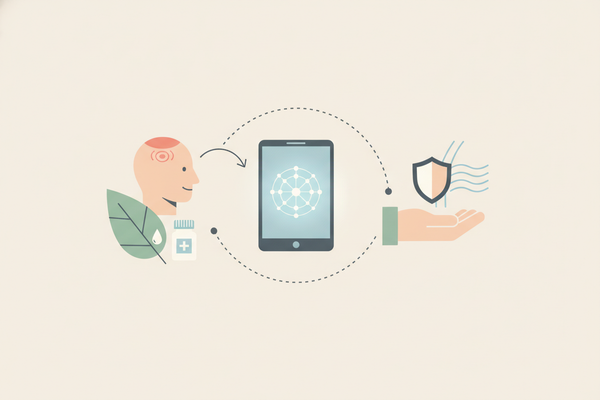
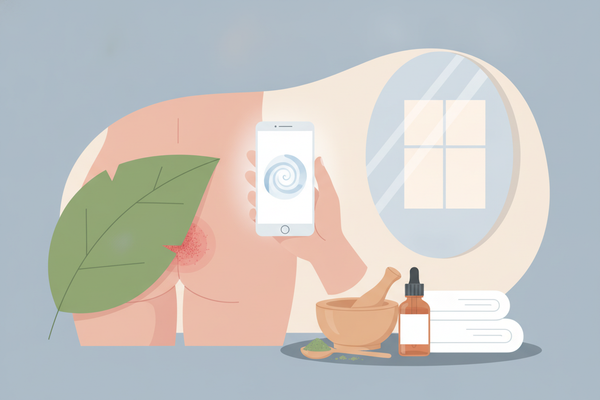
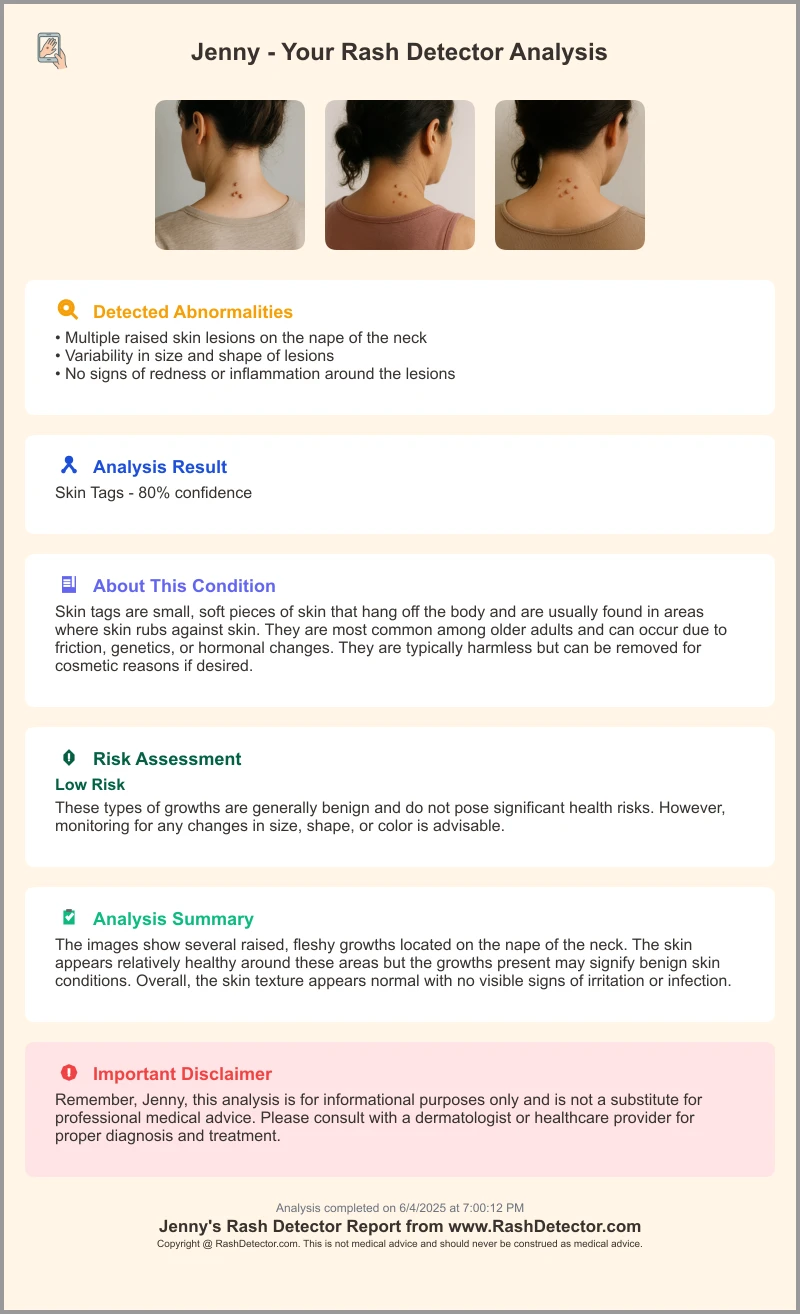
For a quick, preliminary AI-powered assessment of medication-induced rashes, upload photos to Rash Detector and get an instant risk report. It’s a convenient way to gather additional insights before consulting your provider.
Conclusion
Medication-induced rashes range from mild eruptions to life-threatening emergencies like SJS/TEN. Early recognition and proper treatment—primarily stopping the offending drug, providing supportive care, and involving healthcare professionals—are crucial to prevent severe outcomes. Always report new rashes promptly, watch for red-flag symptoms, and keep your medication history updated to reduce future risks.
通販で候補を探すときは、商品仕様、セット内容、発送予定日を確認しておくと安心です。商品仕様や選び方を比べたい場合は、ヒロアカ コスプレから関連情報を確認できます。利用条件や交換条件は店舗ごとに異なるため、注文前に最新内容を確認すると安心です。
Additional Resources
- Johns Hopkins Medicine – Drug Rashes
- Harvard Health – When is a drug rash more than just a rash?
- CCJM – Deadly drug rashes
FAQ
- How long does a medication rash last after stopping the drug?
Uncomplicated rashes improve within days and resolve in 1–2 weeks; severe reactions may take months. - Can I treat a medication rash at home?
Only mild rashes without red flags; use antihistamines, cool compresses, and topical steroids after clinician approval. - Is every rash from antibiotics an allergy?
No. Some are side effects. Mislabeling can limit future therapy; allergist evaluation may be needed.
For more on managing drug allergy rashes, see our guide on Managing Drug Allergy Rash.