Medication Rash Treatment: A Comprehensive Guide
Discover effective medication rash treatment steps to identify, manage, and prevent drug-induced rashes, ensuring safety and comfort.
Estimated reading time: 8 minutes
Key Takeaways
- Drug rashes can range from mild itching to life-threatening reactions like Stevens-Johnson syndrome.
- Early recognition and prompt discontinuation of the offending medication are critical.
- Home management—antihistamines, topical steroids, cool compresses—offers relief for mild cases.
- Red flags such as breathing difficulty, blistering, fever or widespread peeling require immediate medical attention.
- Prevention hinges on accurate allergy records, clear communication with providers, and reviewing drug leaflets.
Table of Contents
- Section 1: Understanding Medication-Induced Rashes
- Section 2: Identifying a Medication Rash
- Section 3: Immediate Actions and Home Management Strategies
- Section 4: When to Seek Professional Help
- Section 5: Medical Treatment Options
- Section 6: Prevention and Long-Term Management
- Conclusion
Section 1: Understanding Medication-Induced Rashes
A medication rash is any skin eruption that occurs after taking a prescription drug, over-the-counter product, or supplement. These rashes may stem from:
- Allergic reactions—immune overreactions like hives or anaphylaxis
- Non-allergic side effects—dose-related, predictable changes
- Immune-mediated processes—rare but serious syndromes such as Stevens-Johnson syndrome
Pinpointing the underlying mechanism guides the appropriate medication rash treatment and improves safety.
Section 2: Identifying a Medication Rash
Accurate identification allows timely intervention. Watch for:
- Timeline: Rash onset from minutes to weeks after starting or changing a drug.
- Recent medication changes: New prescriptions, OTC purchases, or supplements.
- Distribution: Symmetric patterns on the trunk and limbs.
- Pruritus and erythema: Itching and redness from histamine release.
Tracking progression:
- Monitor lesion size and color changes.
- Rate itch intensity on a 1–10 scale each day.
- Note any new symptoms—fever, fatigue, respiratory changes.
"A father tracking his child’s rash after an anti-seizure drug kept daily photos. When the rash worsened on day four despite low-potency steroid cream, he sought emergency care just in time."
For detailed tips on keeping photo records and a rash diary, see our step-by-step guide.
Section 3: Immediate Actions and Home Management Strategies
At the first sign of a medication rash, these safe initial measures can ease discomfort:
- Pause or discontinue: After consulting your prescriber, stop the suspected drug.
- Taper with caution: Systemic steroids or immunosuppressants require gradual reduction—never stop abruptly.
- Document everything: Record drug name, dose, start date, rash onset, and any co-medications.
Symptom relief:
- Oral antihistamines: cetirizine or loratadine for itching.
- Topical corticosteroids: hydrocortisone 1% cream twice daily.
- Cool compresses: apply for 5–10 minutes to soothe skin.
- Fragrance-free moisturizers: support the skin barrier.
- Oatmeal baths: colloidal oatmeal calms inflammation. For more on OTC itch relief solutions.
These measures relieve mild symptoms but do not replace medical evaluation if the rash worsens, spreads, or is accompanied by fever or breathing difficulty.
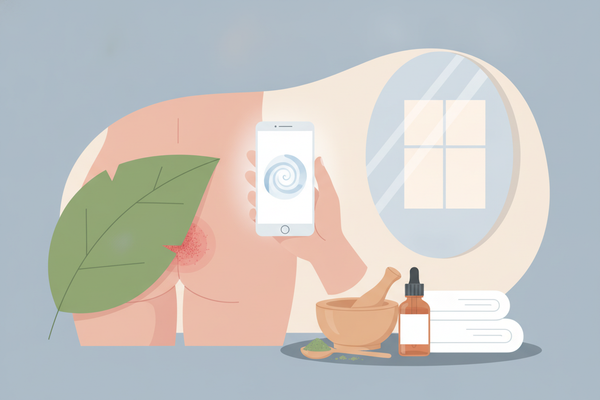
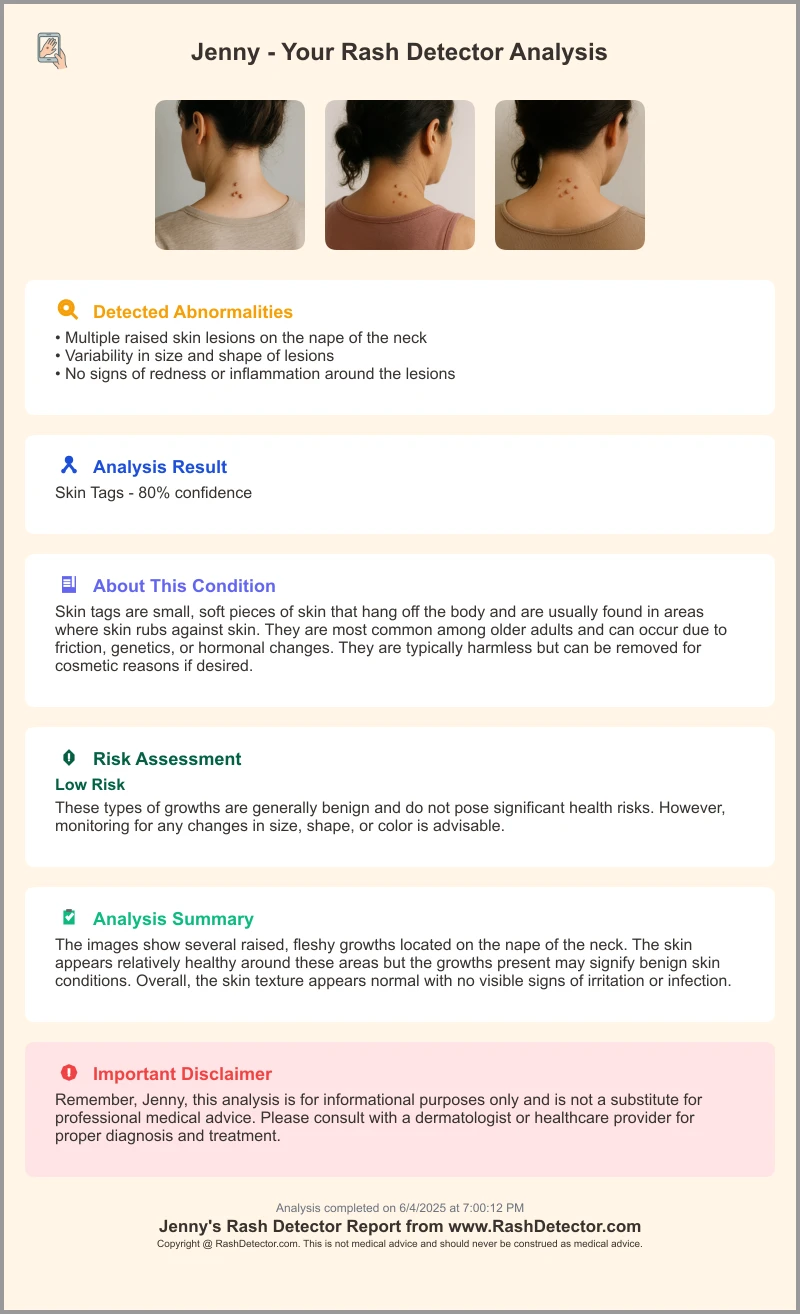
Tools like Rash Detector analyze photos of your rash and generate instant insights. Here’s a sample AI-generated report:
Section 4: When to Seek Professional Help
Some warning signs demand urgent medical attention:
- Respiratory distress, wheezing, throat tightness, signs of anaphylaxis
- Blistering, widespread peeling, mucosal involvement (mouth, eyes, genitals)
- High fever (>38.5 °C), hypotension, rapid heart rate
- Severe pain or rash covering >30% of body surface area
Section 5: Medical Treatment Options
Treatment varies by severity:
- Mild-to-Moderate: Oral antihistamines, short-course systemic steroid tapers, topical creams.
- Severe (SJS/TEN, DRESS): Epinephrine for anaphylaxis; hospitalization for IV steroids or IVIG; burn-unit protocols.
- Medication switches: Allergy testing, alternative drug classes, specialist-led desensitization.
For a deeper dive on identifying drug-induced rash symptoms and management, refer to this resource.
Section 6: Prevention and Long-Term Management
Prevent future reactions by:
- Keeping an up-to-date drug allergy list.
- Sharing allergy information via cards, bracelets, or app entries.
- Reading patient leaflets for “rash” or “hypersensitivity” warnings.
- Asking about cross-reactivity (e.g., penicillins vs. cephalosporins).
Conclusion
Effective medication rash treatment relies on early recognition, safe discontinuation of the culprit drug, symptom relief, and prompt escalation when red flags appear. Mild rashes often resolve with home remedies like antihistamines and corticosteroids, while severe reactions may require hospitalization and specialized care. Prevention depends on accurate allergy documentation, clear communication with healthcare providers, and thorough review of medication side-effect profiles. Always consult your clinician for personalized advice and trust reputable sources such as the Merck Manual and Johns Hopkins Medicine for further reading.
FAQ
Q: What is the first step if a medication causes a rash?
A: Contact your prescriber and, if advised, stop the suspect drug. Most rashes improve once the offending medication is removed.
Q: Can I manage a medication rash at home?
A: Mild cases may respond to oral antihistamines and low-potency corticosteroids, but worsening or spreading rashes require medical evaluation.
Q: How long do drug rashes last?
A: Many mild rashes resolve within days to two weeks after stopping the drug; severe reactions can take longer and often need specialist care.
Q: When should I seek emergency care?
A: Go to the ER if you experience breathing difficulty, throat swelling, facial edema, blistering/peeling skin, high fever, or mucosal involvement.
Q: How can I prevent future drug rashes?
A: Keep an updated list of drug reactions, share it with every provider, read medication leaflets for rash risks, and use medical alert IDs or apps.
衣装を購入する前に、使用日から逆算して納期と試着時間を確保しておくと安心です。サイズやセット内容を確認する場合は、コスプレ衣装 オーダーメイド 通販から候補を探せます。最後に衣装全体を試着し、正面だけでなく横や後ろからもシルエットを確認すると安心です。