Medication Rash Treatment: A Comprehensive Guide to Drug-Induced Rashes
Discover effective medication rash treatment for drug-induced rashes. Learn to identify, manage, and prevent reactions with expert guidance.

Estimated reading time: 7 minutes
Key Takeaways
- Early Recognition: Identifying and stopping the offending drug promptly can prevent complications.
- Severity Spectrum: Rashes range from mild exanthematous eruptions to life-threatening Stevens–Johnson syndrome (SJS/TEN).
- Diagnostic Steps: A thorough history, physical exam, timing analysis, drug discontinuation, and targeted tests guide diagnosis.
- Treatment Options: Mild rashes often resolve with OTC antihistamines and topical steroids; severe cases may require systemic therapy or emergency care.
- Prevention Strategies: Maintain detailed medication records, communicate with providers, consider allergy/genetic testing, and avoid re-exposure.
Table of Contents
- Introduction
- 1. Understanding Medication-Induced Rashes
- 2. Causes and Risk Factors
- 3. Recognizing Signs and Symptoms
- 4. Diagnostic Process
- 5. Medication Rash Treatment Options
- 6. When to Seek Professional Medical Advice
- 7. Prevention and Management Strategies
- Conclusion
- FAQ
Introduction
A medication-induced rash is any new skin eruption triggered by a prescription, OTC drug, or supplement. Medication rash treatment hinges on early recognition and stopping the offending agent. Most drug rashes are mild and resolve after discontinuation, but severe reactions (e.g., Stevens–Johnson syndrome) can be life-threatening. This guide offers clear, practical information on causes, recognition, diagnosis, treatment options, when to seek care, and prevention. For more on recognizing these reactions, see identifying drug-induced rash symptoms.
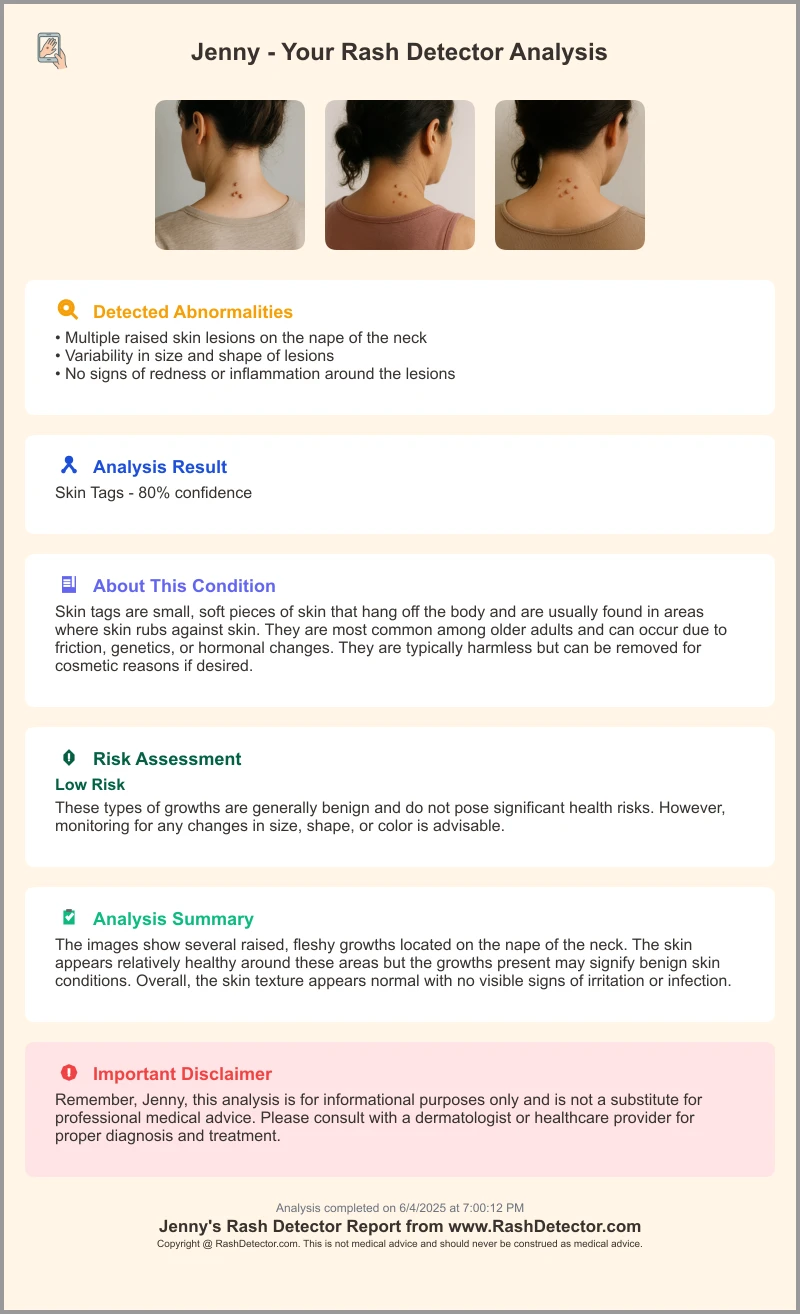
For a quick, AI-powered preliminary evaluation, consider using Rash Detector, which analyzes rash photos and generates an instant report.
1. Understanding Medication-Induced Rashes
Definition
A drug-induced skin reaction is an immune-mediated or irritant response to a medication. The body’s immune system misidentifies the drug or its metabolites as harmful, causing inflammation and visible skin changes.
Common Presentation Types
- Exanthematous (morbilliform): measles-like red bumps; most common and usually mild.
- Urticaria (hives): raised, itchy welts that appear and fade rapidly.
- Angioedema: deeper swelling of face, lips, or eyelids; potential airway risk.
- Fixed Drug Eruption: oval or round dark/red patch recurring in the same spot upon re-exposure.
- Severe Cutaneous Adverse Reactions (SCARs): Stevens–Johnson syndrome, TEN, DRESS—rare but severe.
Severity Spectrum
- Mild: local redness, small bumps, mild itch, no systemic symptoms; often resolves on its own.
- Moderate: widespread rash, intense itching, low-grade fever; may need prescription treatment.
- Serious/Emergent: blistering, mucosal sores, high fever, organ involvement; requires urgent care.
2. Causes and Risk Factors
High-Risk Medications
- Antibiotics: penicillins, sulfonamides
- Anticonvulsants: phenytoin, carbamazepine, lamotrigine
- NSAIDs: ibuprofen, naproxen
- Allopurinol (gout treatment)
- Chemotherapy agents
- Certain heart drugs and contrast dyes
- Herbal supplements and vitamins
Risk Factors
- Previous drug allergies or rashes
- Personal/family history of atopy (asthma, eczema)
- Genetic predispositions (specific HLA types linked to SJS/TEN)
- Polypharmacy and high or rapidly escalated doses
- Concurrent viral infections (e.g., antivirals plus penicillin can mimic rash)
3. Recognizing Signs and Symptoms
Typical Rash Features
- Red or pink spots, bumps, or patches starting on the trunk and spreading
- Itching, burning, or tenderness
- Hives: transient raised welts that migrate (for relief, see best anti-itch cream solutions)
- Angioedema: localized deep swelling
- Dryness, scaling, or mild peeling during healing
Concerning Signs
- Blisters or bullae over large areas
- Target lesions or purple spots
- Mucosal involvement (mouth, eyes, genitals)
- Fever, flu-like symptoms, lymphadenopathy
- Signs of organ involvement: jaundice, dark urine, breathing difficulty
Self-Assessment Tips
- Onset 1–2 weeks after starting a new drug (hours if immediate allergy)
- Rash worsens after dose increase
- Rash improves after stopping a non-essential medication (clinician approval)
- Recent initiation of high-risk drugs
- Track changes over time with photos and notes: track rash progress pictures
4. Diagnostic Process
- Detailed History
List all prescription, OTC, and supplement medications; note start/stop dates and dose changes; record prior reactions and infections. - Physical Exam
Assess rash distribution, pattern, mucosal involvement; check for fever or lymph node enlargement. - Timing Analysis
Correlate rash onset with drug initiation or escalation; immediate (minutes–hours) for true allergy; delayed (days–weeks) for most eruptions. - Trial Discontinuation/Substitution
Safely stop non-essential drugs under supervision; switch to alternative medication if needed. - Diagnostic Tests
Blood tests (eosinophil count, liver/kidney function); skin biopsy to differentiate SCARs; patch/allergy testing for future risk assessment.
5. Medication Rash Treatment Options
- Stop Culprit Drug Safely
Discontinue suspected agent under physician guidance; for essential meds, switch to a safer alternative promptly. - OTC Therapies for Mild Rashes
Oral antihistamines (diphenhydramine or non-sedating H1 blockers); topical corticosteroids (hydrocortisone 1%); gentle skin care (cool compresses, fragrance-free moisturizers, avoid hot showers). - Prescription Therapies for Moderate/Severe Rashes
Strong topical steroids or prescription antihistamines; oral corticosteroids (e.g., prednisone taper); emergency interventions (IM epinephrine, IV steroids, hospital admission for anaphylaxis or SCARs). - Short-Term vs. Long-Term Management
Short-Term: stop drug, relieve itch/inflammation, prevent infection, monitor progression. Long-Term: document allergy, carry an allergy card, specialist referral, periodic organ monitoring.
6. When to Seek Professional Medical Advice
Prompt Consultation Needed If:
New rash after starting or increasing dose of medication; widespread, intensely itchy rash not improving with OTC care; uncertainty about which medication is responsible.
Emergency Warning Signs (911 or Urgent Care):
Difficulty breathing, wheezing, throat tightening; swelling of lips, tongue, face, or throat; widespread blistering or peeling skin; painful purple spots or target lesions; mucosal sores or high fever; rapid blood pressure drop or organ-failure signs.
7. Prevention and Management Strategies
- Maintain Detailed Records: Keep up-to-date list of all medications and supplements; document past drug reactions with dates and descriptions.
- Communicate Proactively: Inform all healthcare providers about known drug allergies; ask about rash risk before starting new medications.
- Consider Testing: Genetic or allergy testing for high-risk individuals (e.g., HLA-B*1502 for carbamazepine).
- Avoid Re-Exposure: Once identified, avoid the culprit drug and related compounds unless advised by a specialist.
- Lifestyle and Monitoring: Gentle skin care during new treatments; follow up with an allergist or dermatologist; carry a medical alert bracelet if past reactions were life-threatening.
Conclusion
Medication rash treatment begins with early recognition, discontinuation of the offending drug, and appropriate symptom relief. While many rashes are mild and self-limited, severe reactions like SJS/TEN require urgent care. Understanding the causes, risk factors, diagnostic steps, and treatment options empowers patients and clinicians to act swiftly. Always seek personalized evaluation from a healthcare professional—ideally a dermatologist or allergist—to ensure accurate diagnosis, effective treatment, and prevention of future reactions.
FAQ
What are the most common types of drug-induced rashes?
The most frequent presentations include exanthematous (morbilliform) eruptions, urticaria (hives), and fixed drug eruptions. Severe but rare reactions include Stevens–Johnson syndrome and toxic epidermal necrolysis.
How long do medication rashes typically last?
Mild rashes often improve within days after stopping the drug. Moderate cases may take one to two weeks with treatment. Severe reactions can require weeks to months for full resolution, depending on organ involvement.
When should I seek immediate medical attention?
If you experience difficulty breathing, facial or throat swelling, widespread blistering or peeling, mucosal sores, or systemic symptoms like high fever, seek emergency care immediately.
Can I prevent a drug rash?
Maintain detailed medication records, inform all providers of past reactions, consider allergy or genetic testing if you’re at high risk, and avoid re-exposure to known allergens.
返品や交換について調べる場合は、対象条件、期限、未使用状態の扱いを確認しておきましょう。複数の候補を比較する際は、コスプレ衣装 サイズ交換で仕様の違いを確認できます。不明な点がある場合は、注文前にサイズ、付属品、交換条件を確認することが大切です。
Are over-the-counter treatments effective?
Yes, OTC antihistamines and low-strength topical corticosteroids can provide relief for mild rashes. However, if symptoms worsen or persist, consult your healthcare provider for prescription options.