Effective Medication Rash Treatment: Early Detection and Intervention
Learn effective medication rash treatment by understanding early signs, risk factors, and management strategies to prevent complications.
Estimated reading time: 7 minutes
Key Takeaways
- Medication-induced rashes arise from immune responses or direct irritation.
- Early recognition of symptoms prevents serious complications.
- Treatment includes stopping the culprit drug, antihistamines, and corticosteroids.
- Self-care, close monitoring, and professional evaluation are essential.
- Preventive measures reduce future risk of drug eruptions.
Table of Contents
- Introduction
- Recognizing Medication-Induced Rashes
- Diagnosis and When to Seek Medical Advice
- Medication Rash Treatment Options
- Self-Care and Management Strategies
- Preventive Measures
- Conclusion
- FAQ
Introduction
A medication-induced rash is a skin reaction caused by a medicine, including prescription drugs and some over-the-counter products. These rashes occur when the body mounts an immune response or experiences direct irritation from a drug ingredient on the skin. Proper identification and management are vital to keep a mild, self-limited rash from escalating into a serious allergic or cutaneous adverse reaction. Quick action can prevent complications like Stevens-Johnson syndrome or anaphylaxis. Medication rash treatment empowers you to spot warning signs and seek help before a minor rash becomes a medical emergency.
Recognizing Medication-Induced Rashes
Common Signs & Symptoms
- Redness (erythema): Red patches or blotches on the skin.
- Itching (pruritus): An urge to scratch.
- Swelling (edema): Puffiness from fluid in skin tissues.
- Hives (urticaria): Raised, itchy, red welts.
- Morbilliform rash: Measles-like red macules and papules.
- Blistering reactions: Fluid-filled separations that can burst or peel.
Types of Medication-Induced Rashes
- Urticaria (hives): Quick-onset welts from histamine release.
- Morbilliform (maculopapular) rash: Symmetrical red spots and bumps.
- Blistering or peeling reactions: Includes Stevens-Johnson syndrome and toxic epidermal necrolysis.
Risk Factors & Common Culprit Medications
- Prior drug allergies or sensitivities
- Repeated or prolonged exposure to the same medication
- Immune suppression (e.g., HIV infection)
Medications often linked to rashes include antibiotics (penicillin, sulfonamides), NSAIDs (aspirin, ibuprofen), chemotherapy agents, and biologics.
Diagnosis and When to Seek Medical Advice
Differentiating Mild vs Serious Reactions
- Mild rash: Localized redness, itching or isolated hives without systemic signs.
- Serious reaction: Rapidly spreading rash, facial swelling, blistering, fever, or breathing issues.
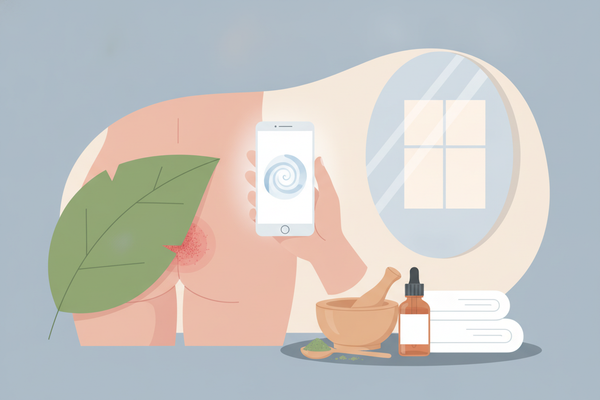
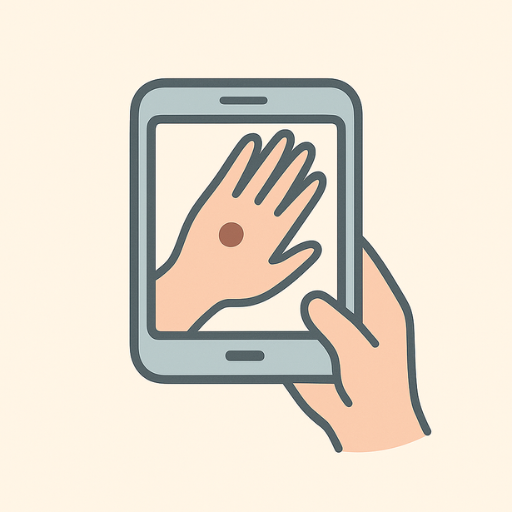
To get rapid preliminary insights, you can upload photos to the Skin Analysis App by Rash Detector. The AI generates a report highlighting possible causes and severity, helping guide your next steps.

Red Flags Requiring Immediate Care
- Trouble breathing or wheezing
- Swollen lips, tongue, or throat
- Rapidly spreading rash or tight, burning skin
- Blisters, peeling skin, or open sores
- Signs of anaphylaxis
Importance of Professional Evaluation
- Rashes can mimic viral or heat-related eruptions.
- A detailed medication history is key.
- Patch tests or blood work may confirm a drug reaction.
Medication Rash Treatment Options
Discontinuing the Offending Medication
- Under medical guidance, stop the culprit drug.
- Switch to safer alternatives when necessary.
Antihistamines
- Cetirizine, loratadine, diphenhydramine
- Relieve itching, hives, and mild swelling.
Topical Corticosteroids
- Hydrocortisone 1% cream for mild-to-moderate inflammation.
- Apply thin layers to affected areas 1–2 times daily.
For a comparison of over-the-counter itch solutions, see best anti-itch cream solutions.
Oral Corticosteroids
- Short courses of prednisone (5–7 days).
- Used for widespread inflammation or severe itching.
Epinephrine and Emergency Measures
- Intramuscular epinephrine for anaphylaxis.
- Supplement with oxygen, IV fluids, and monitoring.
Alternative Medications & Specialist Referral
- Switch drug classes on rechallenge.
- Refer to dermatology or allergy specialists for SCARs.
Self-Care and Management Strategies
- Cool compresses: Use damp, cool cloths to soothe skin.
- Loose clothing: Wear cotton to reduce friction.
- Avoid scratching: Use mitts or bandages at night.
- Avoid irritants: Skip harsh soaps and scented products.
- Document details: Note onset, take daily photos.
Refer to step-by-step tips.
Preventive Measures in Medication Rash Treatment
- Share allergy history with providers.
- Consider allergy testing before new therapies.
- Read labels for active and inactive ingredients.
- Follow dosing instructions precisely.
- Carry medical alert identification if needed.
For more on managing drug allergies long term, see managing drug allergy rash.
Conclusion
Early identification and accurate differentiation between mild and serious cutaneous reactions are pillars of successful medication rash treatment. Key steps include:
- Professional treatments: Discontinue the offending drug under guidance; use antihistamines, topical or oral corticosteroids; administer epinephrine for anaphylaxis.
- Self-care strategies: Cool compresses and loose clothing; avoid scratching and harsh products; document rash progression and medication history.
Actionable Advice: Seek immediate medical attention if you experience airway tightness, rapid swelling, or blistering skin. Keep detailed records of any new rashes and maintain open dialogue with your healthcare team. With informed vigilance and prompt care, most medication-induced rashes resolve quickly and safely.
FAQ
What should I do if I develop a rash after starting a new medication?
Stop the suspected drug and consult your healthcare provider promptly to determine if you need alternative treatments.
When is a medication rash an emergency?
Seek immediate care if you have breathing difficulties, facial swelling, widespread blistering, or signs of anaphylaxis.
Can I treat a drug-induced rash at home?
For mild rashes, cool compresses, antihistamines, and topical corticosteroids may help, but a professional evaluation ensures safe management.
How can I prevent future medication rashes?
Discuss your allergy history with providers, consider allergy testing, read drug labels carefully, and document any reactions for future reference.
ウィッグを通販で探すときは、つむじ、毛量、長さ、セットできる範囲を確認しておくと安心です。複数の候補を比較する際は、アニメウィッグ 通販で仕様の違いを確認できます。購入後は本番前に一度着用し、前髪、長さ、毛量を少しずつ調整すると安心です。