Medication Rash Treatment: A Comprehensive Guide
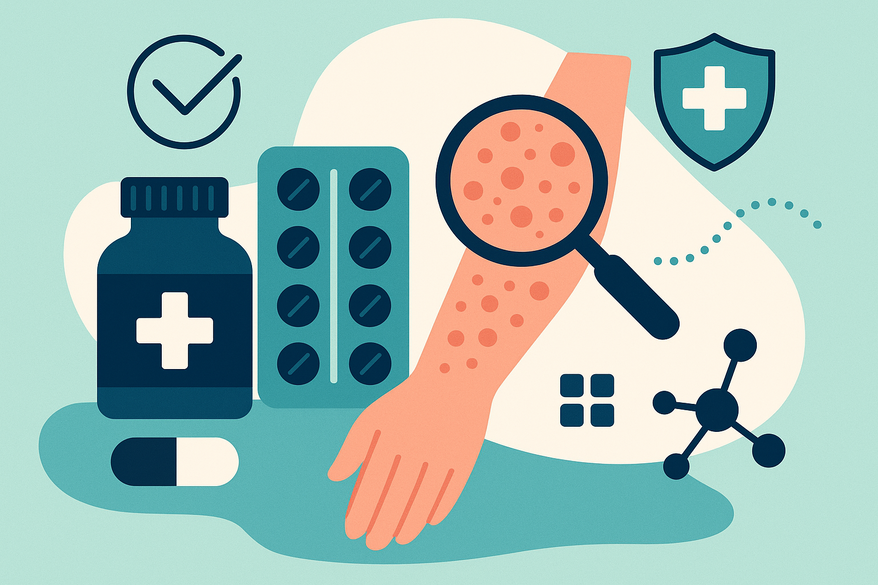
Explore effective medication rash treatment methods to identify, manage, and prevent drug-induced rashes for improved health outcomes.
Estimated reading time: 10 minutes
Key Takeaways
- Early detection of drug-induced rashes is essential to avoid severe complications.
- Home care includes stopping the suspect medication under guidance and applying symptomatic relief.
- Severity-based treatments range from antihistamines and topical steroids to hospital management of severe cutaneous adverse reactions.
- Documentation of drug allergies and patient education prevent future recurrences.
- Collaboration with healthcare providers ensures accurate diagnosis and tailored care.
Table of Contents
- Understanding Medication-Induced Rashes
- Recognizing Drug Rashes
- Home Management and Urgent Care
- Diagnostic Process and Medical Consultation
- Treatment Options for Drug-Induced Rashes
- Preventative Measures and Long-Term Management
- AI-Powered Insight
- Conclusion
Understanding Medication-Induced Rashes
Medication-induced rashes arise when a drug or its byproducts trigger an immune response in the skin. These reactions can manifest as mild, itchy bumps or escalate to life-threatening blistering syndromes.
Types of Drug-Induced Rashes
- Maculopapular eruptions: Flat-topped red bumps
- Urticaria (hives): Raised, itchy welts that migrate
- SCARs (Severe Cutaneous Adverse Reactions):
- Stevens-Johnson syndrome (SJS)
- Toxic epidermal necrolysis (TEN)
Common Symptoms
- Itching (pruritus)
- Redness, swelling, fever and malaise
- Mucosal sores (mouth, eyes, genitals)
- Respiratory distress in anaphylaxis
Pathophysiology
These rashes are usually immune-mediated hypersensitivity reactions, often occurring:
- After starting a new medication
- With dose escalation
- In patients with allergic predispositions
Cited sources: Merck Manual, Hopkins Medicine
Recognizing Drug Rashes
Accurate identification is key. A detailed symptom log and careful observation help distinguish drug rashes from infections or autoimmune conditions.
Signs to Look For
- Timing: Appearance days to weeks after drug initiation or dosage change
- Pattern: Flat versus raised lesions; spreading versus localized
- Associated symptoms: Itching, fever, fatigue
Tracking Timeline
Maintain date-stamped photos and a symptom journal. For techniques, see Track Rash Progress Pictures.
Differentiating from Other Causes
- Infections: Often with systemic signs like cough or chills
- Contact dermatitis: Confined to exposure site
- Autoimmune rashes: Chronic, relapsing patterns
Cited sources: Harvard Health Blog
Home Management and Urgent Care
Initial self-care can support formal treatment and may halt progression.
Immediate Home Actions
- Stop the suspected medication under clinician guidance
- Document with serial photos and a symptom diary
- Apply cool compresses for comfort
- Use over-the-counter antihistamines (e.g., cetirizine)
When to Seek Emergency Care
- Blistering or peeling skin
- Mucosal involvement
- Facial or throat swelling
- Breathing or swallowing difficulty
- High fever (>38.5°C/101.3°F)
Cited sources: Children’s National Health Library, NYU Langone
Diagnostic Process and Medical Consultation
A methodical evaluation by a healthcare professional ensures accurate diagnosis and appropriate escalation.
Clinician’s Evaluation Steps
- Comprehensive medication review (prescription, OTC, supplements)
- Medical history, including prior allergies and autoimmune conditions
- Skin examination: lesion morphology, distribution, mucosal involvement
- Diagnostic tests for severe cases:
- Skin biopsy
- Blood work (CBC, liver/kidney function)
- Patch testing
Questions to Ask Your Provider
- Which medication is most likely responsible?
- Can I stop it immediately?
- Which warning signs require emergency care?
- Are there safe alternatives?
Cited sources: NYU Langone
Treatment Options for Drug-Induced Rashes
Therapy varies by severity: mild, moderate, or severe.
Mild Reactions
- Oral antihistamines (cetirizine, loratadine)
- Topical corticosteroids (hydrocortisone 1%)
- Cool compresses and emollients
Moderate Reactions
- Short course of oral corticosteroids (prednisone taper)
- Continue antihistamines and topical agents
- Skin hydration with fragrance-free lotions (OTC vs Prescription)
Severe Reactions (SCARs, Anaphylaxis)
- Intramuscular epinephrine for anaphylaxis
- Hospital-based care:
- IV fluids
- Broad-spectrum antibiotics for secondary infection
- Wound care (SJS/TEN similar to burn management)
- Specialist consultation or critical care admission
- IV corticosteroids or immunosuppressants under guidance
Cited sources: CCJM, Merck Manual
Preventative Measures and Long-Term Management
Preventing recurrence is a cornerstone of long-term rash management.
Avoid Re-exposure
- Record the culprit drug as an allergy in all medical records
- Inform every healthcare provider and pharmacist (Managing Drug Allergy Rash)
Allergy Testing and Supervised Challenges
- Specialist-led skin testing or graded drug challenges
- Hospital monitoring for high-risk cases
Medication Reviews
- Review allergy list before new prescriptions
- Prefer lower-risk alternatives in at-risk patients
Patient Education
- Teach early warning signs: rash, itching, swelling, fever
- Encourage prompt reporting to healthcare providers
- Provide a written action plan and emergency contacts
Cited sources: Hopkins Medicine, Harvard Health Blog
AI-Powered Insight
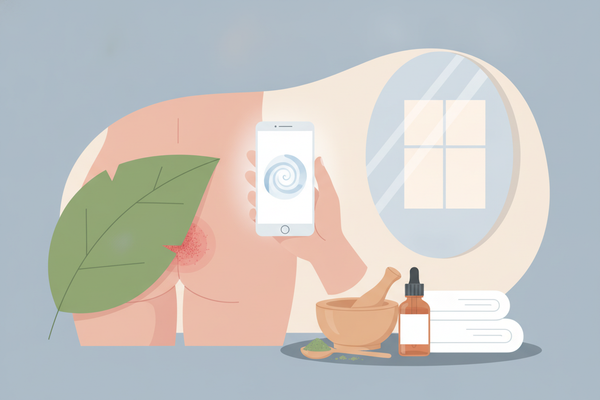
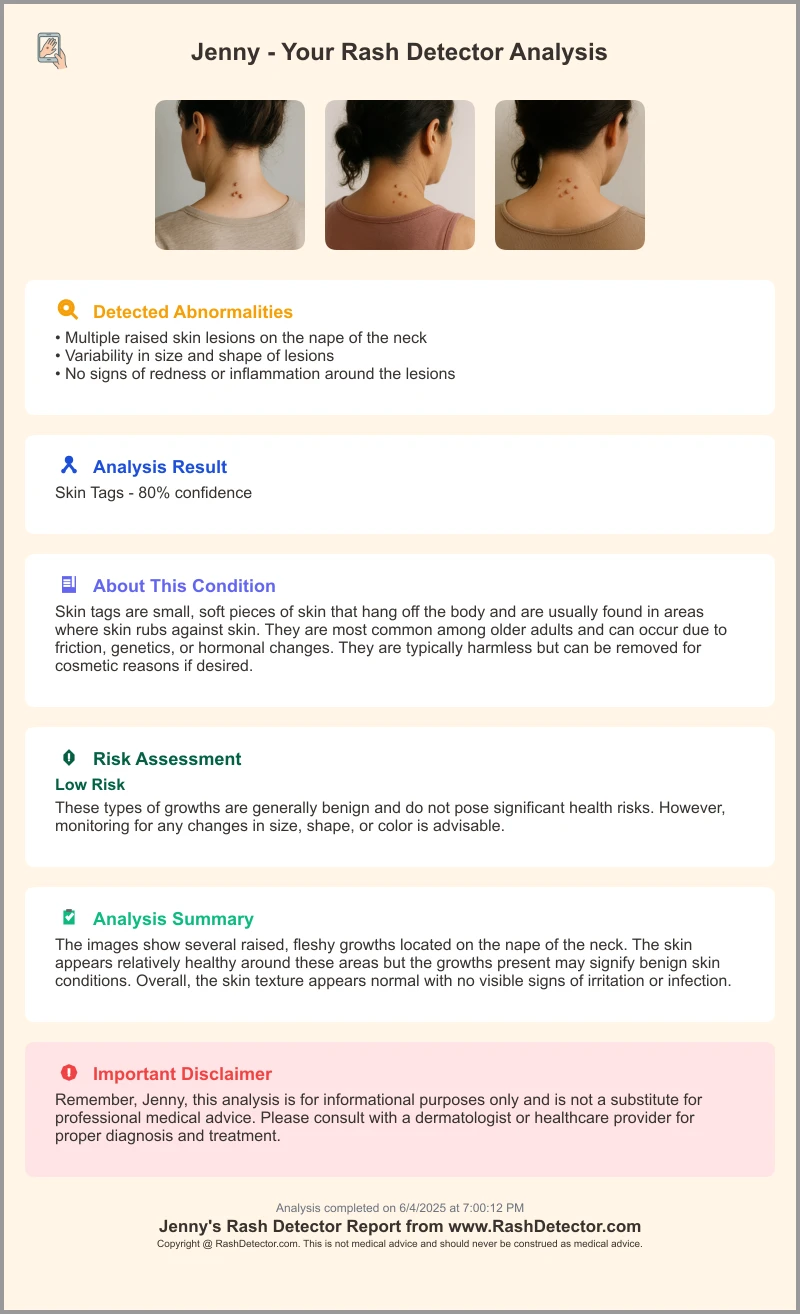
For a rapid preliminary assessment, try the Rash Detector AI skin analysis app, which provides an instant sample report when you upload photos of your rash.
Conclusion
Effective medication rash treatment hinges on prompt recognition, appropriate home and clinical management, and therapies tailored to severity. With accurate diagnosis and early intervention, serious complications can be averted and recovery optimized.
By meticulously documenting drug allergies, educating patients on warning signs, and maintaining close collaboration with healthcare professionals, we can break the cycle of drug-induced rashes and support safer medication use.
FAQ
- What are the first signs of a drug-induced rash?
Look for new, red or raised lesions appearing days after starting or increasing a medication, often accompanied by itching or mild fever. - When should I seek emergency care?
Immediately seek help if you experience blistering, mucosal sores, facial swelling, breathing difficulties, or high fever. - Can I restart the medication after a rash clears?
Only under specialist supervision. Re-exposure without guidance can trigger more severe reactions. - How should I document a drug allergy?
Maintain a written record in your medical file, inform all healthcare providers, and keep photos and a symptom diary. - Are there tests to confirm my allergy?
Yes. Skin testing, patch tests, and supervised drug challenges can identify specific drug sensitivities.