Medication Rash Treatment: A Comprehensive Guide to Safety and Prevention
Learn how to identify, manage, and prevent medication-induced rashes to ensure patient safety. Discover effective medication rash treatment and avoid complications.
Estimated reading time: 9 minutes
Key Takeaways
- Early recognition of medication rashes can prevent serious complications such as Stevens–Johnson syndrome and toxic epidermal necrolysis.
- Accurate diagnosis relies on a detailed drug history, clinical evaluation, and targeted tests.
- Treatment ranges from discontinuing the offending medication and OTC remedies for mild cases to systemic steroids and hospital care for severe reactions.
- At-home care and self-monitoring support healing, but warning signs like blistering or breathing difficulty require immediate medical attention.
- Keeping clear records and communicating drug-allergy history reduces future risk and guides safer therapy choices.
Table of Contents
- Introduction
- What Is a Medication-Induced Rash?
- Recognizing Early Warning Signs of a Drug-Induced Rash
- Diagnosing Medication-Induced Rashes
- Medication Rash Treatment Options
- At-Home Management and Self-Care
- Preventing Future Medication-Induced Rashes
- Conclusion
- FAQ
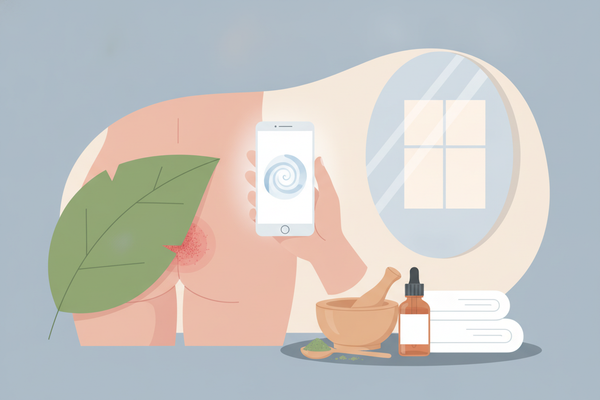
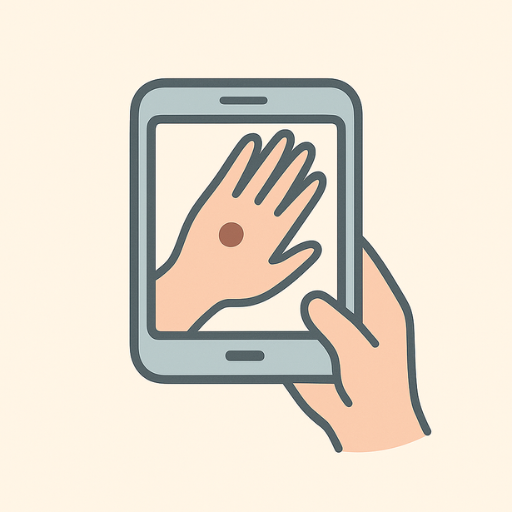
For a preliminary AI-based assessment of drug-related skin changes, upload photos to Rash Detector. Below is a sample report for reference:
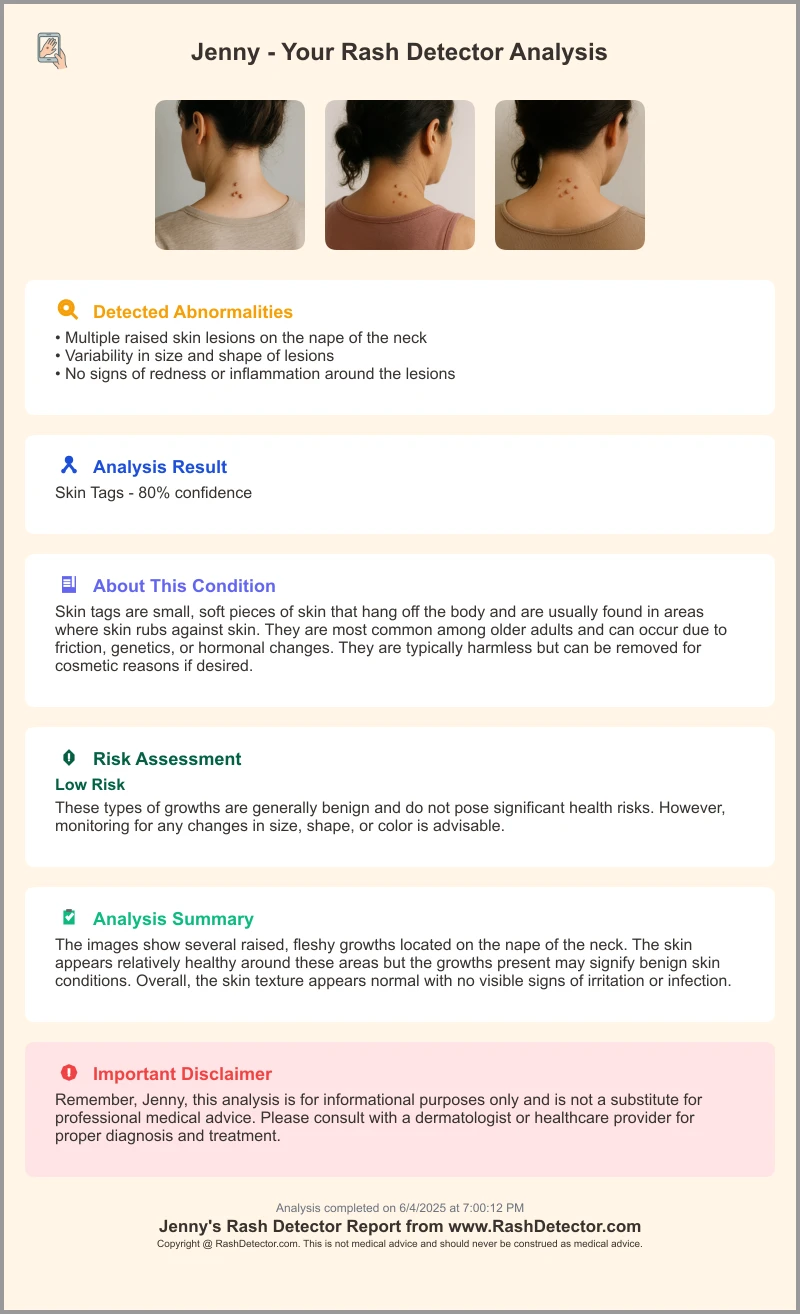
Source: Mayo Clinic: Drug Rash Symptoms & Causes
What Is a Medication-Induced Rash?
A medication-induced rash is a skin reaction caused by a drug via immune-mediated (allergic) or non-immune (toxic, irritant, dose-related) mechanisms. These reactions range from simple redness to severe hypersensitivity with organ involvement. Understanding the cause guides effective treatment.
- Immune-mediated allergy: defense cells attack drug molecules or their byproducts.
- Toxic or irritant effect: direct damage to skin cells, often dose-related.
- Idiosyncratic reaction: unpredictable, not clearly dose-dependent.
Common trigger medications include:
- Antibiotics
- Penicillins (amoxicillin, ampicillin)
- Sulfonamides (sulfamethoxazole-trimethoprim)
- Cephalosporins
- Pain relievers and anti-inflammatories
- NSAIDs (ibuprofen, naproxen)
- Aspirin
- Anticonvulsants
- Carbamazepine, phenytoin, lamotrigine
- Other high-risk drugs
- Allopurinol (gout treatment)
- Chemotherapy agents
- Biologic therapies (e.g., checkpoint inhibitors)
For more on identifying drug-induced rash symptoms, see the Rash Detector resource.
Recognizing Early Warning Signs of a Drug-Induced Rash
Early recognition dramatically improves outcomes. Not all eruptions are the same—spotting the right clues can save lives.
Mild to Moderate Presentations
- Morbilliform rash: red or pink macules and patches (“measles-like”).
- Pruritus: itching without pain.
- Urticaria: itchy welts that migrate.
- Mild periorbital or lip swelling.
- Dry, flaky, or slightly scaly skin.
Severe or Dangerous Presentations (Emergency)
- Rapidly spreading erythema or purpura (purple spots).
- Painful blisters, ulcers, or skin peeling on lips, mouth, eyes, or genitals.
- High fever, chills, or severe malaise.
- Facial, tongue, or throat swelling with breathing difficulty.
- Dark urine, jaundice, severe fatigue (possible organ involvement).
Source: AAD: Drug Rash Symptoms
Diagnosing Medication-Induced Rashes
An accurate diagnosis is key. Clinicians follow a systematic approach:
Step 1: Detailed Medication History
- List all prescription, OTC, supplements, and recent vaccines.
- Note start/stop dates, dosage changes, and routes.
- Document prior drug reactions or known allergies.
Step 2: Clinical Rash Evaluation
- Morphology: macules, papules, vesicles, bullae.
- Distribution: localized vs. widespread; symmetry suggests drug cause.
- Severity: body surface area involved, mucosal lesions.
Step 3: Assess Systemic Involvement
- Check vital signs: fever, blood pressure, heart rate, oxygen saturation.
- Evaluate organ impact: jaundice, dark urine, cough, or shortness of breath.
Potential Tests and Exams
- Blood work:
- CBC for eosinophilia
- LFTs and RFTs
- CRP, ESR
- Skin prick and intradermal tests for immediate allergies.
- Patch testing for delayed reactions.
- Skin biopsy for severe or unclear cases.
- Controlled drug challenge under specialist supervision.
Additional guidance on managing drug allergy rashes.
Source: NCBI: Drug-Induced Skin Reactions
Medication Rash Treatment Options
Treatment is tailored to rash type, severity, systemic features, and drug necessity.
1. Discontinuing the Offending Medication
- Stop the suspected drug under medical supervision.
- Substitute with an alternative when needed.
- Improvement often begins within 48–72 hours; resolution in 1–2 weeks.
- Some drugs (e.g., steroids) require safe tapering.
2. Over-the-Counter Treatments for Mild Cases
- Oral antihistamines: cetirizine, loratadine, diphenhydramine.
- Topical agents: hydrocortisone 0.5–1%, calamine lotion, oatmeal baths.
- Skin care: fragrance-free moisturizers, cool compresses.
3. Prescription Medications for Moderate–Severe Reactions
- Stronger topical steroids (triamcinolone 0.1%).
- Systemic corticosteroids (oral prednisone) tapered over days to weeks.
- Immunomodulators (cyclosporine, IVIG) for life-threatening reactions.
- Epinephrine IM for anaphylaxis; consider an auto-injector.
4. Supportive and Advanced Care
- Hospitalization for SJS/TEN or severe DRESS.
- Burn-unit style care: fluids, wound management, infection prevention.
- Multidisciplinary team: dermatology, allergology, critical care.
Compare OTC vs prescription treatments. For a deeper dive into identifying, managing, and preventing drug-induced rashes, see our comprehensive guide to medication rash treatment.
Source: CDC: Medication Rash Treatment
At-Home Management and Self-Care
After professional care, supportive self-care enhances comfort and healing.
Discomfort Control
- Keep nails short; consider mittens for children.
- Use lukewarm showers; avoid hot water.
- Apply cool, damp compresses.
- Choose gentle, fragrance-free cleansers.
- Moisturize damp skin with hypoallergenic creams.
- Wear loose, breathable cotton clothing.
Complementary Home Remedies (with Caution)
- Oatmeal baths: colloidal oatmeal in lukewarm water.
- Calamine lotion for itchy spots.
- Cold packs wrapped in cloth.
Red-Flag Signs for Immediate Medical Attention
- Breathing difficulty, wheezing.
- Rapid swelling of face, lips, tongue, or throat.
- High fever, widespread blisters, or peeling.
- Eye redness with vision changes.
- Confusion, dizziness, fainting.
Source: Healthline: Drug-Induced Rash
Preventing Future Medication-Induced Rashes
Long-term prevention is a partnership with your healthcare team.
コスプレウィッグを選ぶ際は、色味、長さ、毛量、前髪、耐熱温度を確認すると比較しやすくなります。複数の候補を比較する際は、セット済み コスプレウィッグで仕様の違いを確認できます。セットするときは耐熱温度を守り、目立たない部分から少量ずつ試しましょう。
Risk-Reduction Strategies
- Maintain an up-to-date medication and supplement list.
- Record detailed reaction history: drug, dose, timing, severity.
- Distinguish side effects from true allergic reactions.
Communication Best Practices
- Inform doctors and pharmacists of past drug rashes.
- Flag cross-reactive drugs (e.g., sulfa antibiotics).
- Discuss starting high-risk medications at lower doses.
Long-Term Measures
- Referral for skin and patch testing.
- Desensitization protocols under specialist care.
- Wear a medical alert bracelet or carry an allergy card.
Source: FDA: Drug Allergies
Conclusion
From early recognition and accurate diagnosis to tailored treatment, self-care, and prevention, each step is crucial. Mild eruptions often resolve with drug discontinuation, antihistamines, topical steroids, and gentle skin care. However, emergencies like anaphylaxis or SJS/TEN demand immediate medical attention, epinephrine, hospitalization, and advanced therapies. Proactive patients log symptoms, maintain clear records, and communicate with providers. At the first sign of a suspicious drug-induced rash, consult a healthcare professional to ensure safe, effective treatment and avoid serious complications.
FAQ
- What should I do if I develop a rash after starting a medication?
Stop the suspected drug under medical guidance, monitor symptoms, and seek prompt evaluation from a healthcare provider. For step-by-step management, refer to our comprehensive guide to managing drug-induced rashes. - How can I tell if a rash is mild or requires urgent care?
If you experience itching and redness alone, OTC treatments may help, but symptoms like rapid swelling, blisters, or breathing difficulty need immediate emergency attention. - Can medication rashes be prevented?
Maintaining detailed drug and allergy records, communicating with your healthcare team, and undergoing allergy testing reduces the risk of repeat reactions. - Are over-the-counter remedies enough to treat all drug-induced rashes?
OTC options work for mild cases, but moderate-to-severe reactions often need prescription steroids, immunomodulators, or hospital care. For more on identification, management, and prevention, see our effective medication rash treatment resource.