Comprehensive Guide to Medication Rash Treatment: Identify, Manage, and Prevent Drug-Induced Rashes
Learn to identify, manage, and prevent drug-induced rashes with our comprehensive guide on medication rash treatment. Protect your health and avoid complications.
Estimated reading time: 10 minutes
Key Takeaways
- Drug-induced rashes can range from mild redness to life-threatening reactions like Stevens–Johnson syndrome.
- Early recognition of symptoms—such as hives, blisters, and swelling—is crucial for timely intervention.
- Safe home remedies include antihistamines, topical corticosteroids, cool compresses, and strict sun protection.
- Seek urgent medical care if you experience fever, mucosal involvement, rapid spread, or breathing difficulty.
- Prevention relies on accurate documentation, allergy testing, cross-reactivity avoidance, and careful monitoring of new drugs.
Table of Contents
- Section 1: What Is a Medication-Induced Rash?
- Section 2: Recognizing the Signs and Symptoms
- Section 3: Steps in Medication Rash Treatment
- Section 4: Medical Interventions and Professional Guidance
- Section 5: Prevention and Future Considerations
- Conclusion
- Additional Resources
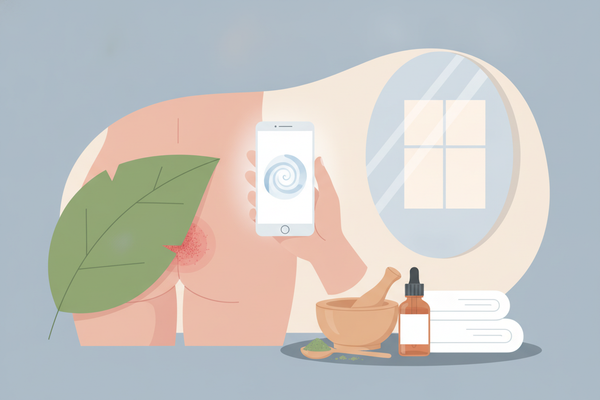
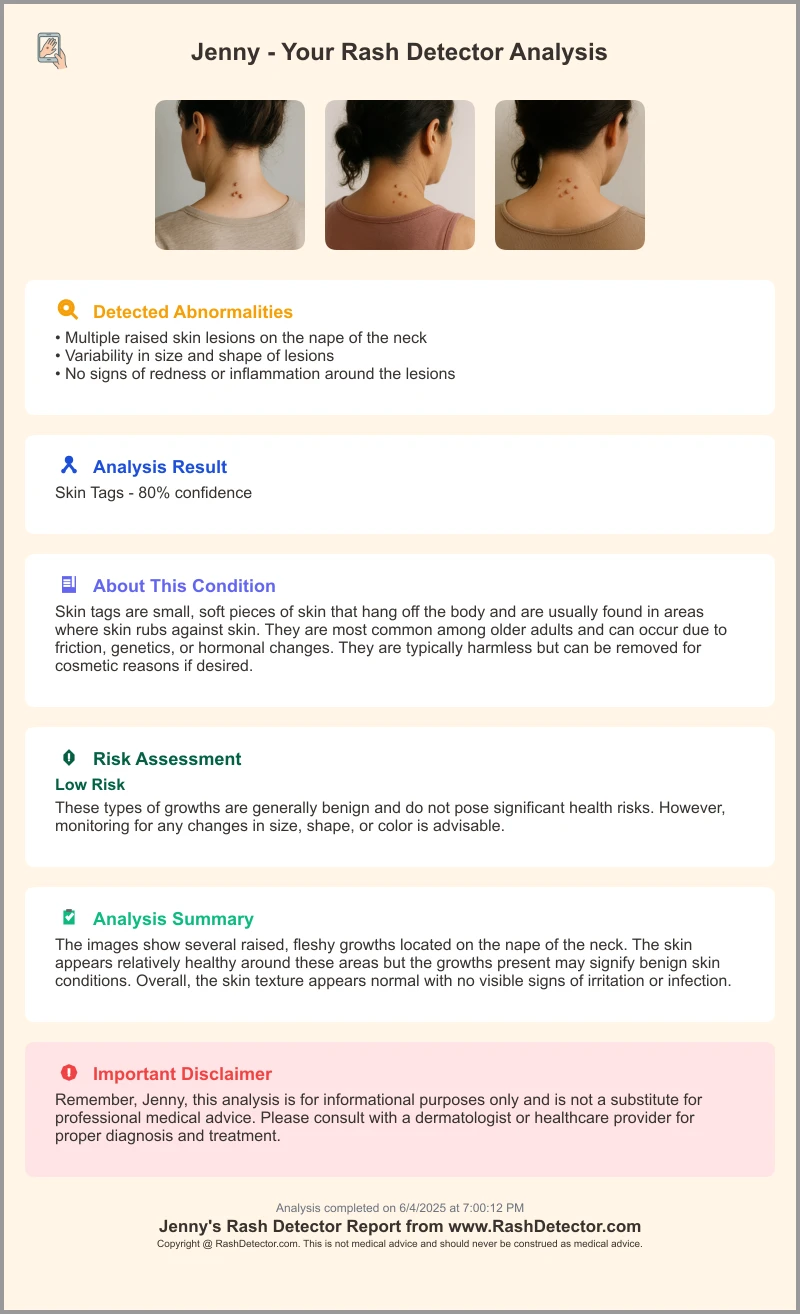
Need a second look? For an AI-fueled assessment, you can try Rash Detector, an AI Skin Analysis App that provides instant insights on your rash. Below is a sample report generated from the tool:
Section 1: What Is a Medication-Induced Rash?
A medication-induced rash—also called a drug eruption—is any adverse skin, hair, nail, or mucous membrane change prompted by a drug. It may manifest as red spots, blisters, hives, or widespread redness.
Common classifications include:
- Allergic reactions: Immune system treats the drug as a threat, leading to hives, measles-like rashes, or severe conditions like Stevens–Johnson syndrome.
- Non-allergic side effects: Direct irritation or toxicity on skin cells; often dose-related (e.g., chemotherapy-induced changes).
- Photosensitivity reactions: Drug-induced overreaction to UV light, causing sunburn-like or eczema-like rashes on exposed areas.
Frequent culprit medications:
- Antibiotics: Penicillins (amoxicillin), sulfonamides, cephalosporins
- NSAIDs: Ibuprofen, naproxen, aspirin
- Anticonvulsants: Carbamazepine, phenytoin, lamotrigine
- ACE inhibitors: Lisinopril
- Others: Allopurinol, chemotherapy agents, contrast dyes
Source: Johns Hopkins Medicine – Drug Rashes, Merck Manual – Drug Rashes, Healthline – Drug Rash and Eruption
Section 2: Recognizing the Signs and Symptoms
Early recognition is key to effective medication rash treatment. Watch for these visual and physical features:
- Red, flat or slightly raised “morbilliform” spots
- Symmetrical pattern on both sides of the body
- Intense itching (pruritus) or mild tenderness
- Hives (urticaria) that appear and fade rapidly
- Blistering or peeling in severe cases
- Swelling of lips, eyelids, or face (angioedema)
Timing of rash onset: Can appear hours after a dose or days to weeks after starting a drug; may emerge after stopping a medication if it accumulates in the body.
Warning signs of severe reactions:
- Fever, chills, or feeling very unwell
- Blisters, open sores, or painful peeling skin
- Mucous-membrane involvement (eyes, mouth, genitals)
- Facial or tongue swelling, difficulty swallowing
- Trouble breathing, chest tightness, or wheezing
- Target lesions (bull’s-eye pattern), bruising, jaundice, dark urine
- Swollen lymph nodes or joint pain
Emergency conditions include Stevens–Johnson syndrome (SJS), toxic epidermal necrolysis (TEN), DRESS, and anaphylaxis. Seek immediate care if any severe sign appears.
Self-assessment and documentation:
- Record medication start date, rash onset, dose changes, and new drugs
- Photograph the rash daily under consistent lighting
- Log symptom details: itching, pain, fever, GI upset, breathing issues
- List all prescription, OTC, herbal remedies, vaccines, and dyes you use
For tips on maintaining a clear photo record, see tracking rash progress pictures.
Source: Harvard Health – When Is a Drug Rash More Than Just a Rash?
Section 3: Steps in Medication Rash Treatment
Never stop a critical prescription (e.g., anti-seizure meds, blood thinners) without consulting your clinician—unless life-threatening signs appear. For mild, non-serious rashes, follow these at-home management steps:
- Contact your prescriber promptly: Use phone or patient portal to ask whether to continue or stop the drug.
- Symptom relief (with clinician approval):
- Oral antihistamines (cetirizine, loratadine, diphenhydramine)
- Topical corticosteroids (low- to mid-strength hydrocortisone cream)
- Fragrance-free moisturizers, calamine lotion, colloidal oatmeal baths
- Cool compresses or lukewarm baths to soothe skin
- Prevent scratching: Keep nails trimmed; consider cotton gloves at night.
- Sun protection: Broad-spectrum SPF 30+ sunscreen, protective clothing, avoid peak UV hours.
When to seek urgent care:
- Rash spreads rapidly or worsens
- New fever, systemic illness, blistering, or mucosal involvement
- Facial/tongue swelling or breathing trouble—call emergency services
- Reaction follows high-risk drugs (anticonvulsants, sulfa, allopurinol)
- Underlying immunocompromise or multiple medications
Source: Merck Manual – Drug Rashes
Section 4: Medical Interventions and Professional Guidance
A healthcare professional will guide advanced treatment through diagnosis and specialized therapies.
Diagnostic process:
- Comprehensive medication review (all drugs in past 4–6 weeks)
- Physical exam to classify rash type and severity
- Blood tests (eosinophils, liver and kidney function)
- Possible skin biopsy for definitive diagnosis
Professional treatment options:
- Discontinue the offending drug; if essential, weigh risks vs. benefits.
- Prescription-strength topical steroids and higher-dose oral antihistamines.
- Short course oral corticosteroids (e.g., prednisone) for extensive allergic reactions.
- Epinephrine injection for anaphylaxis.
- Hospitalization for SJS/TEN or DRESS: IV fluids, burn-care protocols, systemic immunosuppression, organ monitoring.
Roles of specialists:
- Dermatologists: Perform biopsies, differential diagnosis, long-term skin care, and scarring prevention.
- Allergists/Immunologists: Conduct drug allergy testing and supervise desensitization protocols.
Source: Johns Hopkins Medicine – Drug Rashes
Section 5: Prevention and Future Considerations
Preventing future drug eruptions is a vital part of ongoing treatment:
初めて衣装を用意する際は、必要な付属品と別途準備するものを先に整理すると進めやすくなります。サイズやセット内容を確認する場合は、ハロウィン コスプレ衣装 大人から候補を探せます。商品が届いたら付属品とサイズを早めに確認し、必要な調整を本番前に済ませましょう。
- Accurate documentation: Keep allergy lists current in all medical records; carry a wallet card or use a medication-management app.
- Allergy testing: Validated skin tests for specific drugs clarify true allergy vs. intolerance.
- Avoid cross-reactive medications: Consult specialists on drug families to avoid similar compounds.
- Read patient leaflets: Look for warnings such as “serious skin reactions” or “photosensitivity.”
- Start low and go slow: Follow titration schedules for high-risk medications.
- Sun protection strategies: Broad-spectrum SPF 30+ sunscreen, protective clothing, avoid peak UV hours.
- Monitor new medications: Inspect skin daily for the first 2–8 weeks and report any changes promptly.
Conclusion
Medication-induced rashes range from mild to life-threatening. Effective treatment involves:
- Understanding what drug-induced rashes are and which drugs commonly cause them.
- Recognizing key symptoms: redness, hives, itching, blisters, swelling, and systemic warning signs.
- Using safe home remedies—antihistamines, topical steroids, cool compresses—only after consulting a healthcare provider.
- Seeking urgent or emergency care for rapid spread, severe pain, blisters, fever, or breathing issues.
- Relying on dermatologists and allergists for diagnosis, allergy testing, and specialized care.
- Preventing future reactions through accurate documentation, allergy testing, cross-reactivity avoidance, and vigilant monitoring.
For more on recognizing symptoms, see identifying drug-induced rash symptoms.
Additional Resources
- Johns Hopkins Medicine – Drug Rashes
- Merck Manual – Drug Rashes
- Healthline – Drug Rash and Eruption
- Harvard Health – When Is a Drug Rash More Than Just a Rash?
- NIH/PMC – Adverse Cutaneous Drug Reaction
FAQ
- What is a medication-induced rash?
- A skin reaction triggered by a drug, ranging from mild redness and itching to severe conditions like Stevens–Johnson syndrome.
- How can I manage a mild drug rash at home?
- With clinician approval, use oral antihistamines, topical corticosteroids, cool compresses, fragrance-free moisturizers, and avoid scratching.
- When should I seek medical attention?
- If you experience fever, blistering, mucosal involvement, rapid spread, facial swelling, or breathing difficulties.
- How can I prevent future medication rashes?
- Keep accurate allergy documentation, undergo allergy testing, avoid cross-reactive drugs, and monitor new medications closely.