Medication Rash Treatment: Your Complete Guide to Identifying and Managing Drug-Induced Skin Reactions
Discover effective strategies for medication rash treatment, ensuring proper identification and management of drug-induced skin reactions for optimal health.
Estimated reading time: 8 minutes
Key Takeaways
- Early recognition of medication rashes can prevent serious complications such as Stevens-Johnson syndrome.
- Distinct rash types (hives, morbilliform, fixed drug eruption, exfoliative dermatitis, SJS/TEN) have specific timelines and triggers.
- Initial management includes cool compresses, OTC antihistamines, and knowing when to seek urgent care.
- Evidence-based treatments range from topical corticosteroids to immunomodulators, with hospital support for severe cases.
- Prevent recurrences by maintaining an allergy history, undergoing patch testing, and following up with your provider.
Table of Contents
- Section 1: Understanding Medication Rashes
- Section 2: Identifying a Medication Rash
- Section 3: Immediate Steps to Take
- Section 4: Medication Rash Treatment Options
- Section 5: Preventative Measures and Long-Term Management
- Conclusion
- FAQ
Section 1: Understanding Medication Rashes
Rashes from drugs differ in appearance, timing, and cause. Learn the main types to spot them fast.
Hives (Urticaria)
- Symptoms: Raised, itchy wheals or welts that move around.
- Timing: Minutes to hours after drug exposure.
- Common Triggers: Aspirin, penicillins, imaging dyes.
- Mechanism: Histamine release causes swelling and redness.
Morbilliform or Maculopapular Rash
- Symptoms: Flat red spots and small bumps, like measles.
- Timing: 4–14 days after starting the drug.
- Common Triggers: Antibiotics, blood pressure medications.
- Notes: Spreads from chest or back to limbs.
- Source: Merck Manuals
Fixed Drug Eruption
- Symptoms: One or more dark red or purple patches.
- Timing: Hours to days; recurs at the same spot on re-exposure.
- Common Triggers: Certain antibiotics, laxative dyes.
- Source: Divine Dermatology
Acne-like Rash
- Symptoms: Pustules and red bumps on face, chest, or back.
- Timing: Days to weeks after use.
- Common Triggers: Corticosteroids, phenytoin.
- Source: Becker ENT & Allergy
Exfoliative Dermatitis
- Symptoms: Widespread red, scaly skin that peels.
- Timing: Within weeks; can cover most of the body.
- Common Triggers: Sulfa drugs, barbiturates, isoniazid.
- Source: NYU Langone Health
Severe Reactions (Stevens-Johnson Syndrome/TEN)
- Symptoms: Painful blisters, skin sloughing, mouth and eye sores.
- Timing: 1–3 weeks after starting the drug.
- Common Triggers: Antibiotics, anticonvulsants.
- Source: IU Health
Why distinguish drug rashes? Eczema or contact dermatitis looks similar but stems from different causes. Viral exanthems may mimic a morbilliform rash but occur with fever and cold symptoms. Tests like skin biopsy or blood tests help confirm drug eruptions. For more on identifying drug-induced rash symptoms, see our detailed guide.
Section 2: Identifying a Medication Rash
To treat a drug rash, you must first identify it correctly.
Hallmark Signs and Timelines
- Immediate Reactions (minutes–hours): Hives or urticaria; angioedema. Source: Becker ENT & Allergy
- Delayed Reactions (4–14 days): Morbilliform rash; fixed drug eruption. Source: Johns Hopkins Medicine
Patient Monitoring Checklist
- Record the date and time you start a new medication.
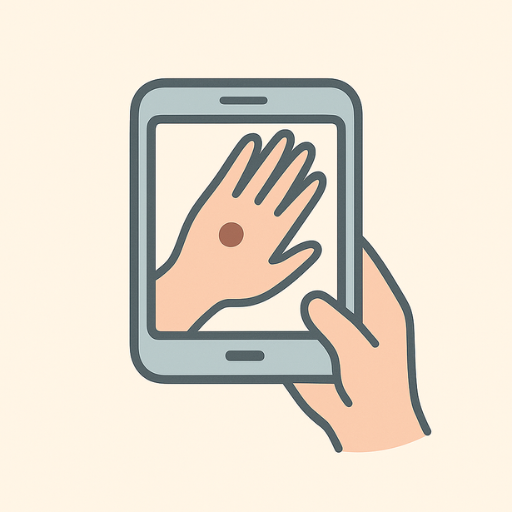
- Photograph any new rash daily: note location, size, and color.
- Log systemic symptoms like fever, joint pain, or breathing trouble.
- Track any changes when you stop or resume the drug.
When to Consult Your Provider
- Non-urgent: Mild itching or small hives; seek routine care.
- Urgent: Facial or throat swelling, wheezing, severe itching; may need epinephrine.
- Specialist: Skin biopsy, blood tests, or allergist referral for complex cases.
- Source: IU Health
Section 3: Immediate Steps to Take
Act fast but stay safe. Follow these initial steps for drug eruptions.
- Do Not Stop Essential Meds Abruptly
Stopping anticonvulsants or heart medications can be dangerous. Always check with your doctor before halting a drug. Source: Burt’s RX - Soothe the Skin
Apply cool, damp compresses to itchy areas. Keep skin clean and dry to avoid infection. - Use Over-the-Counter Antihistamines
Cetirizine (Zyrtec) or diphenhydramine (Benadryl). See our guide on OTC antihistamines and best anti-itch creams. Source: Merck Manuals - Recognize Red Flags for Urgent Care
Facial or throat swelling, difficulty breathing (anaphylaxis). New blisters, skin peeling, mouth or eye sores (SJS/TEN). High fever or joint pain. Treat anaphylaxis with an epinephrine auto-injector. Sources: Harvard Health; Merck Manuals
Section 4: Medication Rash Treatment Options
Once you suspect a drug rash, follow evidence-based treatment steps. For a deeper dive into identifying and managing drug-induced skin reactions, see our complete guide to identifying and managing drug-induced skin reactions and our comprehensive guide to identifying and managing drug-induced skin reactions. For additional strategies, see our guide to effective strategies for identification and management of medication rashes.
Over-the-Counter Modalities
- Oral Antihistamines: Diphenhydramine (Benadryl) or cetirizine (Zyrtec). Mechanism: H1 receptor blockade reduces itching and hives. Source: Merck Manuals
- Topical Corticosteroids: Low-potency hydrocortisone 0.5–1%. Calms inflammation and redness. Source: Burt’s RX
- Soothing Emollients: Calamine lotion for cooling effect, colloidal oatmeal baths to hydrate and soothe. Source: Harvard Health
Prescription Therapies
- Oral Corticosteroids: Prednisone taper over 1–2 weeks for mild to moderate cases; longer courses (4–6 weeks) for DRESS. Source: NYU Langone Health
- Topical High-Potency Steroids: Triamcinolone 0.1% for localized severe rashes.
- Epinephrine Auto-Injector: For anaphylaxis—inject immediately if breathing is compromised.
- Immunomodulators: Cyclosporine or IVIG for severe, life-threatening reactions. Source: IU Health
Supportive Hospital Care
- Wound care for blistering rashes: sterile dressings, silver sulfadiazine.
- Pain management: acetaminophen or opioids under supervision.
- Fluid and electrolyte monitoring for widespread skin loss. Source: NYU Langone Health
Section 5: Preventative Measures and Long-Term Management
Prevent future drug eruptions and manage ongoing care.
- Maintain a Detailed Allergy History: Keep an updated list of all past drug reactions. Share with every provider and pharmacist. Source: Becker ENT & Allergy
- Patch Testing and Graded Challenges: Consult an allergist for skin patch tests to pinpoint triggers. Graded drug challenges under supervision for essential medications. Source: Divine Dermatology
- Dose Escalation Protocols: Gradually increase doses for certain immunotherapies or essential drugs to allow immune adaptation.
- Follow-Up Plan: Schedule a check-in within 2 weeks of starting any new medication. Report any itching, rash appearance, or systemic signs immediately.
Conclusion
Early recognition and action are the cornerstones of effective medication rash treatment. Start by identifying the rash type—hives, morbilliform spots, fixed eruption, or blisters. Use safe initial steps like cool compresses and antihistamines. Seek urgent care for red flags such as facial swelling or skin peeling. Then apply evidence-based treatments—from topical corticosteroids and OTC antihistamines to prescription prednisone tapers and immunomodulators for severe cases. Finally, prevent recurrences by maintaining an allergy history, undergoing patch testing, and following up promptly with your provider. For a comprehensive overview, see our comprehensive guide to identifying and managing drug-induced skin reactions or our guide to identification, management, and prevention of medication rashes. For a complete overview, see our complete guide to identifying, managing, and preventing drug-induced skin reactions.
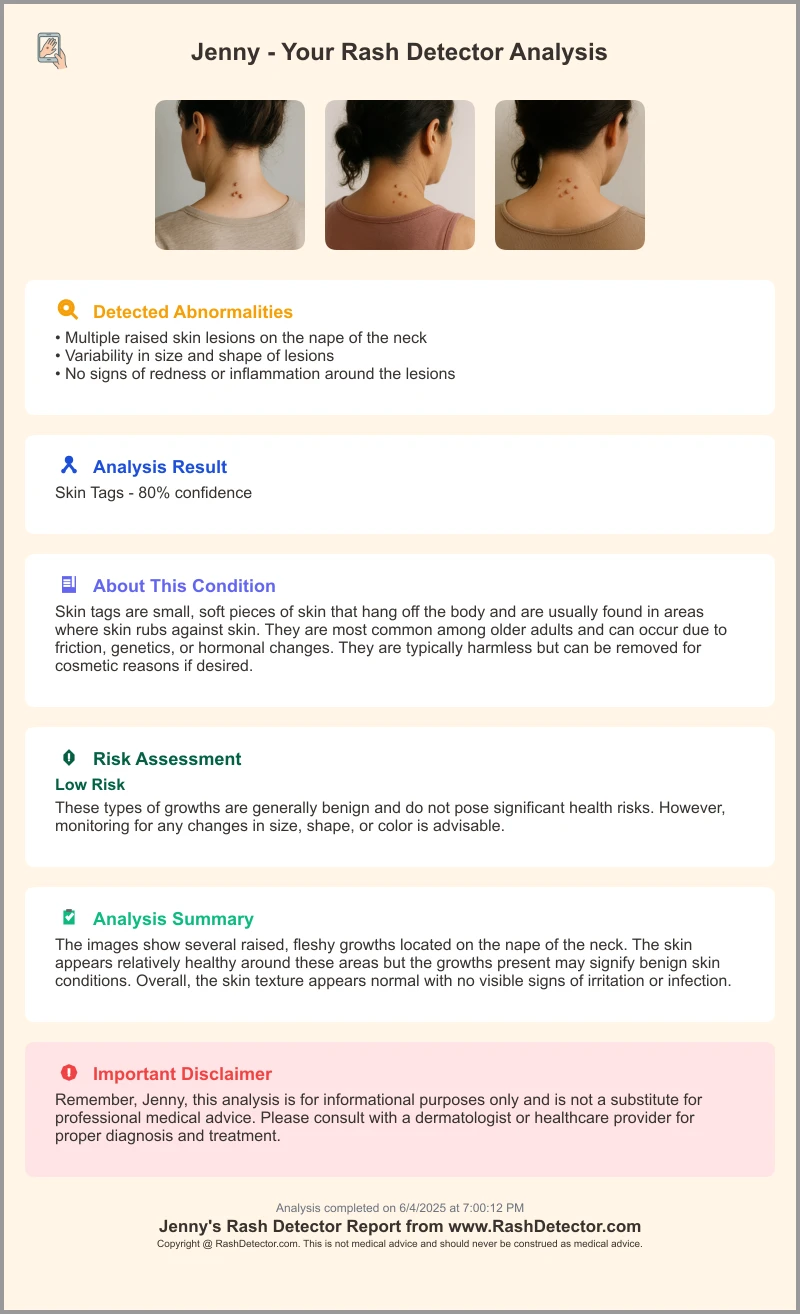
For quick, preliminary analysis of your rash, you can upload images and get an instant AI-driven report with Rash Detector before seeking in-person care.
This guide combines expertise from Johns Hopkins Medicine, Mayo Clinic, Merck Manuals, and NYU Langone Health to help you manage drug-induced skin reactions with confidence. However, personalized care from your healthcare provider is irreplaceable. For tailored medication rash treatment advice, always consult a medical professional.
FAQ
What is a medication rash?
A medication rash, or drug eruption, is an immune-mediated skin reaction triggered by a prescription or over-the-counter medication that the body mistakes as a threat.
When should I seek medical attention for a drug rash?
Seek urgent care if you experience facial or throat swelling, difficulty breathing, widespread blistering, or skin peeling. For mild itching or small hives, schedule a routine appointment.
How are medication rashes diagnosed?
Diagnosis often involves a detailed medical history, skin biopsy, and blood tests to rule out other conditions such as eczema or viral exanthems.
Can I prevent future medication rashes?
Yes. Maintain a detailed allergy history, undergo patch testing, use graded drug challenges, and follow dose escalation protocols under professional supervision.