Medication Rash Treatment: Identify, Manage, and Prevent Drug-Induced Rashes
Learn how to effectively identify, manage, and prevent medication rash treatment. Discover key strategies to safeguard your skin health today.

Estimated reading time: 10 minutes
Key Takeaways
- Medication rashes can be immune- or non-immune-mediated, ranging from mild erythema to severe reactions like SJS/TEN.
- Early recognition of rash types and alarming signs is crucial to prevent progression to SCARs.
- Diagnosis involves detailed drug history, physical exam, and targeted tests like CBC, skin biopsy, or allergy testing.
- Treatment follows a tiered approach: discontinuing the culprit drug, OTC/home care, prescription therapies, and emergency interventions.
- Prevention relies on maintaining allergy records, avoiding re-exposure, assessing cross-reactivity, and proactive communication with providers.
Table of Contents
- Section 1: Understanding Medication-Induced Rashes
- Section 2: Recognizing Signs and Symptoms
- Section 3: Diagnosing Medication Rashes
- Section 4: Medication Rash Treatment: Options and Strategies
- Section 5: Prevention and Management Tips
- Section 6: When to Consult a Healthcare Professional
- Conclusion
Section 1: Understanding Medication-Induced Rashes
Keywords: medication rash treatment
Immune-mediated mechanisms
- Immediate reactions (minutes–hours)
IgE-mediated histamine release leads to hives (urticaria) or anaphylaxis. - Delayed reactions (days–weeks)
T-cell–driven inflammation causes morbilliform exanthems or drug reaction with eosinophilia (DRESS).
Non-immune mechanisms
- Direct irritation: Some drugs act as irritants, damaging skin cells on contact.
- Photosensitivity: UV light interacts with certain medications, producing sunburn-like rashes.
Common culprits and drug classes
- Antibiotics: penicillins, sulfonamides
- Anticonvulsants: phenytoin, carbamazepine
- NSAIDs: ibuprofen, naproxen
- Allopurinol
- Select cardiovascular (e.g., ACE inhibitors) and psychiatric drugs (e.g., lithium)
Major rash types and severity tiers
- Morbilliform (exanthematous) rash
Pink-red macules/papules 4–14 days after drug—often widespread but mild to moderate. Source: Merck Manual - Urticaria (hives)
Migratory wheals, intense itching, rapid onset minutes–hours—can herald anaphylaxis. Source: Harvard Health - Fixed drug eruption
Well-defined dark red/purple patch that recurs at the same site. - Photosensitivity rash
Localized to sun-exposed areas when UV light activates the drug. - Severe cutaneous adverse reactions (SCARs)
Stevens-Johnson syndrome (SJS) / Toxic epidermal necrolysis (TEN): blistering, skin detachment, mucosal involvement
DRESS: rash with fever, lymphadenopathy, internal organ involvement. Source: Johns Hopkins
Early identification prevents progression to SCARs and reduces risk of organ damage.
Section 2: Recognizing the Signs and Symptoms
Keywords: medication rash treatment
- Red or pink spots, patches, or bumps (linear or confluent)
- Itching, burning, or stinging sensations
- Swelling (lips, eyelids, face, hands, feet)
- Dry, flaky skin during resolution
Alarming signs
- Blistering or peeling skin
- Mucosal sores (mouth, eyes, genitals)
- Systemic symptoms: fever, chills, lymphadenopathy, jaundice, dark urine
- Respiratory distress: wheezing, throat swelling
Appearance/intensity categories
- Mild: localized rash, low-grade itch, no systemic signs
- Moderate: widespread rash, moderate pruritus, mild fever
- Severe: extensive skin detachment, mucosal involvement, systemic illness
When to seek care
- Emergency (call 911): Anaphylaxis signs—dyspnea, throat swelling, hypotension, rapid heart rate (Merck Manual)
- Urgent (same-day): Rapidly spreading rash with fever or organ involvement
- Non-urgent: Persistent mild rash, worsening despite home care
Section 3: Diagnosing Medication Rashes
Keywords: medication rash treatment
- Detailed history
Document all drugs: prescription, OTC, supplements. Note start/stop dates and rash onset timing. Record prior reactions or allergies. - Physical exam
Assess rash distribution and morphology. Check mucosal sites (mouth, eyes, genitals). Examine for fever, lymph node enlargement, organ tenderness. - Diagnostic tests
- CBC with differential, liver/kidney function (for DRESS)
- Skin biopsy under local anesthesia (for SJS/TEN, vasculitis)
- Allergy testing (e.g., penicillin skin tests) when indicated (Johns Hopkins)
Differential diagnoses
Viral exanthems, contact dermatitis, eczema or psoriasis, autoimmune rashes, insect bites or infestations.
Roles of providers
Primary care: manage mild–moderate rashes, initial evaluation. Dermatologists: advanced diagnosis, skin biopsies, manage SCARs. Allergists/immunologists: assess drug allergies, guide desensitization.
Section 4: Medication Rash Treatment: Options and Strategies
Keywords: medication rash treatment
Pillar 1: Discontinue or substitute offending drug
- Assess risk–benefit before stopping essential medications
- Substitute alternative drugs when possible
- Document reaction clearly; consider medical alert identification (Merck Manual)
Pillar 2: Over-the-counter and home care for mild rashes
- Oral antihistamines: cetirizine, loratadine, fexofenadine (non-drowsy); diphenhydramine (sedating option at night) (Harvard Health)
- Topical corticosteroids (OTC hydrocortisone 0.5–1%): reduce inflammation, itching (NYU Langone)
- Comfort measures: cool compresses, lukewarm colloidal oatmeal baths; fragrance-free moisturizers; loose clothing; nail trimming or cotton gloves to prevent scratching
Pillar 3: Prescription therapies for moderate–severe reactions
- Antihistamines: higher doses or combination regimens under supervision
- Topical prescription steroids: triamcinolone 0.1%, clobetasol 0.05% for limited duration
- Oral corticosteroids: prednisone taper 1–2 weeks for morbilliform eruptions; ≥6-week taper for DRESS (NYU Langone)
- IV corticosteroids for SJS/TEN in hospital settings
- Epinephrine auto-injector for anaphylaxis: dose and administration details (IU Health)
- IV immunoglobulin or cyclosporine for SJS/TEN in burn unit care
Supportive care
- Maintain hydration (oral or IV)
- Wound care for blisters; prevent secondary infection
- Nutritional support in severe cases
- Sun avoidance on photosensitive areas
- Gentle skin cleansing; avoid harsh soaps
Section 5: Prevention and Management Tips
Keywords: medication rash treatment
- Maintain an allergy and medication record: list drug name, dose, reaction timing, rash type; share record with all healthcare providers
- Avoid re-exposure and assess cross-reactivity: consult clinician before re-challenges within drug families; use alternative agents when necessary
- Allergy evaluation options: patch testing for topical agents; penicillin skin testing for IgE-mediated penicillin allergy
- Proactive communication: report past reactions before new prescriptions; ask about rash risks, early warning signs, alternative therapies
- Monitor skin when starting new drugs: check daily for red spots or swelling; photograph any changes for clinician review; note medication start date and rash onset in a journal
Section 6: When to Consult a Healthcare Professional
Keywords: medication rash treatment
Emergency scenarios (call 911)
Breathing difficulty, throat or tongue swelling; rapid heartbeat, hypotension, dizziness; widespread blistering, skin peeling, high fever; mucosal ulcerations or eye pain (Merck Manual).
Urgent (same-day)
New rash days–weeks after drug initiation; rapid spread, moderate itching, low-grade fever; signs of organ involvement (jaundice, dark urine).
Non-urgent dermatology/allergy referral
Mild, persistent rash unresponsive to home care; unclear diagnosis needing biopsy or testing; chronic drug allergies requiring evaluation.
Specialist roles
Dermatologists: biopsy, SCAR management, multidisciplinary care. Allergists/immunologists: testing, desensitization, cross-reactivity assessment.
Conclusion
Medication rash treatment hinges on early recognition, accurate diagnosis, and tailored care. Stop the culprit drug under medical guidance, employ tiered therapies—from OTC antihistamines and topical corticosteroids to prescription steroids and emergency interventions—and support skin healing with hydration and gentle care. Prevent future reactions by maintaining detailed allergy records, communicating proactively with clinicians, and watching your skin when starting new medications. If you experience any new rash after a drug, especially with systemic symptoms, seek professional evaluation without delay to safeguard your health. For additional step-by-step guidance, see our in-depth guide to identifying, managing, and preventing drug-induced skin reactions.
For more on identifying early warning signs, see our piece on Identifying and Managing Drug-Induced Rash Symptoms, and for tips on long-term safety strategies, check out Managing Drug Allergy Rash. You can also explore our comprehensive guide to identifying, managing & preventing drug-induced rashes for further details on treatment strategies. For a more detailed overview, see our complete guide to identifying and managing drug-induced rashes.
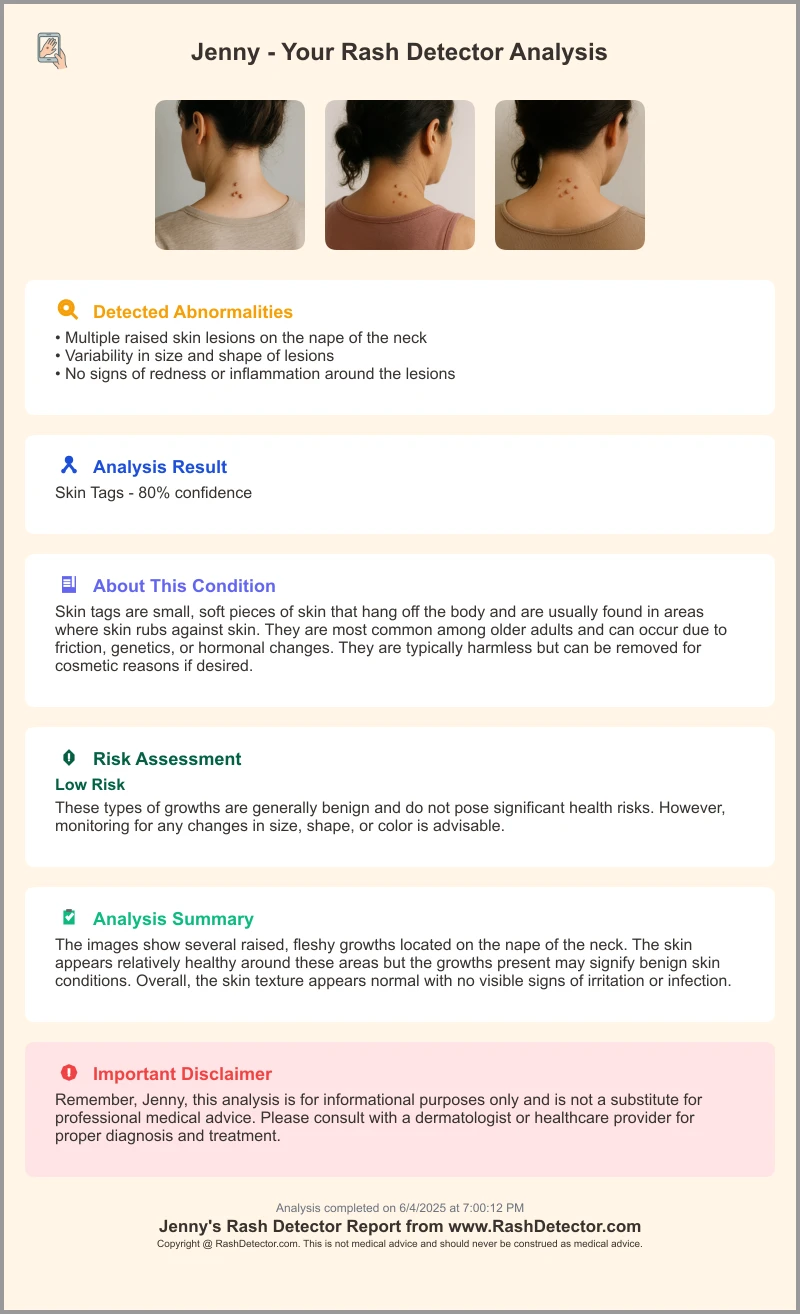
For an AI-driven skin analysis, you can also try the Rash Detector AI Skin Analysis App by uploading images for instant insights.
FAQ
- What are the common symptoms of a medication-induced rash? Red or pink spots, itching, burning sensations, swelling, or blistering—sometimes accompanied by systemic signs like fever or lymphadenopathy.
- When should I seek emergency care? Call 911 if you experience anaphylaxis signs (difficulty breathing, throat swelling, hypotension) or widespread skin peeling and high fever.
- How is a medication rash diagnosed? Through a detailed drug history, physical examination, and tests such as CBC, skin biopsy, or allergy testing depending on severity.
- Can I prevent medication rashes? Maintain an up-to-date allergy record, avoid re-exposure, assess cross-reactivity, and communicate past reactions to all healthcare providers.
- What treatments are available? Mild cases may respond to OTC antihistamines and topical steroids, while moderate to severe reactions often require prescription corticosteroids or hospitalization. For a comprehensive overview of treatment options, visit our guide to managing drug-induced rashes.