Expert Guide to Medication Rash Treatment: Identify and Manage Drug-Induced Rashes
Learn how to identify and manage medication rash treatment with expert insights. Discover prevention, symptoms, and solutions for drug-induced rashes.

Estimated reading time: 8 minutes
Key Takeaways
- Early recognition of drug-induced rashes can prevent progression to severe conditions like SJS/TEN.
- Immediate discontinuation of the offending medication is the cornerstone of management.
- Treatment is tiered: from OTC antihistamines and topical steroids to epinephrine and ICU care.
- Be vigilant for red flags: rapid spread, blistering, mucosal involvement, and anaphylaxis.
- Prevention relies on documenting allergies, starting new drugs at low doses, and patient education.
Table of Contents
- Understanding Medication-Induced Rashes
- Causes and Triggers
- Diagnosis and When to Seek Professional Help
- Medication Rash Treatment Options
- Self-Care and Prevention Strategies
- Conclusion
- Additional Resources
Understanding Medication-Induced Rashes
What Is a Medication-Induced Rash?
A medication-induced rash is a skin reaction that emerges days to weeks after starting a drug and usually resolves once the drug is stopped. Unlike viral rashes or contact dermatitis, these eruptions:
- Align closely with the timing of drug exposure
- Improve upon discontinuation of the culprit
- Can recur in the same location upon re-exposure (fixed drug eruption)
Source: Johns Hopkins Medicine: Drug Rashes
Common Symptoms and Signs
Recognizing the type of eruption guides therapy:
- Urticaria (hives): Migratory, itchy wheals from IgE-mediated reactions
- Maculopapular rash: Flat red spots or bumps spreading from trunk to limbs
- Fixed drug eruption: Recurrent round, dark red or purple patches
- Severe reactions: Blistering, peeling, mucosal involvement (SJS/TEN)
Source: Merck Manuals: Drug Rashes
Why Quick Identification Matters
Timely action can avert life-threatening outcomes:
- Mild rashes typically resolve within days when managed early
- Delay may lead to anaphylaxis or airway compromise
- SJS/TEN often requires burn-unit care; mortality for TEN can exceed 25%
Source: Merck Manuals: Drug Rashes
Causes and Triggers
Medications Commonly Implicated
- Urticaria: NSAIDs, penicillins, sulfa drugs, contrast media
- Maculopapular rash: Sulfonamides, beta-lactams, ACE inhibitors, beta-blockers
- Acneiform eruptions: Corticosteroids, anabolic steroids, anticonvulsants
- Fixed or exfoliative eruptions: Barbiturates, isoniazid
- SJS/TEN: Lamotrigine, sulfonamides, other antibiotics
Source: NYU Langone Health: Medication for Drug Reactions
Mechanisms Behind Drug Rashes
- Type I (Immediate): IgE-mediated histamine release causing urticaria or anaphylaxis
- Type IV (Delayed): T-cell mediated inflammation producing maculopapular or fixed eruptions
Risk Factors
- History of drug allergies or atopy
- High doses or rapid escalation
- Polypharmacy and interactions
- Genetic predisposition (HLA alleles linked to SJS/TEN)
- Repeated or prolonged exposures
Diagnosis and When to Seek Professional Help
Self-Assessment Steps
- Track rash onset relative to each medication
- Note pruritus, fever, swelling, mucosal lesions
- Avoid abrupt discontinuation of vital drugs without medical advice
For detailed signs, see Identifying and Managing Drug-Induced Rash Symptoms.
Red Flags Requiring Immediate Care
- Rapid spread with blistering or sloughing
- Mucous membrane involvement (eyes, mouth, genitals)
- Anaphylaxis signs: wheezing, throat tightness, facial swelling
- High fever or circulatory collapse
Source: Merck Manuals: Drug Rashes
Diagnostic Tests and Procedures
- Skin biopsy: Differentiates drug rash from other dermatoses
- Blood tests: Eosinophilia, liver and kidney panels
- Patch testing or graded challenge: Performed under medical supervision
Source: IU Health: Clinical Guidelines
Medication Rash Treatment Options
Initial Step – Discontinue the Offending Drug
Stopping the culprit medication under supervision typically leads to improvement within days to two weeks. Ensure safe alternatives if the drug was critical.
Source: Johns Hopkins Medicine: Drug Rashes
Mild Rash Management
- OTC antihistamines: cetirizine 5–10 mg daily or diphenhydramine 25–50 mg every 6 hours
- Topical soothing agents: calamine lotion, aloe vera gel
- Cool compresses; maintain hydration; avoid scratching
Moderate Rash Management
- Topical corticosteroids: hydrocortisone 1% OTC or triamcinolone 0.1% by prescription
- Oral antihistamines plus short-course steroids: prednisone 0.5–1 mg/kg daily for 7–14 days
Source: Mayo Clinic: Contact Dermatitis Treatment
Severe Reaction Management
- Anaphylaxis: IM epinephrine 0.3–0.5 mg immediately, airway support, IV fluids
- SJS/TEN: ICU or burn-unit care; IV corticosteroids, IVIG or cyclosporine; wound care
Source: NYU Langone Health: Medication for Drug Reactions
Alternative Medication Strategies
- Use non–cross-reactive classes (e.g., non-sulfa antibiotics)
- Compounded formulations to omit allergenic excipients
- Graded desensitization in specialized centers
See also Managing Drug Allergy Rash.
Self-Care and Prevention Strategies
Home Care for Minor Rashes
- Colloidal oatmeal baths to soothe itching
- Fragrance-free emollients to restore moisture
- Loose, breathable cotton clothing to reduce friction
- Continue OTC antihistamines and topical remedies as directed
Preventive Measures
- Maintain an updated list of drug allergies and wear a medical ID
- Inform all providers of prior rash history
- Start new medications at low doses and monitor closely
- Consider allergy testing or patch tests for high-risk drugs
Source: American Academy of Allergy, Asthma & Immunology
Conclusion
Drug eruptions span from mild hives to life-threatening SJS/TEN. Effective medication rash treatment relies on early recognition, prompt discontinuation of the offending agent, and tiered management—from OTC antihistamines and topical steroids to emergency epinephrine and ICU support. Adopting preventive measures and documenting allergies can minimize recurrence. Always seek professional guidance for severe reactions rather than self-treating.
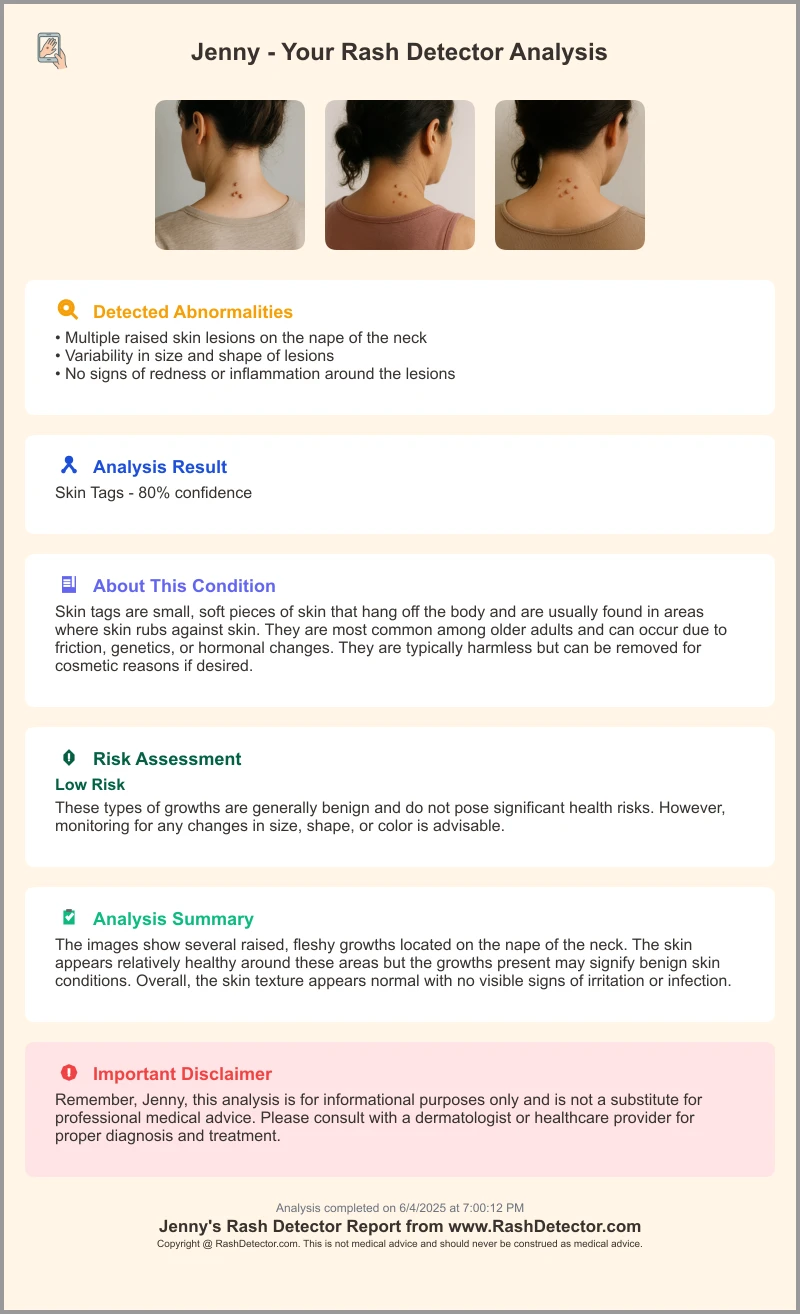
For a quick AI-driven overview of your rash, you can upload images and get an instant analysis sample here: Rash Detector
Additional Resources
- Johns Hopkins Medicine: Drug Rashes
- Merck Manuals: Drug Rashes
- NYU Langone Health: Medication for Drug Reactions
- Mayo Clinic: Contact Dermatitis Treatment
- American Academy of Allergy, Asthma & Immunology
- FDA MedWatch: Reporting Adverse Drug Reactions
FAQ
- How soon can a medication rash appear?
- Most drug rashes emerge within days to weeks after starting a new medication.
- What should I do for a mild drug rash?
- Use OTC antihistamines, apply soothing lotions, keep the area clean, and monitor for progression.
- When is a drug rash an emergency?
- If you observe rapid blistering, mucosal involvement, high fever, or anaphylaxis signs, seek immediate care.
- Can I reintroduce a drug after a rash resolves?
- Only under medical supervision, often via graded desensitization or allergy testing in a controlled setting.
- How can I prevent future drug rashes?
- Maintain an allergy list, start new drugs at low doses, inform providers, and consider patch testing for high-risk medications.