Infection Risks and Skin Rashes Immune System: How to Protect Vulnerable Skin
Explore the connection between infection risks and skin rashes immune system. Learn to protect vulnerable skin with expert advice and effective strategies.

Estimated reading time: 8 minutes
Key Takeaways
- Weakened immunity impairs skin barrier repair, increasing risk of secondary infections.
- Common pathogens—bacteria, viruses, fungi, parasites—exploit rash-induced breaches.
- Daily skin inspections and prompt symptom logging speed early intervention.
- Gentle hygiene, barrier protection, and targeted therapies are essential preventive measures.
- Collaborative care with dermatologists and immunologists optimizes outcomes for at-risk patients.
Table of Contents
- Key Takeaways
- Table of Contents
- Introduction
- Understanding the Immune System and Its Role
- Infection Risks Associated with Skin Rashes
- Detailed Look at Skin Rashes in Immunocompromised Individuals
- Managing and Preventing Infection Risks
- Best Practices and Expert Recommendations
- Conclusion and Key Takeaways
- FAQ
Introduction
“Infection risks and skin rashes immune system pose serious challenges for people with low immunity.” Infection risks refer to the likelihood of harmful pathogens—bacteria, viruses, fungi, or parasites—invading body tissues when barriers like the skin are compromised. Skin rashes are areas of irritated or inflamed skin that may signal an underlying disease or immune reaction. The immune system is the body’s defense mechanism made up of specialized cells and processes to detect and neutralize threats.
Managing skin rashes is vital for individuals with weakened defenses. When immunity is low, minor scratches or dermatitis can lead to secondary infections, prolonged healing, and systemic complications. Early awareness, protective measures, and prompt treatment guard against serious outcomes.
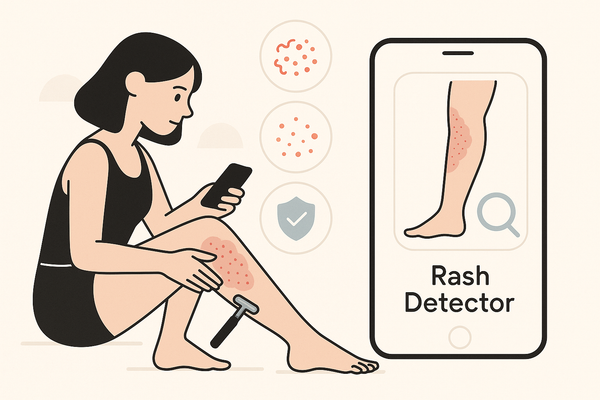
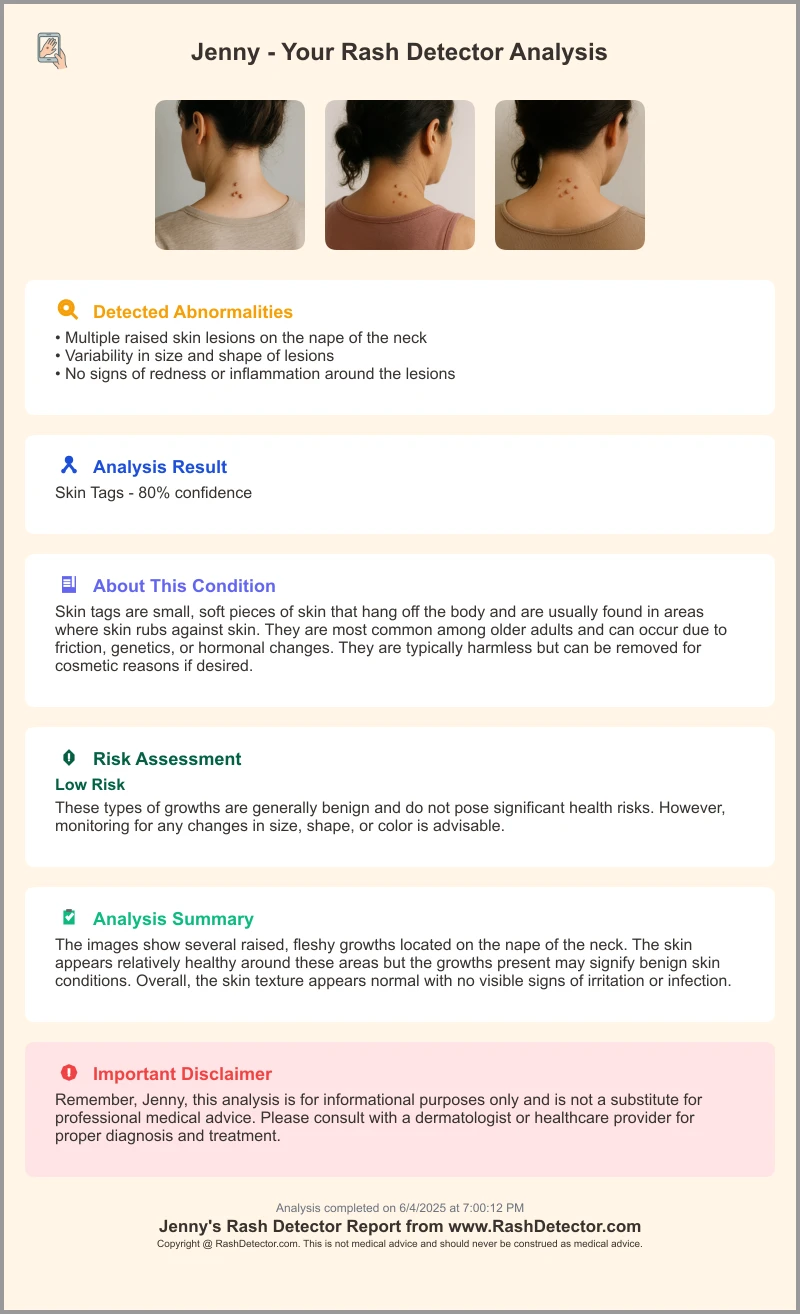
Tools such as Rash Detector empower users to upload images and receive instant skin assessments, aiding early detection and management.
Keywords: infection risks, skin rashes, immune system, infection risks and skin rashes immune system
Understanding the Immune System and Its Role
The immune system relies on layers of protection. The first barrier is the skin, packed with Langerhans cells—specialized sentinels that detect pathogens and trigger inflammation to contain invaders. Without this quick response, bacteria and viruses can penetrate deeper tissues.
Key defense stages:
- Innate immunity: Rapid, non-specific response involving barriers (skin, mucous membranes), phagocytes, and inflammation.
- Adaptive immunity: Slower, targeted response using B and T lymphocytes to remember and neutralize specific pathogens.
Defining “low immunity”
Low immunity describes reduced effectiveness of these defense stages. Common causes include:
- Chronic diseases: Diabetes, HIV/AIDS weaken immune surveillance.
- Medical treatments: Chemotherapy and immunosuppressants dampen defensive cell production.
- Age-related decline: Elderly have fewer T cells and slower healing.
- Nutritional deficiencies: Lack of protein, vitamins A and D, zinc impairs barrier repair and antibody production.
Impact on skin barrier repair
When immunity falters, wound closure slows and inflammation becomes prolonged. Open or inflamed skin remains vulnerable, raising infection risks and worsening rashes. In weakened hosts, even minor dermatitis can evolve into cellulitis or invasive fungal disease.
Keywords: immune system, low immunity, infection risks, skin rashes
Infection Risks Associated with Skin Rashes
Skin rashes damage the epidermal barrier, creating entry points for microbes. When cracks, blisters, or raw patches appear, pathogens bypass surface defenses and exploit the breach.
Common pathogens complicating rashes:
- Bacteria: Staphylococcus aureus can cause impetigo or cellulitis around rash margins.
- Viruses: Herpes simplex triggers cold sores and genital lesions; varicella-zoster leads to shingles in older or immunosuppressed patients.
- Fungi: Dermatophytes cause athlete’s foot; Candida species lead to intertrigo in skin folds.
- Parasites: Sarcoptes scabiei (scabies) burrow in skin; lice infest hair-bearing areas.
Signs of an infected rash
- Increased redness extending beyond the original rash.
- Warmth and swelling around lesions.
- Purulent discharge or visible pus.
- Pain or tenderness at rash site.
- Systemic symptoms: fever, chills, fatigue.
Early recognition of these hallmarks allows for quicker intervention—reducing progression to deep-tissue infections or sepsis.
Keywords: infection risks, skin rashes, immune system
Detailed Look at Skin Rashes in Immunocompromised Individuals
Immunocompromised patients often present with atypical or severe rashes that persist or spread. Understanding these patterns aids early diagnosis and treatment.
Common rash types in low-immunity settings:
- Scaly patches (psoriasiform): Thick, silvery scales on elbows, knees—may resemble psoriasis but triggered by immune dysregulation.
- Open sores or ulcers: Non-healing wounds on legs or feet, prone to colonization by bacteria.
- Persistent blisters: Fluid-filled lesions that reappear despite standard therapy.
- Widespread or atypical distribution: Rashes on the trunk, face, or intertriginous zones not fitting classic patterns.
Case examples:
- Chemotherapy patient with fungal intertrigo: Groin rash unresponsive to OTC creams until clotrimazole was prescribed.
- Organ transplant recipient on steroids: Acneiform eruptions on torso, requiring dose adjustment and topical retinoids.
- HIV-positive individual: Recurrent herpes simplex lesions on lips and genitals, managed with suppressive antiviral therapy.
Early detection techniques:
- Daily skin inspections: Use mirrors or ask a caregiver to check hard-to-see areas.
- Photograph changes: Track size, color, and distribution over time (track rash progress pictures).
- Symptom logging: Note itchiness, pain, or new drainage.
- Prompt clinician reporting: Emergency signs include spreading redness, systemic fever, or sudden pain.
Keywords: skin rashes, immune system, infection risks
Managing and Preventing Infection Risks
Effective management combines hygiene, barrier support, and targeted therapies.
Skin care and hygiene practices:
- Gentle cleansing: Use pH-balanced, fragrance-free cleansers to avoid irritation.
- Pat dry: Blot skin with a soft towel; avoid rubbing that breaks the barrier.
- Moisturize: Apply hypoallergenic emollients to maintain hydration and reduce cracking.
- Protect: Cover broken skin with sterile, non-stick dressings to block pathogens.
Topical and systemic treatments:
- Topical antibiotics (e.g., mupirocin) for localized bacterial impetigo.
- Antifungal creams (e.g., clotrimazole) for yeast or dermatophyte infections.
- Low-potency corticosteroids under medical supervision for inflammatory rashes.
- Oral or intravenous therapy: Escalate when lesions spread rapidly or systemic signs appear.
When to seek medical help:
- Rash worsens after 48 hours of home care.
- Signs of systemic infection: fever above 38°C, malaise.
- Rapidly spreading redness, pain, or lymph node swelling.
Lifestyle and dietary tips:
- Balanced diet: Include vitamins A, C, D and minerals like zinc to support cell repair and immune function.
- Hydration and protein: Essential for collagen formation and barrier integrity.
- Regular sleep: Aim for 7–9 hours to bolster immune recovery.
- Sun protection: Broad-spectrum SPF shields against UV-induced barrier damage.
For detailed post-rash care steps, see detailed post-rash care steps.
Keywords: managing skin rashes, infection risks, immune system, skin rashes
Best Practices and Expert Recommendations
Consistent vigilance and expert guidance minimize complications in at-risk patients.
Expert advice for routine skin monitoring:
- Monthly self-exams: Focus on high-friction areas and skin folds.
- Allergen avoidance: Steer clear of fragrances, harsh detergents, and known irritants.
- Adherence to immunomodulatory therapies: Follow dosing schedules for biologics or steroids.
- Coordinated care: Engage dermatologists, immunologists, and primary care providers in a unified plan.
Current research highlights:
- The skin–immune axis: Studies show Langerhans cell dysfunction in diabetics increases rash severity.
- Immune surveillance: Ongoing trials investigate topical immunotherapies to boost barrier immunity.
Authoritative resources for further reading:
- NIH News in Health – Red, Itchy Rash
- MedlinePlus – Skin Infections Overview
- GoodRx Health Topic – Autoimmune Skin Conditions
Keywords: infection risks, skin rashes, immune system
Conclusion and Key Takeaways
Infection risks and skin rashes immune system issues are deeply interconnected. A weakened defense system fails to repair skin barriers, turning minor irritations into serious infections. Vigilant care, early detection, and expert collaboration are essential.
Actionable steps:
- Maintain skin integrity with gentle hygiene and regular moisturizing.
- Monitor rashes daily; photograph and log any changes.
- Seek prompt medical evaluation if you notice fever, spreading redness, or pus.
- Support immunity through a balanced diet, adequate sleep, and stress management.
For specialized guidance on managing rashes with low immunity, visit managing rashes with low immunity.
Proactive self-care and open communication with healthcare providers protect vulnerable skin and overall health.
FAQ
What constitutes a “weakened” immune system?
A weakened (or low) immunity occurs when innate and adaptive immune responses are impaired—often due to chronic illness, medications like chemotherapy or steroids, age-related decline, or nutritional deficiencies.
How can I tell if a rash is infected?
Signs include expanding redness, warmth, swelling, pus, and systemic symptoms such as fever or chills. Early treatment prevents complications like cellulitis or sepsis.
Are over-the-counter creams safe for immunocompromised patients?
Gentle, fragrance-free products are generally safe. However, persistent or worsening rashes should be evaluated by a healthcare provider before using antibiotics, antifungals, or steroids.
How often should I inspect my skin?
Daily self-exams are recommended, especially for hard-to-see areas. Use mirrors or enlist a caregiver to ensure comprehensive checks.
What lifestyle changes support skin health and immunity?
Maintain a balanced diet rich in vitamins A, C, D, zinc, stay hydrated, get 7–9 hours of sleep, manage stress, and use sun protection to preserve barrier function.