How to Treat Rash from Laundry Detergent: Home Remedies & Relief
Learn how to treat rash from laundry detergent at home. Get symptom relief tips, prevention steps, and know when to see a doctor for a detergent rash.

Estimated reading time: 8 min
Key Takeaways
- Identify a laundry detergent rash by its red, itchy, sometimes bumpy appearance, usually on skin that touches clothing.
- Stop exposure immediately and gently cleanse your skin and clothes to remove residue.
- Use at-home treatments like moisturizers, cool compresses, and over-the-counter anti-itch creams for relief.
- Switch to fragrance-free, dye-free detergents to help prevent future reactions.
- See a doctor for severe, spreading, or persistent rashes, or if symptoms worsen.
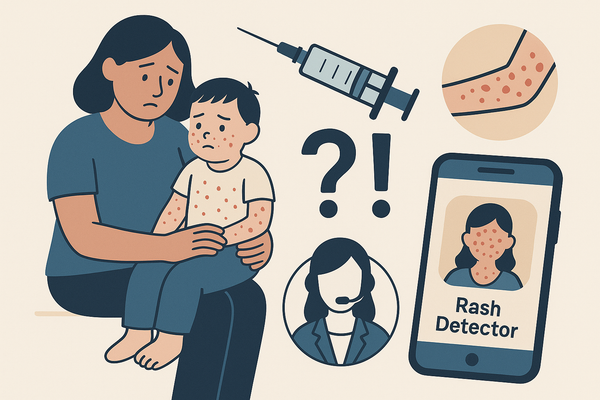
Wondering how to treat rash from laundry detergent? Laundry detergent rashes can occur, especially for people with sensitive skin, eczema, or allergies. This guide covers general information on how to care for a rash at home, home remedies for a rash, immediate steps to protect your skin, and when to see a doctor for a rash that won't go away. If you want instant help identifying your rash, try the AI-powered Rash Detector app by uploading a few photos.
Step 1: Recognize a Laundry Detergent Rash
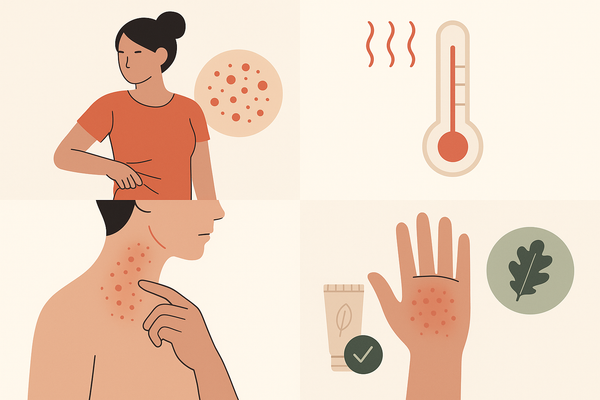
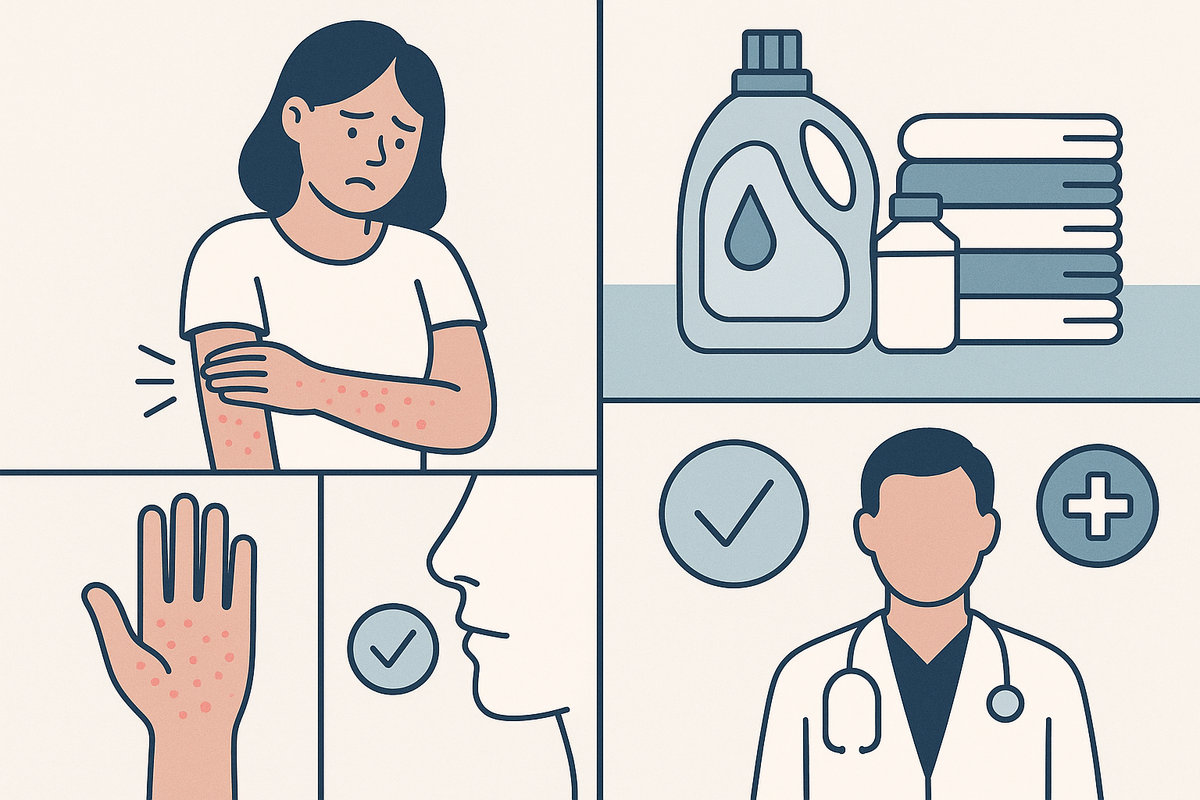
Laundry detergent rashes may appear as red, itchy patches or bumps on skin that comes in direct contact with freshly washed clothing, sheets, or towels. You may notice:
- Red, blotchy patches or hives (raised, itchy welts)
- Itching, burning, or stinging sensations
- Dry or flaky skin; sometimes small blisters
- Skin tenderness or swelling
Symptoms can develop within hours to a couple of days after switching detergents or using a new product. Laundry detergent rashes are a type of contact dermatitis—a reaction to an irritant or allergen touching your skin.
Step 2: Stop Exposure and Remove Detergent Residue
Immediate action may help prevent the rash from getting worse. Steps include:
- Change clothes and remove any fabrics washed with the suspected detergent.
- Gently wash affected skin with lukewarm water and a mild, fragrance-free cleanser. Avoid scrubbing.
- Rinse thoroughly to remove any lingering detergent residue.
For your clothes, bedding, and towels:
- Rewash all items in a fragrance-free, dye-free detergent.
- Use an extra rinse cycle to help ensure all detergent is removed.
- Avoid fabric softeners, dryer sheets, and bleach, which can also trigger skin reactions in some people.
If symptoms persist or you’re unsure whether it’s a detergent rash, consider using Rash Detector for a fast, AI-powered analysis.
Step 3: Soothe Skin with At-Home Remedies
Relieve discomfort and help your skin heal with these home remedies for a rash:
- Cool compresses: Apply a clean, damp, cool washcloth to the rash for 10-15 minutes as needed to reduce itch and discomfort.
- Oatmeal baths: Add colloidal oatmeal (available at most pharmacies) to lukewarm bathwater for 10-20 minutes.
- Moisturize: Gently pat skin dry and use a rich, fragrance-free moisturizer or hypoallergenic lotion. Reapply several times a day.
- Avoid scratching: This can worsen irritation and increase infection risk.
For additional tips on soothing itchy skin, check out our in-depth guide: Skin Rash Treatment: Effective Solutions and Smart Tools.
Step 4: Use Over-the-Counter Relief for Itching
If your rash is very itchy, you can try these over-the-counter options:
- Anti-itch creams: Mild 1% hydrocortisone cream may help reduce redness and itching. Apply as directed for up to 1 week. Learn more in Best Anti Itch Cream: Top Picks and How to Choose.
- Oral antihistamines: Medications such as cetirizine or loratadine (non-drowsy) may help relieve allergic itching, especially if you have hives.
- Calamine lotion: May help soothe itch and dry minor oozing.
Hydrocortisone vs antihistamine: Hydrocortisone cream is generally used for local skin inflammation and itching; antihistamines may help if you experience widespread itch or hives.
Do not use strong steroid creams or take any medicine without checking with a healthcare professional. Stop using any product if your rash gets worse.
Step 5: Prevent Future Detergent Rashes
Prevention is important if you have sensitive skin or have reacted to laundry products in the past:
- Switch to fragrance-free, dye-free, or hypoallergenic detergents.
- Use the smallest amount of detergent recommended.
- Always run an extra rinse cycle for clothes, towels, and bedding.
- Avoid fabric softeners and dryer sheets, which can leave residues that may irritate sensitive skin.
- Wash new clothes before wearing them.
If you’re prone to skin rashes, learn more about how to keep your skin healthy in our guide: How to Do a Skin Self Exam at Home: A Step-by-Step Guide.
Step 6: Know When to See a Doctor
Most mild detergent rashes may improve with at-home care. However, see a healthcare provider or dermatologist if:
- The rash is severe, painful, or blistering
- It is spreading rapidly or covers large areas
- You develop fever, chills, or signs of infection (pus, oozing, increasing redness)
- Symptoms do not improve within 1–2 weeks of home care
- You have trouble breathing, facial swelling, or throat tightness — call emergency services immediately
For persistent or confusing skin reactions, a doctor can help diagnose the cause—sometimes rashes are due to medications, infections, or allergies unrelated to detergent. For more on medication-related rashes, see Drug Rash Treatment: Effective Solutions for Skin Reactions.
Always consult a doctor or dermatologist for diagnosis and treatment, especially for severe, spreading, painful, or persistent symptoms.
Tips & Common Mistakes
- Do not scrub or use hot water on irritated skin.
- Avoid scented lotions, creams, or harsh soaps while healing.
- Do not pop blisters or scratch the rash — this increases risk of infection.
- Don’t reuse clothes or bedding that haven’t been properly rinsed.
- If you have eczema or a history of skin allergies, be extra cautious with any new laundry product.
Conclusion
Laundry detergent rashes can be uncomfortable but may respond to prompt, gentle at-home care. By removing the irritant, soothing your skin, and using appropriate over-the-counter options, many people see improvement within days to a week. If your rash is severe, spreading, or not improving, always seek medical advice—never ignore red-flag symptoms. For instant AI-powered analysis and more skin care tips, try Rash Detector today.
FAQ
- How do you get rid of a rash from laundry detergent fast?
Remove all clothing washed with the detergent, gently cleanse your skin, and use cool compresses, moisturizers, and over-the-counter anti-itch creams. If symptoms are severe or not improving, see a doctor. - What does a laundry detergent rash look like?
It may appear as red, itchy, sometimes raised patches or bumps on skin that contacts washed fabrics. It can resemble eczema or contact dermatitis. - How long does a detergent rash last?
Some mild rashes improve within a few days to a week with proper care. If it persists longer than 1–2 weeks or worsens, consult a healthcare professional. - What cream is best for a laundry detergent rash?
Mild 1% hydrocortisone cream is sometimes used for itching and redness. Calamine lotion may also help. For more, read our guide: Best Anti Itch Cream: Top Picks and How to Choose. - Should I rewash clothes after a detergent rash?
Yes, rewash all clothes, bedding, and towels in a fragrance-free, dye-free detergent with an extra rinse cycle to help remove all residue. - When should I see a doctor for a detergent rash?
See a doctor if your rash is severe, spreading, blistering, infected, or not improving after 1–2 weeks, or if you have any symptoms of an allergic reaction like facial swelling or trouble breathing.